 Activity on TourBookGo
Day Trip from Osaka to Himeji, Arima Onsen and Mount Rokko
Book a day trip from Osaka to Himeji with stops at Koko-en, Arima Onsen and Mount Rokko. Check departure times, options and prices.
Find out when to visit Osaka for spring cherry blossoms, lively summer festivals, golden autumn ginkgo trees or quieter winter streets.
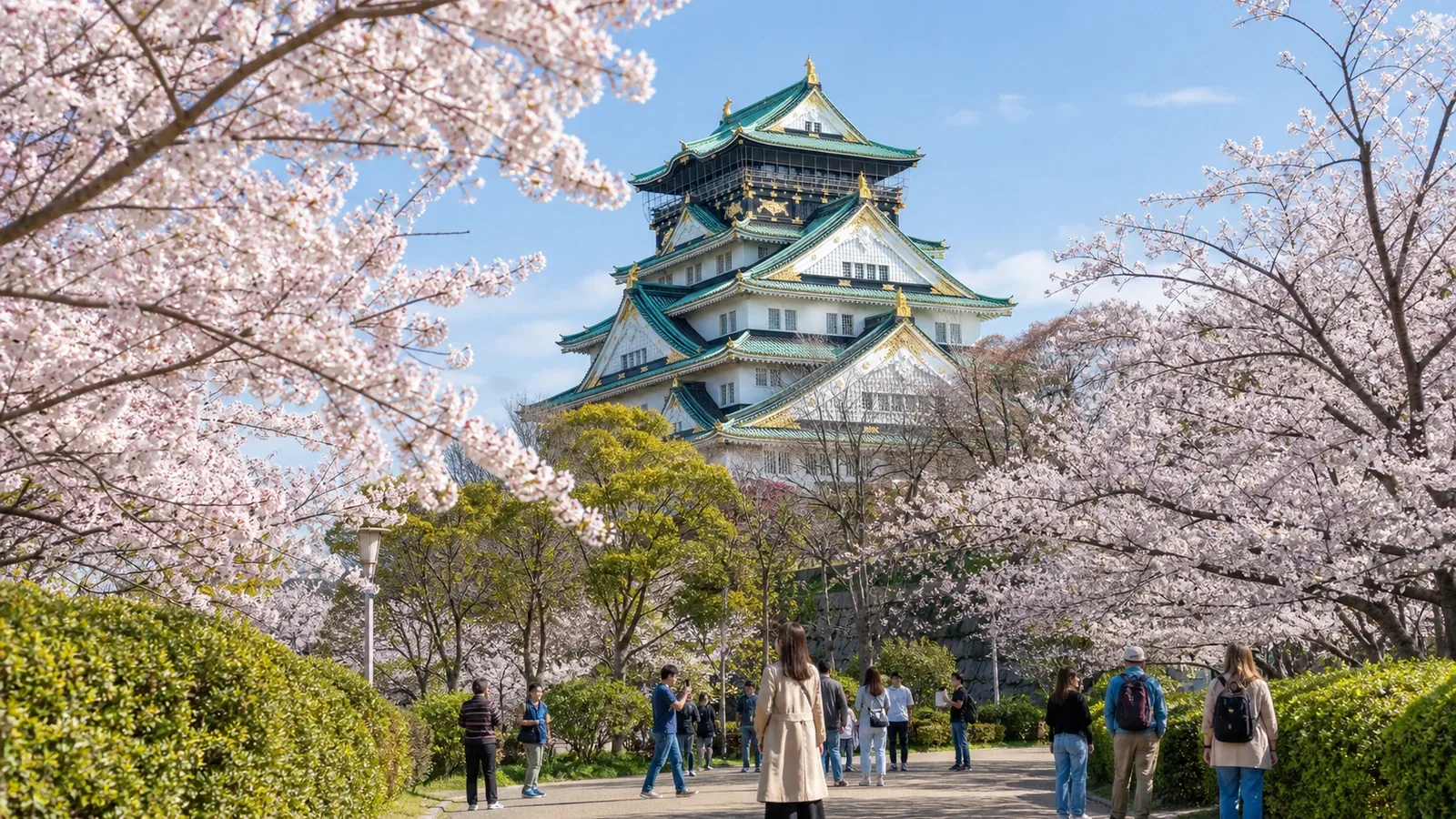
The best time to visit Osaka depends on the atmosphere you want to experience. In spring, the city becomes softer and more delicate, with cherry trees leaning over the canals; in summer, the nights blaze with lanterns, festivals and humidity; autumn clears the skies and turns the ginkgo trees along Midosuji golden yellow; winter reveals a more understated, luminous city that is easier to explore. For most travellers, the best time to visit Osaka is from mid-May to early June, or between mid-October and late November. These periods bring pleasant temperatures, comfortable walking conditions and fewer tourists than cherry blossom season or Japan’s major national holidays.
Compare locations and options to find a base that suits your trip. Booking.com confirms current availability and pricing.
Find accommodation on BookingBetween March and May, the city awakens beneath a soft light. Parks fill with families, street-food stalls regain their lively atmosphere and the banks of the Okawa River become covered in petals.
Cherry blossoms in Osaka usually appear between late March and early April, although the exact timing varies each year. Osaka Castle Park, Kema Sakuranomiya Park and the gardens along the river are among the most popular places during this period.
Official Osaka Tourism Information — OSAKA-INFO
April is particularly pleasant: the historical average temperature is around 15°C, with highs close to 20°C. In May, the average rises to approximately 20°C, while afternoon temperatures can approach 25°C.
JMA Data
The Best Things About Travelling in Spring
The weather is ideal for walking from Umeda to Nakanoshima, exploring Osaka Castle Park without becoming exhausted and having dinner in Dotonbori while it is still cool enough for a light jacket. It is also an excellent time to combine Osaka with Kyoto, Nara or Kobe.
What May Disappoint You
Cherry blossom season attracts large numbers of visitors, and the most famous locations lose some of their charm beneath the pressure of cameras, tour groups and organised excursions. Golden Week, which runs from late April into early May, is also one of Japan’s busiest domestic travel periods. As a result, transport and accommodation tend to have less availability and less favourable prices.
Japan Travel
+1
June marks the beginning of the Osaka rainy season, while July and August bring humid heat that clings to the skin. Osaka’s tourism office generally places the rainy season between early June and late July.
Official Osaka Tourism Information — OSAKA-INFO
Climate data clearly reflects the intensity of summer: August has a historical average temperature of around 29°C, with average highs close to 34°C. June is also one of the wettest months of the year.
JMA Data
The reward comes after sunset. Summer is the season of small neighbourhood festivals, dancing, food stalls and fireworks. The Tenjin Matsuri, traditionally held on 24 and 25 July, fills the Okawa River with boats and transforms central Osaka into a spectacle of fire, water and noise.
Official Osaka Tourism Information — OSAKA-INFO
Who Will Find It Worthwhile?
Travellers who want to experience the city at its liveliest and most festive, do not mind sweating and are willing to adjust their schedule: air-conditioned indoor attractions at midday, walks at sunset and plenty of hydration.
Who Should Think Twice?
People who are sensitive to heat, families with young children and travellers planning to walk for hours at a time. It is also worth remembering that August and September fall within the period of greatest typhoon risk, although many storms do not seriously disrupt travel.
Official Osaka Tourism Bureau Website
October and November probably offer the most balanced experience for visiting Osaka. The heat recedes, the air becomes less humid and the streets can once again be explored without constantly retreating into shopping centres.
In October, the historical average temperature is around 19.5°C, with highs close to 24°C. November is cooler, with an average of approximately 14°C.
JMA Data
The autumn colours usually arrive later than in other parts of Japan. Midosuji turns yellow beneath its rows of ginkgo trees, while Osaka Castle Park becomes a blend of ochre, orange and red.
Official Osaka Tourism Information — OSAKA-INFO
Osaka in October or November?
October is better for travellers seeking mild temperatures, outdoor terraces and lively evenings without the need for a heavy coat. The first part of the month may still retain some humidity, while September continues to carry a certain risk of tropical storms.
November offers a crisper, more distinctly autumnal atmosphere. It is better for walking, photographing parks and taking day trips around Kansai, although the afternoons end earlier and warm clothing is needed at night.
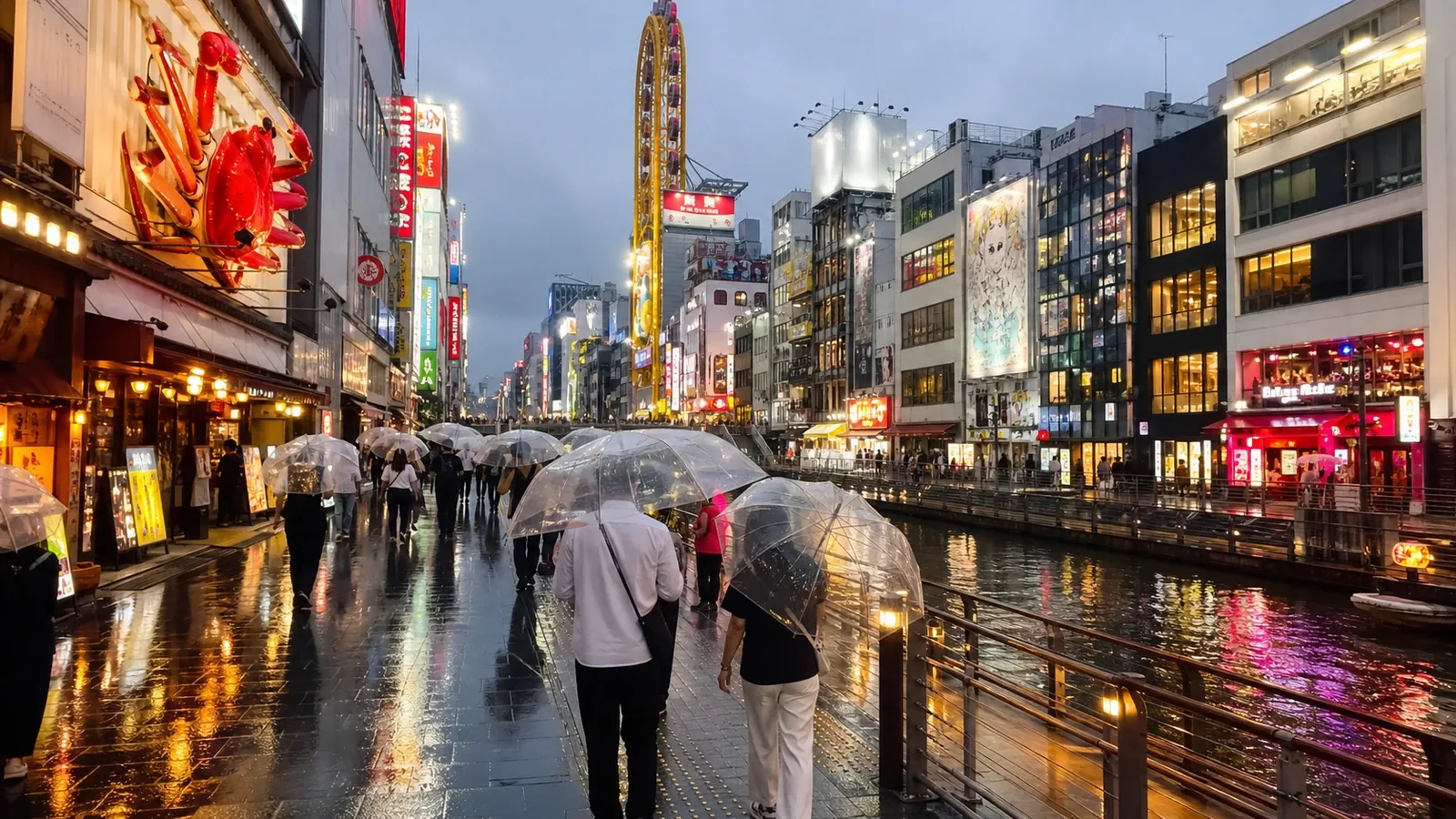
From December to February, Osaka is cold but rarely covered in snow. January has a historical average temperature of around 6°C, with highs of approximately 10°C. The wind and long periods spent outdoors can make it feel harsher than the figures suggest.
JMA Data
The dry evenings provide ideal conditions for the winter illuminations in Nakanoshima and Midosuji. After New Year come celebrations such as Toka Ebisu, while the plum blossoms in Osaka Castle Park quietly signal the approaching end of winter in February.
Official Osaka Tourism Information — OSAKA-INFO
It is a good season for travellers interested in food, museums, shopping and urban neighbourhoods. Availability is also generally easier to find outside the New Year holidays. In return, gardens have less colour, darkness falls early and the city reveals a more restrained kind of beauty.
For good weather and a first visit, choose October or November.
To see the cherry blossoms, travel in late March or early April, book well in advance and be prepared for crowds.
For festivals and street life, visit Osaka in late July, provided you can tolerate humid heat.
For a quieter trip, choose the second half of May, June if you are willing to accept some rain, or winter outside the New Year holidays.
To combine Osaka with Kyoto and Nara, May, October and November offer the most comfortable conditions.
November is probably the best month to visit Osaka. The weather is generally cool but manageable, humidity has fallen and the autumn colours add beauty without making the city feel as saturated with visitors as it does during cherry blossom season.
October comes a close second and may be preferable for travellers who enjoy slightly warmer temperatures. May is the strongest spring alternative, provided the busiest days of Golden Week are avoided.
Osaka can be enjoyed throughout the year, but never in quite the same way. Choosing the right dates does more than transform the scenery: it changes the rhythm of the streets, the patience required to explore them and the way the city allows itself to be discovered.
Discover selected experiences in Osaka to complete this guide with local culture, food, sightseeing and well-organised day trips.
Activity on TourBookGoBook a day trip from Osaka to Himeji with stops at Koko-en, Arima Onsen and Mount Rokko. Check departure times, options and prices.
 Activity on TourBookGo
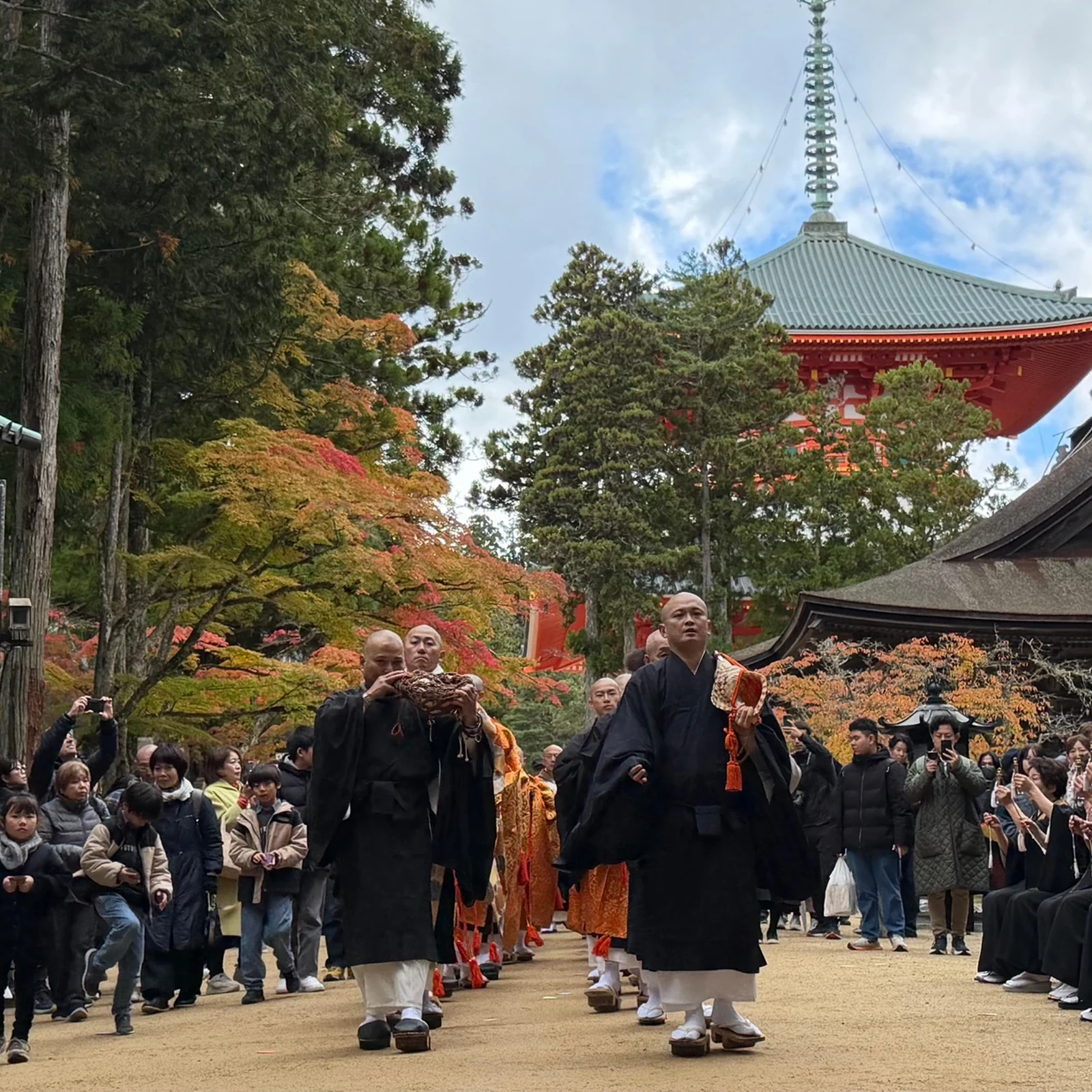
Book a Mount Koya day trip from Osaka with temples, Okunoin, a Goma fire ritual, return transport and a multilingual audio guide.
 Activity on TourBookGo
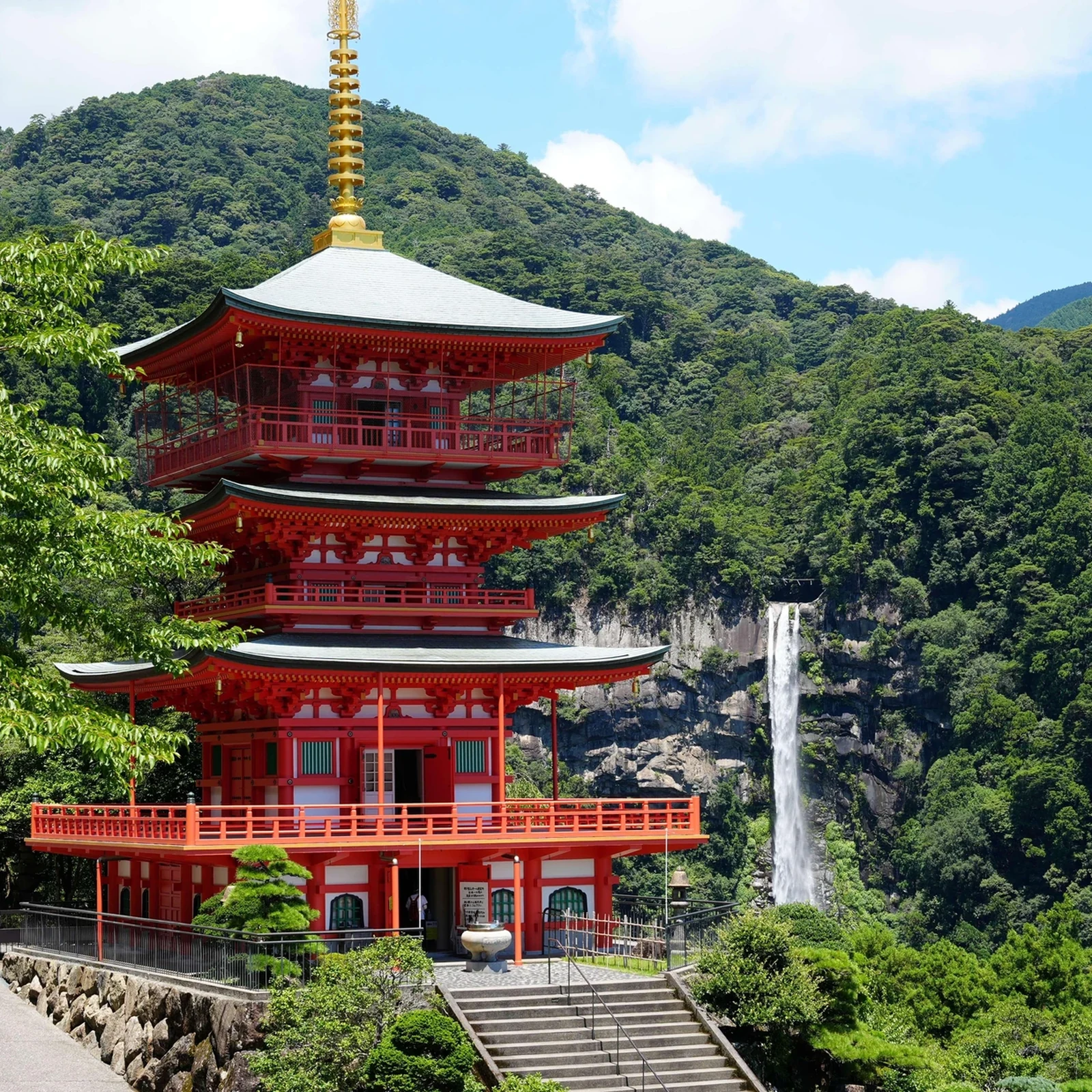
Book a Kumano Kodo day trip from Osaka to explore Kumano Sanzan, Daimon-zaka and Nachi Falls in 13 hours with transport, admission and an audio guide.