 Activity on TourBookGo
Amanohashidate and Ine Day Trip from Kyoto or Osaka
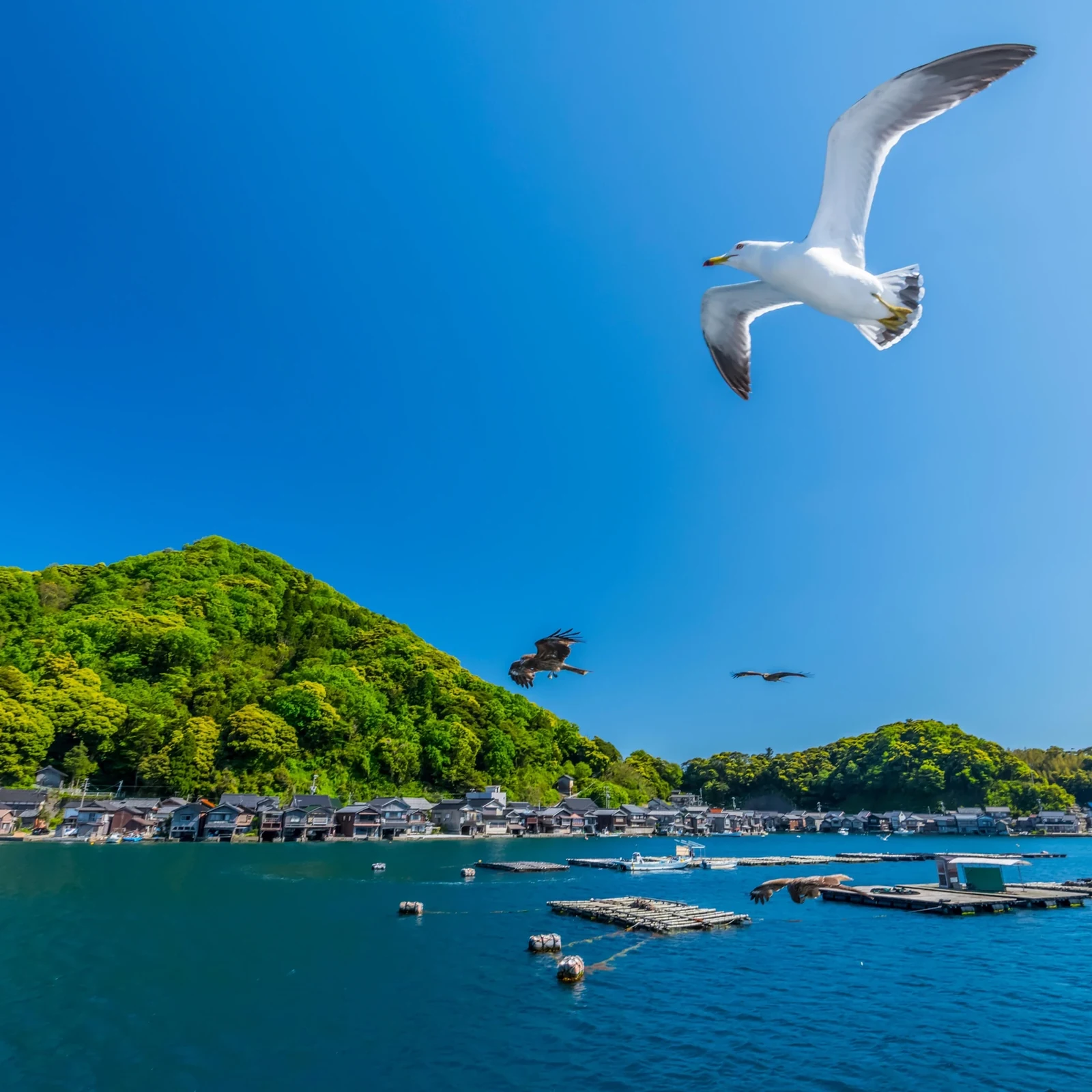
Book an Amanohashidate and Ine day trip from Kyoto or Osaka with transport, a guide and optional Ine Bay cruise and viewpoint access.
Choosing where to stay in Osaka is about more than finding a central hotel. Each neighbourhood offers a different atmosphere, transport links, and way to experience the city.
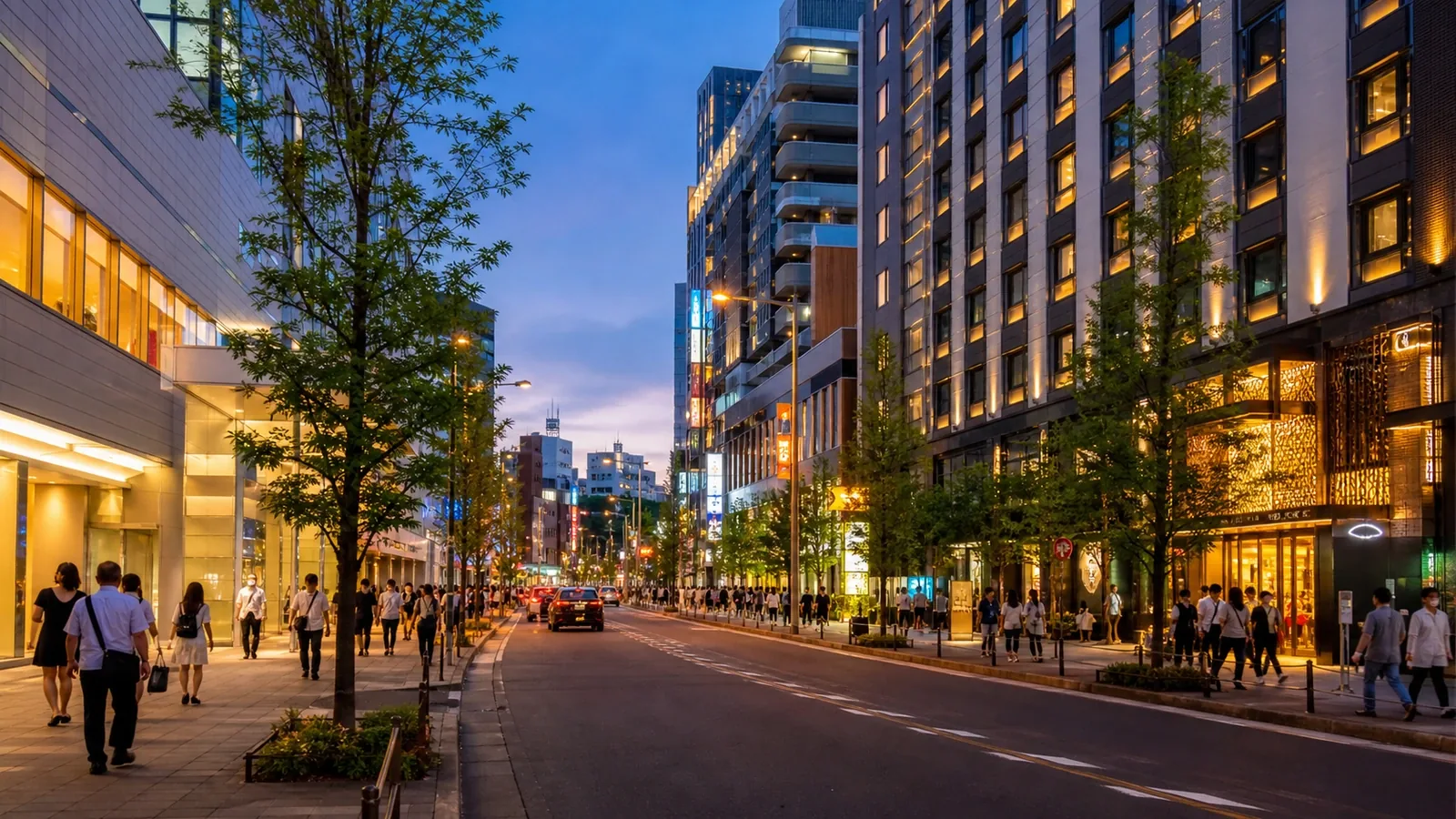
When deciding where to stay in Osaka, start with the kind of trip you want each day. Namba places you among neon signs, restaurants, and nightlife; Umeda makes day trips to Kyoto and Kobe easier; Honmachi offers calm without taking you away from the centre; Tennoji feels more local; and Universal City is convenient when the theme park is your priority. Broadly speaking, Osaka is organised around Kita, centred on Umeda, and Minami, structured around Namba and Tennoji. The best areas to stay in Osaka are well connected, but choosing the right station can save a surprising amount of time.
Compare locations and options to find a base that suits your trip. Booking.com confirms current availability and pricing.
Find accommodation on BookingNamba is the Osaka many people picture before they arrive: glowing signs, alleyways filled with the smell of food sizzling on hot griddles, restaurants open late into the night, and an energy that seems determined to resist silence. Dotonbori, Hozenji, Kuromon, and the Shinsaibashi shopping arcades are all within comfortable walking distance.
It is one of the best areas to stay in Osaka for a first visit, especially for travellers interested in food and nightlife, couples, groups of friends, and those arriving through Kansai Airport.
Namba Station connects to several Osaka Metro lines, as well as JR, Kintetsu, Hanshin, and Nankai services. Nankai provides a direct connection to Kansai Airport; according to the operator, the fastest service takes around 34 minutes, while the Airport Express takes approximately 45 minutes.
Central Namba can be exhausting. Around the Dotonbori canal, noise, crowds, and activity continue late into the night. Light sleepers should avoid the streets closest to the main nightlife venues and look for accommodation a few blocks away from the busiest area.
It is also worth examining the exact location carefully. “Namba” refers to a vast complex of stations and underground passageways, so a hotel that appears nearby may actually be quite far from the line you will use each day. Osaka Metro’s official website provides maps of station exits and accessible routes, which are particularly useful when travelling with luggage, a pushchair, or reduced mobility.
Verdict: the most complete area for experiencing Osaka’s food and nightlife, but not the quietest.
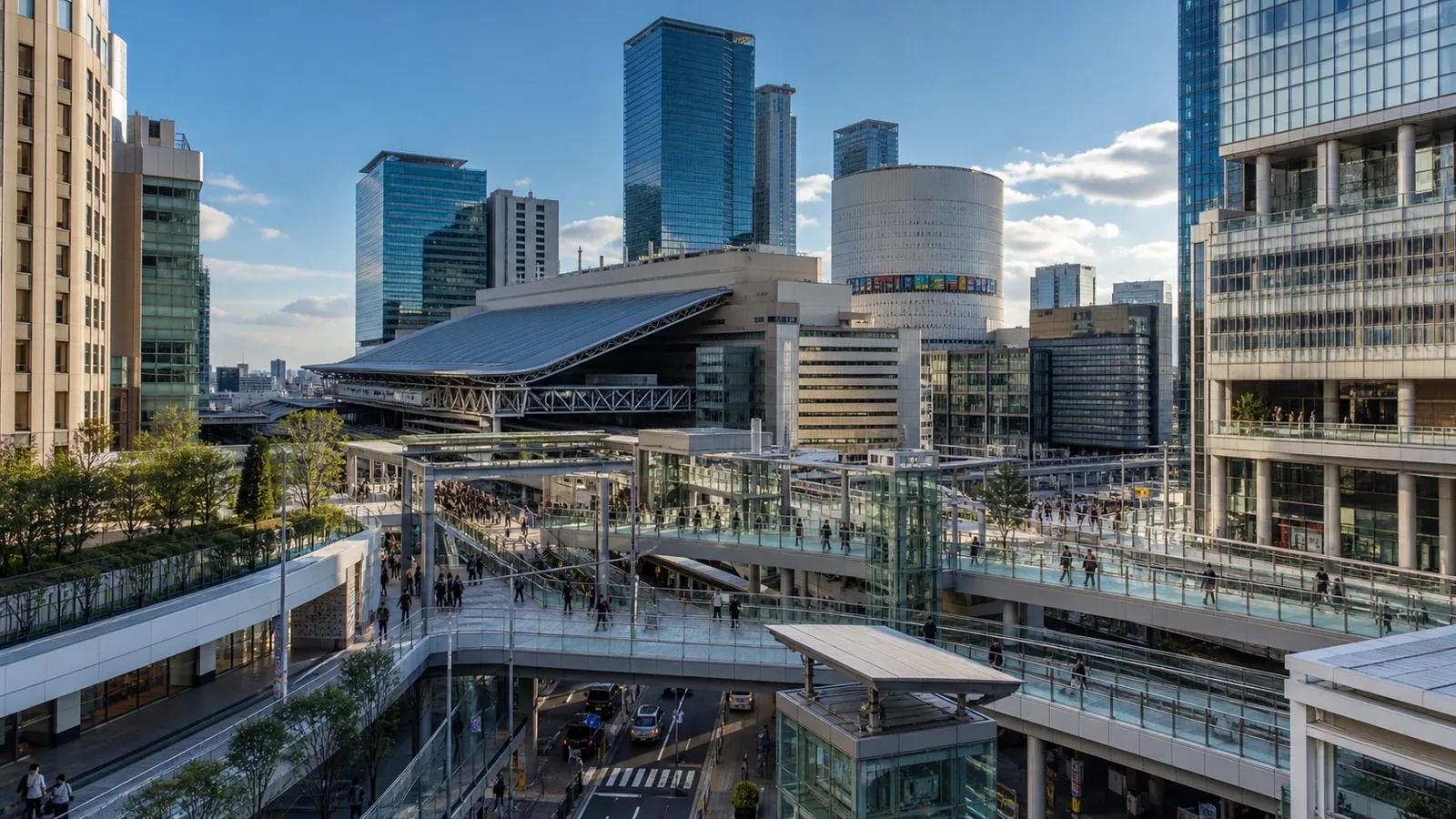
Umeda reveals a different side of the city. Here, light reflects off glass façades, department stores, and elevated walkways. Underground lies a maze of shopping centres, restaurants, and stations; above ground, Osaka feels more orderly, vertical, and contemporary.
Staying in Umeda is a good choice for frequent day trips to Kyoto, Kobe, or other destinations in Kansai, business travel, mid-range to upscale hotels, convenient rail connections, shopping, and a lively atmosphere without Dotonbori’s party scene.
The official tourism guide describes Umeda as one of Osaka’s major urban centres, while the metro network places one of the main stations on the Midosuji Line there—the backbone connecting the north and south of the city.
Umeda is efficient, but it does not always feel intimate. Its enormous stations can be confusing during the first few days, and much of its appeal is concentrated inside commercial buildings. Travellers looking for old alleyways, small bars, and a more down-to-earth atmosphere may feel more at home in Namba, Tennoji, or one of the city’s secondary neighbourhoods.
Verdict: the most practical option for travelling around Kansai, although less visceral than southern Osaka.
Located between Umeda and Namba, Honmachi is a business district that feels energetic during the working day and considerably calmer in the evening. It lacks Dotonbori’s visual spectacle and Umeda’s concentration of shops, but it offers easy access to both ends of the city centre.
Accommodation in Honmachi is well suited to couples who want a good night’s sleep without feeling isolated, travellers who value a central location, stays of several days, and those who prefer dining in lively neighbourhoods before returning to a quieter street.
The nearby Midosuji Line makes it easy to travel to Umeda, Shinsaibashi, Namba, and Tennoji. The Sakaisuji-Hommachi area, slightly farther east, combines good transport links with historic buildings and waterside walks.
Its main drawback is that it can feel too quiet at weekends. This is not the right area for travellers who want to step outside their hotel and immediately encounter Osaka at its most theatrical.
Verdict: possibly the most sensible choice for balancing rest, transport, and city life.
South of Namba, Tennoji combines temples, parks, shopping centres, and residential streets. The modern skyline of Abeno rises beside traditional corners, creating a less uniform and more everyday urban landscape.
Staying in Tennoji can work particularly well for families, travellers looking for a slightly calmer atmosphere, medium- or long-term stays, those who want to keep costs under control without staying too far away, and visitors who want to combine urban attractions with neighbourhoods where local life is still visible.
Tennoji is one of Osaka’s major transport hubs and is served by the Midosuji Line. The tourism office presents Tennoji and Abeno as one of the city’s representative areas, combining temples, parks, contemporary architecture, and relatively quiet residential districts.
However, it is important to check the map carefully. Some properties advertised as being in “Tennoji” are actually quite far from the main station. Travellers planning frequent trips to northern Kansai will also probably be better based in Umeda.
Verdict: a balanced and less overwhelming alternative to Namba, especially appealing to families and travellers on moderate budgets.
Staying near Universal Studios Japan makes sense when the park is the main purpose of the trip. Sleeping just a few minutes from the entrance allows you to arrive early, return easily with tired children, and avoid crossing the city after an intense day.
The bay area is home to family-friendly attractions, the aquarium, and several hotels associated with the park. Some properties are only a few minutes’ walk from Universal City Station.
As a base for exploring Osaka, however, it is less convenient. Evenings are quieter, the dining options are less varied than in Namba, and every trip to the central neighbourhoods requires additional travel.
A sensible solution is to spend one or two nights near the park and then move to Namba, Honmachi, or Umeda.
Verdict: excellent for a visit centred on Universal Studios, but limited for exploring the city in depth.
Shin-Osaka is a practical choice when arriving late, departing very early by bullet train, or planning numerous long-distance journeys. The station offers useful services, restaurants, and functional hotels.
However, it is not the neighbourhood that best represents Osaka. The atmosphere at night is considerably quieter than in Namba or Umeda, and public transport will be required for almost every tourist attraction.
Verdict: useful for a logistical overnight stay, but unnecessary as a base for a city break.
There is no need to rule out entire neighbourhoods in Osaka, but some locations are simply impractical.
Avoid accommodation that is too far from a station merely to save a small amount of money. After a full day of walking, an additional fifteen or twenty minutes can feel more demanding than expected, particularly in humid summer heat or on rainy days.
It is also worth thinking twice before booking beside the Dotonbori canal if you need peace and quiet, in the bay area if Universal Studios is not a priority, in Shin-Osaka if you want nightlife, in outlying areas without a direct connection to the Midosuji Line, JR Loop Line, or another useful route, or in apartments whose nearest station exit has no convenient lift, especially when travelling with heavy luggage.
For an urban stay, no. Umeda, Namba, and Tennoji are integrated into an extensive metro and rail network, and many of the most interesting areas are best explored on foot.
A car adds extra concerns: parking, traffic, tolls, and the need to navigate complicated streets and access roads. It only begins to make sense for rural itineraries or specific excursions beyond the rail network.
For a first visit, Namba provides the most immediate and recognisable Osaka experience.
For combining Osaka with Kyoto, Kobe, and other day trips, Umeda is usually the most efficient base.
For a good night’s sleep without sacrificing a central location, Honmachi is the most balanced alternative.
For families or travellers looking for a less intense side of Osaka, Tennoji and Abeno deserve consideration.
For a trip dedicated to Universal Studios Japan, the bay area saves time and energy.
The best area to stay in Osaka is not necessarily the most famous one, but the neighbourhood that reduces your daily journeys. In such a well-connected city, staying beside the right station can improve your trip more than a room with a better view.
Discover selected experiences in Osaka to complete this guide with local culture, food, sightseeing and well-organised day trips.
Activity on TourBookGoBook an Amanohashidate and Ine day trip from Kyoto or Osaka with transport, a guide and optional Ine Bay cruise and viewpoint access.
 Activity on TourBookGo
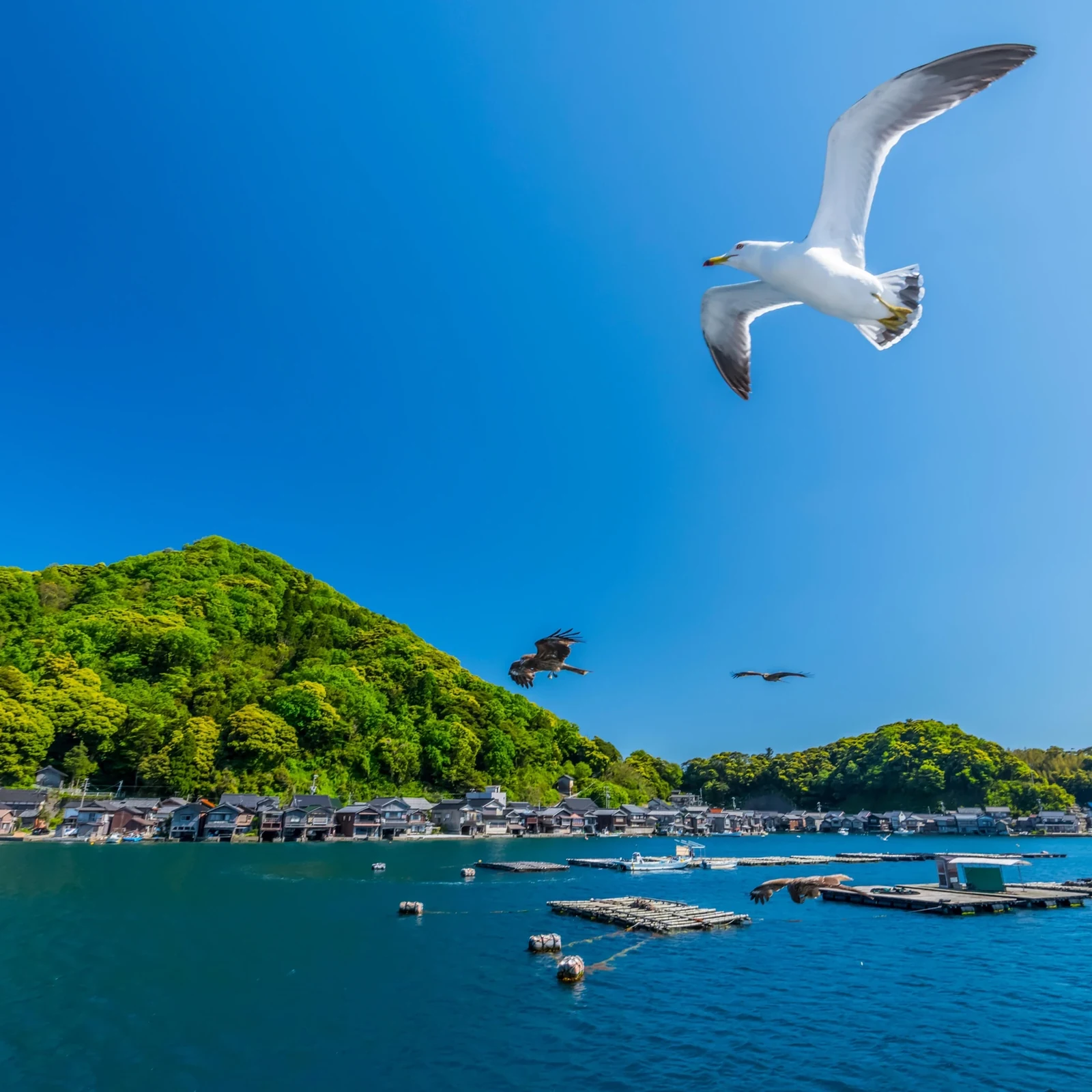
Book an Amanohashidate, Ine and Miyama day trip from Kyoto or Osaka with organised transport and optional Ine Bay cruise and cable car.
 Activity on TourBookGo
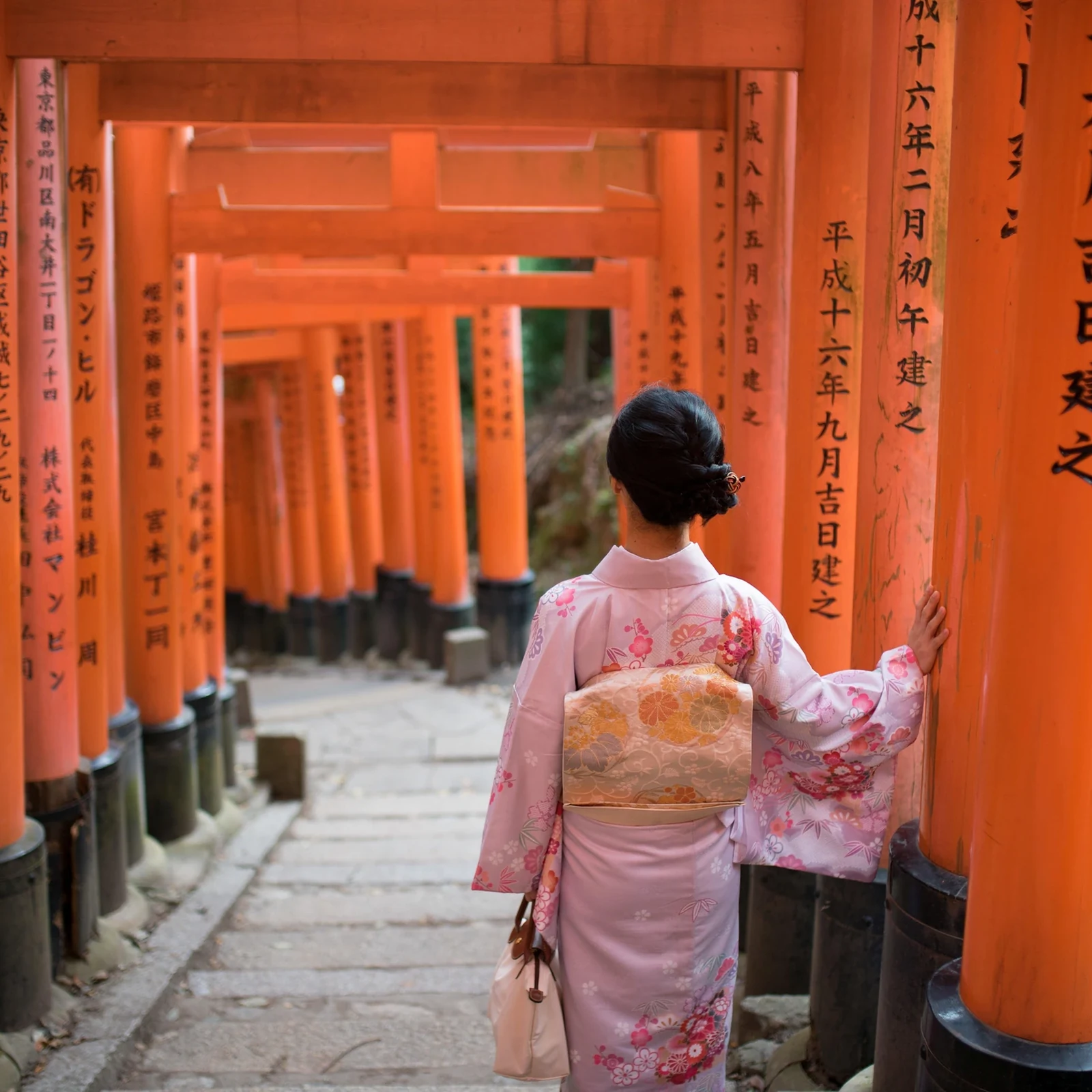
Book a Nara, Arashiyama and Fushimi Inari day trip from Osaka or Kyoto, with a bilingual guide, air-conditioned transport and free time.