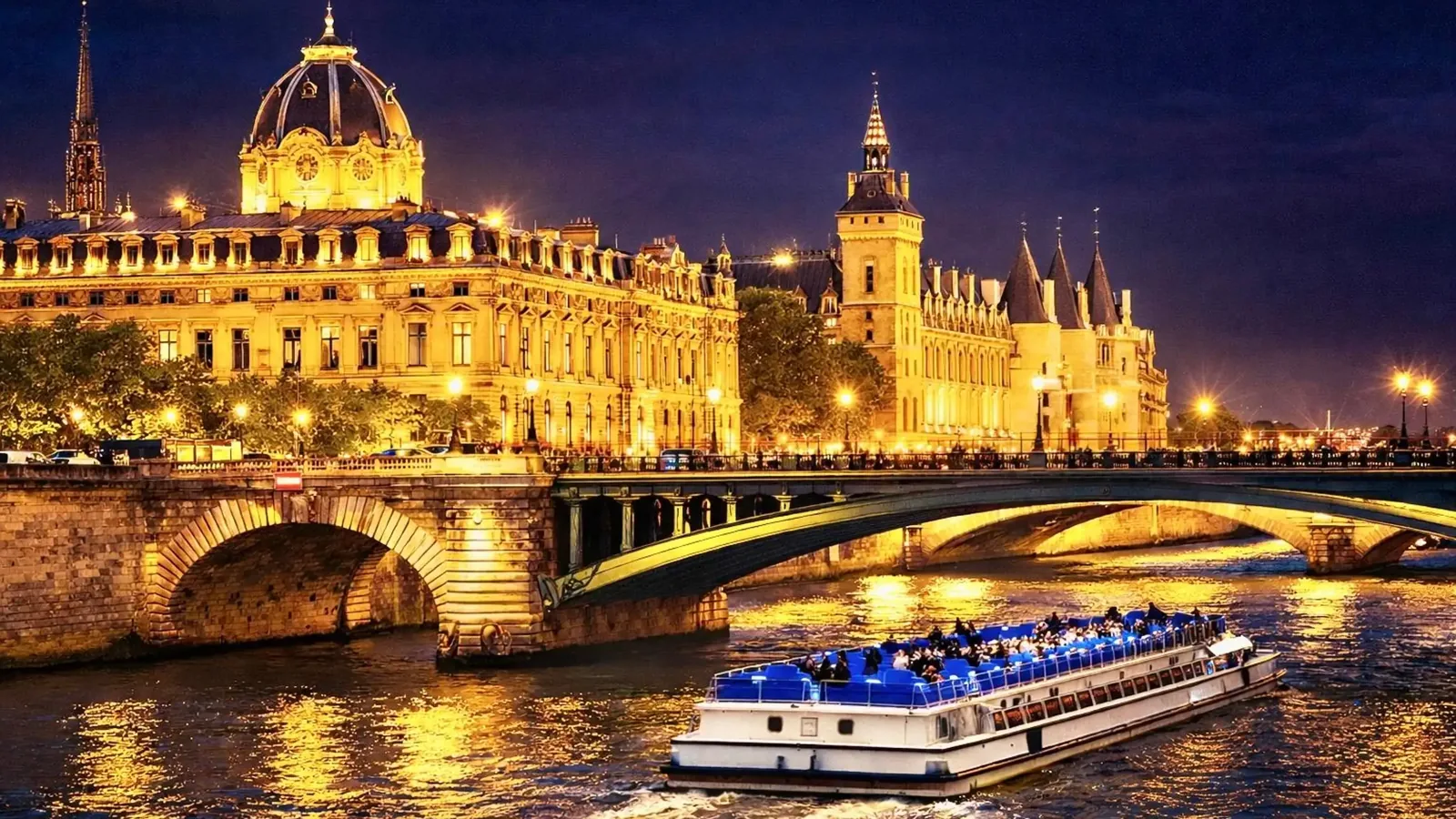


Book Eiffel Tower reserved access with a local host, lift to the second floor and summit option depending on the package. From EUR 29 per person.
View experienceHow to plan a Paris itinerary without wearing yourself out
The smartest approach is to group visits by area. The Louvre naturally pairs with the Tuileries, the Palais Royal and the Opéra. Notre-Dame is best understood together with the Sainte-Chapelle, the Île de la Cité and the Latin Quarter. The Eiffel Tower fits well with Les Invalides, the Seine and the Musée d’Orsay. Montmartre deserves its own pace, because rushing up to its cobbled streets takes away almost all its charm.
The metro helps a great deal, but Paris reveals itself on foot. The public transport network covers the city well, with the metro and RER generally running from morning until after midnight on weekdays, and later on Fridays, Saturdays and the eve of public holidays. Even so, the best plan is often a balance of short transport hops and carefully chosen walks.
The smartest approach is not to add more visits, but to group the ones that make sense by area, atmosphere and energy.
Paris in 1 day: an intense route, but a possible one
With just one day in Paris, it is worth accepting one truth: you are not going to see all of Paris; you are going to take away a powerful first impression. Start early on the Île de la Cité, around Notre-Dame. The cathedral is free to enter during opening hours, and a free reservation can help reduce waiting times, although it should not be bought through intermediaries.
Then cross over to the Sainte-Chapelle or walk along the Seine towards the Louvre. Going inside the Louvre on a one-day visit is only worthwhile if you have a very specific work or room in mind; otherwise, it can swallow up the whole day. The museum closes on Tuesdays and requires careful planning around your entry time.
In the afternoon, cross the Tuileries, take in the Place de la Concorde and continue along the axis of the Seine. Finish at Trocadéro or the Champ de Mars to watch the Eiffel Tower change tone with the light. Going up the tower can be exciting, but it is not always the best choice if you only have one day: queues and security checks take time. The tower itself recommends buying tickets in advance to avoid the ticket office, and the experience is quite different by day and by night.
This Paris in 1 day route is ideal for a long layover or a very short first visit. It may disappoint anyone expecting quiet museums, local neighbourhoods and leisurely dinners, but it works well if you want a clear feel for monumental Paris.
Going inside the Louvre or up the Eiffel Tower can take more time than it gives back if you only have one day.
Paris in 2 days: monuments, art and Montmartre
With two days, Paris starts to breathe a little more. The first day can follow the classic route: Notre-Dame, Sainte-Chapelle, the Louvre from the outside or inside, the Tuileries, the Seine and the Eiffel Tower at the end of the day.
The second day should belong to Montmartre in the morning. Arriving early lets you see the hill before it fills with groups, persistent portrait artists and terraces aimed too squarely at tourists. The Sacré-Cœur basilica is impressive, but the best of it lies in the side streets: stairways, green shutters, small bakeries, ivy-covered façades and corners where you can still glimpse the Paris of studios and cabarets.
In the afternoon, head down towards the Opéra Garnier or change the atmosphere in Le Marais. The Marais works well for wandering without a rigid goal: squares, small shops, courtyards, galleries, falafel, bookshops and aristocratic façades. It is a beautiful area, but not a secret one; at weekends it can be crowded enough to feel uncomfortable.
Paris in 3 days: the most balanced itinerary
Three days is perhaps the minimum time needed to feel Paris without experiencing it as a chase. It gives you enough room to combine icons, museums and neighbourhoods without depending on one exhausting route.
Day 1: monumental Paris. Île de la Cité, Notre-Dame, Sainte-Chapelle, the banks of the Seine, the Louvre and the Tuileries. If you go inside the Louvre, do not try to do it all. Choose a short route and leave before fatigue spoils the experience.
Day 2: Montmartre, the Opéra and the passages. Devote the morning to Montmartre, then head down towards Pigalle, the Opéra Garnier and the covered passages. This route shows a Paris that is theatrical, commercial and slightly melancholy, with old shopfronts, gilded cafés and an elegance that sometimes seems to live off its own reflection.
Day 3: Orsay, Saint-Germain and the Latin Quarter. The Musée d’Orsay is one of the best choices for anyone who loves painting, architecture and a more human scale than the Louvre. It is open from Tuesday to Sunday, closes on Mondays and has late-night opening on Thursdays.
Afterwards, cross over towards Saint-Germain-des-Prés, the Luxembourg Gardens and the Latin Quarter. It is a day that looks less spectacular at first glance, but feels more Parisian in texture: bookshops, sober churches, students, cinemas, terraces and streets where the trip becomes less like a postcard.
Paris in 3 days lets you balance icons, museums and neighbourhoods without turning the city into a checklist.
Paris in one week: a complete and more honest route
A week lets you mix the great icons with neighbourhoods where Paris feels more like a lived-in city. It is the right amount of time to slow down, repeat a favourite walk and leave space for one major day trip.
Day 1: Île de la Cité, Notre-Dame, Sainte-Chapelle, a walk along the Seine and a simple dinner near the Latin Quarter.
Day 2: Louvre, Tuileries, Palais Royal and Opéra. A perfect day for understanding imperial and museum-minded Paris, although it can feel heavy if you do not take breaks.
Day 3: Musée d’Orsay, Les Invalides, Pont Alexandre III and the Eiffel Tower at sunset.
Day 4: Montmartre in the morning, Pigalle with a critical eye, and a quiet afternoon in the covered passages or around the Grands Boulevards.
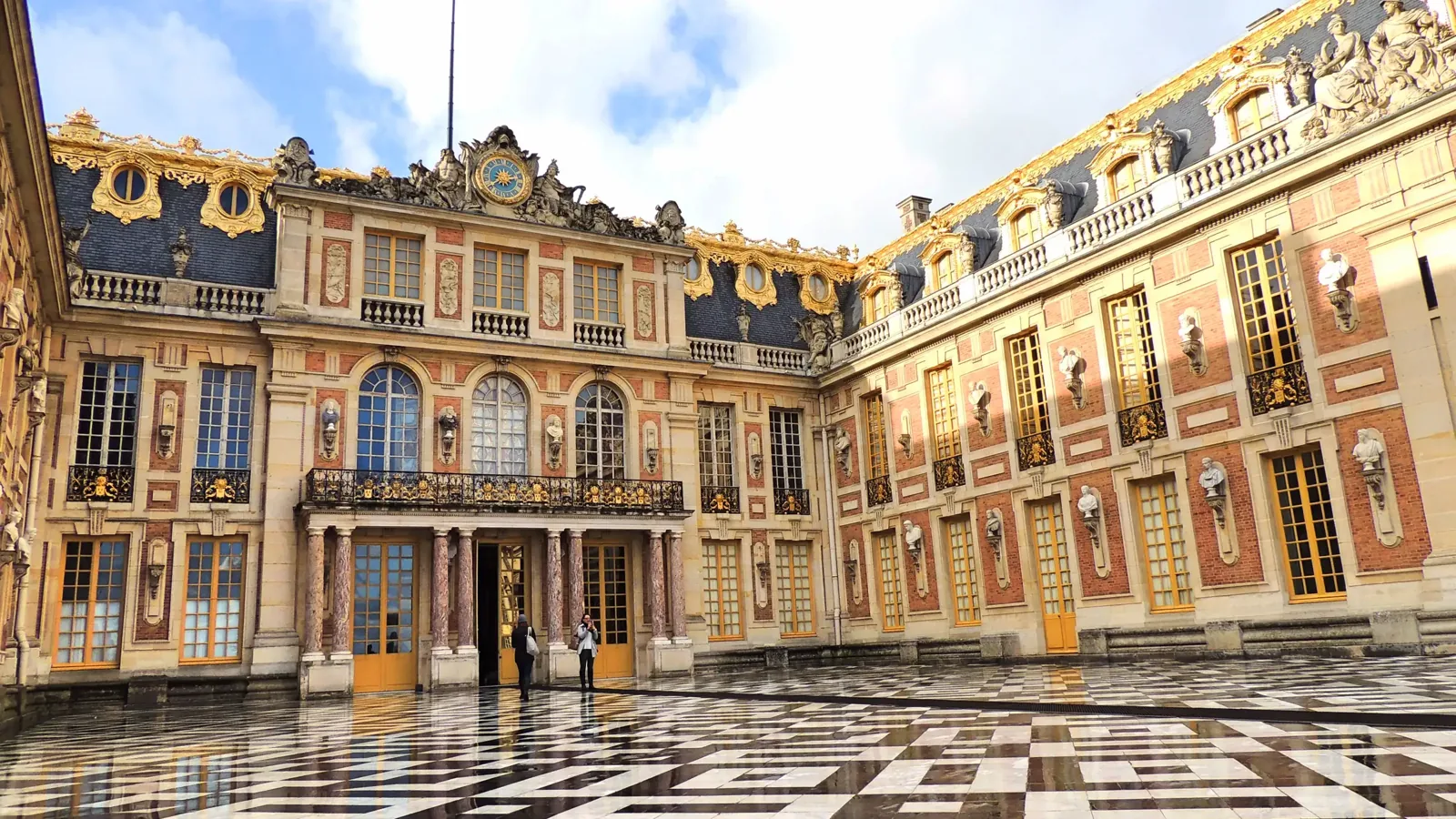
Day 5: Versailles. Do not treat it as a quick outing: the palace, the gardens and the Trianon Estate require time and energy. The Palace of Versailles is open every day except Monday, and all visitors must book a time slot to enter the palace.
Day 6: Le Marais, Place des Vosges, Bastille and Canal Saint-Martin. This is a day for eating better, walking more slowly and seeing a less monumental city.
Day 7: Choose according to your personality: Père-Lachaise and Belleville for a rougher, more local Paris; the Fondation Louis Vuitton and the Bois de Boulogne for architecture and greenery; or a second excursion if you would rather leave the city.
Versailles deserves a separate day, not a gap stolen between two museums.
Logical combinations that work well
The Louvre, the Tuileries and the Palais Royal make for an elegant, compact route. Notre-Dame, the Sainte-Chapelle and the Latin Quarter allow for a historical day without major transfers. The Eiffel Tower, Les Invalides and Orsay make sense because they are close to one another and visually contrasting. Montmartre combines better with the Opéra than with the Eiffel Tower, even though many commercial itineraries force that pairing. Versailles deserves a separate day, not a gap stolen between two museums.
Mistakes worth avoiding
The first mistake is booking too many timed visits. Paris needs structure, yes, but also room to get a little lost. The second is eating right in front of the major monuments without looking anywhere else: you will often pay for the location more than for the food. The third is assuming everything is close because it is on the map. Paris invites you to walk, but it punishes bad shoes and unrealistic plans.
It is also worth keeping expectations in check. Paris can be expensive, noisy, grey, damp and overcrowded. Some very famous neighbourhoods feel more like tourist sets than local life. And yet, when evening falls over the Seine or some ordinary street smells of warm bread, the city recovers a beauty that is hard to argue with.
Paris invites you to walk, but it punishes bad shoes and unrealistic plans.
Best itinerary by type of traveller
For a first visit, prioritise Notre-Dame, the Seine, the Louvre, the Eiffel Tower, Montmartre and Orsay. For art lovers, spread the weight between the Louvre, Orsay, the Orangerie and a smaller gallery or two. For couples, fewer museums and more sunset walks. For families, alternate monuments with gardens, Seine boat rides and short visits. For returning travellers, the best of Paris is often far from the classic list: Belleville, Buttes-Chaumont, Canal Saint-Martin, markets, cemeteries, bookshops and neighbourhoods where the city stops performing for the camera.
When the experience changes most
Spring and autumn tend to offer Paris at its most pleasant: beautiful light, reasonable temperatures and enjoyable walks. Summer brings long days, but also heat, high prices and bigger crowds. Winter can be damp and dark, although the museums, cafés and illuminated streets have a special intimacy. Paris is not the same in the rain as it is beneath the green plane trees of June; that is why the best itinerary depends not only on the number of days available, but also on the season and on the traveller’s pace.