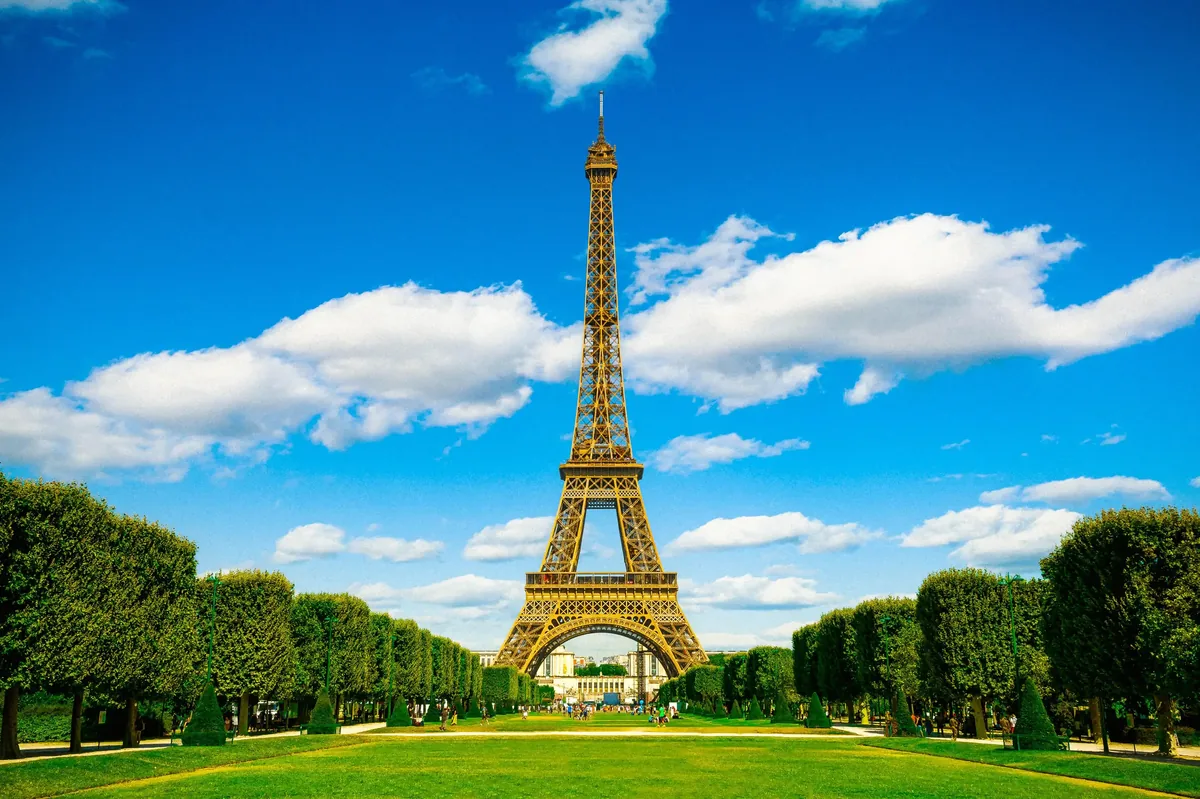
 Activity on TourBookGo
Eiffel Tower guided tour with organised access and Paris views
Book an Eiffel Tower guided tour with an English-speaking guide, lift access to the second floor or summit, and optional Seine River cruise.
Safety in Paris for tourists is generally good, but the city rewards awareness. Its beauty sits alongside pickpockets, tourist scams, busy stations, occasional protests and visible security in crowded places.
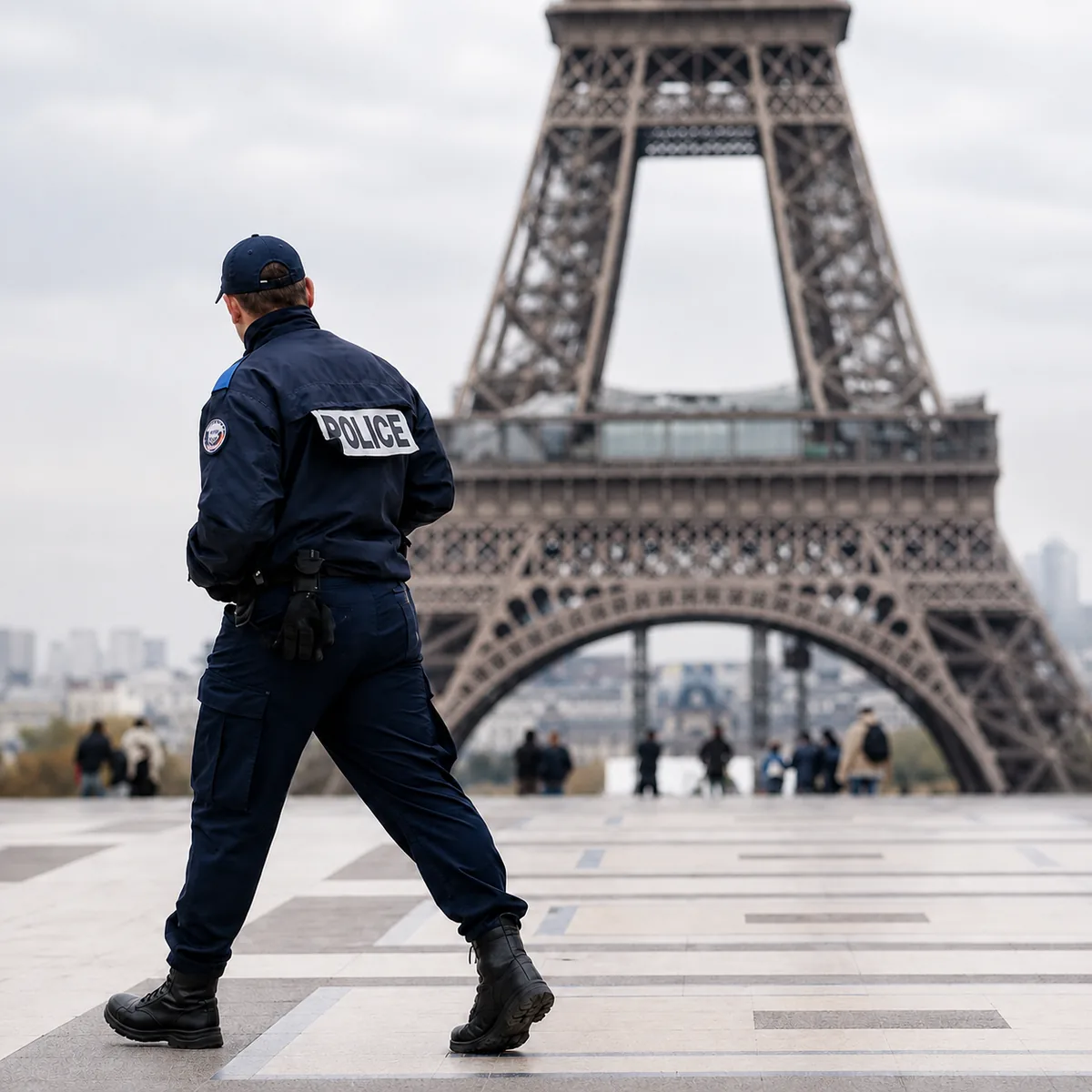
Safety in Paris for tourists should not stop you from going, but it should help you plan better. Paris is a major capital: beautiful, intense and constantly visited. Between the bridges over the Seine, cream-coloured façades and cafés glowing as evening falls, there are also pickpockets, tourist scams, crowded stations and moments when it pays to stay alert. There is no need to travel in fear, but nor should you keep your wallet in your back pocket or leave your phone on a café terrace table. To visit Paris with more peace of mind, focus on the real risks: petty theft, distractions on the metro, unofficial taxis, crowds around monuments and areas where you should be more careful, especially with luggage or when returning late at night.
Compare locations and options to find a base that suits your trip. Booking.com confirms current availability and pricing.
Find accommodation on BookingNot in the way many people imagine. The average traveller is unlikely to face serious violence, but rather opportunistic crime: someone opening a backpack on the metro, a distraction on an escalator, a fake signature request for a supposed charity petition, or a bracelet that begins as a friendly gesture and ends as pressure to pay.
The city is far more enjoyable when understood this way: Paris does not require paranoia, but awareness. Walking around Saint-Germain, Le Marais, Île Saint-Louis, the Latin Quarter or along the banks of the Seine is usually a pleasant and peaceful experience. The major tourist flows, however — the Eiffel Tower, the Louvre, Montmartre, the Champs-Élysées, train stations and heavily used metro lines — call for sharper, more practical vigilance.
Pickpocketing in Paris is the most common problem for visitors. It tends to happen where there are crowds, rush and distraction: packed carriages, platforms, monument entrances, queues, busy terraces and connections between the metro, RER and train stations.
The scene repeats itself: a packed carriage, a narrow entrance, someone pushing, someone else asking a question, an open backpack. It is not violence; it is choreography. That is why it is wise to wear a crossbody bag, keep your backpack in front of you in crowds, separate your ID from your bank cards and keep your phone firmly in hand, not on the edge of a table or in an outer pocket.
This is not about avoiding Paris, but about reading it well. Major stations such as Gare du Nord, Gare de l’Est, Châtelet-Les Halles and routes to the airports can feel confusing and tense, especially with luggage. In these places, it helps to walk with purpose, check your route before arriving and keep bags, phones and suitcases in sight.
Around heavily visited monuments, it is also worth staying alert: not because these areas are necessarily dangerous, but because they attract thousands of distracted visitors. Where there are cameras, queues, open maps and excitement, there is also opportunity for those who make a living from other people’s carelessness.
Paris tourist scams are usually simple and fast: fake petitions to sign, “free” bracelets, shell games, supposedly found rings lying on the ground, people offering insistent help at ticket machines or unofficial taxis at airports and stations. The goal is almost always to distract you, pressure you or make you pay more than you should.
The most elegant rule is also the most effective: if someone invades your space too insistently, smile less, say even less and keep walking. For taxis, use official ranks, reliable apps or recognised services, especially when arriving with luggage.
Yes, in many areas, but Paris changes texture after dark. Some neighbourhoods become almost cinematic — lights over the Seine, full terraces, golden shop windows — while others, with a mix of alcohol, empty streets and lonely stations, call for more caution.
To get back late, especially if you are travelling alone, it is better to use main routes, avoid closed parks or overly deserted streets, and take an official taxi or ride-hailing service if your accommodation is far from the metro. When leaving bars and clubs, watch your drink, keep your glass in sight and avoid accepting drinks from strangers.
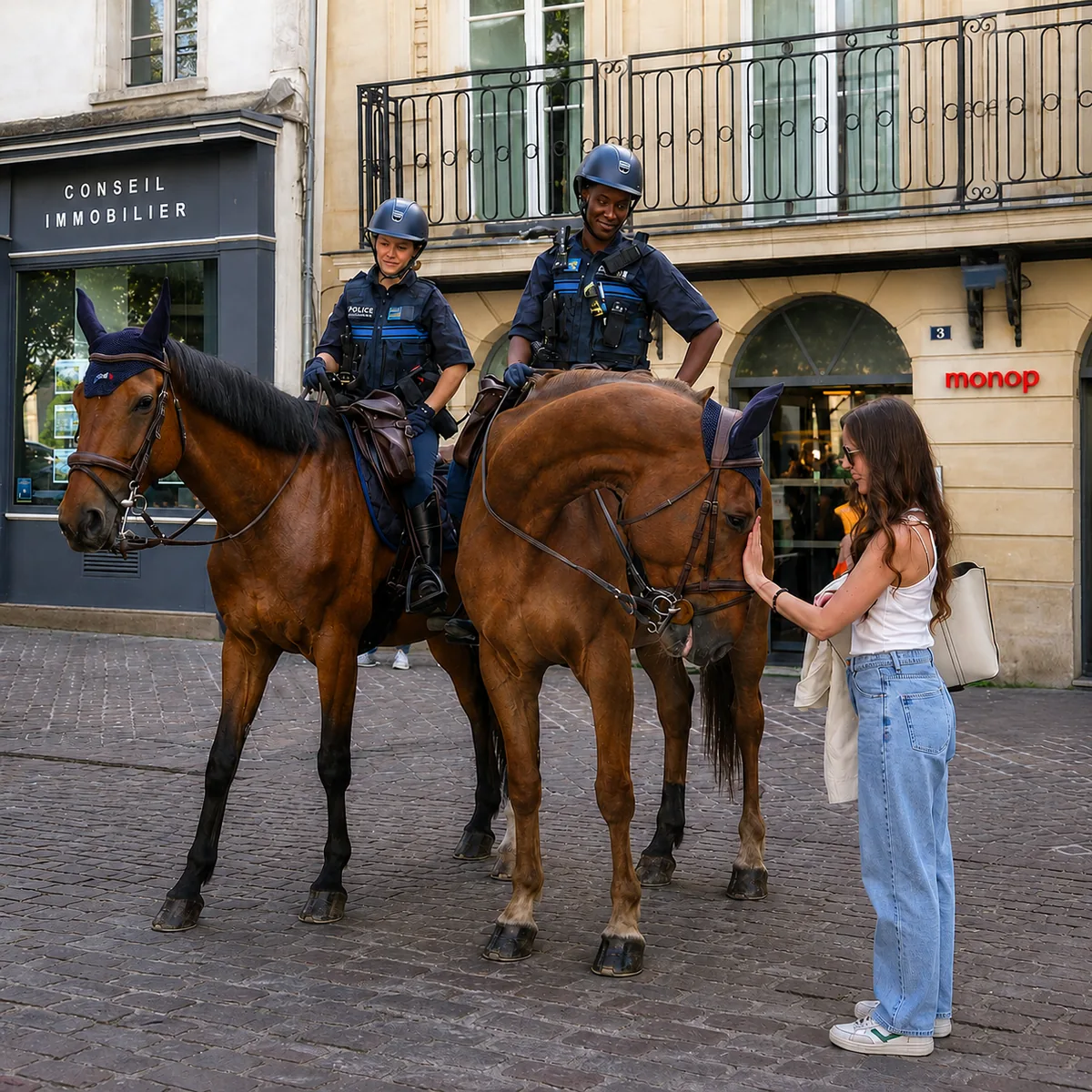
Paris can be a good city for solo female travellers: it has extensive transport, walkable neighbourhoods, plenty of cultural life and accommodation for every style. But it should not be idealised. In some areas there may be staring, comments or street harassment, especially at night or near stations.
The best strategy is to choose your accommodation carefully, not sacrifice location just to save a few euros and avoid walking back through empty streets if you have been out late. Le Marais, Saint-Germain, central parts of the Latin Quarter, lively areas around Bastille, and quieter parts of the 9th and 15th arrondissements are often comfortable choices for a first visit, always with the usual judgement required in any major capital.
For families, Paris is safe, but it can be exhausting. The main risk is usually not physical danger but fatigue: metro stairs, difficult pushchairs, queues, crowds and small restaurants. In very busy areas, children should always remain visible, especially in stations and at monument entrances.
It is worth carrying a card with the hotel name, agreeing on a meeting point in case you get separated and avoiding carrying too much. Paris rewards families who slow down: a garden, a boulangerie, a short walk along the Seine can be worth more than three museums in one day.
France maintains a high level of vigilance, and in Paris it is normal to see security checks, police or military patrols in sensitive public spaces. At museums, stations, events, shopping centres or places of worship, controls are part of everyday life in a major European capital.
This does not mean you should cancel your trip, but it does mean travelling with flexibility. Strikes and demonstrations can disrupt transport, close streets or change plans at short notice. Check local updates before important journeys and leave extra time if you have tickets, trains or flights.
The first mistake is keeping everything together: passport, cards, cash and phone in the same bag. The second is letting your guard down on the metro because “it’s only two stops”. The third is staying far from everything without checking late-night transport connections properly. The fourth is accepting unsolicited help at ticket machines or improvised taxis outside the airport.
It is also a mistake to see Paris only through fear. If you travel with prudence, the city opens up with a delicacy that is hard to forget: the smell of butter in the morning, grey rooftops after the rain, a lit-up bookshop on a narrow street, the sudden silence of a church between two noisy avenues.
Yes, Paris is worth it for those who accept that it is a real major capital, not a postcard without shadows. It is recommended for lovers of art, architecture, gastronomy, urban walks and travel layered with history. It may disappoint anyone expecting a city that is clean, kind and romantic at every moment; Paris can be expensive, brusque, overcrowded and occasionally uncomfortable.
Safety should not stop you from travelling, but it should shape the trip. With well-chosen accommodation, an attentive attitude on transport, care around scams and flexibility in the face of strikes or security checks, Paris can be enjoyed calmly. It is not a city where you should completely lower your guard; it is a city to walk through wide awake.
Discover selected experiences in Paris to complete this guide with landmarks, museums, food, Seine cruises and well-organised day trips.
Activity on TourBookGoBook an Eiffel Tower guided tour with an English-speaking guide, lift access to the second floor or summit, and optional Seine River cruise.
 Activity on TourBookGo
Book a Notre-Dame guided tour with separate entrance, exterior and interior visit, expert commentary, and personal audio. Check times, languages, and price.
 Activity on TourBookGo
Discover whether this reserved-entry Louvre guided tour is worth it, with the Mona Lisa, a licensed guide, headsets, pricing and practical booking tips.