

Book Eiffel Tower reserved access with a local host, lift to the second floor and summit option depending on the package. From EUR 29 per person.
View experienceWhat to do in Paris with the classics: yes, but with realistic expectations
The Eiffel Tower remains the great visual symbol of Paris. Going up can be worth it if it is your first visit, if you are travelling with children or if you have dreamed of that panoramic view for years. But it is not always the most poetic experience: there are usually crowds, security checks and a distinctly touristy feel.
Sometimes the best experience is to see it from Trocadéro at sunset, walk across towards the Champ de Mars and watch the city change colour as the structure gradually lights up.
The Louvre is vast, fascinating and exhausting if approached in the wrong way. The museum itself recommends preparing your visit and checking the practical information before you go; it is also open every day except Tuesdays, with access conditions and room closures that may vary.
The usual mistake is trying to see it all. It is much better to choose one area, period or set of specific works. The Mona Lisa draws crowds; some less famous rooms, by contrast, offer a much more intimate and memorable experience.
Notre-Dame has once again welcomed visitors after years of restoration, according to the cathedral’s official website. The visit can still be in high demand, so it is worth going with patience and avoiding the expectation of a completely silent experience.
The Île de la Cité, even with tourists, retains a special intensity: ancient stone, bridges, views of the Seine and the feeling of standing at the historic heart of Paris.
The usual mistake with the major icons is trying to do everything; it is better to choose wisely and save energy for looking.
Paris neighbourhoods to wander through slowly
Le Marais combines private mansions, hidden courtyards, shops, cafés, galleries and lively streets. It is one of the most enjoyable Paris neighbourhoods for a stroll, although it can be very crowded at weekends. It is worth it if you like mixing history, shopping, simple food and urban architecture.
Saint-Germain offers a more literary Paris: classic cafés, bookshops, elegant façades and a refined atmosphere. The Latin Quarter has a more student-like, disorderly energy, with lively streets around the Sorbonne and the Panthéon.
Here, the best plan is not to rush, but to walk, step into a bookshop, cross over to the Luxembourg Gardens and let Paris become less monumental and more everyday.
Montmartre can be beautiful at dawn and exhausting by midday. The area around the Sacré-Cœur and Place du Tertre is usually very crowded, but if you move a little further away, you find sloping streets, ivy-covered façades, quiet stairways and traces of the old artistic village on the hill.
Paris museums and culture beyond the obvious
The Musée d’Orsay is a great alternative for those who prefer a more manageable visit than the Louvre, especially if they are interested in 19th-century painting, sculpture and decorative arts collections.
The Musée de l’Orangerie, with Monet as its great star, works very well for a shorter, more contemplative experience.
To understand the city’s history, the Musée Carnavalet is an excellent and less overwhelming option; it is dedicated to the history of Paris and is located in Le Marais.
Free or almost free things to do in Paris
Paris can also be enjoyed without spending money on every corner. Walking along the Seine, crossing the Pont Neuf, exploring the Luxembourg Gardens, climbing up to Montmartre, getting lost in Le Marais or window-shopping in Saint-Germain are experiences that require no ticket.
The city reveals itself beautifully on foot: in the reflections on the river, the zinc rooftops, the small terraces, the neighbourhood markets and those moments when you stop chasing monuments and start looking.
What to do in Paris when it rains
Rain does not ruin Paris; it simply changes its rhythm. Paris in the rain is a good time for museums, cafés, bookshops, churches and covered passages. The passages couverts have a discreet beauty: glass roofs, mosaic floors, old shopfronts and an atmosphere from another century.
On grey days, it is best to reduce your itinerary. Paris in the rain does not call for haste, but for well-chosen refuges.
On rainy days, reduce the itinerary and choose refuges well: museums, cafés, bookshops, churches and covered passages.
Paris with children, as a couple or at night
With children, the Eiffel Tower, boat trips on the Seine, gardens with play areas, crêpes and short cultural visits work well. The Louvre can be too intense if planned as a long day.
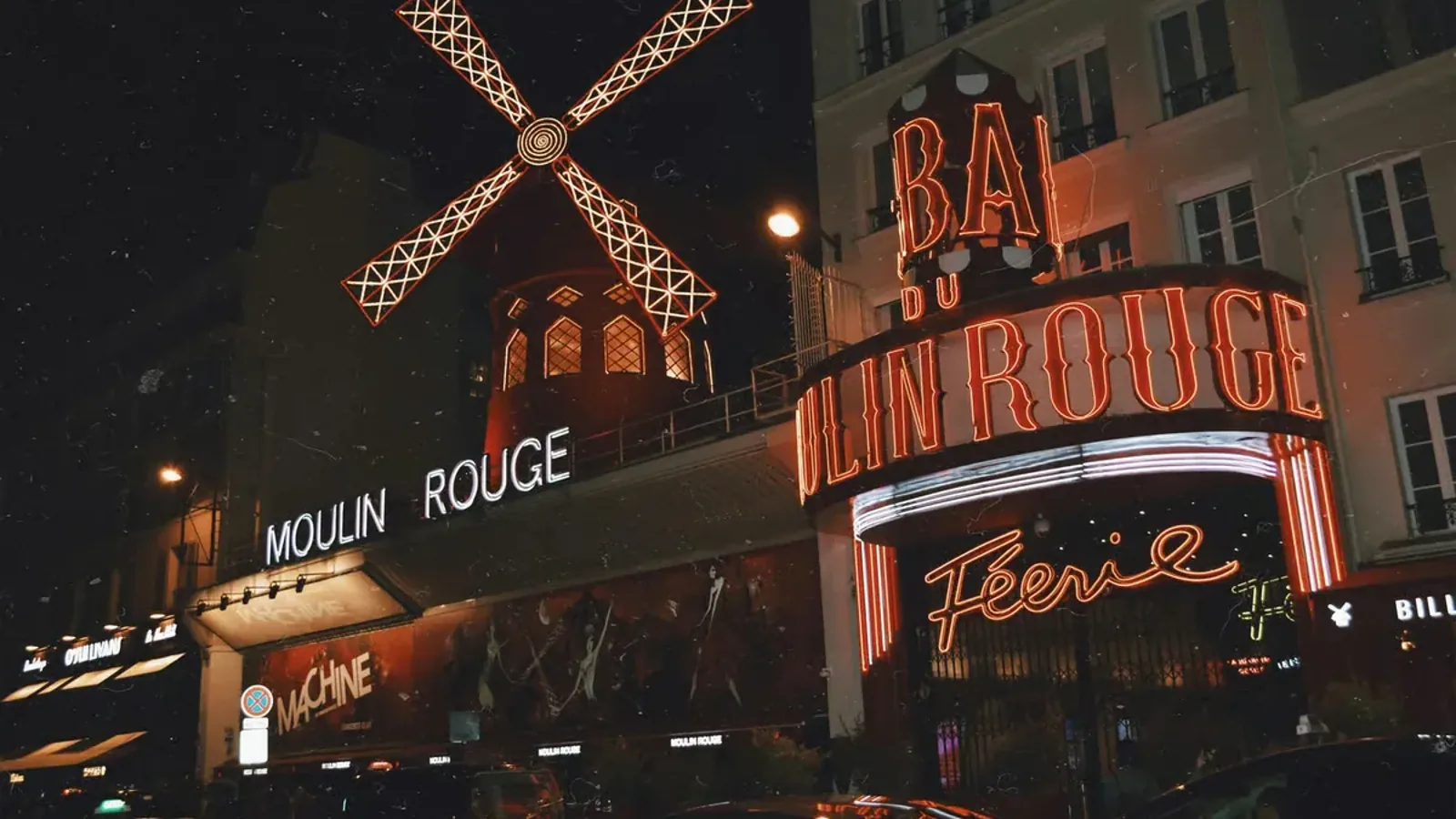
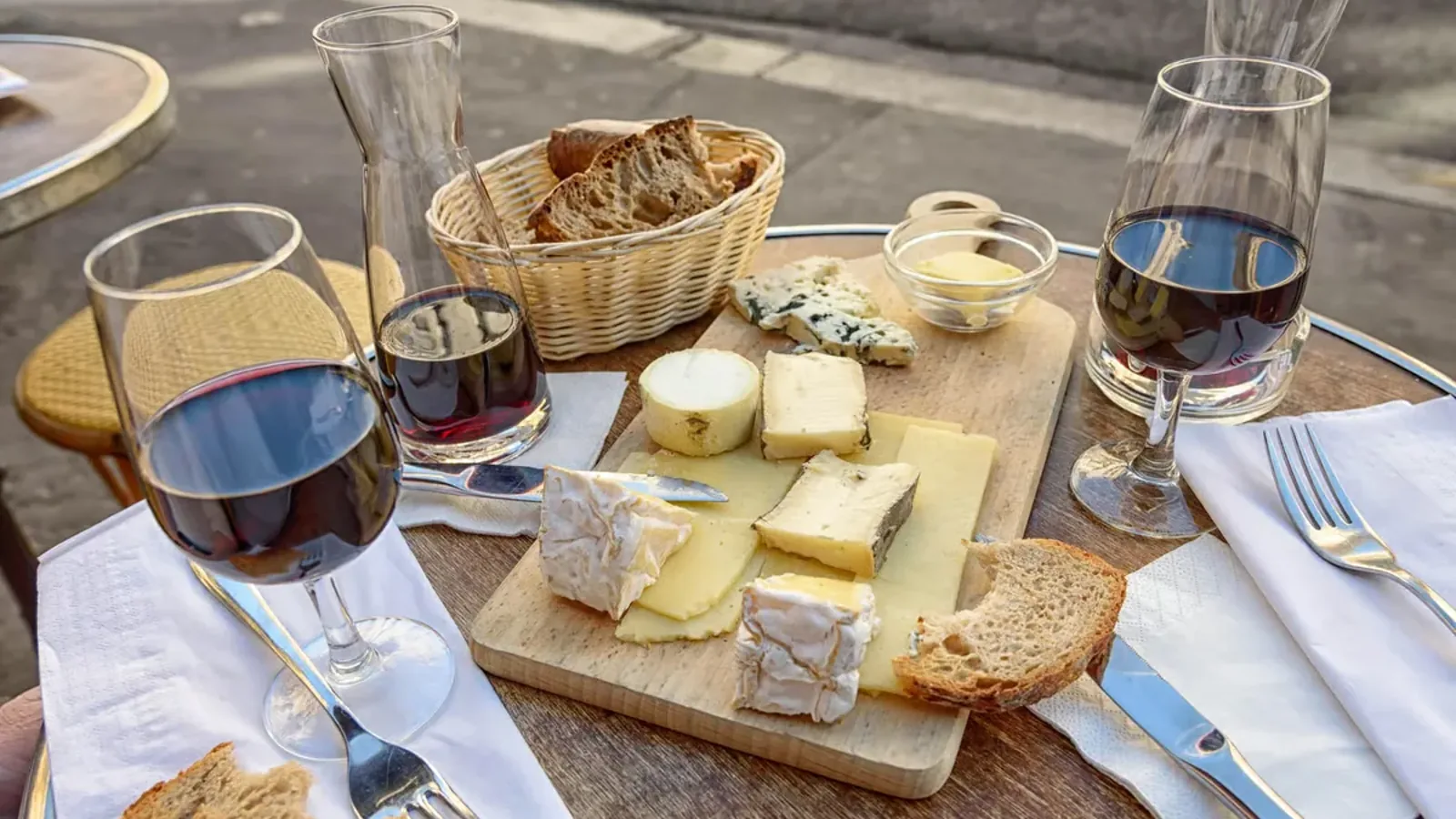
As a couple, Paris still has power: a night walk along the Seine, Montmartre early in the morning, a quiet dinner away from tourist menus or an afternoon in the Luxembourg Gardens can be more romantic than any overly planned activity.
At night, the city is beautiful, but not all of Paris looks like a film. It is worth moving around sensibly, avoiding deserted areas if you do not know them and not being too complacent in very touristy areas.
Day trips from Paris
Versailles is the classic grand day trip from Paris: magnificent in scale, history and gardens, but also very crowded. It is worth it if you enjoy palaces and courtly architecture; it can be tiring if you are looking for intimacy.
Disneyland Paris works for families or theme park lovers, although it is not a Parisian experience in the strict sense. Giverny, in the right season, offers a gentler, more painterly outing linked to Monet’s world.
What can disappoint when you visit Paris
Paris disappoints when it is too idealised. There are queues, high prices, mediocre restaurants near the monuments, overcrowded areas and days when traffic or rain breaks the fantasy. It also disappoints if you try to see twenty things in two days.
The best way to enjoy it is to accept its imperfections. Choose less. Walk more slowly. Save your energy for looking.
Paris disappoints if you try to see twenty things in two days; the best way to enjoy it is to accept its imperfections.
What to do in Paris on a first visit
A balanced first visit might include seeing the Eiffel Tower from Trocadéro, a walk along the Seine, the Louvre or the Musée d’Orsay, Notre-Dame and the Île de la Cité, Le Marais, Montmartre early in the morning, the Luxembourg Gardens and a simple dinner in a less touristy neighbourhood.
Paris is worth it for travellers who love art, architecture, history, food and cities that reveal themselves on foot. It may not be the best choice for those seeking tranquillity, low prices or an easy getaway with no planning.
When you get the rhythm right, Paris still has something hard to imitate: the feeling that beauty lies not only in its monuments, but in the way the city breathes between them.