

Book Eiffel Tower reserved access with a local host, lift to the second floor and summit option depending on the package. From EUR 29 per person.
View experienceWhy Paris is worth visiting
Paris does not live on its monuments alone. The Eiffel Tower, Notre-Dame, the Louvre, Montmartre and the Arc de Triomphe are all part of the collective imagination, but the city’s true power lies in the way those icons appear amid everyday scenes: a bakery opening at dawn, the trees lined up along the Seine, a couple reading in the Luxembourg Gardens, the clatter of plates in an old brasserie.
Paris has also regained one of its most symbolic presences: Notre-Dame has welcomed visitors again after years of restoration, bringing back to the historic centre an emotion that many travellers had missed.
Notre-Dame de Paris
The best of Paris when you do not rush
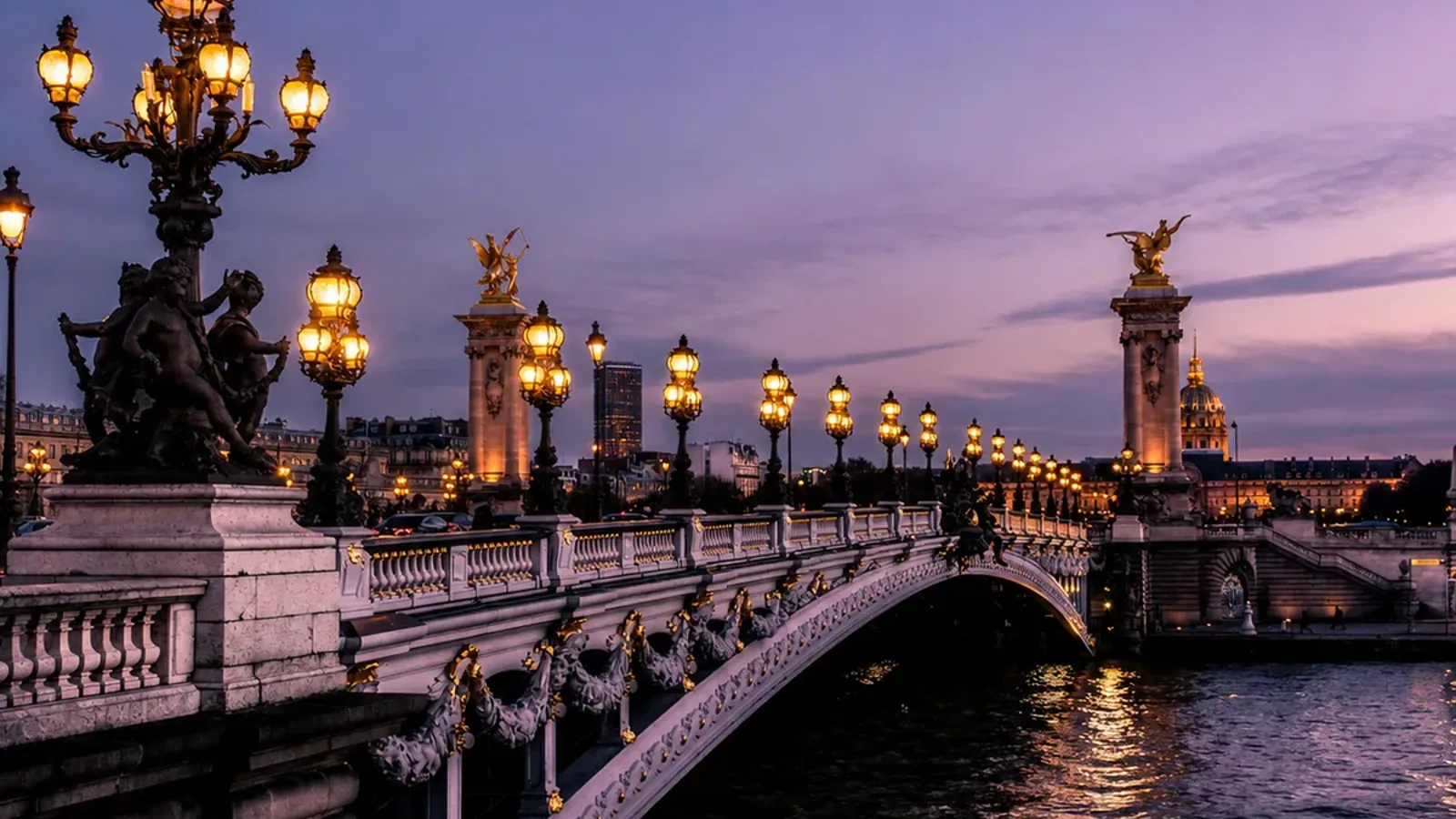
The best way to visit Paris is on foot. It should not be approached as a checklist of tickets and queues, but as a city of layers. Le Marais offers elegant streets, hidden courtyards and shops with character. Saint-Germain-des-Prés still retains something of its literary café atmosphere, although also plenty of expensive shop windows. Montmartre still has soulful corners if you move away from its most crowded streets. The banks of the Seine at dusk can turn a simple walk into the most precious memory of the trip.
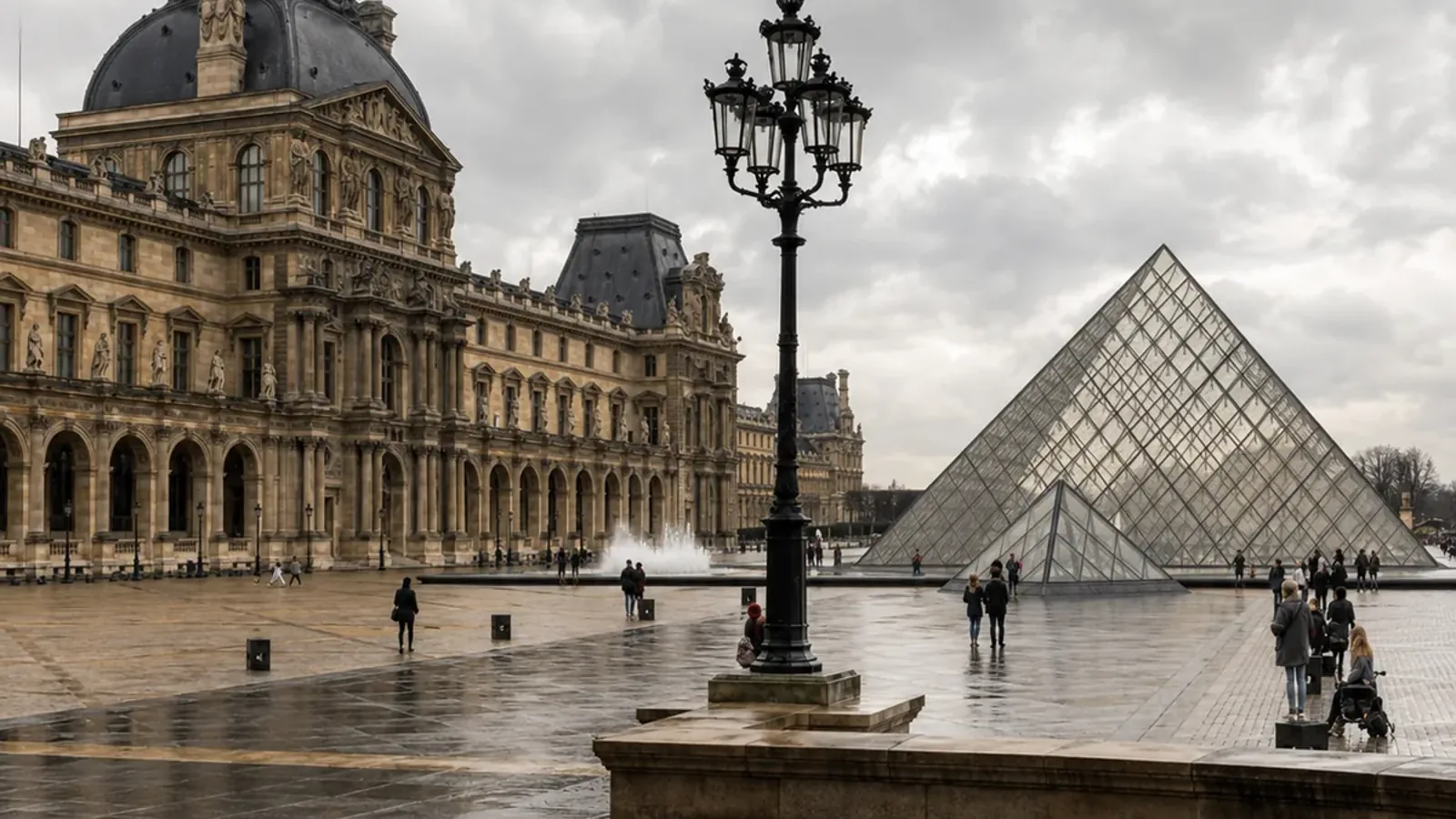
It is also an extraordinary capital for art. The Louvre requires patience and careful selection: it is open every day except Tuesdays, and its own official information reminds visitors that last entry is before closing time, something important to bear in mind when planning a late visit.
The Louvre
What may disappoint you in Paris
Paris disappoints those who arrive expecting an immaculate city. There is traffic, construction work, pickpockets in very touristy areas, brusque waiters, unfriendly stations, high prices and mediocre restaurants disguised as Parisian charm. The Eiffel Tower is often more impressive from the outside than in some of its interior experiences, especially in bad weather or after long waits. To visit it, it is best to buy tickets in advance on the official website, which recommends booking online to avoid queues at the ticket office.
The Eiffel Tower
Crowds can also be disappointing. In high season, some places feel more like an endurance test than a cultural experience. Paris is best enjoyed when you accept that you will not be able to see everything.
Paris is best enjoyed when you accept that you will not be able to see everything.
Who Paris is worth it for
Paris is very much worth it for travellers who enjoy art, architecture, history, cafés, fashion, urban walks and unhurried gastronomy. It is an ideal city for couples, first European getaways, museum lovers and people who find beauty in observing everyday life.
It also works very well for those who have already been before: a second visit takes pressure off the trip and allows you to look at the city more calmly, without chasing every monument.
Who Paris may not be so right for
Paris may not be the best choice for anyone looking for a cheap getaway, beaches, absolute peace and quiet or an easy city to visit with small children. It can certainly be done as a family trip, but distances, breaks and queues need to be carefully considered. Nor is it the most comfortable destination for those who feel overwhelmed by crowds or expect tourist service to be warm at all times.
If your budget is tight, Paris forces you to choose wisely: accommodation, meals, tickets and transport add up quickly.
How many days to spend in Paris
For a first visit, three full days allow you to see the essentials without turning the trip into a race. With four or five days, Paris begins to breathe: you can visit a major museum, wander through different neighbourhoods, cross the Seine several times and set aside time to sit down without guilt.
A week is ideal if you want to add Versailles, less obvious museums, markets, parks and more local neighbourhoods. One single day in Paris, on the other hand, usually feels too short and can end up being frustrating.
Is Paris an expensive destination?
Yes, Paris is an expensive city, especially when it comes to accommodation and restaurants near iconic areas. Even so, you can keep costs under control by staying in well-connected neighbourhoods, eating simple lunch menus, using bakeries and markets, and prioritising free experiences: walking along the Seine, entering churches, strolling through gardens, window-shopping or crossing bridges at sunset.
Public transport helps a lot: Île-de-France Mobilités offers various ticket and pass options for the metro, train, RER, bus and tram, with fares that vary depending on the type of journey and the format chosen.
Île-de-France Mobilités
The best way to experience Paris
The key is not to try to conquer Paris. The usual mistake is to string together the Louvre, the Eiffel Tower, Montmartre, Notre-Dame, the Champs-Élysées and a Seine cruise as if the city were an exam. Paris becomes more generous when you leave space between plans.
It is best to choose no more than two major visits a day and leave the rest for walking. A good trip to Paris can contain fewer monuments and more memory: a simple dinner on a quiet street, the smell of butter in a boulangerie, the first golden reflection on the river, a bookshop, a terrace, fine rain over zinc rooftops.
It is best to choose no more than two major visits a day and leave the rest for walking.
So, is Paris worth visiting?
Yes, Paris is worth visiting if you go with honest expectations. It is not a comfortable city all the time, nor cheap, nor always friendly. But few capitals bring together so much urban beauty, so much visible history and such an ability to turn a walk into an unforgettable scene.
Paris should not be visited in order to confirm a perfect fantasy, but to encounter a real city: magnificent and exhausting, elegant and crowded, expensive and deeply human. Those who accept that mixture usually understand why, even with its flaws, Paris still holds such a powerful place in the traveller’s imagination.