

Book Eiffel Tower reserved access with a local host, lift to the second floor and summit option depending on the package. From EUR 29 per person.
View experienceWhat to Eat in Paris: Dishes and Flavors That Truly Tell the City’s Story
Parisian cooking is not defined only by elegant restaurants. It also lives in simple things: a crusty baguette tucked under your arm, a well-laminated croissant, onion soup on a cold night, an unpretentious croque-monsieur, steak-frites served without ceremony, or a crème brûlée that cracks beneath the spoon.
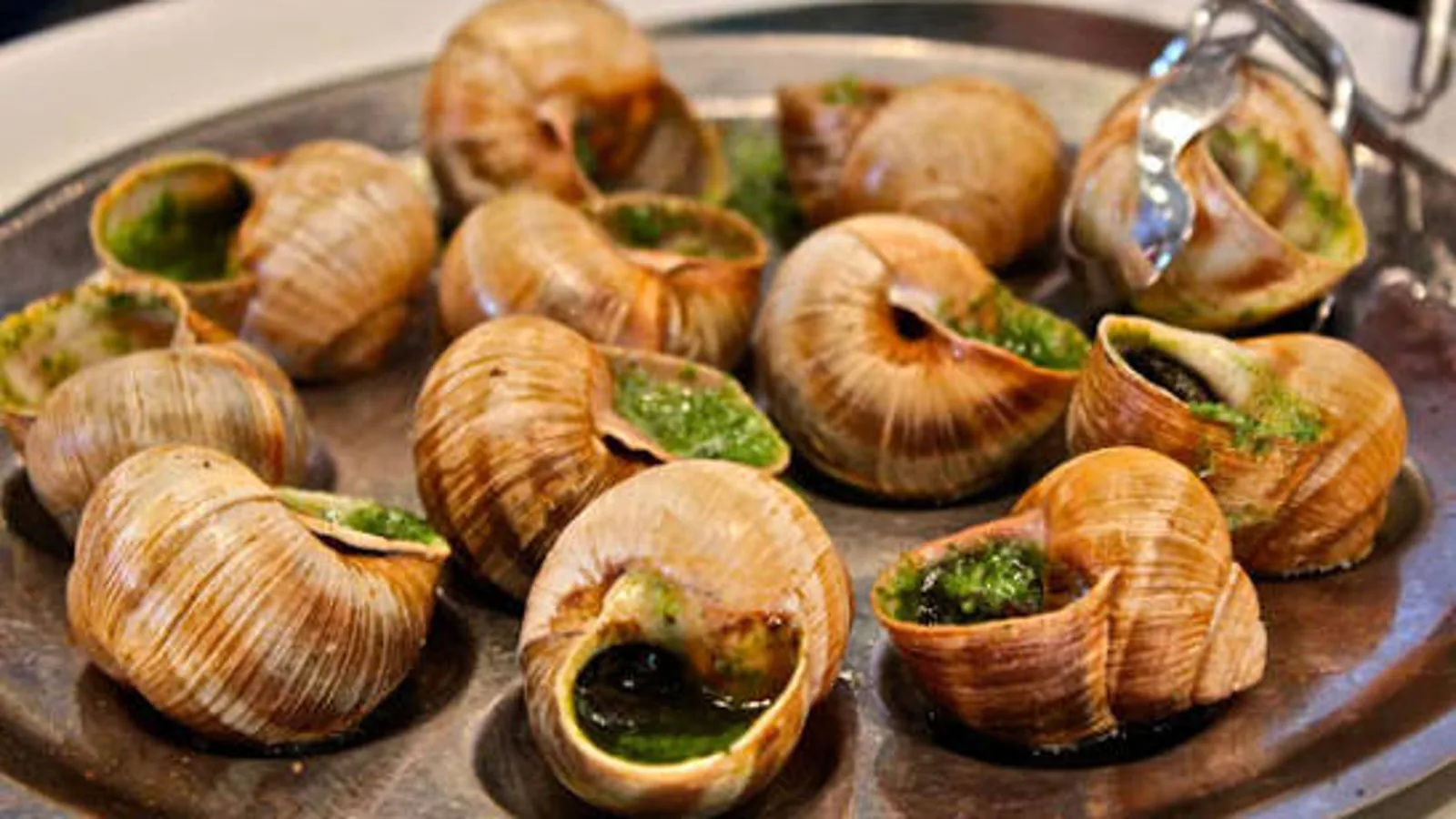
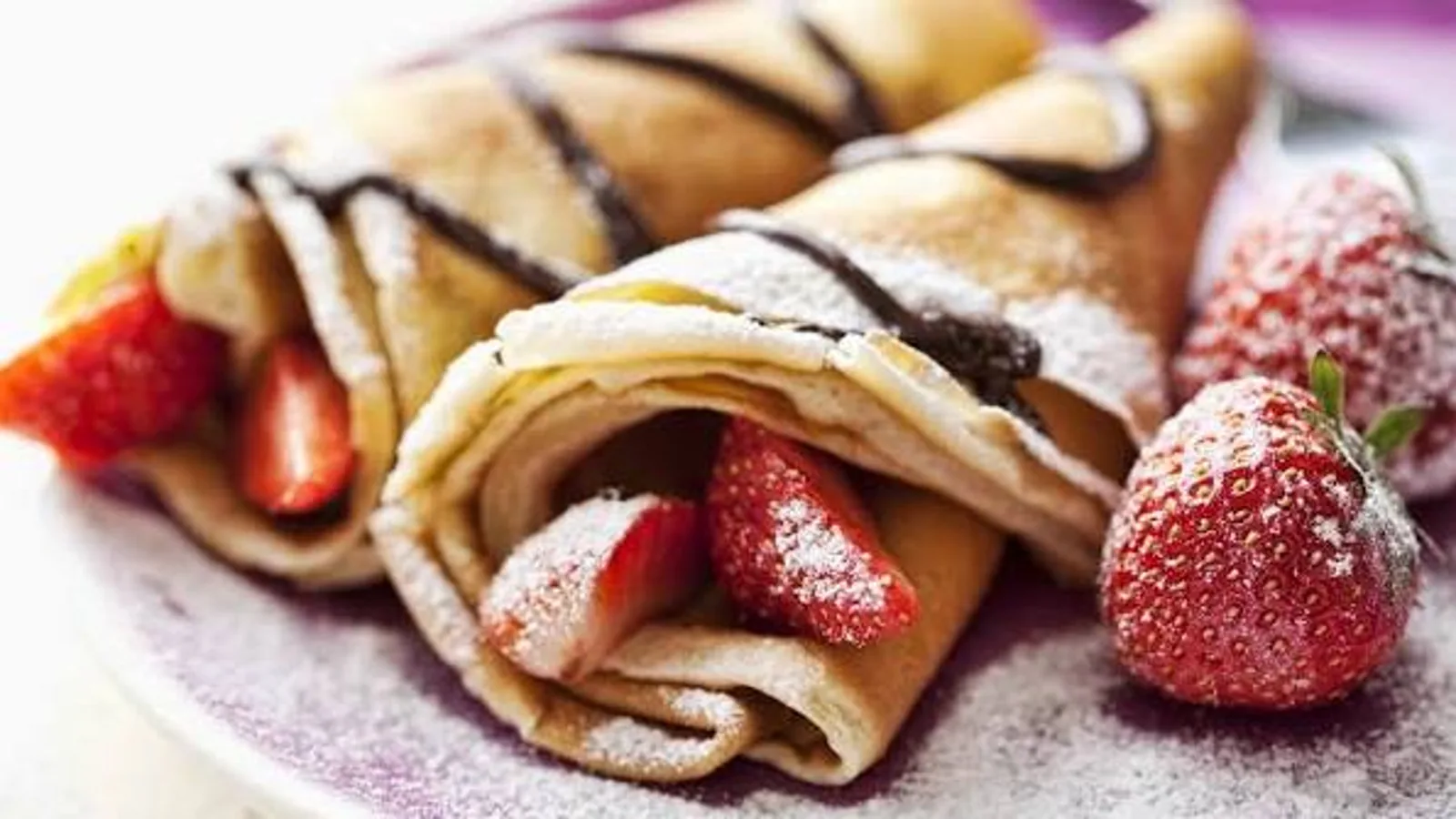
For a first visit, it is worth trying a few classics: soupe à l’oignon, boeuf bourguignon, confit de canard, escargots, quiche lorraine, tarte tatin, French cheeses, and, of course, good pastries. Not every dish is light, and not every one will win over every palate: butter, sauces, small interiors, and strict dining hours are all part of the character of the French table.
Food in France also carries deep cultural weight: UNESCO recognizes the French gastronomic meal as a social practice linked to the pleasure of gathering together, taste, and the balance between people and the products of nature.
Where to Eat in Paris by Neighborhood: The Areas Worth Exploring
Le Marais is one of the most pleasant neighborhoods for eating as you wander. It has cafés, bakeries, small restaurants, Jewish cuisine, modern addresses, and the famous Marché des Enfants Rouges, often described as the oldest covered market in Paris.
It is a good area for lunch, but you should not walk into the first pretty place on a busy street. The Marais does have gems, but also places that are expensive for what they offer.
Saint-Germain has that literary Paris feel, with historic cafés, cream-colored façades, and small tables facing the street. It is ideal for a coffee, a glass of wine, or a meal with atmosphere, but it is usually more expensive. You are not always paying only for the food; often, you are paying for the setting, the address, and the myth.
For a less solemn meal, it is worth looking toward Canal Saint-Martin, Belleville, or eastern Paris. There you will find world cuisines, small restaurants, interesting bakeries, and somewhat friendlier prices. Not everything is refined, but the city feels more real.
Montmartre can be beautiful at sunset, with its stairways, rooftops, and slanting light. But near the most visited areas, mediocre restaurants are plentiful. It is better to move away from the most crowded squares and look for side streets, where the experience is usually calmer.
In the prettiest neighborhoods, you should not walk into the first attractive place on a busy street.
Paris Markets for Eating Well Without Formalities
Paris has dozens of markets spread across its neighborhoods. For travelers, they are a wonderful way to eat without always shutting yourself inside restaurants: good bread, cheese, seasonal fruit, and something simple can turn a walk into a small urban picnic.
The Marché des Enfants Rouges, in the Haut Marais, is a good option for lunch among stalls serving French and international food. It has charm, history, and atmosphere, although at peak times it can be crowded and is not always cheap. It is worth checking opening hours before going because they can vary by day.
It is also worth exploring less famous neighborhood markets, such as those in Batignolles, Raspail, Monge, or Pyrénées, especially if the plan is to buy bread, cheese, fruit, charcuterie, or something simple to eat outdoors. Sometimes the best casual lunch in Paris is not at a table with a white cloth, but in a paper bag that smells of fresh bread.
Before visiting a market, it is worth checking its opening hours because they can vary by day.
Eating Cheaply in Paris Without Ending Up With Sad Food
Paris is not a cheap city, but you can eat well without spending half your budget on every meal. The smartest strategy is to alternate.
A bakery breakfast, a market lunch, or an informal meal can balance out a more carefully chosen dinner. Boulangeries are your allies: a good baguette sandwich, a quiche, or a slice of savory tart can solve a quick meal with more dignity than many tourist menus.
To save money, look for formules du midi, set lunch menus that are usually more reasonable than ordering à la carte at dinner. Crêperies, simple Asian restaurants, market stalls, and neighborhood bistros outside the monument-heavy areas can also help.
What may disappoint you: eating cheaply in Paris does not always mean eating seated, relaxed, and served at a table. Sometimes it means eating on a bench, in a park, or standing by a counter. But that, too, can be beautiful if the bread is crusty, the cheese is good, and the city plays along.
The smartest strategy is to alternate bakery breakfasts, market lunches, informal meals, and one more carefully chosen dinner.
Tourist Traps Worth Avoiding
There are signs that should make you suspicious: menus translated into too many languages, photos of every dish, pushy waiters at the door, endless menus beside monuments, and promises of “authentic French cuisine” on streets where all the restaurants look the same.
It is also wise to be wary of terraces with perfect views if the food seems secondary. In Paris, a bad meal can come with a beautiful table. And an excellent meal can hide behind a discreet façade, with no flowers or gold lettering.
Another common mistake is always improvising dinner. Paris is a highly in-demand city; small, good places tend to fill up. Booking ahead does not kill spontaneity: it prevents you from ending up paying too much for a forgettable meal.
Booking ahead does not kill spontaneity: it prevents you from ending up paying too much for a forgettable meal.
Who Eating in Paris Is Worth It For
Paris is very much worth it for travelers who enjoy watching everyday life: buying bread in the morning, sitting on a terrace without rushing, trying cheeses, stepping into markets, dining in small bistros, and accepting that French service may be more brisk than effusive.
It may not be the best food city for those looking for huge portions, flexible hours, low prices, or service that is always smiling. Paris does not fully reveal itself to the impatient traveler. You have to read it, walk it, and accept its small inconveniences.
How the Experience Changes by Season
In winter, Paris calls for hot dishes, red wines, soups, stews, and cafés where you can take shelter from the cold. In spring and autumn, the markets shine more brightly: there is color, produce, and the desire to walk. In summer, many terraces are pleasant, but some restaurants may close for holidays and tourist areas fill up.
The season also changes the mood: a simple meal by the Seine can feel wonderful in June and far less appealing in the January rain. It is worth adjusting your expectations.
Honest Verdict
Eating in Paris can be one of the great pleasures of the trip, but it does not happen by accident. The city rewards those who move a little beyond the postcard views, read the daily specials on chalkboards, step into markets, book when necessary, and do not mistake a pretty terrace for good cooking.
The best gastronomic Paris is not always found in the most famous restaurant. Sometimes it is in a still-warm baguette, in a cheese bought without a plan, at a small table beside a misted-up window, or in that first sip of coffee as the city wakes with the smell of butter and rain.