

Book Eiffel Tower reserved access with a local host, lift to the second floor and summit option depending on the package. From EUR 29 per person.
View experienceWhere to stay in Paris on a first trip
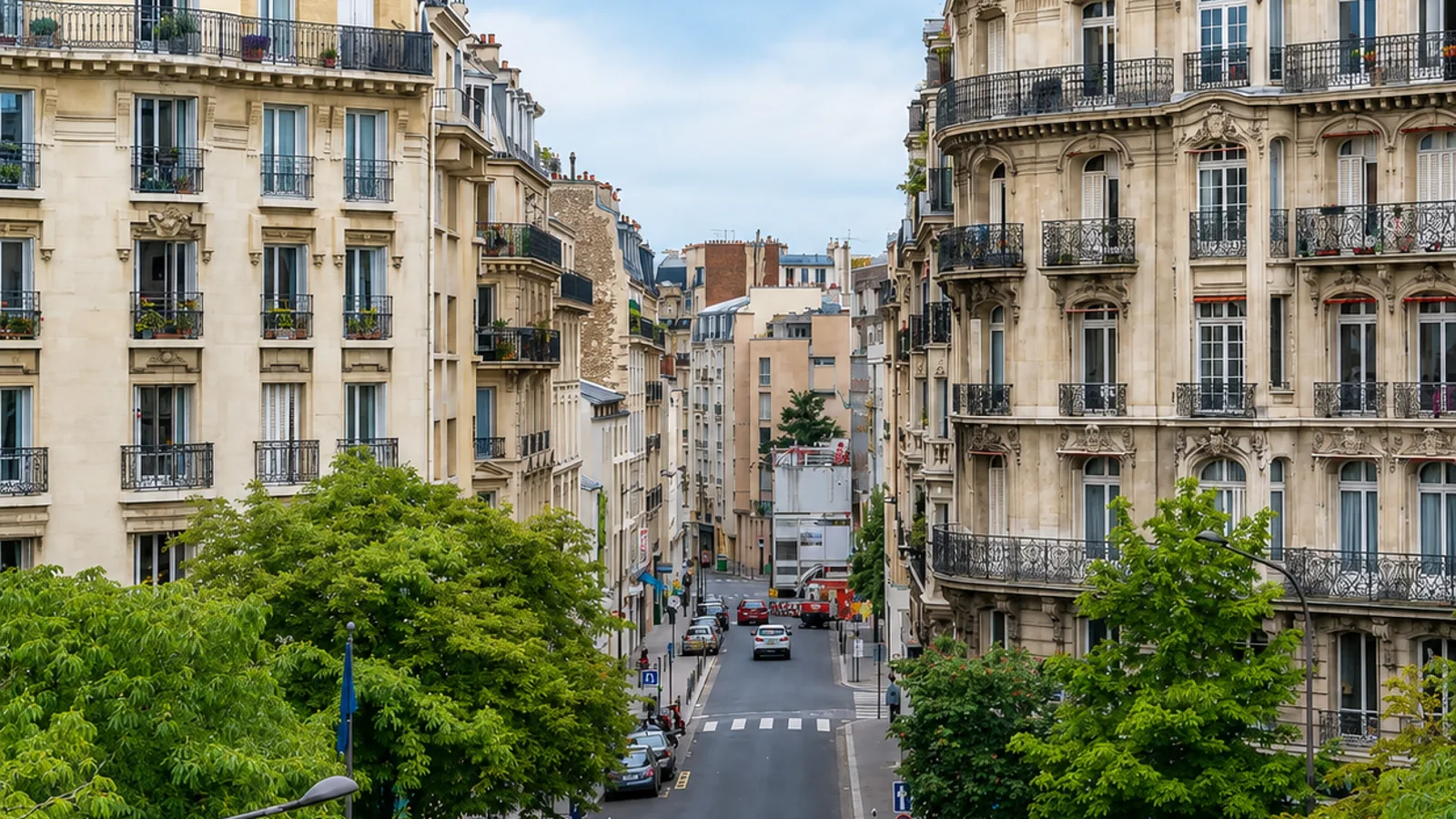
For a first visit, it is best to stay somewhere central and well connected: Le Marais, Saint-Germain-des-Prés, the Latin Quarter, Opéra, Louvre-Palais Royal, or the area around the Eiffel Tower. These are not always the cheapest areas, but they cut down on fatigue, transfers, and that feeling of spending more time on the metro than in the city.
Le Marais is one of the most pleasant bases if you plan to walk a lot. It has narrow streets, old façades, galleries, cafés, small shops, and a neighborhood feel that still survives, even though it is becoming increasingly touristy. It is ideal for couples, culture-focused travelers, and anyone who wants to step out of the hotel and have Paris right there on the pavement.
Saint-Germain-des-Prés offers a more classic, elegant, literary version of Paris. It is expensive, sometimes a little solemn, but very convenient: the Seine, the Louvre, the Latin Quarter, and the gardens are all within reasonable distance. For a romantic getaway or a relaxed trip, it works very well.
The Latin Quarter is usually livelier and somewhat more flexible in terms of prices. It has students, bookshops, simple restaurants, historic streets, and good connections. It can be noisy in some areas, so it is worth checking the exact street carefully before booking.
For a first visit, it is best to stay somewhere central and well connected.
Where to Stay if You Want Monuments Nearby
If your priority is to see the most famous sights without complicating things, the areas in the 1st, 7th, and 8th arrondissements are practical: the Louvre, the Tuileries, the Eiffel Tower, Les Invalides, the Champs-Élysées, and major museums are all relatively close to one another.
The downside is clear: they are usually more expensive and, in some places, feel less like real neighborhoods. Near the Eiffel Tower, you will get views and excitement, but also touristy restaurants, groups, queues, and high prices. Near the Louvre, you will be superbly located, although some streets can feel more monumental than intimate.
Best areas to stay in Paris with family
For families, Saint-Germain, the area around Luxembourg, the 7th arrondissement, certain parts of the 15th, and quieter sections of the 16th all work well. These are calmer neighborhoods, with parks, wider streets, and a good feeling when returning at night.
The 15th does not have the postcard aura of Saint-Germain, but it can be a smart choice: more residential, less intense, and sometimes with more reasonably priced accommodation. That said, you should check the nearest metro station. In Paris, an extra ten minutes on foot every morning weighs more than it may seem.
In Paris, an extra ten minutes on foot every morning weighs more than it may seem.
Where to Stay in Paris on a Tight Budget
Paris is not an easy city for low budgets. If you want to save money, look at areas such as Bastille, République, Canal Saint-Martin, Montparnasse, Belleville, or parts of the 17th and 18th. They do not all offer the same immediate beauty, but they can provide a more local experience and less punishing prices.
Bastille and République are good for going out, eating dinner, and getting around. They have life, bars, connections, and an energy that feels less like a postcard. Canal Saint-Martin is young, photogenic, and pleasant, although some nights can be lively. Montparnasse is more practical than charming, but very useful for travelers who value transport and convenience.
Belleville can be interesting for those who already know Paris and are looking for diversity, food, everyday life, and less of a tourist showcase. For a very romantic first visit, it may not be the most intuitive choice.
Montmartre: Beautiful, but Not Always Convenient
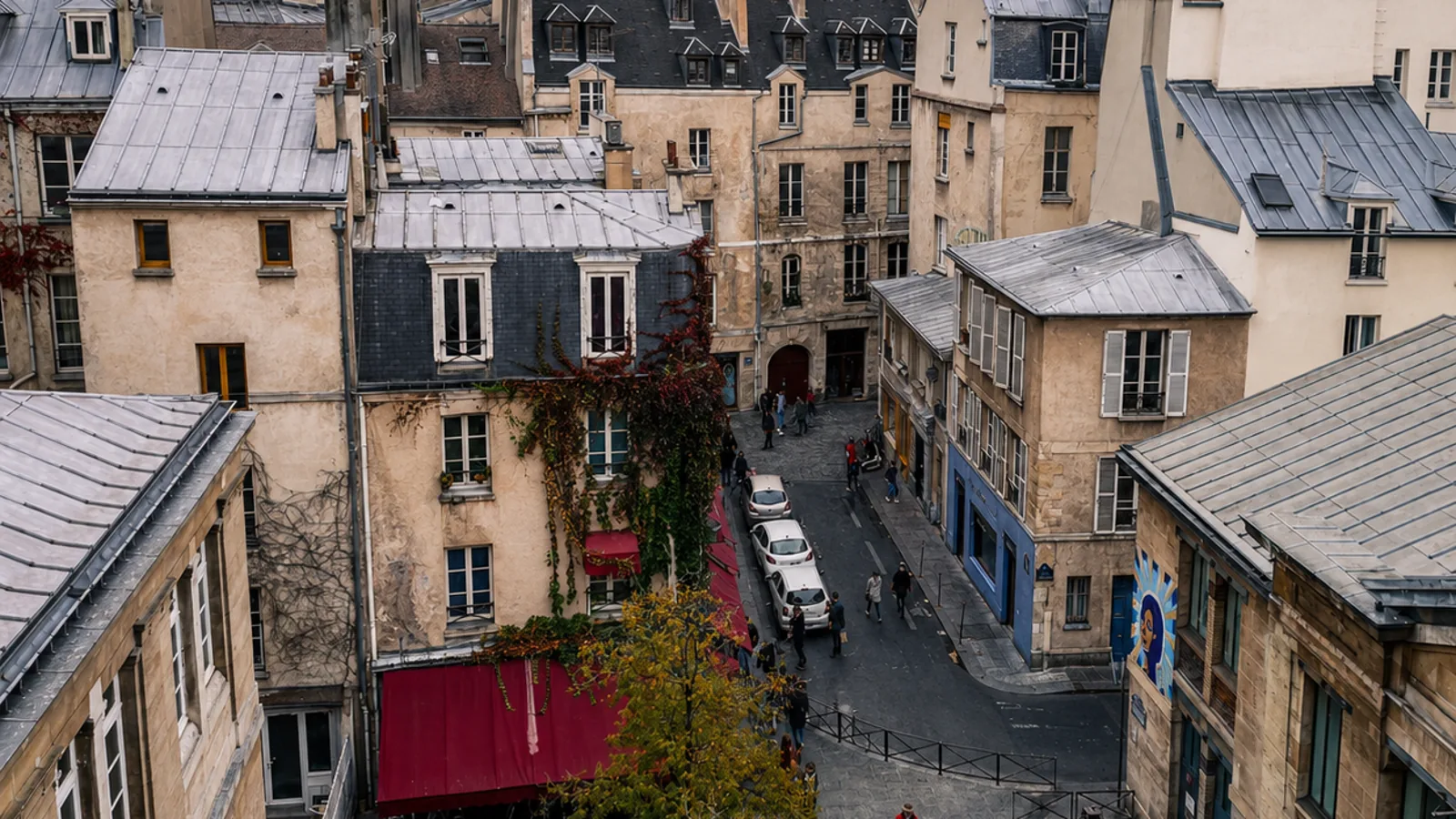
Montmartre seduces with its stairways, rooftops, streetlights, slopes, and that light that seems to linger a little longer on the façades. Staying there can be lovely, especially if you choose the street carefully and avoid the busiest areas around Sacré-Cœur.
But Montmartre also has drawbacks: hills, stairs, daytime crowds, and areas that can feel somewhat uncomfortable at night near Pigalle or Barbès if you are looking for absolute calm. That does not mean you should rule it out; it means you need to choose precisely.
That does not mean you should rule it out; it means you need to choose precisely.
Areas to Avoid or Check Carefully
Rather than talking about “forbidden neighborhoods,” in Paris it is better to talk about areas that are impractical for certain travelers. For a first trip, it is usually not worth staying too far from the center just to save a little: in the end, you pay for it in time, fatigue, and taxis.
Look especially carefully at hotels near major stations if the price seems too good. Gare du Nord and Gare de l’Est can be practical for trains, but their surroundings do not always offer the prettiest arrival or the calmest atmosphere. It is also worth checking accommodation on the outskirts or outside Paris very carefully: transport may work, but the charm of walking back at night disappears.
For a first trip, it is usually not worth staying too far from the center just to save a little.
Do You Need a Car to Stay in Paris?
No. For the vast majority of travelers, renting a car in Paris is a mistake. The metro, RER, tram, and buses cover the city and the wider region, so a well-connected neighborhood is usually far more useful than a hotel with parking.
A car only makes sense if you are going to explore regions outside Paris afterward. Inside the city, parking is expensive, driving is stressful, and many streets are not designed to be enjoyed behind the wheel. In Paris, the best base is not the one with parking: it is the one that lets you walk and get to the metro quickly.
In Paris, the best base is not the one with parking: it is the one that lets you walk and get to the metro quickly.
How to Choose the Right Hotel
The most useful rule is simple: choose the neighborhood first, then the hotel. A decent place to stay in a good area usually makes for a better trip than a prettier hotel in an isolated location.
Before booking, check three things: the real distance to the metro, comments about noise, and the type of street. Sleeping on a large avenue is not the same as sleeping on a side street. Nor is being “near Montmartre” the same as being up in a charming area, or down below beside much busier streets.
Choose the neighborhood first, then the hotel.
The Best Area According to Your Type of Trip
For a first visit, choose Le Marais, Saint-Germain, the Latin Quarter, or Louvre-Opéra.
For a romantic getaway, Saint-Germain or a carefully chosen part of Montmartre.
For families, Luxembourg, the 7th, the 15th, or quiet areas of the 16th.
For going out and eating dinner, Bastille, République, or Canal Saint-Martin.
To save money without staying too far away, Montparnasse, the 11th, the 12th, or parts of the 17th.
For classic luxury, the 1st, 7th, 8th, or 16th.
Honest Verdict
The best area to stay in Paris is not necessarily the most famous one, but the one that reduces friction: walking without exhausting yourself, returning comfortably at night, having cafés nearby, getting into the metro without thinking, and feeling that the city begins even before you reach your first monument.
Paris can be expensive, intense, noisy, and sometimes less romantic than the films promise. But choosing the right place to sleep changes the tone of the trip. A good neighborhood turns the city into a daily experience: warm bread in the morning, light on the façades, a small table at the end of the afternoon, and that very Parisian feeling that the journey also happens between two visits.