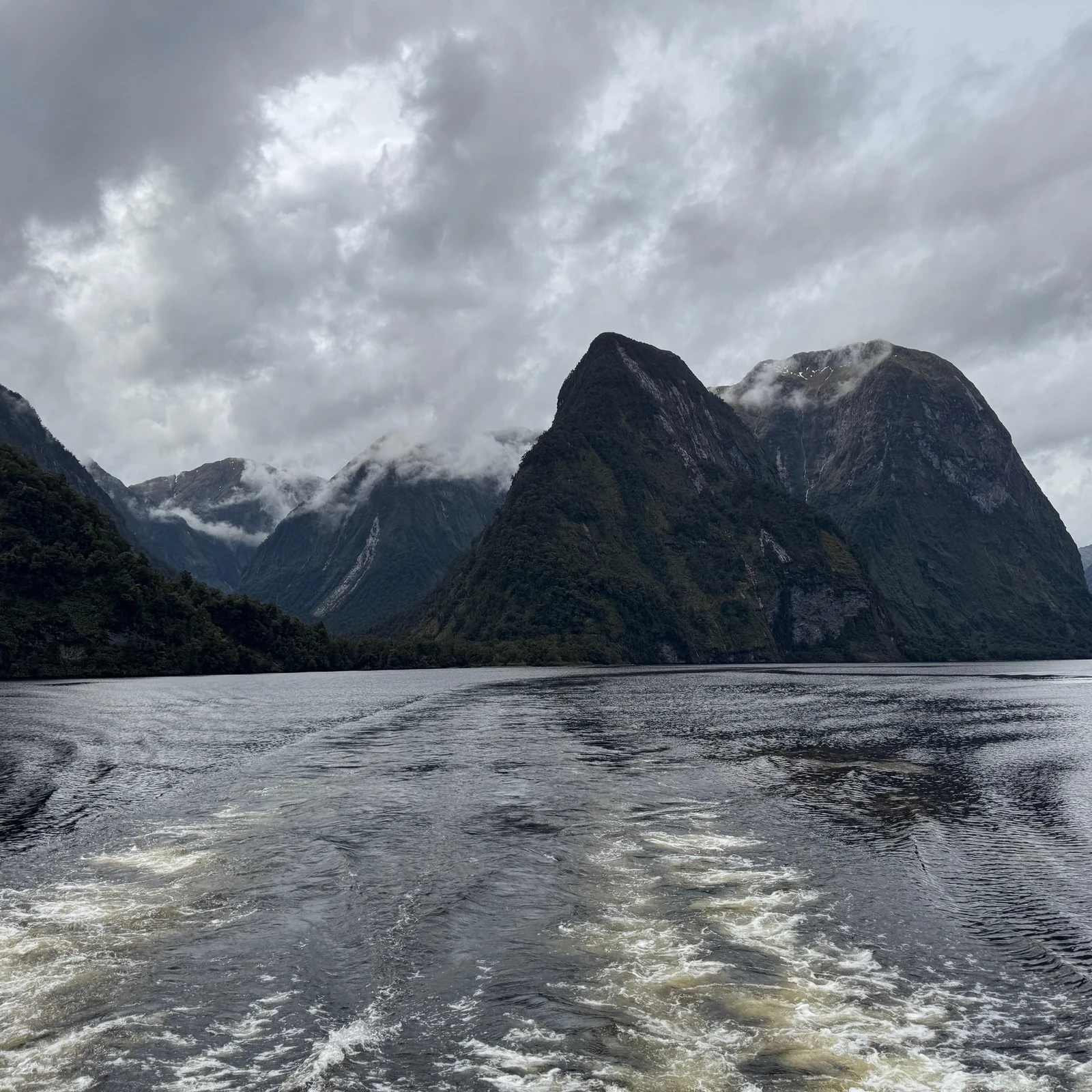
 Activity on TourBookGo
Doubtful Sound Day Trip from Queenstown: 3-Hour Cruise and Practical Guide
Plan a Doubtful Sound day trip from Queenstown with Lake Manapouri, Wilmot Pass and a 3-hour cruise through one of Fiordland's most remote fjords.
The best time to visit Queenstown depends on the trip you have in mind. In summer, Lake Wakatipu glows beneath long, bright days; in autumn, copper and red colours sweep across the landscape; in winter, snow reshapes the mountains; and in spring, snowy peaks, reopening trails and a slightly quieter town come together.
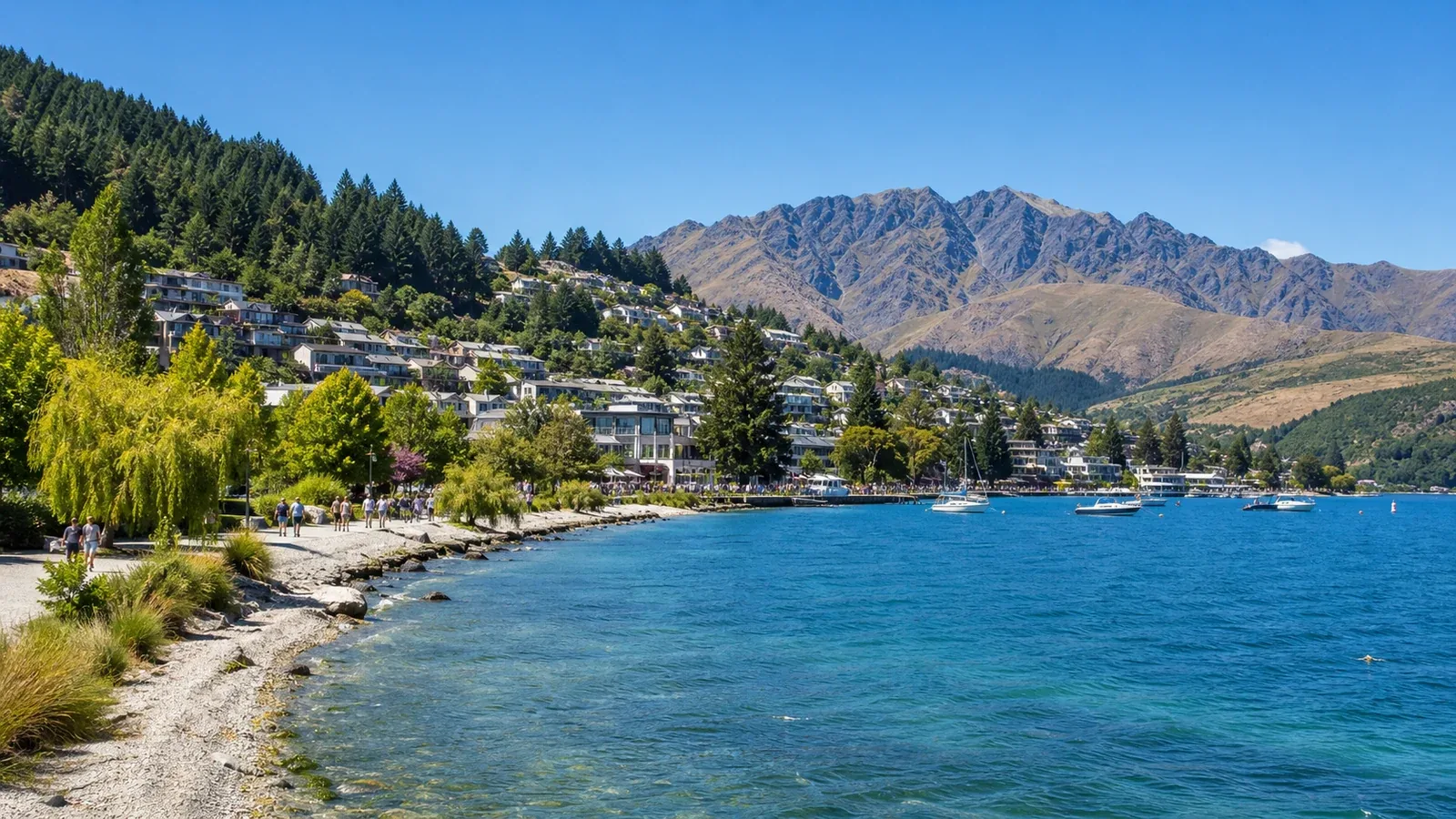
Choosing the best time to visit Queenstown comes down to what you want to do. Winter is the clear choice for skiing, while summer brings long days and comfortable conditions for hiking, cycling and outdoor adventures. For travellers looking for a balance of scenery, atmosphere and fewer crowds, however, March-April and October-November can be even more appealing. Summer and winter are typically the busiest periods, while spring and autumn may offer more flexibility for flights and accommodation.
Compare locations and options to find a base that suits your trip. Booking.com confirms current availability and pricing.
Find accommodation on BookingQueenstown in summer is a place built around the outdoors. The days are long, much of the snow retreats from the mountains, and Lake Wakatipu becomes the backdrop for hiking, cycling, boating and adventure activities.
Daytime temperatures commonly sit around 20 to 30°C, although alpine weather can change quickly. Even in midsummer, it is sensible to carry an extra layer and be prepared for wind or rain.
Summer is probably the most versatile season for a first visit. You can hike, follow scenic roads, go mountain biking, cruise the lake or sit outside as the afternoon stretches into the evening.
It is also an excellent choice if you want to make the most of Queenstown's long daylight hours and fit several experiences into one day.
That convenience comes at a price: summer is peak season. Holidays, warm weather and strong visitor demand coincide, so Queenstown can feel busy and the best-located accommodation often books up earlier.
If you value quiet streets, flexibility and more moderate prices, January would not be my first choice.
Queenstown takes on a particularly photogenic character as summer fades. The light softens, the air cools and the landscape turns yellow, copper and red against the deep blue of the lake and surrounding mountains.
Temperatures gradually fall through the season, with a noticeable difference between early March and late May. It is a rewarding time for walking, road trips and enjoying the scenery at a slower pace.
April offers a combination that is hard to beat: autumn colours, temperatures that are still comfortable for exploring and an atmosphere that is generally calmer than the height of summer.
It is especially appealing to photographers, couples, travellers who enjoy unhurried walks and anyone who would rather absorb Queenstown's scenery than race from one adrenaline activity to another.
Autumn also brings regional sporting and cultural events, including Arrowtown's well-known autumn festival, traditionally held in April.
The trade-off is shorter days and increasingly cold nights. If you are hoping for summer-like temperatures, May may already feel a little too close to winter.
Winter reveals the Queenstown seen in countless photographs: white mountains, crisp air, glowing fireplaces and a town fully immersed in snow season.
For skiing or snowboarding, winter is the best time to visit Queenstown. The ski season is centred mainly on June to August and draws travellers to the ski fields surrounding the town.
Even if you never put on a pair of skis, winter can be spectacular. Scenic flights, restaurants, spas, viewpoints and excursions all feel different when the surrounding mountains are covered in snow.
The winter calendar is often lively too, with snow-related competitions and celebrations adding extra atmosphere to the season.
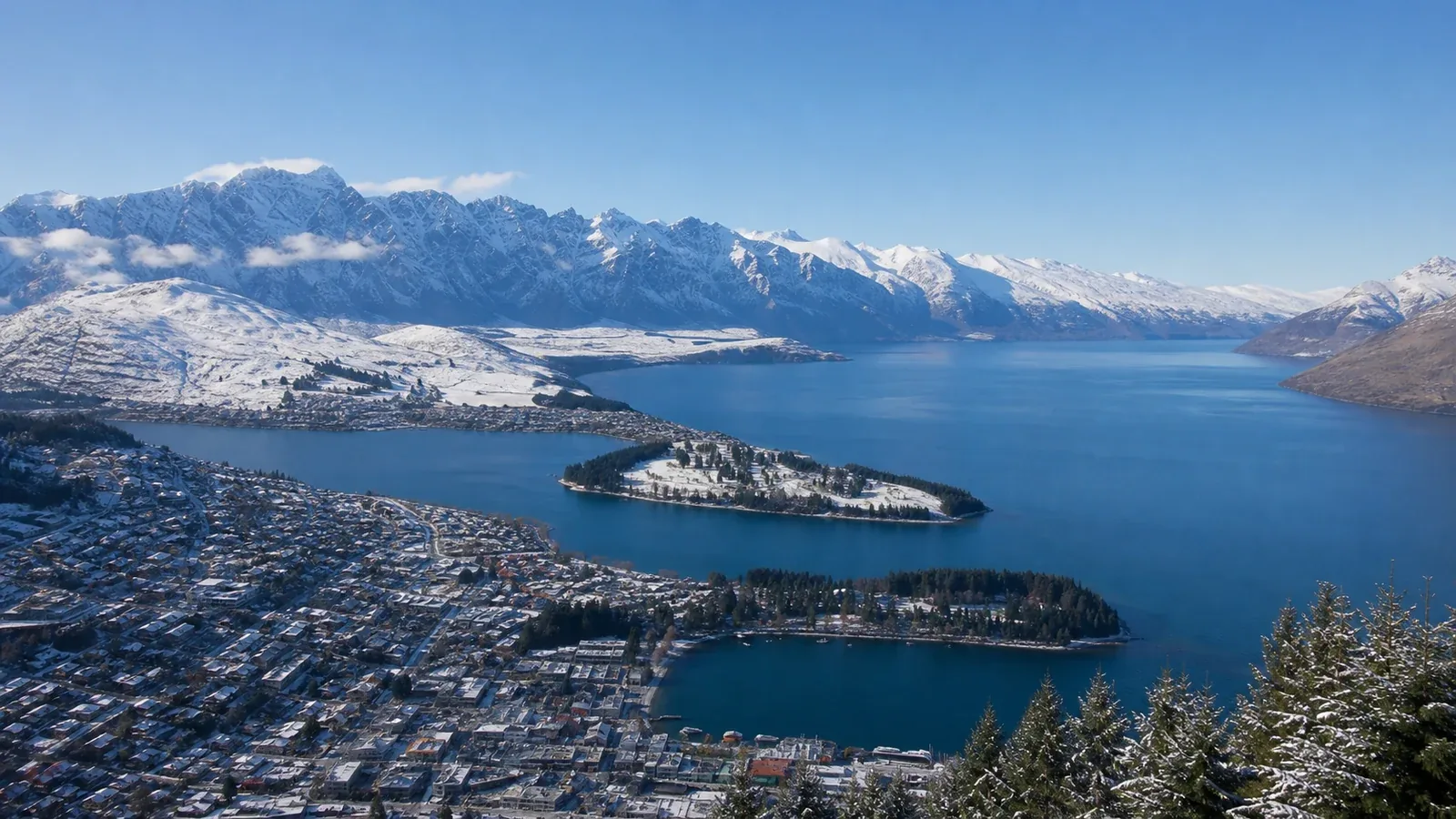
Winter is also one of the busiest times of year. If snow is not a priority, you may find yourself paying peak-season prices and dealing with extra logistics without taking advantage of what makes the season special.
Mountain roads and some excursions also require closer attention to weather conditions. And although snowy Queenstown is beautiful, daylight hours are considerably shorter than in summer.
Spring is perhaps Queenstown's hardest season to summarise because a single trip can still feel partly wintery while also offering hints of the summer ahead.
September often retains plenty of snow and a strong winter atmosphere. As the season progresses, days become longer, temperatures milder and hiking and cycling return to the foreground.
If you do not need guaranteed snow or the warmest summer temperatures, October and November are particularly attractive months.
There is more daylight, the landscape is green and the town has not necessarily reached the pace of the Christmas and summer season. It is an appealing combination for day trips, walking and outdoor activities.
The main drawback is unpredictability. In an alpine region, a bright sunny day can quickly turn into rain, wind or colder weather, so flexible clothing is essential.
The busiest periods generally fall around summer, winter, school holidays, public holidays and major events. Spring and autumn are usually quieter and may also provide better opportunities for flights and accommodation.
That does not mean Queenstown becomes empty. It is one of New Zealand's best-known destinations and remains lively throughout most of the year.
For a more relaxed experience, March, part of April, October and November are worth considering, while avoiding the busiest holiday dates and major events where possible.
There is no single month that is always cheapest. Flight and hotel prices change according to demand, holidays, events and how far ahead you book.
The most useful pattern is that the shoulder seasons of spring and autumn can offer better value than the major summer and winter peaks.
If budget matters, compare flexible dates and check whether your stay overlaps with a major local event before booking.
If I had to choose without knowing your travel style, April and November would be two of the most balanced months to visit Queenstown.
April combines autumn colours, a calmer atmosphere and outstanding scenery. November brings longer days, late-spring landscapes and good conditions for many outdoor activities before the summer peak.
The ideal choice, however, depends on the type of trip you want:
For skiing: July and August.
For hiking and long days outdoors: December to February.
For photography and autumn colours: April.
For fewer crowds: spring or autumn, avoiding public holidays and major events.
For combining snow with other activities: September can be particularly interesting.
For a balanced first visit: March-April or October-November.
Ultimately, the best time to visit Queenstown is the season that matches your priorities. Winter can be magnetic but expensive and busy; summer is bright and lively but intense; autumn is peaceful and photogenic; and spring is beautiful but more unpredictable.
That seasonal variety is part of Queenstown's appeal: each time of year offers a genuinely different way to experience the destination.
Discover Queenstown through selected experiences combining Lake Wakatipu, alpine landscapes, Fiordland, adventure, food and day trips to suit the pace of your journey.
Activity on TourBookGoPlan a Doubtful Sound day trip from Queenstown with Lake Manapouri, Wilmot Pass and a 3-hour cruise through one of Fiordland's most remote fjords.
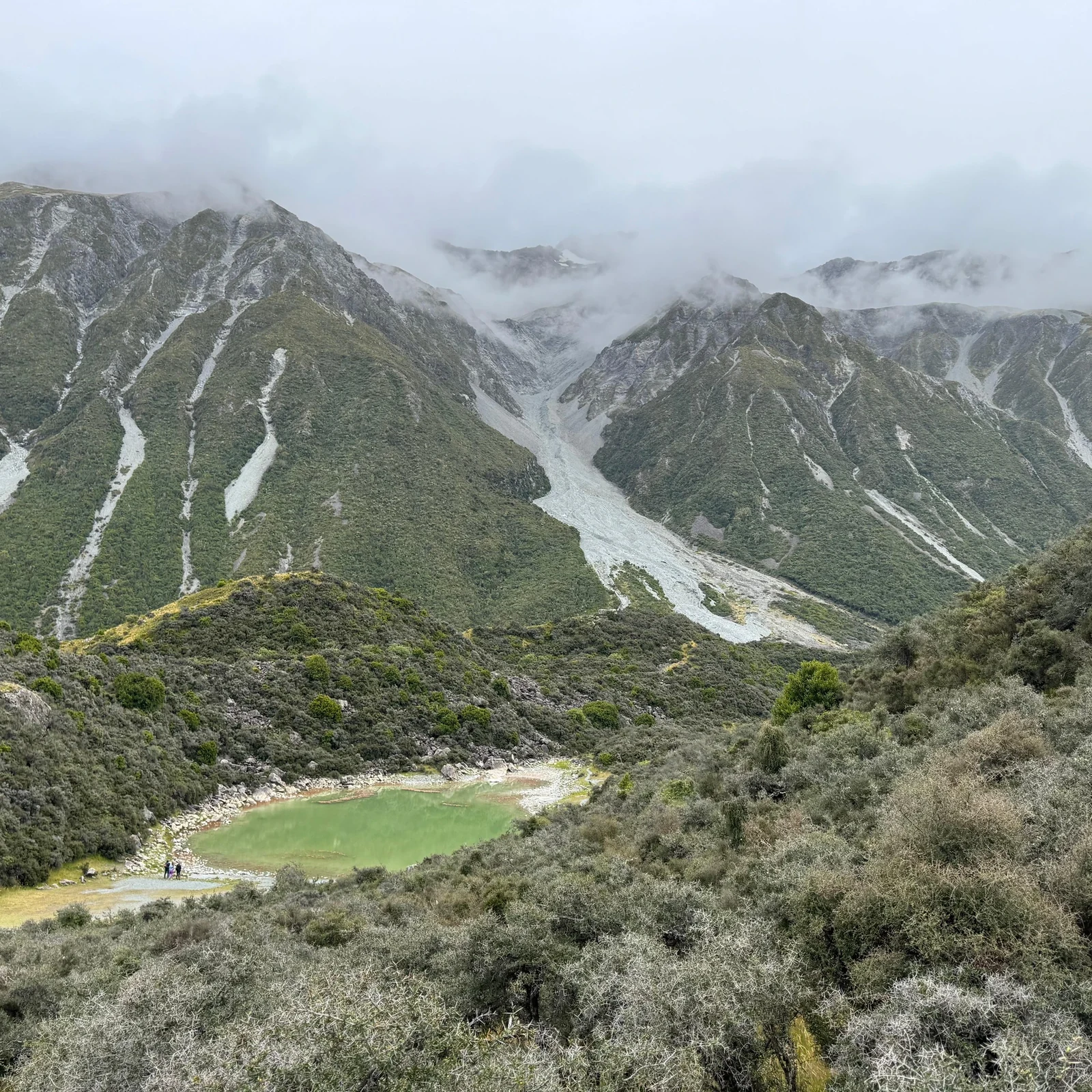 Activity on TourBookGo
Mount Cook day trip from Queenstown in a small group, with Lake Pukaki scenic stops and around 3 hours to explore the Hooker Valley Track.
 Activity on TourBookGo
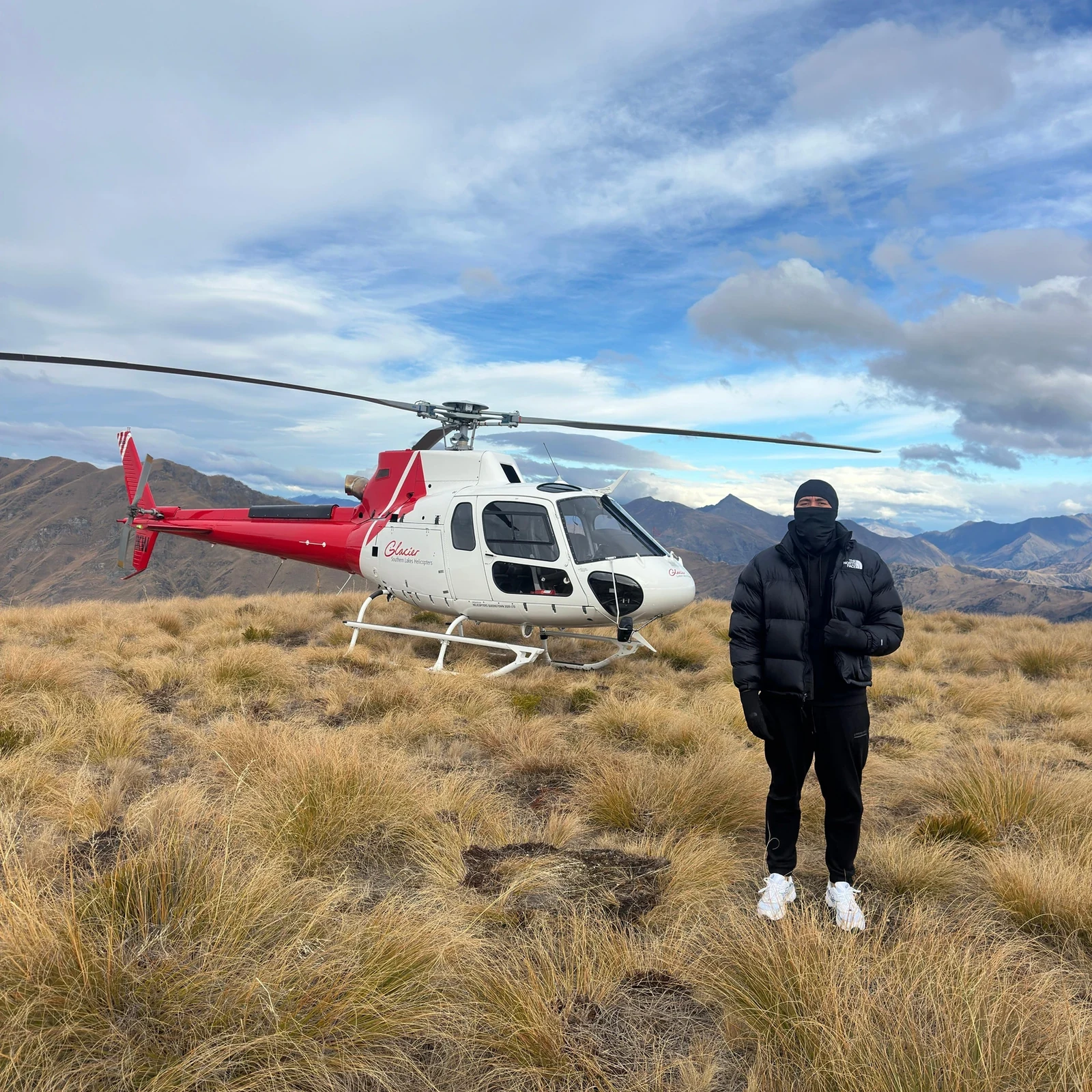
Book The Remarkables helicopter flight Queenstown with an alpine landing and sweeping Wakatipu Basin views. Scenic experience lasting around 20 minutes.