 Activity on TourBookGo
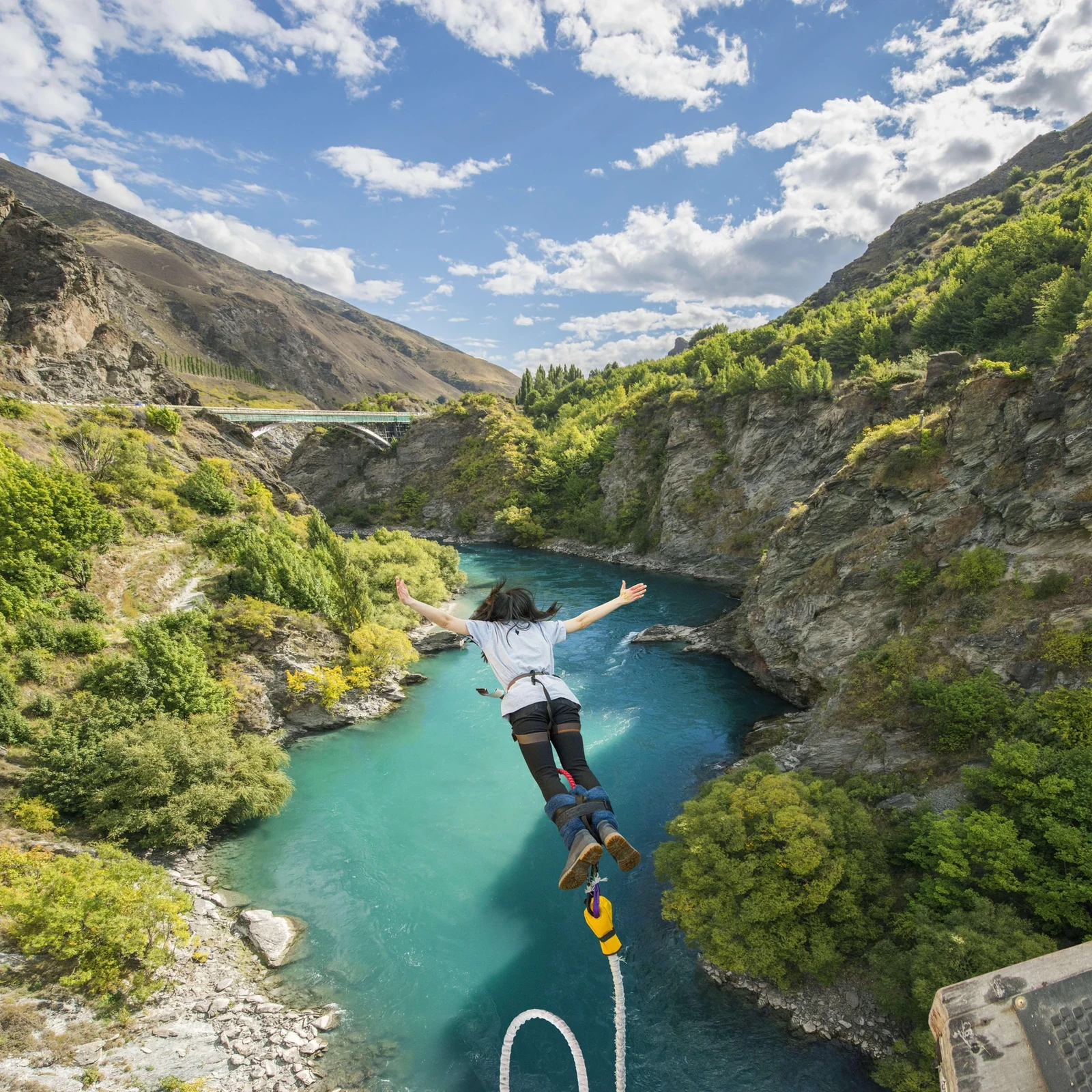
Kawarau Bridge Bungy Queenstown: 43-metre jump
Kawarau Bridge Bungy Queenstown: take a 43-metre plunge over the Kawarau River at the birthplace of commercial bungy, with solo or tandem options plus photos and video.
If you are wondering whether Queenstown is worth visiting, one look at Lake Whakatipu and the surrounding mountains goes a long way toward explaining its appeal.
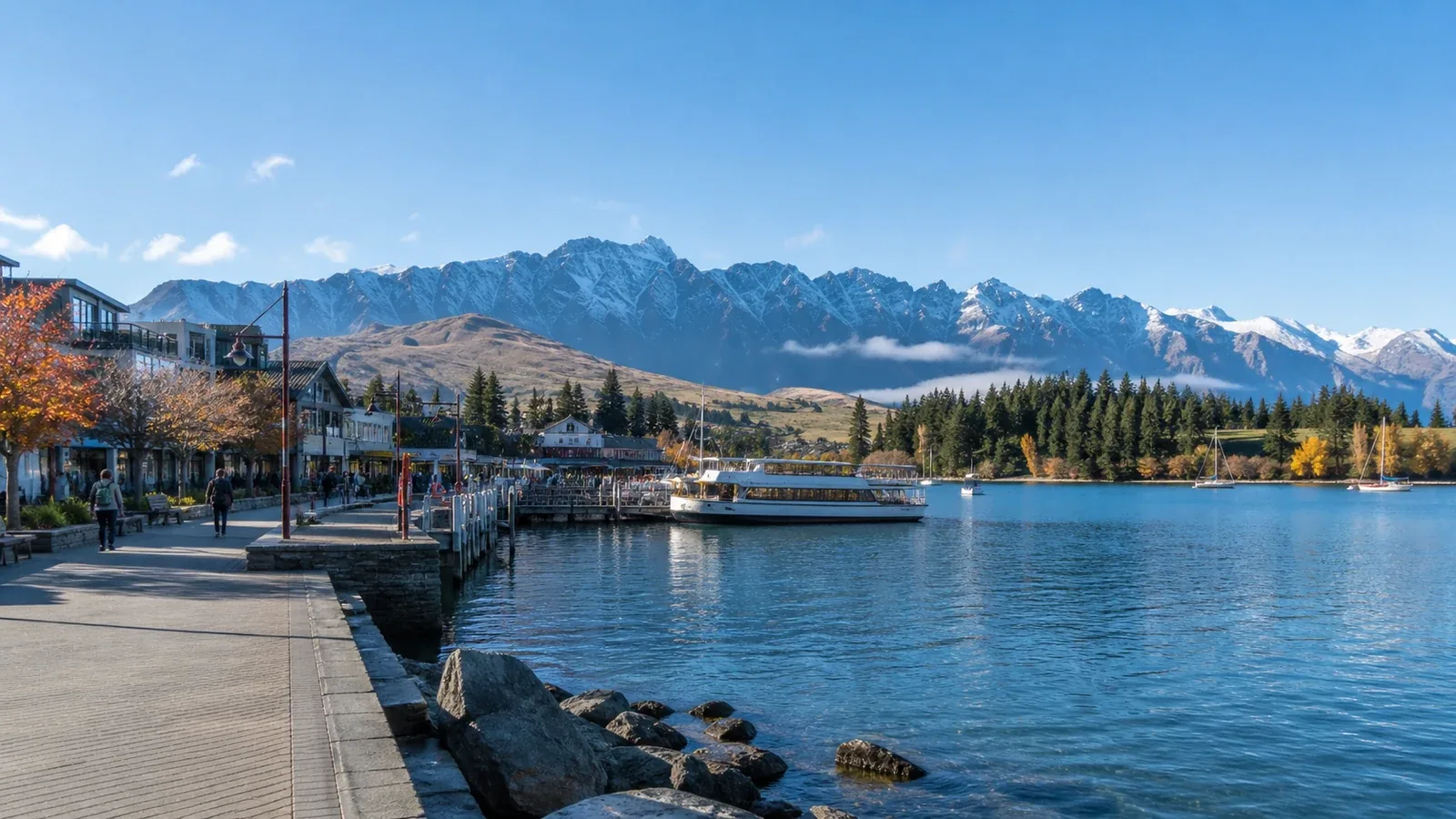
If you are wondering whether Queenstown is worth visiting, the answer begins before you book a single activity: the setting is impressive enough on its own. The town stretches along the shores of Lake Whakatipu, surrounded by rugged mountains that seem to rise straight out of the water. In winter, the peaks are covered in snow; in summer, the evening light lingers over the lake and the terraces fill up. It is one of those places where simply walking along the waterfront at the end of the day is enough to understand why so many people choose to visit Queenstown. But Queenstown has another side too. It is touristy, it can be expensive, and much of its modern identity revolves around activities designed for visitors. Anyone arriving in search of a quiet New Zealand town untouched by tourism will probably find something quite different. So, is Queenstown worth visiting? For many travelers, yes, especially if you want alpine scenery, outdoor adventure, and a convenient base for exploring this part of New Zealand’s South Island. But it helps to know what to expect before you go.
Compare locations and options to find a base that suits your trip. Booking.com confirms current availability and pricing.
Find accommodation on BookingThe most obvious answer is the scenery.
Queenstown is located on New Zealand’s South Island, nestled between Lake Whakatipu and the Southern Alps. The Remarkables form one of the town’s great natural backdrops and add to the feeling of being inside an alpine postcard.
But the scenery alone does not explain the destination’s appeal.
Queenstown has built an enormous range of experiences around it: hiking, cycling, lake cruises, skiing, snowboarding, jet boating, bungy jumping, scenic flights, golf, spas, and wine-related excursions. If you are looking for things to do in Queenstown, few towns of this size offer so much choice. Many activities are available for much of the year, although each season changes the character of the trip dramatically.
And that is probably its greatest strength: Queenstown can be experienced in completely different ways.
It can mean adrenaline and early starts.
It can mean wine, mountains, and long dinners.
It can be a romantic getaway.
Or simply a comfortable base from which to admire some of the most photogenic landscapes in southern New Zealand.
Nature Lovers
This is perhaps the type of traveler who gets the most out of the destination. Even without booking expensive activities, the surrounding mountains, trails, lake, and scenic roads offer more than enough to fill several days.
Travelers Looking for Adventure
This is where Queenstown is in a league of its own. Its reputation as New Zealand’s adventure capital is well deserved: bungy jumping, jet boating, rafting, paragliding, skydiving, and countless outdoor Queenstown activities are a standard part of the local offering.
Couples
The scenery certainly helps, but so does the combination of good restaurants, special accommodation, wine, lakeside walks, and activities that do not involve racing up a mountain.
Travelers Exploring the South Island
Queenstown works particularly well as part of a wider itinerary. It has its own airport and good road connections, so it can serve either as the main destination or as one stop on a trip through the south of the country.
The first issue is the price.
Queenstown is rarely the cheapest part of a trip around New Zealand. Accommodation can take up a significant portion of the budget, and costs rise quickly if you add several commercial activities, excursions, and meals out.
You do not need to jump off a bridge or board a helicopter to enjoy the destination, but it is easy to feel as though there is always another tempting experience to pay for.
The second drawback is its popularity.
The town center is compact, and many restaurants, hotels, and attractions are concentrated within a relatively small area.
That is convenient, but during busy periods it can also make Queenstown feel more crowded than its dramatic natural setting might suggest.
And there is a third, more subjective point: it is not the ideal place for anyone looking for a quiet, little-visited side of New Zealand.
Queenstown depends heavily on tourism. That means excellent services, plenty of choice, and easy access to organized activities, but it also takes away some of the sense of local spontaneity.
Yes, at certain times and in certain places.
But reducing it to that would be unfair.
The mistake is spending the entire trip moving between the town center, restaurants, and organized activities. Queenstown reveals its true scale when you start looking toward the mountains, walking along the lake, or exploring the surrounding area.
Its center may be touristy.
Its natural setting, however, remains extraordinary.
Two days are enough to see the essentials, but the trip will probably feel rushed.
Three or four days in Queenstown offer a much better balance: enough time to explore the town, do an activity or two, go for a walk, and set aside a day to discover the surrounding area.
Five days or more make sense for travelers who want to hike, ski, take several excursions, or simply travel at a slower pace.
Queenstown works best when there is some flexibility in the schedule. In a destination so heavily influenced by mountains, wind, snow, and outdoor activities, filling every hour of the itinerary can easily become counterproductive.
There is no single answer because Queenstown changes dramatically throughout the year.
Summer, from December to February, brings long days and is ideal for hiking, cycling, and water activities.
Autumn, from March to May, transforms the landscape with shades of gold and red.
Winter, from June to August, turns the region into a major snow destination.
Spring, from September to November, marks the transition between the two and gradually brings back many outdoor activities.
For a first trip without a particular interest in skiing, the shoulder seasons can be especially appealing thanks to their combination of scenery, activities, and a slightly calmer atmosphere.
Not necessarily.
One of Queenstown’s paradoxes is that some of its most heavily promoted experiences are expensive, while the things that captivate travelers first — the lake, the mountains, the light — are simply there.
Walking, following hiking trails, or stopping to take in the scenery can leave more lasting memories than some costly activity.
The budget rises mainly when you combine upscale accommodation, frequent restaurant meals, and several organized experiences.
The best strategy is usually not to try to do everything, but to choose one or two Queenstown activities that genuinely suit the way you like to travel.
Yes, especially if you enjoy alpine scenery, outdoor activities, and destinations where nature comes with good infrastructure.
It is even more worthwhile if you have several days and can get yourself mentally — and physically — beyond the small tourist center.
It may not be the right place for you if you are looking for isolation, low prices, or an experience far removed from established tourist routes.
Queenstown does not need to be idealized.
There is traffic, expense, crowds, bad-weather days, and activities whose prices will make more than a few people raise an eyebrow.
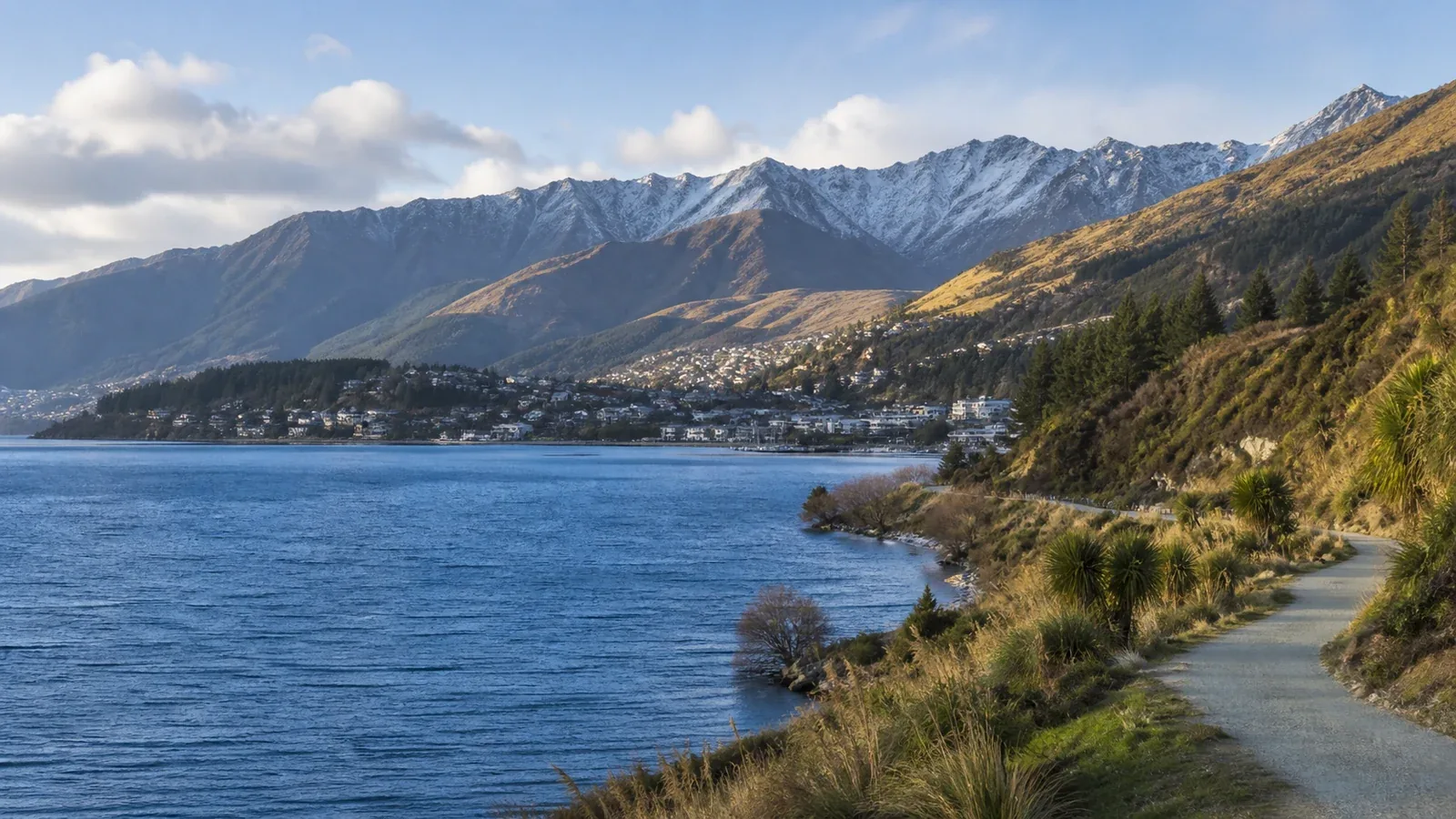
But then comes a quiet evening by Lake Whakatipu. The last light moves across the mountains, the water takes on steely tones, and lights begin to appear in the houses on the hillsides.
And suddenly it becomes clear why so many people travel to Queenstown in this remote corner of New Zealand.
Not because Queenstown is perfect.
But because, when the landscape and the moment come together, it can be extraordinarily difficult to look away.
Discover Queenstown through selected experiences combining Lake Wakatipu, alpine landscapes, Fiordland, adventure, food and day trips to suit the pace of your journey.
Activity on TourBookGoKawarau Bridge Bungy Queenstown: take a 43-metre plunge over the Kawarau River at the birthplace of commercial bungy, with solo or tandem options plus photos and video.
 Activity on TourBookGo
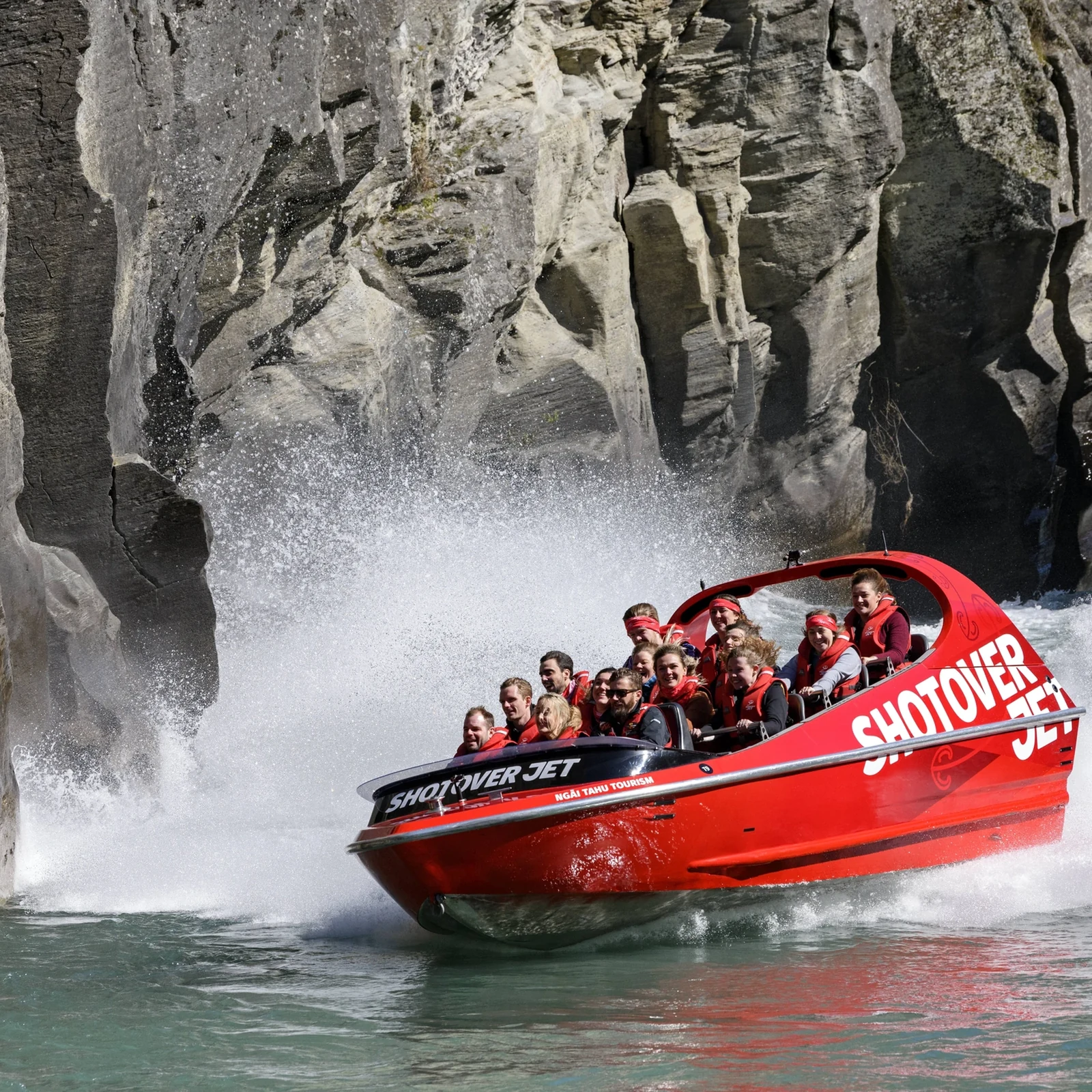
Shotover Jet Queenstown combines speeds up to 90 km/h, 360° spins, rapids and exclusive access to the Shotover Canyons. Prices from €101.
 Activity on TourBookGo
Book a Kiwi Park Queenstown admission ticket to see Kiwi Encounters, conservation shows and native wildlife. Check opening times and prices from €33.