 Activity on TourBookGo
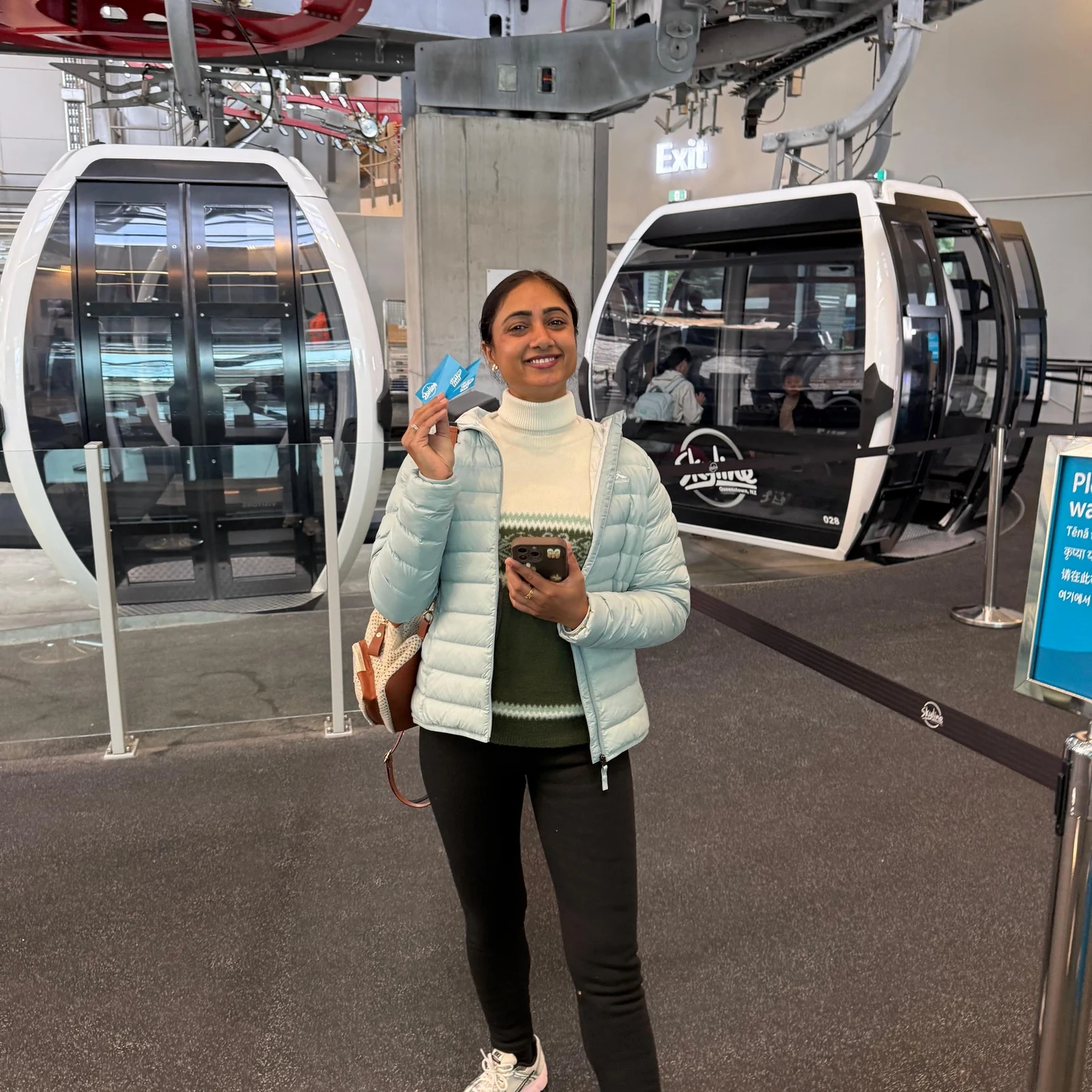
Queenstown Skyline Gondola and Luge: 3 Rides at Bob’s Peak
Enjoy the Queenstown Skyline Gondola and Luge with 3 rides at Bob’s Peak. Check prices, opening hours, restrictions and availability.
A Queenstown travel budget can grow surprisingly quickly because the town is exceptionally good at tempting you into one more experience. A gondola ride above the lake, a ski day, an alpine excursion or dinner with a view can all add to the trip cost. The reassuring part is that the scenery, many walks and some of Queenstown’s best views are still free.
A Queenstown travel budget does not need to be luxurious. You can walk along Lake Wakatipu, hike nearby trails, explore Queenstown Gardens and enjoy the mountains while spending very little. The biggest difference between an affordable trip and an expensive one usually comes down to accommodation costs and how many paid activities you decide to book. All prices in this guide are in New Zealand dollars (NZD) and should be treated as planning estimates rather than fixed rates.
Compare locations and options to find a base that suits your trip. Booking.com confirms current availability and pricing.
Find accommodation on BookingYes. Within New Zealand, Queenstown is one of those destinations where working out your budget before arrival is worthwhile, especially if you want central accommodation and several paid experiences.
Rooms also tend to become more expensive in winter and summer. June to September coincides with the snow season, while December to February attracts much of the summer tourism. March to May and October to November generally offer a friendlier balance between Queenstown prices, weather and crowds.
Food prices in Queenstown can suit very different budgets, but eating breakfast, lunch and dinner out every day adds up quickly.
For a real-world reference, a classic burger at Fergburger currently costs around NZ$17–27, while a serving of fries is about NZ$8.50.
At cafés and restaurants by the lake, breakfast can cost roughly NZ$20–40; at hotel restaurants, many main courses are priced at around NZ$36–58.
NZ$35–55 per person: supermarket shopping, cooking at a hostel or apartment, and the occasional casual meal.
NZ$70–120: a café or simple breakfast, casual lunch and a standard dinner.
NZ$140–220 or more: frequent restaurant meals, wine, cocktails and higher-end dining.
Travellers with access to a kitchen can reduce their Queenstown daily budget considerably without cutting the experiences they actually came to enjoy.
Transport is one of the few parts of a Queenstown trip that can be surprisingly affordable.
Orbus buses currently cost NZ$2.50 per adult journey when paying with a Bee Card, compared with NZ$4 in cash. Even the bus to or from the airport costs NZ$2.50 with a Bee Card, while the cash fare rises to NZ$10. The card itself costs NZ$5 and requires a minimum initial top-up of NZ$5.
If you stay close to the centre, much of Queenstown can also be explored on foot, which helps keep transport costs low.
Renting a car starts to make more sense if you want to explore Glenorchy, Arrowtown, remote hiking areas or take a wider road trip around the South Island. Once you add rental costs, fuel and parking, however, a car can make a noticeable difference to your overall Queenstown trip cost.
This is the real budget trap in Queenstown: it is very easy to add one appealing experience after another.
A ride on the Skyline Gondola alone currently costs NZ$69 per adult. The gondola plus three luge rides costs NZ$99.
One activity on its own is not necessarily a problem. Spending rises when you start combining the gondola, adventure sports, excursions, snow activities and other experiences over several consecutive days.
That is why it usually makes sense to choose one or two Queenstown activities you genuinely care about and build the rest of the trip around free outdoor experiences.
Queenstown rewards this approach particularly well: Lake Wakatipu, Queenstown Gardens, scenic walks and numerous hiking trails deliver memorable views without an admission fee.
These Queenstown trip cost estimates are per person and do not include international flights. The mid-range and comfortable categories assume two people are sharing a room.
Duration | Budget | Mid-range | Comfortable
3 days | NZ$250–500 | NZ$600–1,100 | NZ$1,300–2,700
5 days | NZ$450–900 | NZ$1,100–1,900 | NZ$2,300–4,800
7 days | NZ$650–1,300 | NZ$1,500–2,800 | NZ$3,300–7,000+
Budget: hostel, supermarket food, buses and hiking, with the occasional carefully chosen paid experience.
Mid-range: shared hotel or motel room, restaurants without going overboard, public transport and several activities.
Comfortable: high-end hotel, frequent restaurant meals, taxis or a car when convenient, and few compromises when it comes to activities.
If you are travelling alone and want a private room, the mid-range budget can increase considerably because you will not be able to split the accommodation cost.
Winter deserves its own category when planning a Queenstown travel budget.
A snow trip means peak-season accommodation, transport to the ski fields, lift passes, equipment rental and possibly lessons. For that reason, the budgets above should not be interpreted as the total cost of a skiing holiday.
Queenstown can be relatively manageable for someone visiting to hike and enjoy the scenery; the cost rises quickly when the main goal is to ski for several days.
Visiting Queenstown on a budget does not mean refusing everything that costs money. The better strategy is to spend where an experience genuinely matters to you.
Staying in a hostel with a kitchen can free up enough money for one memorable experience. Using Orbus instead of taxis allows you to save without sacrificing too much time. Setting aside several hours to walk along the lake or hike one of the nearby trails also removes the feeling that every day needs an admission ticket.
It is also worth comparing accommodation outside the very centre of town. Frankton, for example, is connected by bus and can be practical, although staying farther from the centre means giving up some of the convenience of walking straight to the lake, restaurants and bars.
Queenstown is not expensive because a coffee is unaffordable or because you need a taxi every time you go somewhere. It can become expensive because the destination constantly tempts you to add experiences.
That distinction matters.
A mountain lover who enjoys hiking can spend several days here on a relatively sensible budget. Someone who wants to try adventure sports, ski, join organised excursions and eat well every evening can spend several times more while looking out over exactly the same lake.
That may be the best way to understand how much a trip to Queenstown costs before booking: the scenery does not determine your travel budget; the way you choose to experience it does.
Discover Queenstown through selected experiences combining Lake Wakatipu, alpine landscapes, Fiordland, adventure, food and day trips to suit the pace of your journey.
Activity on TourBookGoEnjoy the Queenstown Skyline Gondola and Luge with 3 rides at Bob’s Peak. Check prices, opening hours, restrictions and availability.
 Activity on TourBookGo
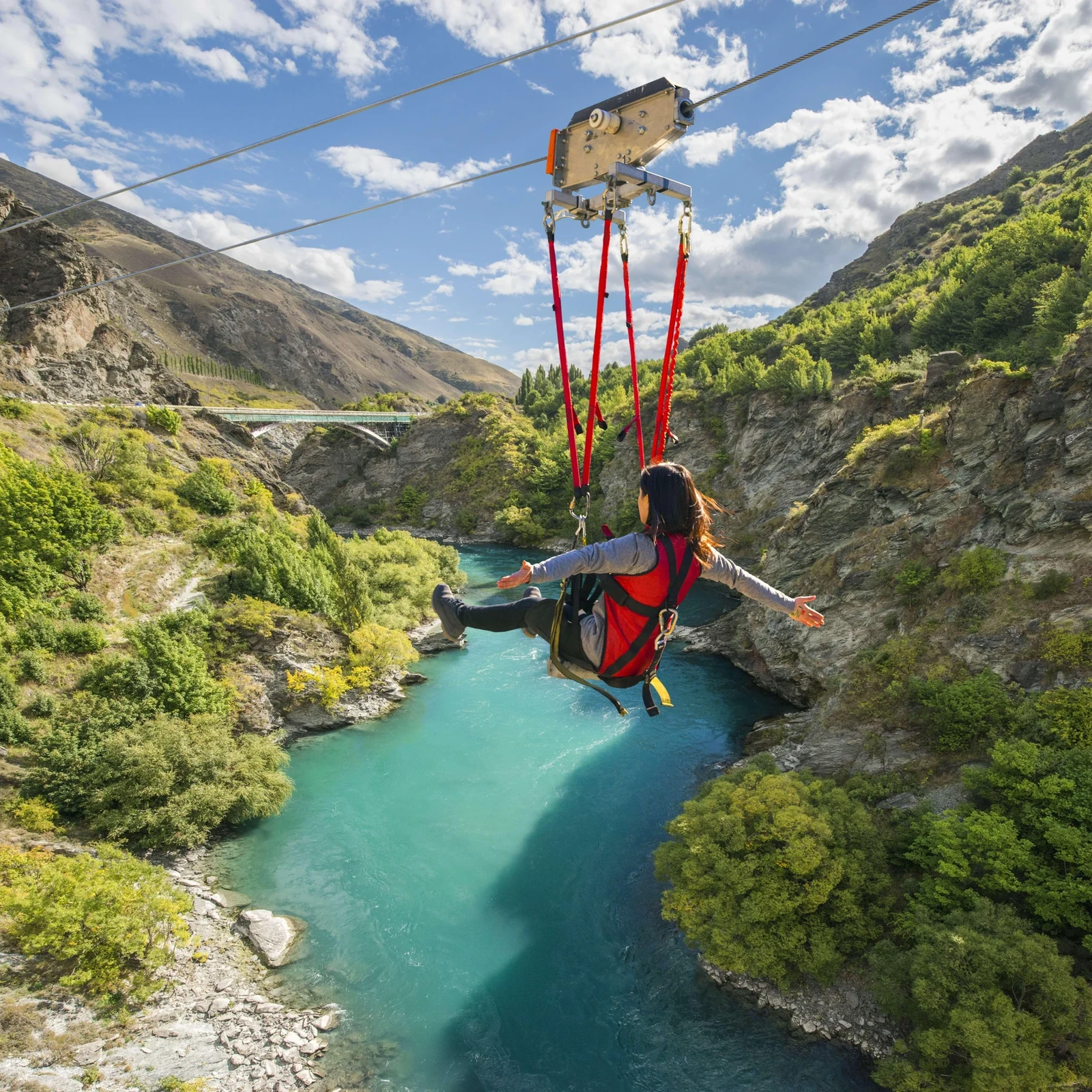
Kawarau Zipride Queenstown: a 130-metre Kawarau River zipline, solo or tandem, with included photos and optional free transport.
 Activity on TourBookGo
Explore this Queenstown zipline tour with 4 lines on Bob's Peak, small groups and Lake Wakatipu views. Check dates and availability.