 Activity on TourBookGo
Queenstown Quad Biking: 4x4 Adventure on Queenstown Hill
Book a Queenstown quad biking experience on private Queenstown Hill tracks with a guide, training, gear, pickup and around 2 hr 15 min of riding.
Queenstown safety can feel reassuring from the moment you arrive. Lake Wakatipu opens out in front of the town centre, the mountains seem to wrap around it, and even after dark the atmosphere retains that blend of small Alpine town and international destination.
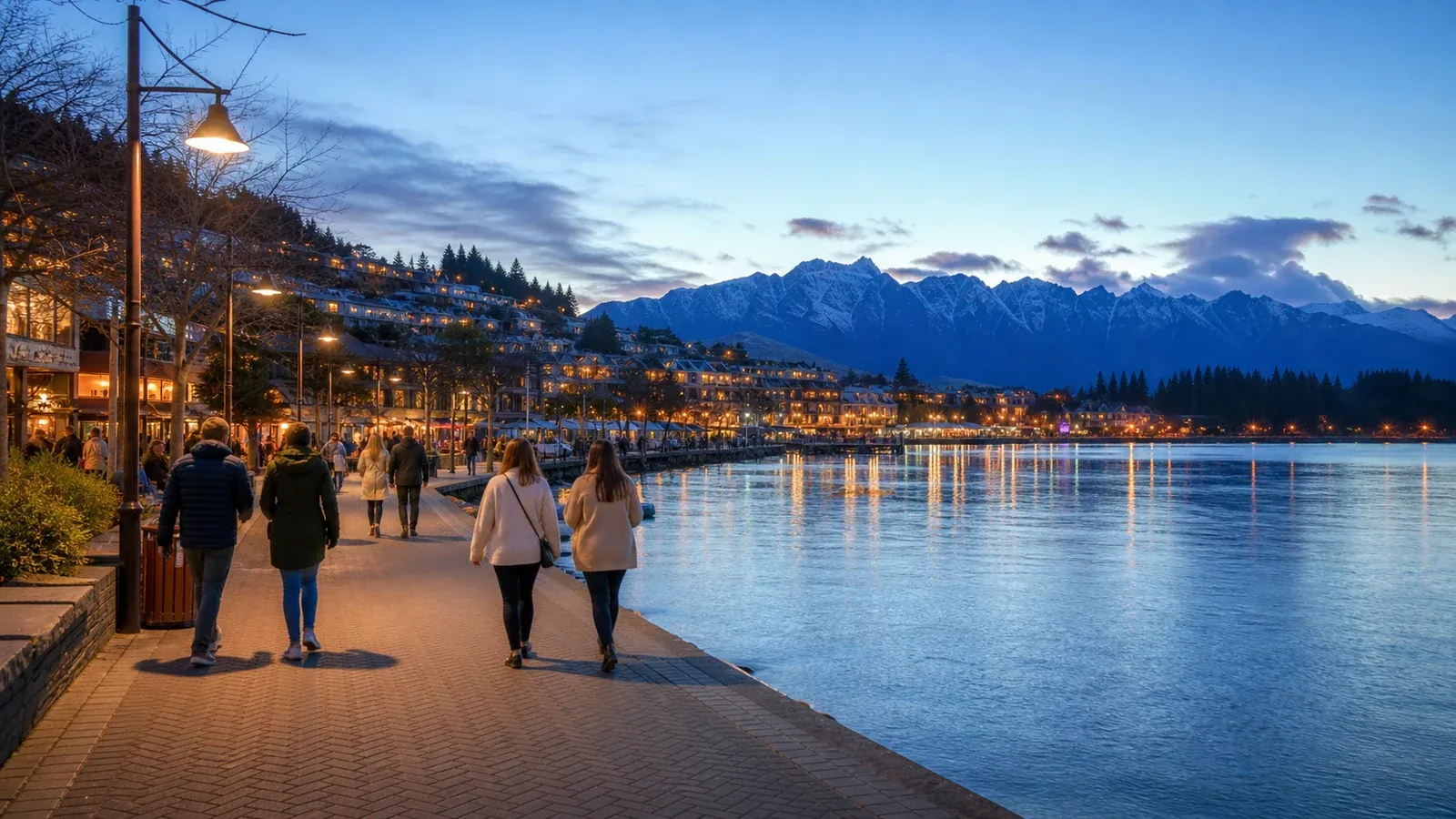
Queenstown safety is generally good for travellers who take normal precautions. New Zealand Police describes the country as a relatively safe destination, while reminding visitors that it is not crime-free and advising them to protect their belongings, avoid poorly lit or isolated places late at night and exercise caution around alcohol. In Queenstown, moreover, some of the most important risks have little to do with crime: icy roads, sudden weather changes, Alpine trails, adventure sports and a natural environment that is far less tame than its proximity to town might suggest.
Compare locations and options to find a base that suits your trip. Booking.com confirms current availability and pricing.
Find accommodation on BookingDuring the day, walking around the town centre, the lakefront and the main tourist areas is generally straightforward. Queenstown is relatively compact, and much of its urban life is concentrated around just a handful of streets.
At night, however, it is worth distinguishing between feeling safe and completely letting your guard down.
The central streets can remain fairly busy thanks to restaurants, bars and accommodation, but New Zealand Police recommends avoiding walking alone late at night in dark or isolated places.
The risk tends to increase because of specific situations rather than because you are in a particular neighbourhood: drinking too much, heading back alone in the early hours, losing sight of your phone or wallet, or walking near the water without paying enough attention.
It does not make much sense to portray Queenstown as a city divided between safe neighbourhoods and areas tourists should avoid.
It is more useful to take extra care in:
poorly lit streets once there are very few people around;
car parks and trailheads where vehicles are left for hours;
isolated areas after drinking;
mountain paths that seem close to town but quickly lead into Alpine terrain.
Police particularly recommend not leaving suitcases, cameras, electronic devices or other visible belongings inside cars or campervans, including in car parks near tourist attractions and at the start of walking tracks.
The mistake would be to assume that because Queenstown feels relaxed, you can leave a backpack on a bench, keep a camera in plain sight inside the car or store all your cards and documents in the same place.
Opportunistic crime can exist even in safe destinations.
Rather than worrying excessively about supposed Queenstown-specific scams, it is better to follow simple precautions: shield your PIN when paying or withdrawing cash, keep an eye on your belongings in busy places and do not leave valuables unattended. These are among the precautions New Zealand Police recommends to visitors.
It is also worth booking accommodation and adventure activities through identifiable businesses and checking carefully what you are paying for before making a booking.
Queenstown has a lively nightlife scene for a town of its size. That atmosphere is part of its appeal, but it also changes the kinds of risks travellers may encounter.
The most sensible precautions revolve around alcohol: keep an eye on your drink, avoid situations that make you feel uncomfortable and plan how you will get back to your accommodation. Police specifically advise not leaving drinks unattended and avoiding walking alone late at night in poorly lit areas.
If your hotel is far from the centre, improvising your journey back after a long night out is usually a worse idea than arranging transport beforehand.
For women travelling solo, Queenstown can be a relatively comfortable destination: the centre is easy to navigate, there is extensive tourist infrastructure and plenty of independent travellers.
Even so, that sense of safety should not be treated as an absolute guarantee.
At night, the same precautions apply as in any unfamiliar destination: stay in busy areas, keep control of your drink, share your plans with someone if you are going out alone and avoid accepting lifts from strangers. General police advice in New Zealand is not to hitchhike or accept rides from people you do not know, especially when travelling alone.
And if the day includes a remote hike, safety stops being mainly an urban issue: weather conditions, mobile coverage and preparation matter far more.
This is where Queenstown can be deceptive.
From a terrace in the centre, the mountains look so close that they can seem accessible and harmless. But behind that postcard view begins a serious Alpine environment.
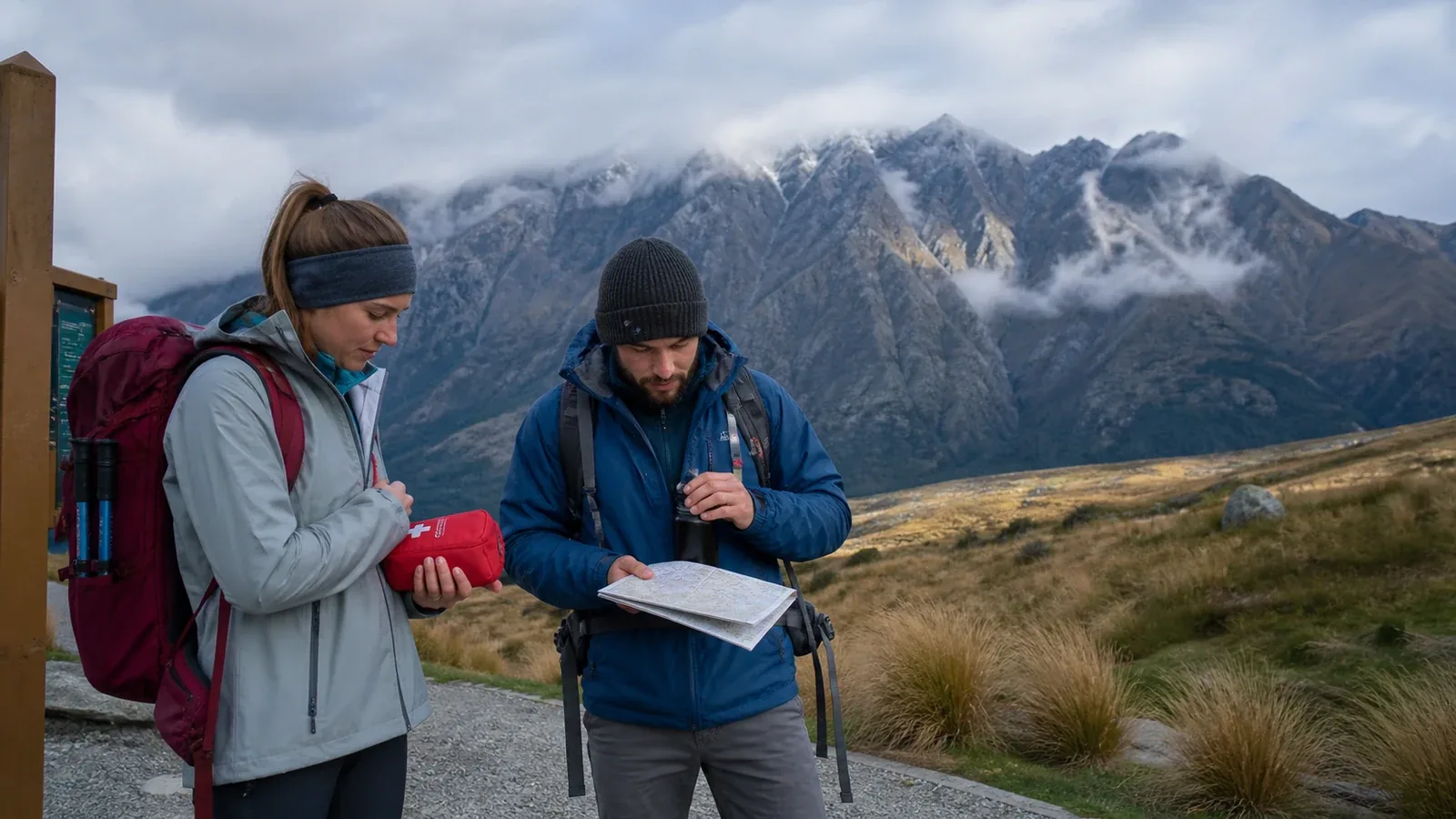
Official Queenstown information warns that many nearby tracks cross steep, remote and Alpine terrain, and that the weather can change quickly. Visitors are advised to check conditions, carry warm and waterproof clothing, extra food and water, tell someone their planned route and consider carrying an emergency locator device when entering remote areas.
That advice is not an exaggeration.
A classic mistake is to start a hike under blue skies wearing light clothing because everything around Queenstown seems under control. At altitude, wind, cold or rain can completely change the day.
Knowing when to turn back is part of travelling well in New Zealand.
Bungy jumping, rafting and other high-adrenaline experiences are part of Queenstown’s identity. But “regulated activity” does not mean “risk-free activity”.
In New Zealand, commercial activities that legally fall within the adventure activity category must pass safety audits and register with WorkSafe; registered operators also appear on a public register.
This provides an important safety framework, but travellers have responsibilities too.
You should listen to the safety briefing, tell the operator about any relevant health conditions or limitations, respect weather conditions and not let the desire to make use of a paid booking push you into ignoring a situation that feels wrong.
If a company changes or cancels an activity for safety reasons, that is not necessarily poor service. Sometimes it is exactly the opposite.
Outside the town centre, having a car opens up access to extraordinary scenery, but driving in the region requires more care than the photographs might suggest.
In winter, ice, snow, rain, fog and rapidly changing conditions can all occur. New Zealand’s transport agency recommends checking road and weather conditions before setting out, reducing speed, increasing following distance and allowing for possible closures or delays.
The problem is not only visible snow.
Ice can turn an apparently quiet road into a difficult surface, especially early in the morning or when temperatures drop. If you have never driven in winter conditions, it is wise to be conservative when planning road trips.
Queenstown is also located in a region where natural hazards are part of everyday reality.
Local authorities identify earthquakes, severe storms, flooding, landslides, snow, ice and wildfires among the district’s possible emergencies, as well as unusual movements in lake water associated with major earthquakes.
That is not a reason to avoid travelling there. It is, however, a reason to know the basic emergency instructions and not treat the environment as though it were purely a tourist playground.
In an emergency requiring police, ambulance or fire services, the national emergency number is 111. For non-urgent police matters, the number is 105.
For families, Queenstown can be a very comfortable destination provided activities are suited to the children’s age and abilities.
The main concerns are likely to be less about crime and more about water, hiking, mountain roads and the choice of adventure activities.
It is also worth remembering that a walk described as easy by an adult used to the mountains can feel very different with children, wind, cold or fatigue.
There is nothing to prove. A short day by the lake may turn out to be a much better family experience than forcing an ambitious route simply because it appeared on the itinerary.
Winter This is the season when roads, ice, snow and low temperatures require the most planning. Check conditions before driving and carry suitable clothing even when the day starts out clear.
Summer Long days make hiking easier to plan, but other risks appear: sun exposure, dehydration and, during dry periods, wildfire risk. The district lists wildfires among its relevant natural hazards.
Spring and autumn These seasons are beautiful, but they can be particularly misleading for anyone who mistakes a mild morning for stable weather. In the mountains, conditions can change quickly.
Probably the most common mistake is underestimating the environment because the tourist infrastructure is so good.
You should also avoid heading out on a hike without checking the weather, leaving luggage visible in the car, driving on ice as though the road were dry, walking back alone through deserted areas after drinking too much or booking an adventure activity without paying attention to the safety instructions.
There is also another, less obvious mistake: insisting on completing the plan at all costs.
In Queenstown, changing an excursion, turning back before reaching a summit or deciding not to drive when the weather worsens does not ruin the trip. Very often, it protects it.
Yes. Queenstown safety is generally reassuring for travellers who take normal precautions. There is no need to spend the trip constantly worrying about crime or planning every walk as though it were a high-risk operation.
But it does have an important paradox.
The town can feel very easy; the nature surrounding it is not always so forgiving.
Travellers who assume the main danger lies in the streets are probably looking in the wrong direction. In Queenstown, an icy road, a sudden change in mountain weather or an overly optimistic decision during an outdoor activity deserves more attention than the idea of wandering into supposedly dangerous neighbourhoods.
That contrast is also part of its beauty: few towns allow you to have breakfast beside a calm lake and, only a few hours later, find yourself surrounded by a genuinely Alpine landscape. Enjoying it with respect, rather than fear or overconfidence, is probably the best way to feel safe.
Discover Queenstown through selected experiences combining Lake Wakatipu, alpine landscapes, Fiordland, adventure, food and day trips to suit the pace of your journey.
Activity on TourBookGoBook a Queenstown quad biking experience on private Queenstown Hill tracks with a guide, training, gear, pickup and around 2 hr 15 min of riding.
 Activity on TourBookGo
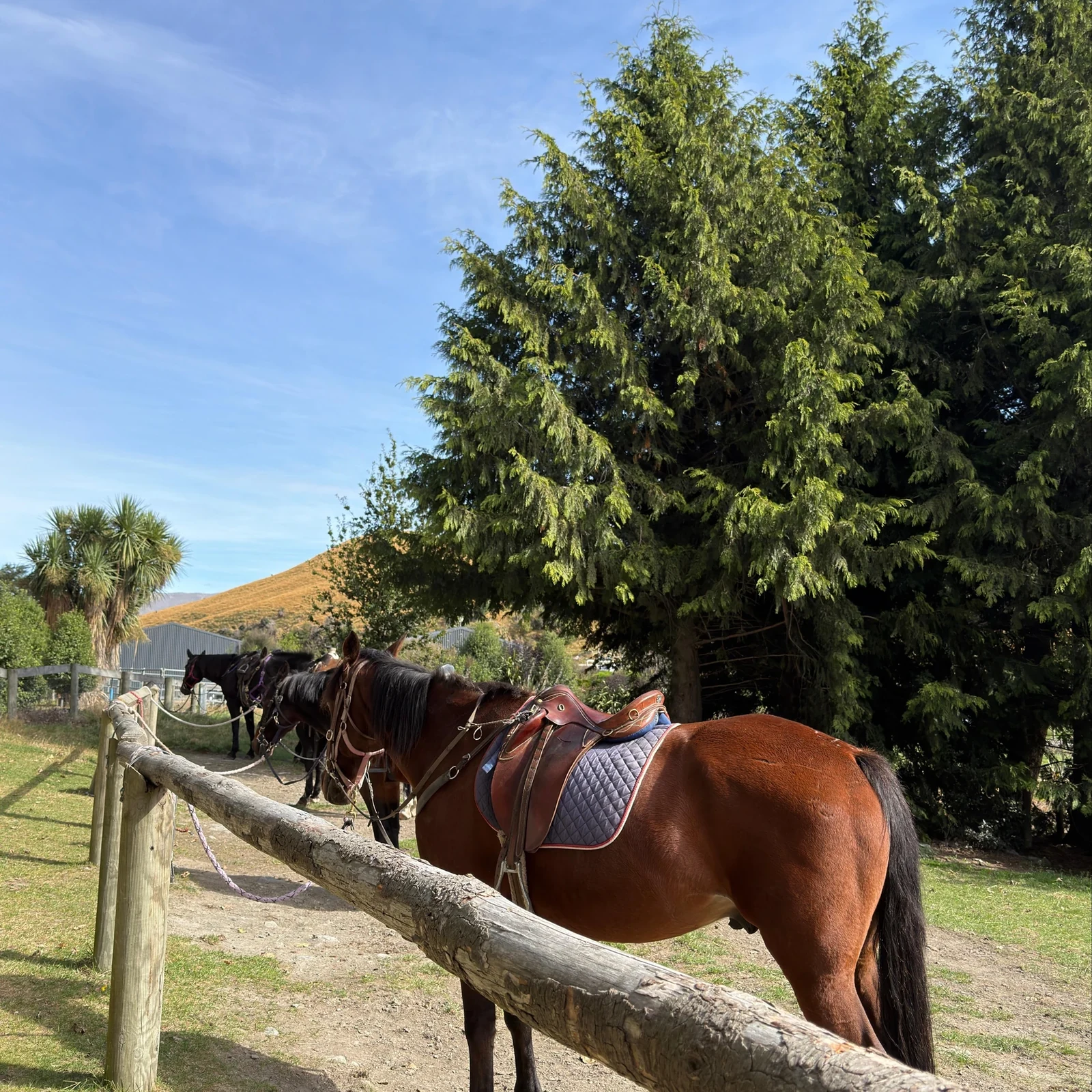
Discover the Walter Peak horse trek and cruise from Queenstown: Lake Whakatipu scenery, 40-45 minutes riding, tea, price, requirements and whether it is worth it.
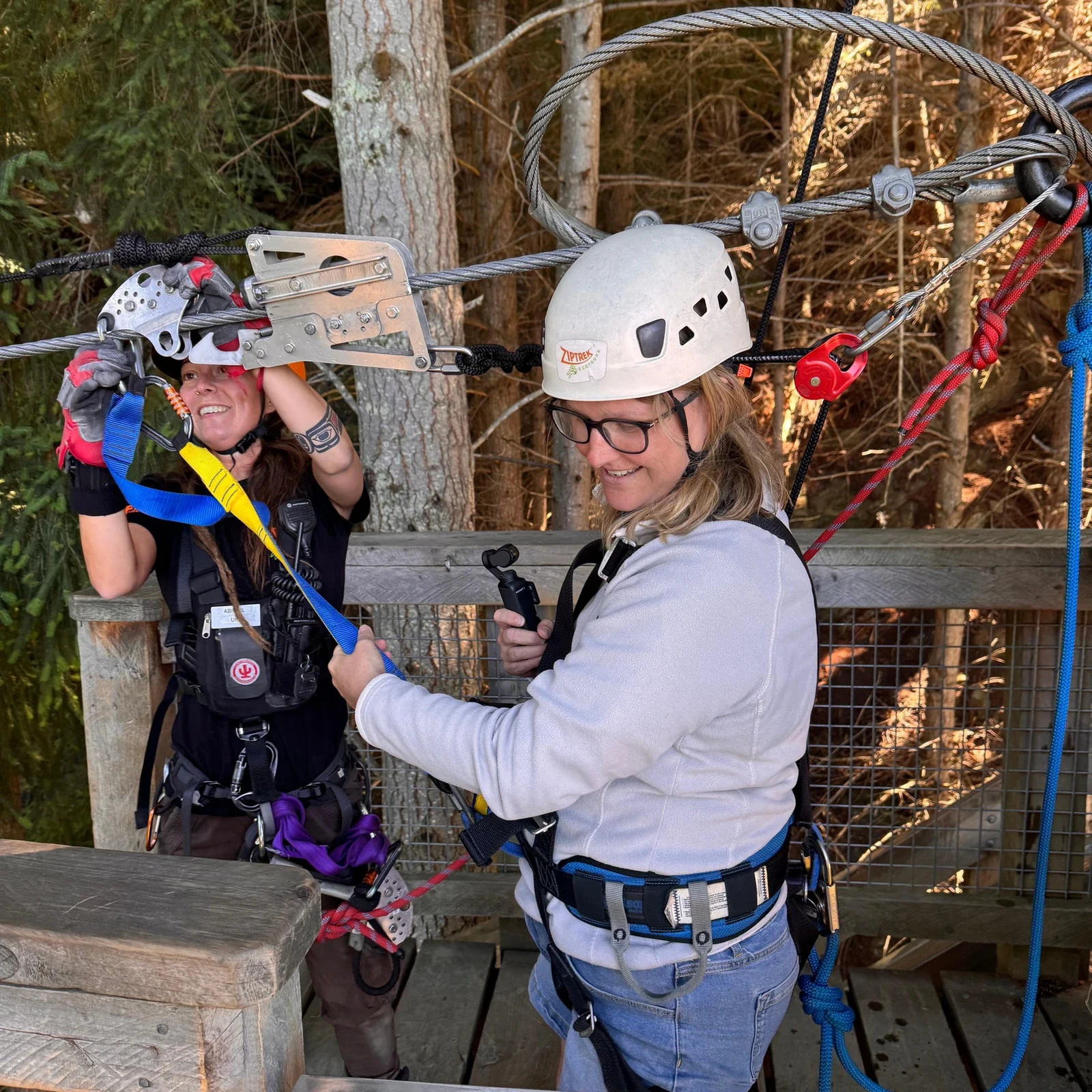 Activity on TourBookGo
Book a Queenstown zipline tour with 6 progressive lines on Bob’s Peak, around 3 hours of adventure, Lake Wakatipu views and groups of up to 10.