 Activity on TourBookGo
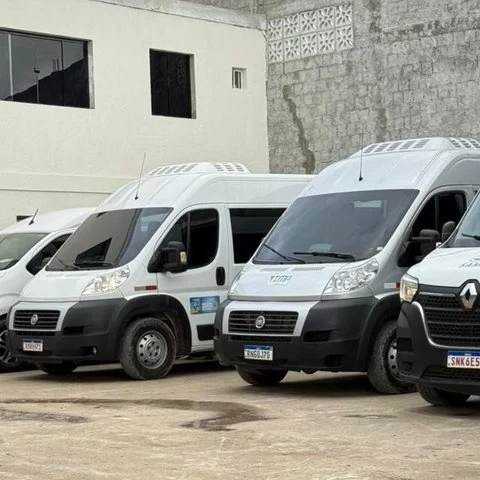
Shared transfer from Recife to Porto de Galinhas
Arrange a shared transfer from Recife Airport or a Recife hotel to your accommodation in Porto de Galinhas and check current terms on Viator.
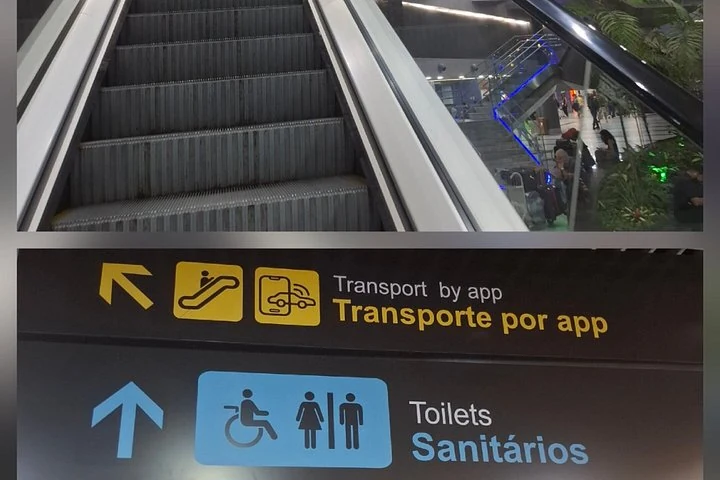
The app-transport sign at Recife airport helps you compare ways to reach the city and begin the trip with an informed decision.
Plan journeys between your accommodation, places of interest and departure points to use your time effectively. The key is not one form of transport, but grouping areas and choosing a sensible connection between them.
Staying in Recife: compare a prebooked transfer with app transport from the airport.
Find accommodation on BookingGetting around Recife efficiently is not about choosing one form of transport, but combining short walks with motorised journeys between different areas. The city brings together a waterfront, historic centre, rivers, bridges, markets, parks, monuments and cultural venues. Trying to connect distant places without a clear order can turn an appealing day into a succession of waits and trips across the city.
The municipal itineraries provide a useful clue: they group visits by area and spread coastal, historic and cultural settings across different times or days. That logic matters more than any rigid route. First decide which area you want to explore; then choose how to reach it and move around once there. Traffic conditions, the time of day and your starting point make fixed journey times impossible to guarantee.
Arrival is the first moment when it pays to avoid automatic decisions. Signs for app-based transport at the airport help you compare options for reaching the city, while the executive taxi rank offers a direct alternative for completing the final leg. If you have already booked a transfer, check the meeting point, destination and conditions before leaving the terminal.
The CTTU publishes a list of accredited apps authorised to provide paid private transport for individuals in Recife. Consulting it helps you identify a regulated option without relying only on logos or commercial messages. Do not assume that the same system will always be the most convenient: a solo traveller, a family with luggage and a group staying far from the airport have different needs. Also check the current fare and the exact pickup point for your chosen service.
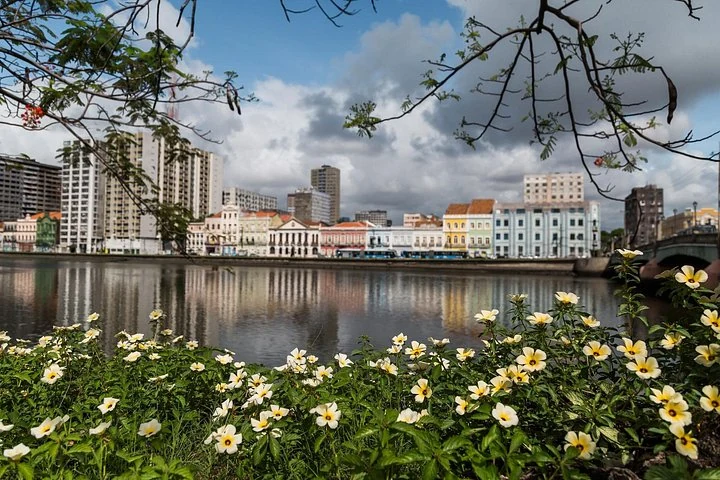
Rua da Aurora illustrates one advantage of organising Recife by sector. Its riverside route can be incorporated into a day in the centre, linking short journeys without turning every change of location into another motorised trip. Here, the water and urban layout offer a different view of the coastal city: Recife’s scenery is not confined to the seafront.
The practical approach is to reach the right area and then explore its surroundings at a relaxed pace, provided personal circumstances and weather conditions allow. You do not need a vehicle for every nearby stop, but neither should you interpret “centre” as meaning that all distances are negligible. Before setting out on foot, review the whole route, identify where you will finish and avoid having to return unnecessarily to your starting point.
One municipal example combines Boa Viagem in the morning, Recife Antigo in the afternoon and a river activity at the end of the day. It is not compulsory and does not guarantee that every visit will be available, but it demonstrates a clear sequence: concentrate first on the waterfront, then move to the historic area.
Boa Viagem is an urban beach with an extensive seafront and offshore reefs. Because it stretches so far, “being in Boa Viagem” does not mean you are close to every point in the area. A similar issue arises in Recife Antigo, though on a different scale: decide which places will genuinely form part of your walk before arriving. If your plan requires moving repeatedly between the coast and the centre, it probably needs simplifying.
Walking is worthwhile when the journey forms part of the visit, allowing you to observe bridges, the river, façades and transitions between urban spaces. It makes less sense when it merely covers a long connection in a warm, humid climate. Recife has high average temperatures throughout the year, and the combination of heat and humidity can change how strenuous a walk feels.
From June to August, identified by municipal tourism information as the period of heaviest rainfall, it is wise to prepare alternatives for exposed sections. This does not mean giving up walking, but reserving it for coherent routes and having a transport option available if the weather changes. The forecast for your specific dates should always take precedence over general seasonal patterns.
Public transport can be part of the trip, but routes, connections and conditions should be confirmed with the current operators. Do not build a tightly scheduled day around a remembered timetable, an old screenshot or undated directions. First locate your departure point and arrival stop; then assess how far you will have to walk and whether the journey fits with the rest of the day.
Accredited apps are useful for direct connections, returning when tired or travelling with luggage. Their convenience does not remove the need to check the vehicle, destination and conditions shown in the app itself. For residents, they can provide an occasional supplement when a cultural activity ends far from the usual route. For visitors, they reduce uncertainty between unfamiliar areas, although using them for every journey can make the experience more expensive and fragmented.
Hiring a car can offer independence if your programme includes numerous journeys that cannot be handled efficiently by grouping areas. For a stay focused on Boa Viagem, Recife Antigo and other urban sectors, however, driving is not automatically the most efficient option. Navigation, parking, collection, return and the concentration required in unfamiliar surroundings must all be considered.
The right question is not whether Recife “requires a car”, but how many specific journeys it would improve. If it remains parked for much of the day, combining walks with on-demand transport may be simpler. If you choose a car, confirm in advance where you can leave it and avoid designing a route that depends on finding parking without checking current conditions.
Travellers staying near the main sights can devote each day to one sector and reduce the number of connections. Families should limit unnecessary changes and plan how to return if rain or tiredness sets in. People with reduced mobility need to confirm accessibility and drop-off points directly with each service or venue, because a map does not reveal every obstacle along a route.
For a first visit, a simple framework often works: one main area per half-day and a clear connection to the next. For residents, the value lies in reversing the tourist logic: choose a specific activity outside your usual routine and build a local route around it, instead of repeating the entire circuit of familiar places.
The most effective way to move around Recife begins with a geographical schedule, not by accumulating forms of transport. Group the coast, historic centre and cultural spaces; walk when the surroundings are part of the experience; use regulated services for sensible connections; and always check current routes, fares and availability.
Allow time for weather and traffic. A day with fewer trips across the city leaves more time to understand Recife’s rivers, bridges, waterfront and cultural life. The best journey is not necessarily the fastest, but the one that supports your plan without becoming its main focus.
Recife: discover activities for your trip. Before booking, check each activity's location, meeting point and route.
Activity on TourBookGoArrange a shared transfer from Recife Airport or a Recife hotel to your accommodation in Porto de Galinhas and check current terms on Viator.
 Activity on TourBookGo
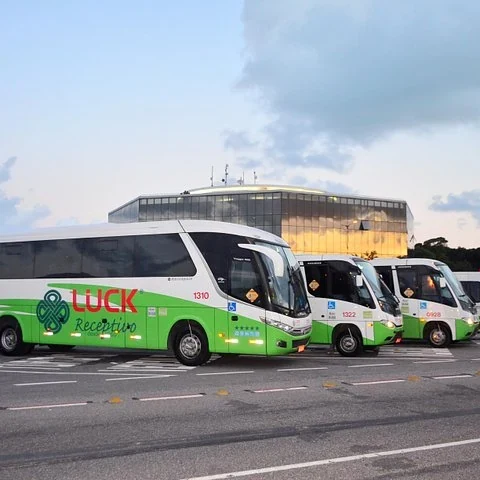
Arrange a shared arrival transfer from Recife Airport to a João Pessoa seafront hotel or pousada. Review the conditions and book through Viator.
 Activity on TourBookGo
Book on Viator a 60-minute private transfer from Recife Airport to your accommodation in Itamaracá, with flight monitoring.