 Activity on TourBookGo
Northern Lights from Reykjavik with Photos | Thor Travel
Search for auroras with Thor Travel on a shared 4–5 hour tour with an English-speaking guide and professional photos. Check pickup and terms on Viator.
Daylight shapes your plans. The scene shows particular conditions, not a forecast or proof of seasonal availability.
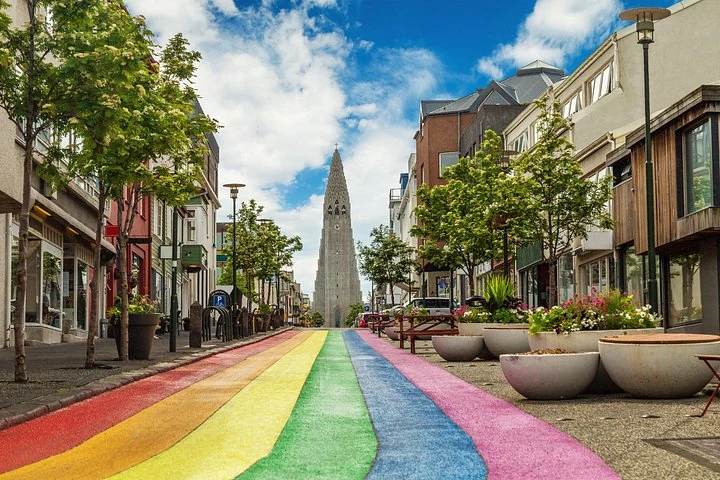
Decide how much walking, culture and regional exploring matter before choosing your dates.
The image gives urban context for choosing a base; it identifies no booked accommodation and establishes no facilities, price or accessibility.
Find accommodation on BookingThe best time to visit Reykjavik depends on what you want to do with the daylight available. Summer suits urban exploring with very long days; autumn gradually brings darkness back; winter requires more attention to travel conditions. No season, on its own, guarantees any particular experience.
If this is your first visit to the capital, decide how much time to devote to walking, culture and excursions. Travellers interested in museums, food and everyday life have different priorities from those planning their trip around an outing into the surrounding countryside. That distinction is more useful than chasing a supposedly perfect date.
Summer’s very long days let you spread out sightseeing without squeezing all your outdoor exploring into a short window. Central landmarks include Hallgrímskirkja, Tjörnin, Harpa and the Old Harbour: choose according to your interests, without treating the available daylight as an obligation to keep walking.
This season works well if you enjoy observing the city on foot and prefer daylight to play less of a role in planning your day. Families should keep their usual rest times even when the light invites them to carry on. The trade-off is straightforward: all that daylight will not suit anyone hoping for a stay shaped by the night.
In autumn, the days shorten and darkness returns. That change affects how you divide your time: save daylight for the walks that matter most to you, and arrange indoor visits around the actual conditions of access.
Reykjavik offers reasons to visit beyond its scenery. Museums, music and food can underpin a stay whose appeal does not depend entirely on being outdoors. Autumn may suit you if you enjoy that combination of urban exploring and afternoons inside. However, the return of night is no promise of the northern lights: staying in the capital does not guarantee any natural sighting.
In winter, clothing and footwear need to suit the actual state of the streets and your chosen activities. Consider equipment before booking: a break focused on cultural venues has different requirements from a long day outdoors.
If your aim is to discover the capital, build your itinerary around a few visits that would make the stay worthwhile in themselves. Hallgrímskirkja and Harpa could be among them, without assuming that all their spaces will be accessible on every date. If you need to walk a great deal each day, consider how uncomfortable conditions might affect your enjoyment. Winter means accepting that possibility from the outset.
Spring deserves consideration in its own right. Compare the daylight available on your specific dates with the time you want to spend at Tjörnin, along the waterfront or in the centre. The word “spring” alone does not describe the conditions you will encounter.
It can be a reasonable choice if your main aim is to discover Reykjavik and regional outings are secondary. Avoid transferring plans inspired by summer photographs to these dates. The vegetation, snow or light in an image belongs to the moment it was taken; it does not establish what the destination will look like during your stay.
Sun Voyager offers a reference for considering what you want from an outdoor walk. Its boat-like silhouette and open metal lines draw attention to the surrounding space. Visiting out of interest in the sculpture is a different decision from waiting for particular lighting to photograph it.
The scene reflects conditions at that moment; it is neither a forecast nor evidence of seasonal availability. If this stop matters to you, consider the daylight on your dates without treating a photograph as a promise. For a couple who enjoy walking and observing, it may justify time outdoors; anyone preferring a brief visit can include it in an urban route with less emphasis on photography.
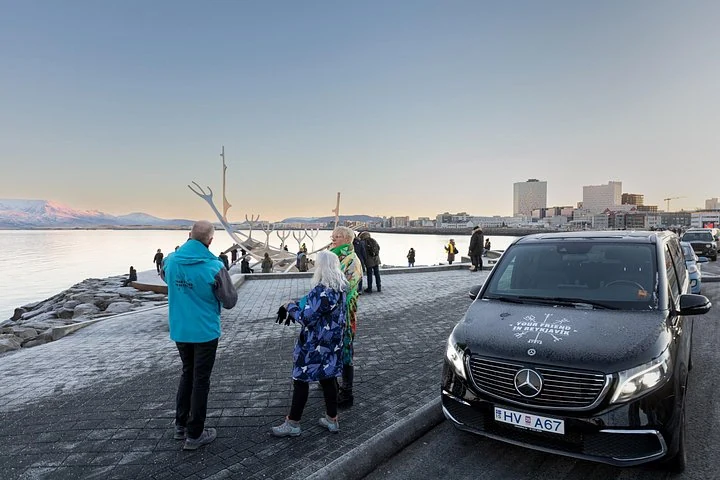
Museums, galleries, music and geothermal pools are part of life in the capital. They allow you to choose dates for a specific reason: a cultural visit or an interest in bathing culture, after checking the conditions at your chosen venue.
For residents, the criterion may be specific: choosing an activity that deepens their relationship with the city, rather than repeating the landmark circuit whenever the season changes. An exhibition or a cultural visit still on the list provides its own reason to go out. For visitors, identifying a main interest helps distinguish what deserves a booking. Do not assume that every pool has the same facilities or that any particular programme will be available during your trip.
Exploring Reykjavik and taking a regional excursion are separate decisions. A date that works for museums or walks in the centre is not necessarily suitable for an outing beyond the capital. Each route needs its own checks on access, transport and operation.
Before committing to an outdoor activity, consult official conditions and applicable warnings, including volcanic warnings when they affect the route. SafeTravel provides resources for preparing journeys in Iceland. For booked activities, review the specific terms of the service. No seasonal image replaces these checks. If the excursion is the main reason for your trip, its feasibility should influence your dates more than the city’s appearance.
The season matters when comparing accommodation, activities and visitor numbers, but it does not automatically tell you the price or occupancy for specific dates. Compare the available options for your entire stay and consider how your choice would change if a priority visit were fully booked.
If you want plenty of daylight for walking, summer has clear attractions; if you value darkness and a cultural stay, consider other seasons. If avoiding crowds matters, check demand for your chosen visits without assuming that an entire season will be quiet. The right dates are those whose appeal still makes sense to you even when a secondary expectation goes unmet.
Reykjavík: Check each service’s specific conditions.
Activity on TourBookGoSearch for auroras with Thor Travel on a shared 4–5 hour tour with an English-speaking guide and professional photos. Check pickup and terms on Viator.
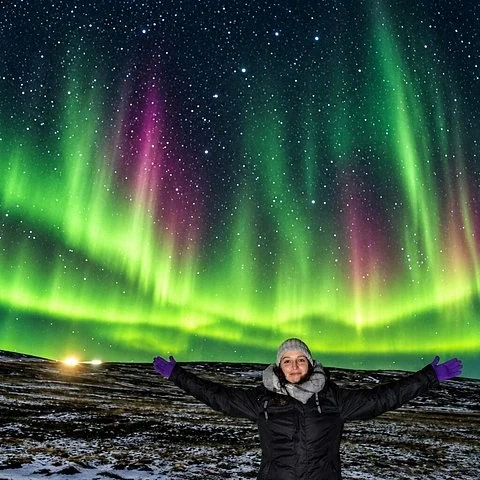 Activity on TourBookGo
Search for the Northern Lights from Reykjavik with a private guide, vehicle, pickup and professional photos. Allow 3–5 hours; sightings are not guaranteed. See Viator.
 Activity on TourBookGo
Combine the Golden Circle by super jeep with an hour of snowmobiling on Langjökull. English guide and Reykjavik pickup. Check options on Viator.