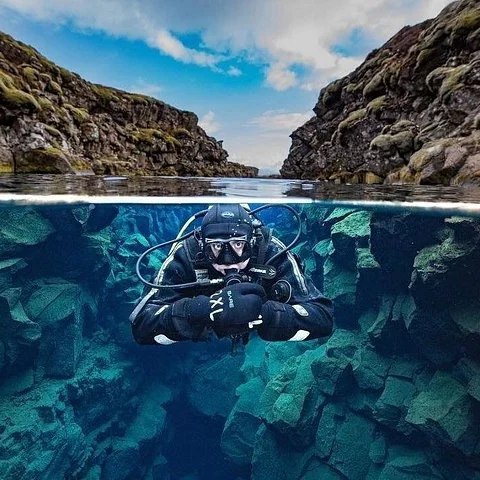
 Activity on TourBookGo
Silfra Scuba Diving with Reykjavik Pickup | TourBookGo
Dive in Silfra with a PADI instructor and pickup from Reykjavik. Review inclusions and clarify drysuit requirements before booking through Viator.
Plan around the day's conditions. Illustrative photograph; exact location unverified.

A manageable route, relevant alerts and a clear return plan help you enjoy your visit with confidence.
The image gives urban context for choosing a base; it identifies no booked accommodation and establishes no facilities, price or accessibility. Illustrative photograph; exact location unverified.
Find accommodation on BookingSafety in Reykjavik depends on practical decisions: where you go, the conditions you face and how you will get back. The compact centre makes routes easier to plan, but that does not establish that every journey suits everyone. Nor does it justify giving every neighbourhood the same label.
Separate urban precautions from the demands of a regional trip. Exploring the capital does not require driving around Iceland or joining activities that need specific preparation. For a first visit, choose a route with a clear plan for getting back. If you live nearby, still check conditions whenever you change your usual route: knowing a street does not tell you what it will be like that day.
A group wearing jackets listens to someone in a cobbled area with trees. The scene prompts thoughts about footwear and clothing for an outdoor talk; it does not establish that the paving is even or identify an organised tour. Illustrative photograph; exact location unverified.
When choosing a walk, ask about slopes, steps and surfaces if these affect your mobility. Even a short distance can be demanding because of the ground or conditions at the time. Bring clothing suitable for spending time outdoors as well as walking: standing still to listen and moving around do not call for exactly the same protection from the cold.

SafeTravel, run by ICE-SAR, provides travel condition alerts and preparation resources for Iceland. Check it before any outing whose feasibility depends on the weather, roads or access. Alerts need to match both the place and the date of your plans.
Weather and road conditions can change quickly. A favourable forecast does not replace a later check when circumstances change. If a relevant warning appears, adapt your route to its specific scope. Equally, do not assume that a regional alert means the whole city is closed: check which area it covers, what it recommends and which part of your day needs to change.
Harpa, the waterfront and the Old Harbour offer the basis for an urban route with different interests along the way. Before linking them together, decide how long you want to spend outdoors and where you will finish. Several places being close on a map does not guarantee a comfortable walk in every kind of weather.
If wind or rain makes walking difficult, shorten the outdoor part and consider a cultural visit after checking opening arrangements. Avoid letting a photograph you still want to take become a reason to prolong an uncomfortable journey. The useful choice is to retain what interests you about the walk while keeping the route manageable, without expecting the day to match a travel image.
Summer brings very long daylight hours; in autumn, days shorten and darkness returns. This changes how you organise a walk and when it makes sense to head back. Available daylight is no substitute for rest or paying attention to your surroundings.
To return by public transport, check Strætó using your starting point, destination, date and time. Check service changes before setting off, too. Do not assume a suitable connection will be available simply because you used it another day. Keeping your destination address handy and having an alternative way back is particularly useful if this is your first visit, you go out at night or you rely on a particular connection.
A regional excursion is not an automatic extension of a walk around the centre. It requires separate checks on transport, access and conditions. Before committing, also review volcanic alerts relevant to your intended route, without applying conclusions from one area to another.
Read each activity’s original requirements: age, health, equipment, meeting point and pickup arrangements may affect your participation. An experience advertised as departing from Reykjavik does not necessarily collect people from every address or suit everyone. If driving, assess actual road conditions and how prepared you are to handle them. A booking confirms a commercial commitment; it does not, by itself, guarantee favourable conditions.
There is no reason to turn a practical guide into a list of unsubstantiated threats. Equally, a lack of data about a risk should not be taken as proof that it does not exist. Keep your belongings under control and avoid leaving documents or devices unattended.
For a night out, agree how you will return before moving away from your base. If you are a woman travelling alone, choose your route and company according to your comfort, without feeling you have to justify changing your plans. Share your plans with someone you trust when you find it useful. These decisions support independence without assigning specific dangers to streets or neighbourhoods for which there is insufficient information.
With children or people who need support, review the whole route from departure to return. Ask about steps, slopes, breaks and physical demands before booking. An activity’s general description does not always address your group’s particular needs.
For visitors, choosing one part of the centre may be more useful than trying to link Hallgrímskirkja, Tjörnin and the waterfront in a single day. Reykjavik residents may take a different approach: choosing a nearby activity whose effort and duration suit their companions. In either case, confirm relevant details directly; an urban photograph does not establish accessibility or the availability of support services.
Iceland’s official emergency number is 112. Keep it handy and make sure you can explain where you are. Writing down the place name, address or meeting point helps describe the situation when nerves make it difficult to get your bearings.
The most useful preparation combines current information, a route compatible with your mobility and the freedom to change your mind. Reykjavik offers culture, walks and urban life without requiring a demanding excursion to complete your visit. Choose what you can enjoy comfortably while staying attentive. Caution works best when it lets you decide in time, before sticking to the programme becomes more important than feeling well.
Reykjavík: Check each activity’s original participation requirements.
Activity on TourBookGoDive in Silfra with a PADI instructor and pickup from Reykjavik. Review inclusions and clarify drysuit requirements before booking through Viator.
 Activity on TourBookGo
Snorkel Silfra with Adventure Vikings: wetsuit, English-speaking guide, underwater photos and Reykjavik transfers. Check requirements and book on Viator.
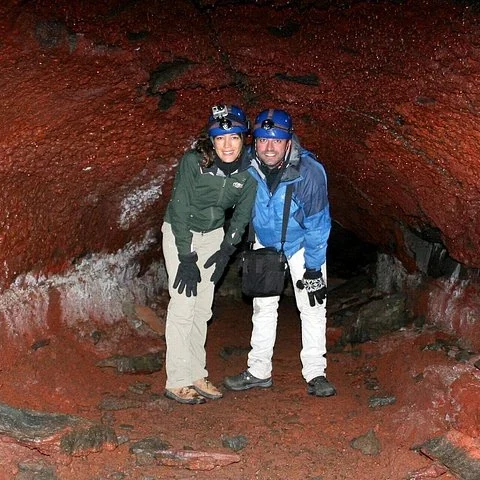 Activity on TourBookGo
Combine Leiðarendi cave and Silfra snorkeling with Adventure Vikings, transfers and underwater photos. Check requirements and book through Viator.