Eating well in Rio de Janeiro is not simply a matter of finding a table overlooking the sea. The city is best understood by moving between a lively boteco, an unpretentious neighbourhood dining room, a restaurant specialising in fish, a contemporary terrace and the occasional no-frills lunch in Centro. Carioca cuisine brings together regional recipes, Portuguese and African influences, beach culture and a deep-rooted love of sharing small plates over a cold beer. The key is to choose somewhere that suits the occasion rather than chasing an endless list of famous restaurants.
Combine a boteco with a home-style Brazilian meal and a fish or seafood experience.
Explore Botafogo, Centro or residential neighbourhoods for food beyond the beach circuit.
Before sitting down, check the full menu, any additional charges and which dishes are actually available.
Booking.com
Accommodation in Rio de Janeiro
Compare locations and options to find a base that suits your trip. Booking.com confirms current availability and pricing.
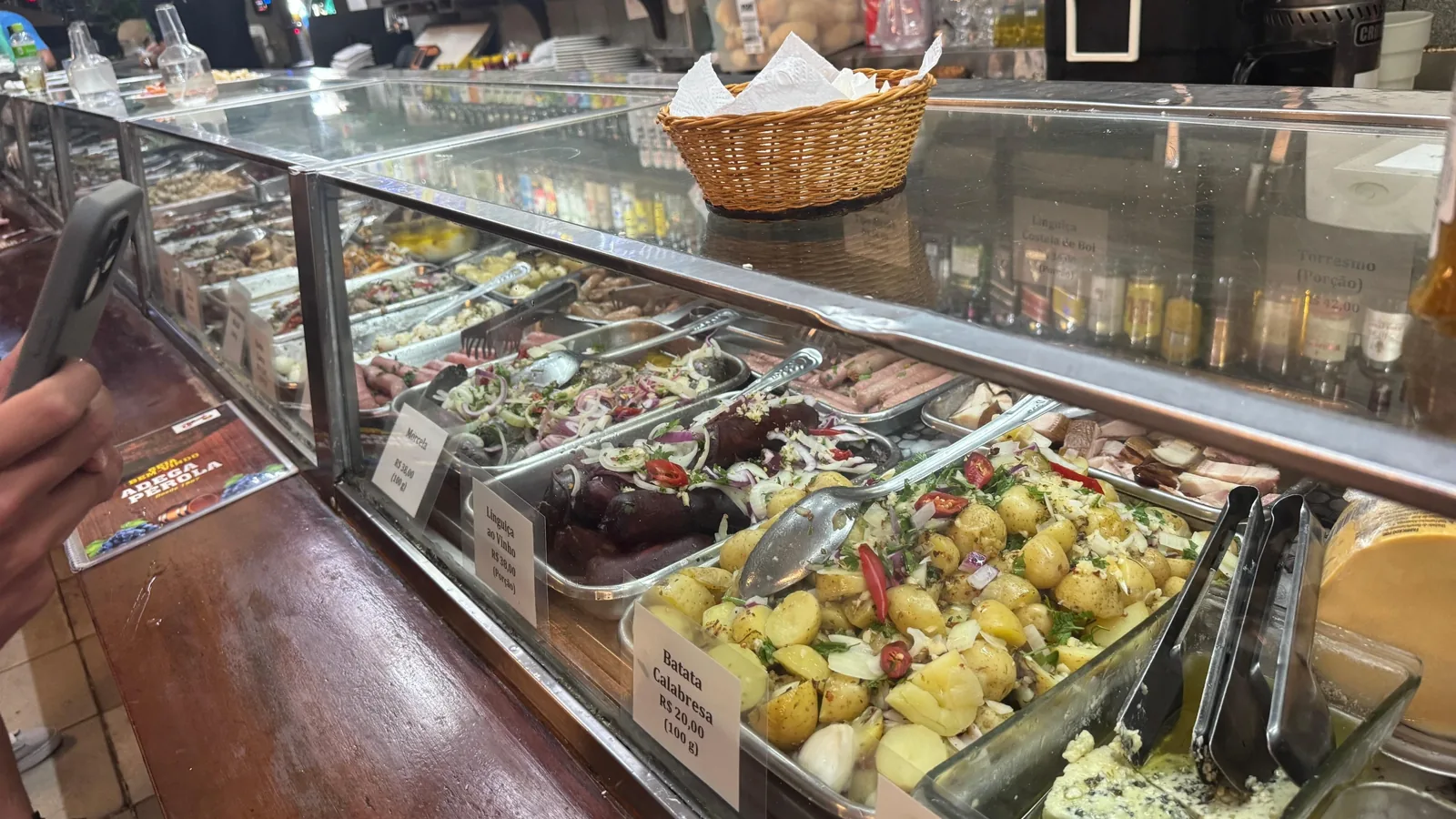
The boteco is one of the city's culinary institutions. It might be an old-fashioned establishment with tiled walls and small tables, or a more polished venue that retains the same informal spirit. People come to drink, talk and order dishes for the table.
Bolinho de bacalhau, croquettes, pastéis, fried cassava, stewed meats and pastries with a variety of fillings are all common, although the selection varies from one establishment to another. Rather than offering a formal dinner, a boteco invites a more flexible way of eating: trying several dishes, sharing them and letting the conversation set the pace.
Places frequented by local residents often provide a more revealing experience than those designed solely for visitors. It is worth observing how quickly the tables turn over, how clean the venue is and whether food comes out regularly. A simple place can be excellent; an ageing, neglected one does not become authentic merely because of its condition.
Dishes Worth Trying
Feijoada is probably Brazil's best-known dish: a hearty stew of beans and meat, usually served with rice, farofa, greens and orange. Not every restaurant prepares it daily, and it is not always the best choice before an afternoon at the beach or a long walk. This is a meal to enjoy at a leisurely pace.
Picadinho, meat dishes served with rice and beans, roast chicken and fish preparations are also common. Filé à Oswaldo Aranha, associated with Rio's culinary tradition, combines meat with garlic and classic accompaniments, although the execution varies considerably from one kitchen to another.
Rio also allows you to explore Brazil without leaving the city. You can find moquecas, acarajé, tapioca, pão de queijo and specialities from the Northeast or Minas Gerais. These flavours should not all be presented as exclusively Carioca: they belong to a national culinary landscape that the city has incorporated into its everyday life.
For something lighter, there are fruit juices, coconut water and açaí. The latter is usually served cold with sweet toppings; the most common urban version can be considerably more sugary than its healthy image might suggest.
Neighbourhoods for Different Ways of Eating
Copacabana and Ipanema offer an enormous variety of restaurants, bars, cafés and stalls close to the beach. They are convenient areas for combining a walk with a meal, but the location can push up prices without guaranteeing better food. Streets farther inland often provide settings that rely less on the views and, at times, a better balance between quality and experience.
Leblon tends towards more refined restaurants and dinners suited to a comfortable budget. It can work well for a special occasion, although eating there is not essential to discovering Rio's culinary identity.
Botafogo stands out for its mix of bars, contemporary cuisine and informal eateries. It is a good area for anyone who wants to explore beyond the beach circuit. Santa Teresa offers a characterful setting and restaurants suited to a leisurely meal, but its hills and access routes mean the choice is best incorporated into the day's itinerary.
Centro is particularly interesting during business hours. Traditional dining rooms, cafés and bars tied to the working day still survive there. It is a good place to try a less staged kind of meal, although the atmosphere changes once offices and shops close.
Tijuca and other residential neighbourhoods offer a glimpse of more everyday dining. They reward travellers who want to venture beyond the most visited areas, but may not always justify the journey on a short trip. For residents or visitors staying longer, however, they can reveal another dimension of the city.
How to Eat Well for Less
Comida a quilo restaurants let diners serve themselves a range of dishes and pay by weight. They are a practical way to try side dishes, salads, meats and home-style recipes without ordering a full set menu. The risk lies in filling your plate without paying attention: heavy foods or excessive portions can make a seemingly inexpensive option cost considerably more.
Another common choice is the prato feito, or daily set plate, normally intended as a straightforward, complete meal. Establishments frequented by workers, students and residents are often better guides than translated menus displayed solely along busy tourist streets.
Bakeries, cafés and juice bars are useful for breakfast and quick meals. To save money without missing out on the experience, set aside part of your budget for one special meal and keep the rest simple: an everyday lunch, some fruit, a savoury pastry or a shared dinner at a boteco.
Markets, Street Fairs and Informal Food
Neighbourhood street fairs offer a chance to discover fruit, vegetables and other produce that rarely take centre stage on tourist menus. They do not all operate on the same days or offer the same selection, so it is worth confirming local schedules before making the journey.
Cold mate, coconut water and light snacks are characteristic sights on the beach. They are part of the Carioca landscape, but the heat calls for common sense: consider how food has been stored, especially when it contains meat, fish, dairy products or sauces.
Street food can be tasty and inexpensive if the stall has a steady turnover, keeps its ingredients properly protected and cooks food to order. A queue of local residents is no absolute guarantee, but it usually offers a more useful clue than the décor.
How to Avoid Tourist Traps
A very long menu featuring cuisines from half the world and photographs of every dish may indicate that a restaurant is trying to satisfy every possible expectation without specialising in anything. Nor should you assume that an oceanfront terrace serves better fish: the view and the quality of the cooking are two separate things.
Before sitting down, it helps to check the full menu, find out whether any additional charges apply and ask which dishes are actually available. Politely declining anything you did not order can prevent confusion later.
Be wary, too, of excessive pressure at the entrance. Good restaurants can be found on busy avenues or tourist streets, but they should be sustained by their cooking and their customers, not solely by their ability to draw in passers-by.
Eating as Part of the Carioca Rhythm
Rio is best enjoyed when food fits into the flow of the day rather than interrupting it. A light breakfast before the heat sets in, an unhurried lunch, something refreshing by the beach and an evening of shared small plates make for a more natural itinerary than moving from one fashionable restaurant to another.
For a first visit, the most balanced combination includes a boteco, a home-style Brazilian meal, a fish or seafood experience and a contemporary restaurant. Those staying longer should also add markets, residential neighbourhoods and regional cuisines.
The best table in Rio is not always the most elegant or the one with the most photogenic horizon. It is often the one where the food retains its everyday character, the setting belongs to local residents too, and the city stops feeling like a backdrop.
C
DiscoverCars
Car rental
Compare prices and book your rental car at the best price.
Discover selected Rio de Janeiro experiences combining urban icons, nature, local culture, food and adventures that reveal different sides of the city.
Aquele Abraço brings together performers, rhythms, costumes and sets to present cultural expressions from across Brazil. Choose the performance alone or add a three-course dinner served before the show.
From €70 per personThe published duration ranges from 1.5 to 3.5 hours, but the source does not assign an exact length to each option.
Have dinner and drinks before watching Copacabana's fireworks from a private area of a beachfront kiosk. The listed meeting point is at Leme Beach, and several logistical details remain unspecified.
From €280 per personThe published duration is 7 hours, but the listing does not give exact start and finish times.
A practical way to combine Christ the Redeemer, the Selarón Steps and other Rio landmarks. Selected options add Sugarloaf Mountain by cable car and lunch, so check the option carefully before booking.
From €65The duration of individual stops and transfers and the precise free time at Sugarloaf are not specified.

 Activity on TourBookGo