
Book a Rome night bus tour and see the Colosseum, Piazza Venezia, Castel Sant'Angelo and other illuminated landmarks from an open-top bus with audio guide.
View experienceBest time to go to Rome
If it is your first time in Rome, I would choose April, May, late September or October. These are ideal months to visit the Colosseum, the Roman Forum, the Vatican, the Trevi Fountain, Piazza Navona and the historic neighbourhoods without the extreme fatigue of summer.
Rome in spring has a special kind of energy. The squares fill up, the gardens are green and the city feels alive without yet becoming as heavy as it can be in July. Rome in May, in particular, is one of the most pleasant moments: the warmth is gentle, the days are long and you can still walk for hours.
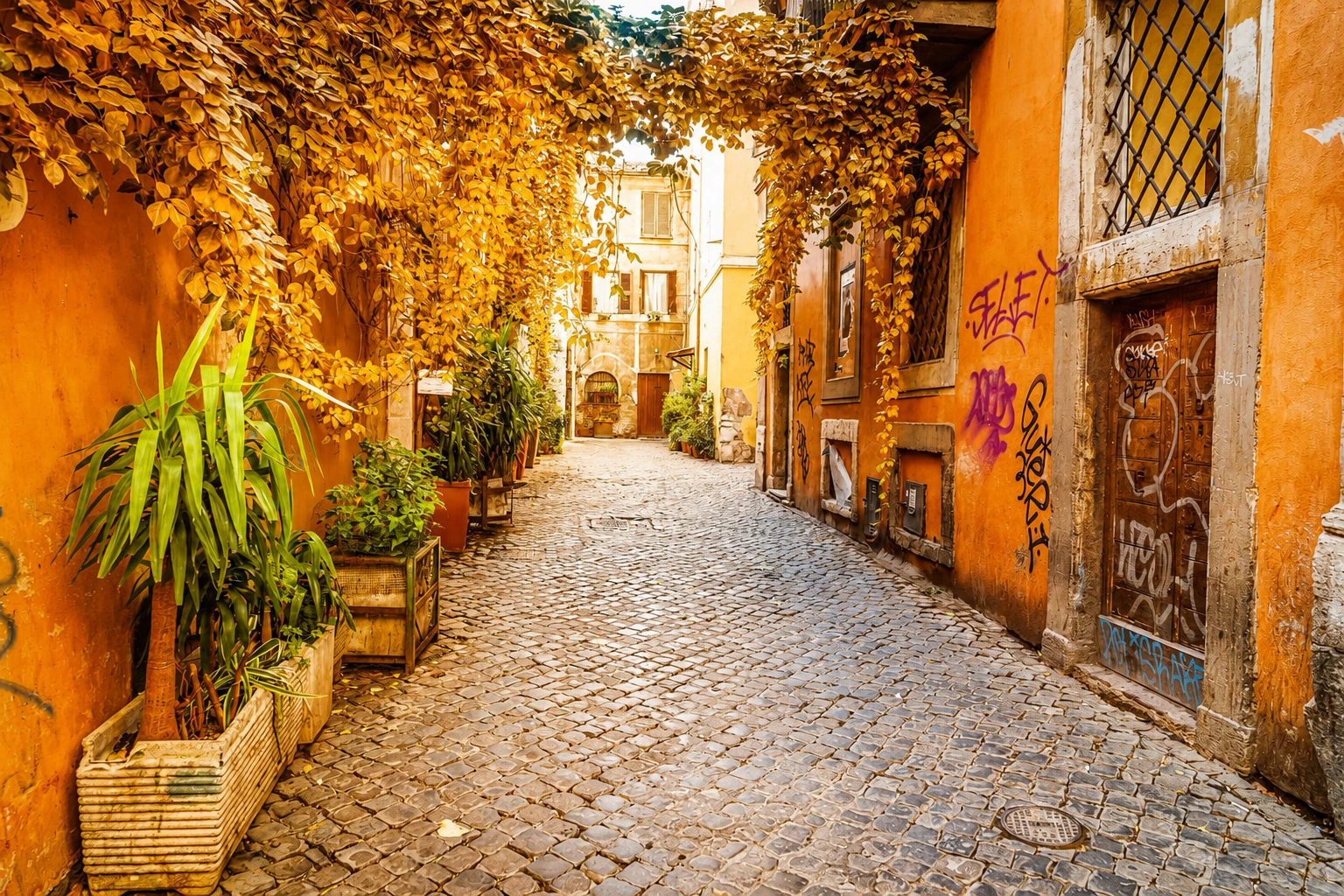
Rome in autumn has a different charm. September keeps a touch of summer, but with softer light. Rome in October is perhaps one of the most elegant moments to discover the city: less stifling, more melancholic, with beautiful sunsets over the domes and the perfect temperature for sitting down to dinner outdoors.
If it is your first time in Rome, April, May, late September or October are the most balanced months.
Is it very hot or cold?
In summer, it can get quite hot. July and August are usually the toughest months to visit Rome if your plan is to walk a lot. The sun beats down on the ancient stone, queues feel more exhausting and some archaeological areas offer very little shade. That does not mean you cannot travel then, but you do need to plan better: start early, rest at midday and leave long walks for the late afternoon.
August also has its own particularity: many Romans go on holiday. The city is still full of tourists, but it can feel a little unusual, with some traditional businesses closed and a less local atmosphere in certain neighbourhoods.
Winter in Rome is fairly manageable compared with other European capitals. January and February can be cool, damp and have shorter days, but it is rarely extremely cold. For anyone not looking for terraces or long afternoons in the sun, it can be a good time to visit: quieter museums, cheaper hotels and a more intimate, more silent Rome, made for cafés, churches and coat-wrapped walks.
Does it rain a lot in Rome?
Rome is not a particularly rainy city throughout the year, but autumn and winter can bring grey days and sudden showers. November is usually one of the most unsettled months. You might get a beautiful Rome, with fallen leaves along the Tiber and cosy restaurants, but also several rainy days that force you to change your plans.
Rain does not necessarily ruin the trip. Rome has plenty of indoor options: the Vatican Museums, the Borghese Gallery, Baroque churches, palaces, historic cafés and covered markets. Even so, if your dream is to walk non-stop through ruins, viewpoints and squares, it is better not to choose November as your first option.
High season in Rome
High season in Rome is concentrated mainly around Easter, late spring, summer and public holiday weekends. There is also a lot of demand at Christmas, New Year and on important religious dates, especially around the Vatican.
Easter can be a special experience if you are interested in the religious atmosphere, the celebrations and the spiritual life of the city. But it also means more visitors, higher demand for accommodation and very busy areas around St Peter’s.
July and August are intense tourist months. There are lots of people, it is hot and prices can rise for well-located accommodation. If you can only travel in summer, try to book in advance and stay in a convenient area so you do not have to rely too much on long journeys across the city.
When is it cheaper to travel to Rome?
The most affordable months are usually January, February, part of March and November, avoiding holidays, long weekends and specific events. During these periods, it is easier to find a cheap time to visit Rome, especially if you book hotels and flights well in advance.
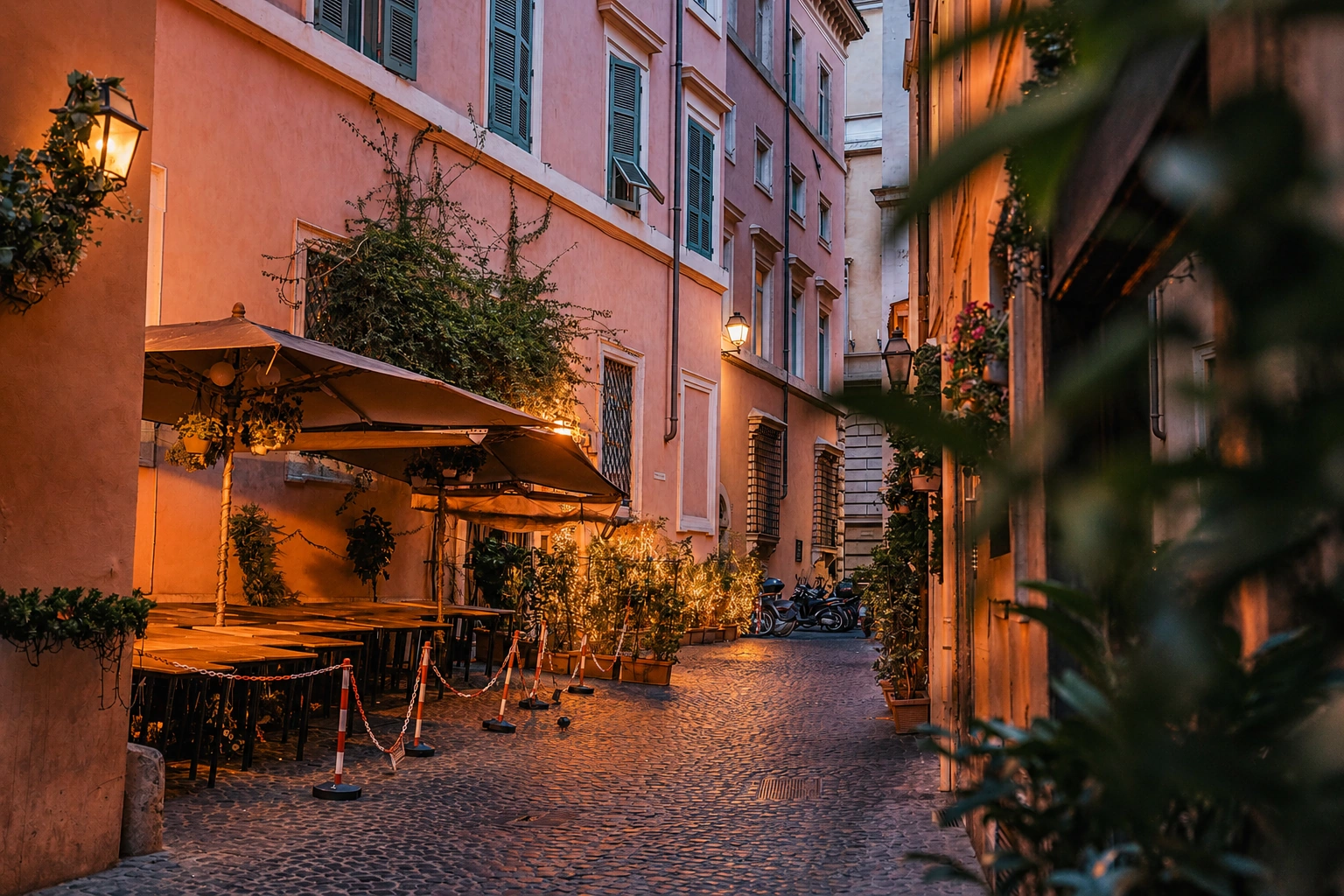
January, after the Christmas holidays, can be a good option for tighter budgets. The city is quieter, the major monuments can be visited with less pressure and restaurants have a more local rhythm. The less appealing side is that it gets dark early and some days can be cold or rainy.
November can also offer good prices, but it is riskier in terms of weather. It is a good month if you are willing to accept a damper, less luminous Rome in exchange for fewer tourists and gentler rates.
When are there fewer tourists?
For a slightly quieter Rome, look to January, February, early March and November. Do not expect to have the Colosseum or the Trevi Fountain to yourself, because Rome is never truly empty, but you will notice fewer queues, fewer organised groups and a more breathable experience in museums and restaurants.
There is also a huge difference between visiting famous sights first thing in the morning or at midday. Even in busy months, Rome is far more enjoyable if you start early. Seeing Piazza Navona almost empty, crossing Ponte Sant’Angelo with few people around or reaching the Pantheon before it fills up completely changes the way you experience the city.
Even in busy months, Rome is far more enjoyable if you start early.
Important festivals and events
Rome has a calendar strongly shaped by religious, cultural and festive celebrations. Easter is one of the most important periods, especially because of the ceremonies linked to the Vatican. For some travellers, it is a powerful reason to go; for others, it may be too crowded.
Christmas also has its charm, with lights, nativity scenes, markets and a special atmosphere around churches and squares. It is not Rome at its warmest or most comfortable for long walks, but it is a city with a very beautiful mood.
Ferragosto, on 15 August, marks the heart of the Italian summer. It is an interesting date to experience, but not always the most comfortable for travellers: strong heat, lots of tourists and some local businesses closed for holidays.
Rome also hosts exhibitions, concerts, food events and religious celebrations throughout the year. If you are travelling for a specific reason, it is worth checking the calendar before booking, because a major event can make hotels more expensive or fill certain areas.
So, which month should you choose?
If you are looking for the best combination of weather, atmosphere and comfort, I would choose May or October. May has the joy of spring, long days and a bright, luminous city. October has a calmer beauty, very pleasant temperatures and a rhythm that feels a little less exhausting.
If you want to save money, January or February are better. If you want to avoid crowds, they are also good months, although you will need to accept shorter days and less stable weather. If you can only travel in summer, try to choose June rather than July or August, because it is usually gentler and has not yet reached the most intense point of the heat.
Rome is well worth visiting almost all year round, but it changes enormously depending on the month. In spring, it seduces; in autumn, it makes you fall in love more slowly; in winter, it becomes more intimate; and in summer, it can be wonderful, yes, but also demanding. The key is to choose the season that suits the way you travel, not just the calendar.
If you are looking for the best combination of weather, atmosphere and comfort, I would choose May or October.
affiliate_button
Find a hotel for your trip
Search accommodation and compare options for your getaway.