 Activity on TourBookGo
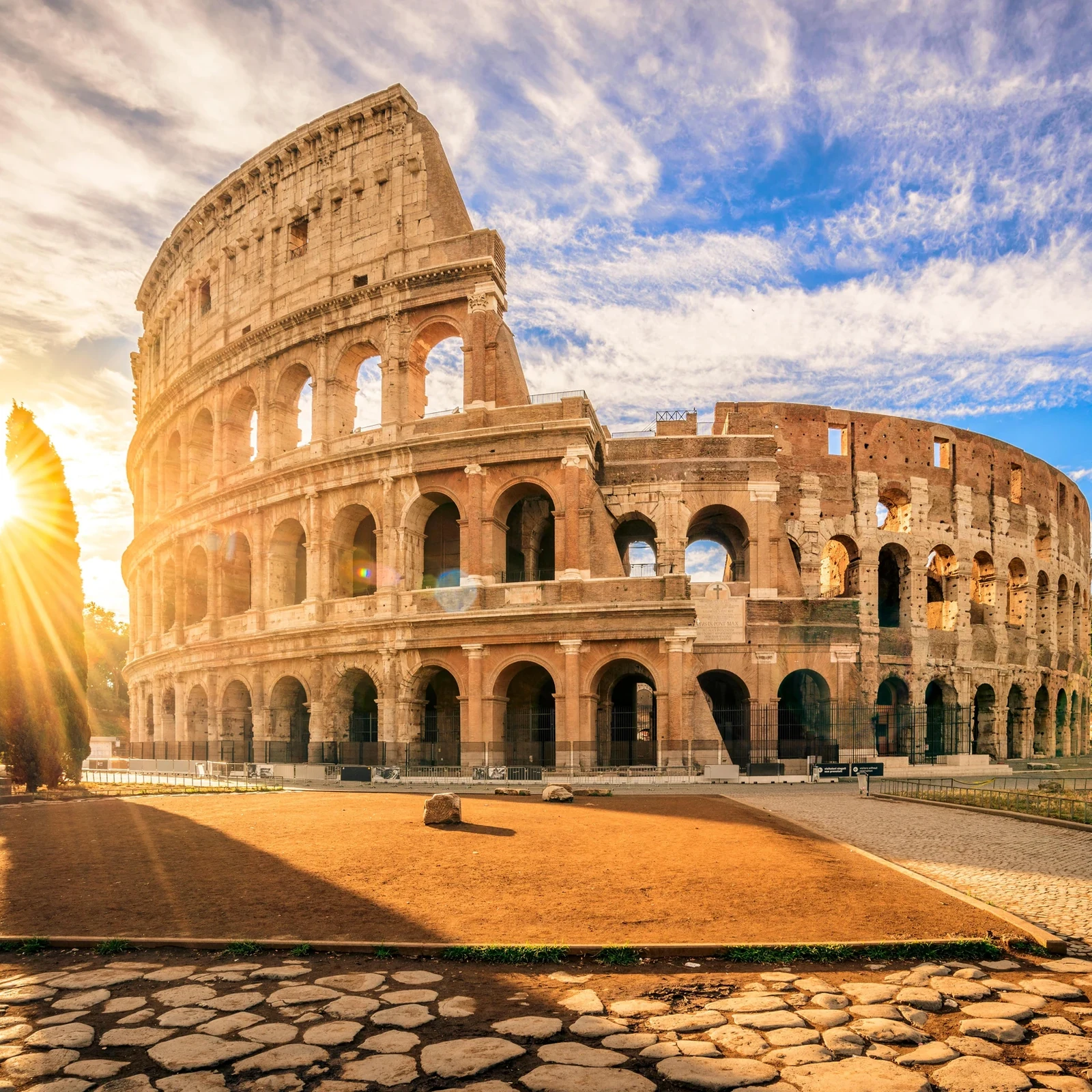
Colosseum Tour with Arena Access, Palatine Hill and Roman Forum
Explore a Colosseum tour with Arena access, Roman Forum and Palatine Hill in 2.5 hours. From €98, with a guide, reviews and booking tips.
If you are deciding on the best things to do in Rome, the answer is not to see everything, but to choose carefully, walk slowly and give the city’s monuments enough context.
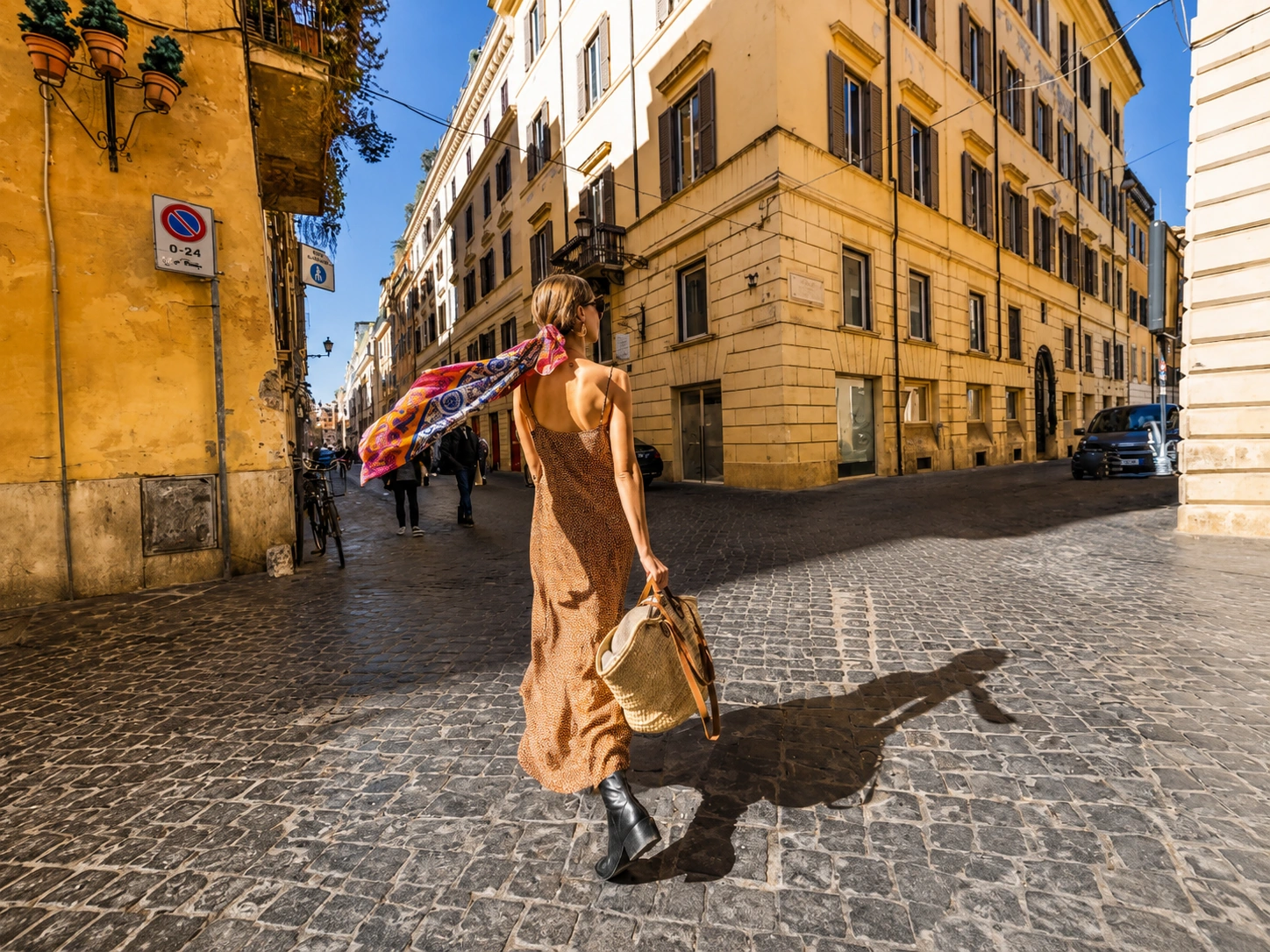
Rome is not a city you visit like any other. Rome is meant to be walked slowly, with patience and a certain tolerance for chaos. It is a beautiful city, yes, but also intense, noisy, uneven and, at times, exhausting. That is exactly why it is worth choosing the best things to do in Rome carefully, because trying to see everything can ruin the experience.
Compare locations and options to find a base that suits your trip. Booking.com confirms current availability and pricing.
Find accommodation on BookingThe first thing to see is the Colosseum, not only because of its fame, but because it remains imposing even when surrounded by queues, street vendors, tour groups and hurried tourists. From the outside it is already impressive, but going inside helps you better understand its scale and history. Even so, without at least some explanation, it can end up being a beautiful but superficial visit.
Next to the Colosseum are the Roman Forum and the Palatine Hill, two essential places for understanding ancient Rome. The Forum can disappoint those expecting intact buildings: it is ruins, columns, remains of temples and ancient roads. But with context, it becomes one of the most powerful visits in the city. Here, Rome stops being a postcard and becomes memory.
The Pantheon is another must-see. It has something that is hard to explain: it does not need spectacle. You walk in, look up, and the open dome does the rest. It is one of those visits that tends to impress even people who are not especially into monuments.
You should also stop by the Trevi Fountain, although it is best to be prepared: it is almost always packed. Many people are disappointed because they imagine it as romantic and peaceful, only to find a crowded square. Even so, the fountain is magnificent. To see it with a little calm, go very early or late at night.
Piazza Navona, the Spanish Steps, Campo de’ Fiori, Castel Sant’Angelo and a walk along the Tiber complete that monumental Rome best enjoyed on foot, linking squares, churches, fountains and alleyways without trying to measure every minute.
And then there is the Vatican. St. Peter’s Basilica, the Vatican Museums and the Sistine Chapel are very much worth visiting, but they are not a light experience. There are crowds, security checks, long corridors and a fair amount of fatigue. If you are only spending two or three days in Rome, think carefully about whether you want to devote a long half-day to the Vatican or whether you would rather enjoy a more street-level, less museum-heavy Rome.
One of the best things to do in Rome is simply walk without obsessing over going inside everything. The city is hugely enjoyable between one visit and the next: aged façades, small fountains, open churches, terraces, scooters, laundry hanging out to dry, unexpected squares and that warm light that can turn an ordinary street into an almost theatrical scene.
A walk through the historic centre is well worth it, linking the Pantheon, Piazza Navona, the Trevi Fountain and the Spanish Steps. It is a very touristy area, but also a very beautiful one. The trick is to step away from the most obvious streets, avoid the restaurants with giant menus and leave room to get lost.
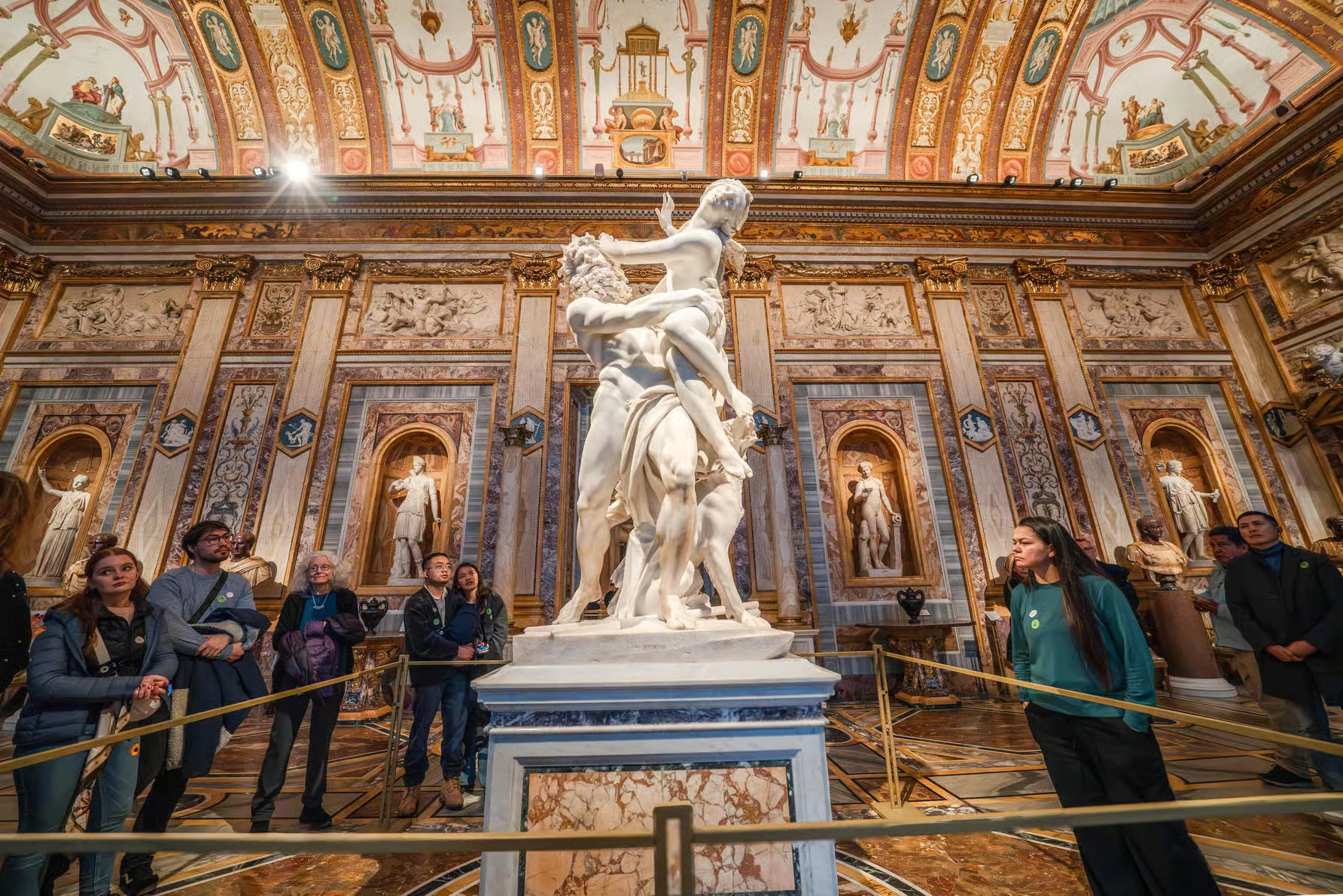
Another highly recommended activity is visiting the Borghese Gallery. It is one of Rome’s most pleasant museums because it does not feel as endless as the Vatican Museums and brings together extraordinary works in an elegant setting. It is also inside Villa Borghese, an ideal park for taking a break from traffic and noise.
It is also worth crossing over to Trastevere, especially at sunset. It is a beautiful neighbourhood, with narrow streets, charming façades and plenty of atmosphere. But it is only fair to say that some areas have become very touristy. Not everything that looks local really is. Even so, it remains one of the best areas for strolling, having dinner and experiencing a warmer, more nocturnal side of Rome.
A less obvious but highly rewarding activity is stepping into small churches. Rome is full of free or discreet churches that hide artworks, mosaics, ancient columns and precious pockets of silence. Sometimes the best visit of the day is not the most famous one, but an almost empty church stumbled upon by chance.
If you have several days, there are day trips from Rome that combine very well with the city and help you step away from the intensity of the centre.
Ostia Antica is one of the most interesting. It is an ancient Roman city where you can imagine streets, baths, houses, mosaics and public spaces without the pressure of the crowds in the city centre. For anyone who enjoys archaeology, it can be a very special visit.
Tivoli is another highly recommended excursion, especially for Villa d’Este and Hadrian’s Villa. It is a perfect outing if you are looking for gardens, architecture, history and a slower pace than Rome’s.
Pompeii can be visited from Rome, but it is not an easy day trip. The journey is long and the day can become tiring. It is worth it if you are very keen to see it, but I would not include it on a short first trip to Rome unless it is an absolute priority.
Florence or Naples can also be reached by high-speed train, although as day trips they have their limits. They are cities with enough character to deserve more time. If you only go for a few hours, you will come away with a lovely but incomplete impression.
In Rome there are good tours and tours that are completely dispensable. The ones that make the most sense are those that provide context.
A guided tour of the Colosseum, Roman Forum and Palatine Hill can completely change the experience. Without explanation, many ruins blur together; with a good guide, the ancient city comes to life.
A night tour of the historic centre is also worthwhile, less for the information than for the atmosphere. Rome illuminated has a different force: the stone seems more golden, the fountains sound clearer and the squares breathe differently.
Food tours can be a good idea if they are well chosen. They are better in areas such as Testaccio, Trastevere or local markets, and less so on routes too focused on the most touristy restaurants. Rome is also understood through food: pasta, artichokes, supplì, pizza al taglio, gelato, quick coffee at the bar and trattorias without too much decoration.
Tours of the catacombs, the Appian Way or underground Rome are recommended if you have already seen the basics or if you are interested in a less obvious city. They are not essential for everyone, but they reveal an older, quieter and more mysterious Rome.
Rome in the rain has charm, but also its inconveniences. The cobblestones become slippery, the streets fill with umbrellas and some outdoor areas lose part of their appeal. If it rains heavily, it is not the best day to visit the Roman Forum, the Palatine Hill or the Appian Way.
The best rainy-day plans are the Vatican Museums, the Borghese Gallery, the Capitoline Museums, the Pantheon, historic churches and a long meal in a quiet trattoria. It can also be a good time for a coffee route, popping into bookshops, visiting covered markets or simply slowing down.
The Pantheon in the rain has a special appeal, because water enters through the oculus of the dome and reminds you that this building is not only an architectural work, but a living experience.
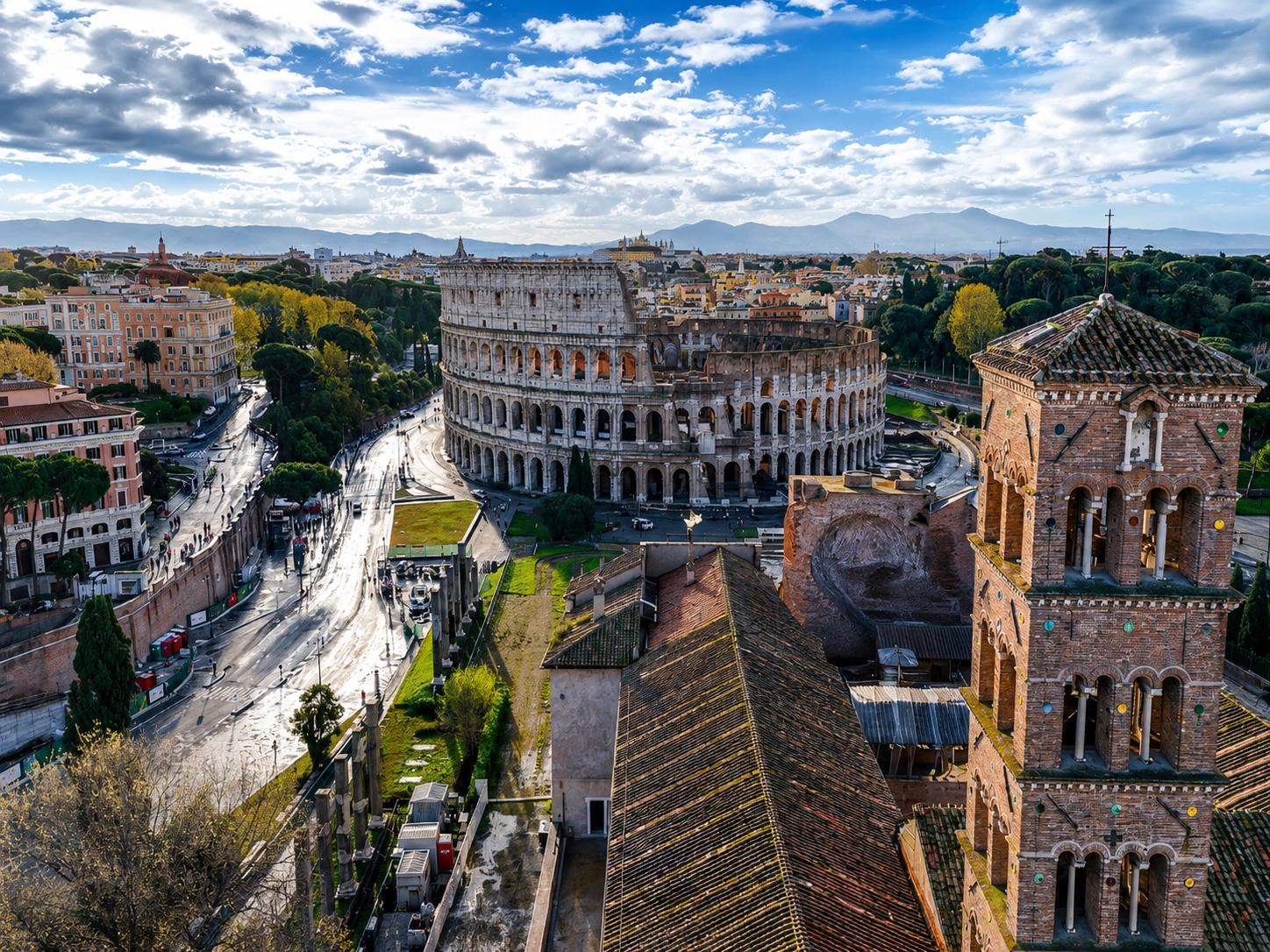
Rome offers plenty of enjoyment without paying for tickets. You can see the Trevi Fountain, Piazza Navona, the Spanish Steps, Campo de’ Fiori, the outside of the Colosseum, the Tiber, Trastevere, many historic churches and some beautiful viewpoints for free.
One of the best free plans is going up to the Janiculum Hill at sunset. From there, Rome spreads out before you with its domes, rooftops and warm tones. It is not a secret viewpoint, but it is still one of the most beautiful places to say goodbye to the day.
It is also worth walking through Villa Borghese, crossing bridges over the Tiber, getting lost in Monti or stepping into churches where, without paying an entrance fee, you can find art, frescoes, sculptures and a calm that is hard to come by on the main streets.
Rome is expensive if you go inside every monument, always eat in tourist areas and take too many tours. But it can also give an enormous amount of beauty to those who walk, observe and do not need to turn every hour into a paid activity.
Rome can be lovely with children, but you need to adapt the pace. It is not a good idea to plan a trip packed with museums, churches and long visits to ruins. The Colosseum usually works well because it has a visual and epic quality that is easy to understand. The Forum, on the other hand, can tire them out if the visit goes on too long.
Villa Borghese is one of the best places to go with children: there is space to run, rest, rent bikes or take a green break. A simple route of fountains and squares can also work well, combined with gelato and frequent stops.
The Vatican with children depends a lot on their age and patience. The Vatican Museums can feel heavy because of the queues, long corridors and number of people. If you are travelling as a family, it is better to choose a few important visits and leave time to improvise.
The biggest mistake with children in Rome is trying to see everything. The city requires a lot of walking, the pavements are not always comfortable and the heat can be tough. A slower Rome, with breaks and varied plans, works much better.
Rome as a couple has an obvious beauty, but there is no need to look for overly sophisticated plans. The most romantic things are usually the simplest: walking through the centre at night, crossing Ponte Sant’Angelo, lingering over dinner, going up to the Janiculum Hill, sitting in a square or getting lost in dimly lit streets after dinner.
Trastevere can be a good area for a night as a couple, although it is worth avoiding restaurants that are too flashy. Monti also has a pleasant atmosphere, a little less scenic but more relaxed.
For a special experience, the Borghese Gallery, a walk around the Aventine Hill, the viewpoint at the Orange Garden or a night route through the fountains can be better than any overly planned activity.
Rome works very well for couples who enjoy walking, eating, looking at façades and letting themselves drift. If you are looking for an orderly, quiet and comfortable city, it may feel more chaotic than expected.
At night, Rome becomes more theatrical. The noise drops a little, the façades light up and the monuments seem more unreal. Seeing the Colosseum illuminated, walking through Piazza Navona, going to the Trevi Fountain or crossing towards Castel Sant’Angelo are simple and highly recommended plans.
For dinner and drinks, Trastevere is the most famous area, with plenty of atmosphere and plenty of options. It is also one of the most touristy, so it is worth choosing carefully. Monti is a good alternative if you are looking for something quieter, with small bars and pleasant restaurants. Testaccio may appeal to those looking for a more local, food-focused evening, although it is not always convenient if you are staying right in the centre.
Rome is not a wild party city for everyone. Its best night is not always found in clubs, but in walking after dinner, having a gelato, listening to a fountain, seeing an illuminated square and feeling that the city, even tired and full of tourists, still has a beauty that is hard to argue with.
Compare rental car prices and organize your transfers in advance.
Compare rental carsDiscover selected experiences in Rome to complete this guide with historic landmarks, art, food, charming neighbourhoods and well-organised day trips.
Activity on TourBookGoExplore a Colosseum tour with Arena access, Roman Forum and Palatine Hill in 2.5 hours. From €98, with a guide, reviews and booking tips.
 Activity on TourBookGo
Book your Borghese Gallery ticket Rome with timed entry, skip-the-ticket-line access and an audio guide. See Caravaggio, Raphael and Bernini at your own pace.
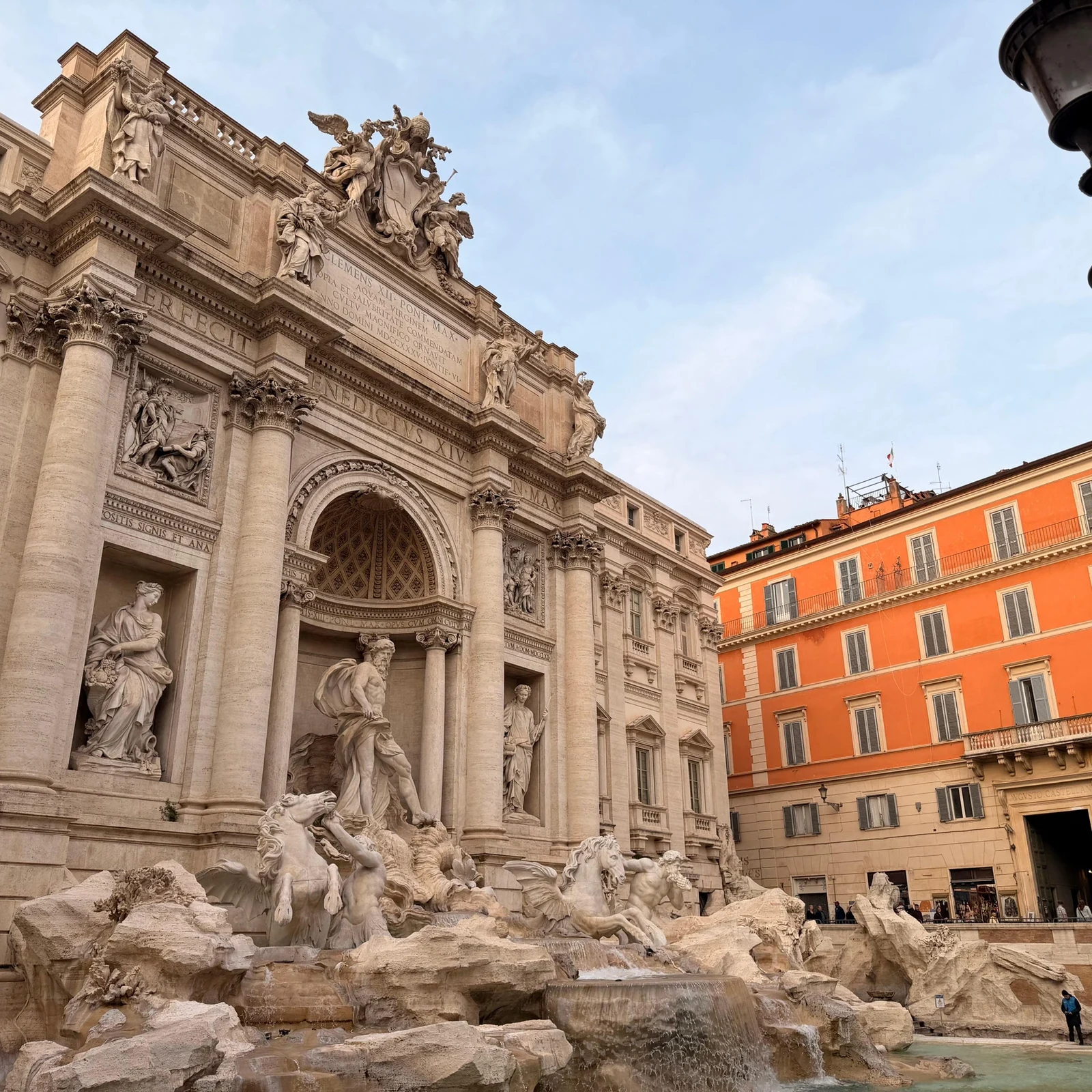 Activity on TourBookGo
Explore this Trevi Fountain guided tour in Rome: 45 minutes, prices from €20, a small group, possible restricted-area access and whether it is worth booking.