 Activity on TourBookGo
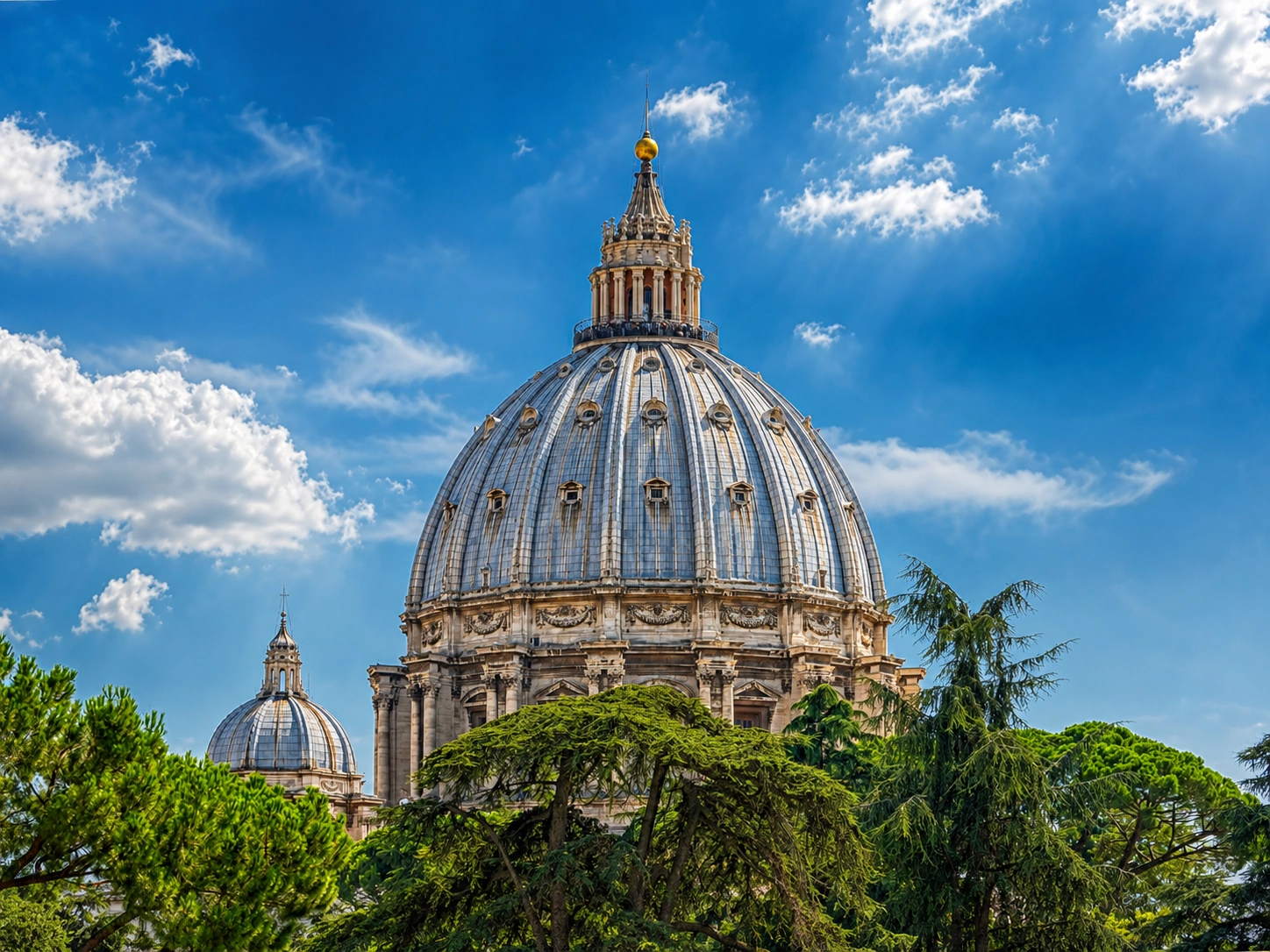
St. Peter’s Basilica guided tour with Dome climb and Vatican grottoes
Book a St. Peter’s Basilica guided tour with Dome climb in Rome, Vatican grottoes, papal tombs and panoramic views over the Vatican.
What makes Rome special becomes clearer when you accept the city as it is: intense, ancient, chaotic, monumental, beautiful and, at times, exhausting.
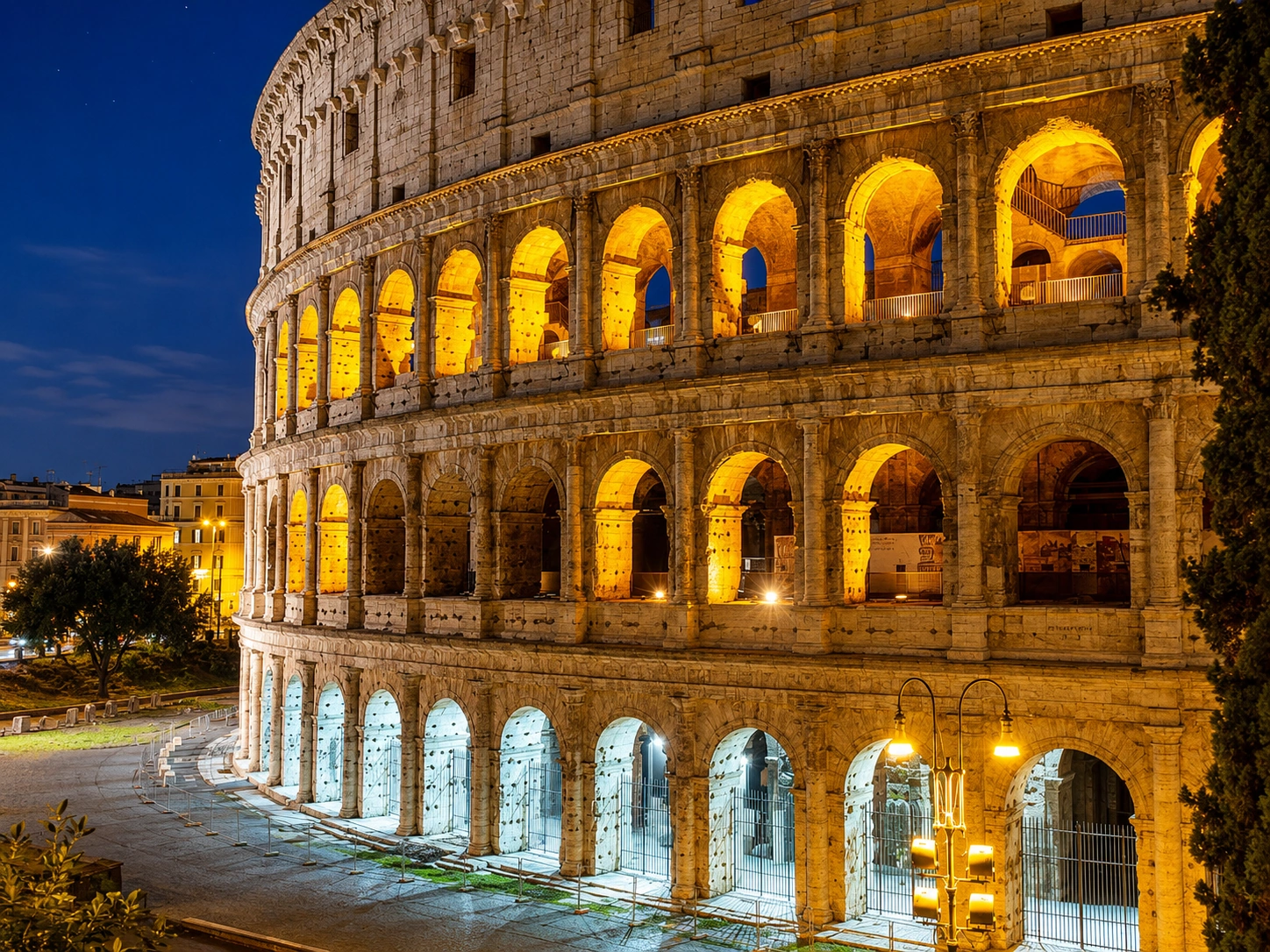
Rome is definitely worth visiting, but it helps to know what kind of city you are going to. It is not a comfortable, quiet, perfectly orderly destination. What makes Rome special is precisely that mix of history, beauty, noise, crowded squares and unexpected corners. You will enjoy it more if you accept that not everything will run with precision, that there will be queues, tourists, traffic, uneven streets and moments of tiredness. In return, it offers something very few cities in the world can give: the feeling of walking through several eras at once. What makes Rome special is not only its famous monuments, but the way they appear without warning. You can turn a corner and suddenly come across a Roman column, a Baroque fountain, a church filled with masterpieces or a square where everyday life continues among terraces, scooters and ochre façades. Rome is not visited like any other city; it is crossed like an open book, with chapters on empire, popes, artists, ruins, markets and trattorias. It is a particularly good destination for those looking for culture, history, art, food and urban walks full of character. It is ideal for travel to Rome for the first time, for couples who enjoy unhurried strolls, for curious travellers and for anyone who wants to combine museums, churches, squares, food and street life. It can also work well for families, although with young children it requires careful planning, as the distances, heat and crowds can be tiring. Rome is not the best destination if you are looking for beaches, total relaxation or unspoilt nature. Nor is it the most comfortable city for anyone who wants to see everything without walking too much. Rome is best enjoyed with good shoes, patience and a realistic itinerary.
Compare locations and options to find a base that suits your trip. Booking.com confirms current availability and pricing.
Find accommodation on BookingRome has a concentration of history that is hard to match. The Colosseum, the Roman Forum, the Pantheon, the Trevi Fountain, Piazza Navona, St Peter’s Basilica, the Vatican Museums and Trastevere are all part of a travel imagination that many people know before they even arrive.
But its deeper charm lies in the details: the golden light on the façades at the end of the afternoon, the sound of water in the fountains, the worn cobblestones, the smell of coffee in the morning, the half-empty churches hiding extraordinary paintings and the long dinners in narrow streets where time seems to have stopped in another century.
Rome is special because it blends grandeur and decay. Not everything is polished. Some areas are noisy, others are a little neglected, and many tourist spots can feel overcrowded. Yet that imperfection is also part of its personality. Rome does not feel like a flawless film set; it feels like a living city, used, argued over, loved and survived.
Rome is, above all, a destination for culture and history. It is perfect for anyone who wants to see monuments, museums, churches, ancient ruins and characterful squares. It is also a wonderful city for food, especially if you move a little away from the most obvious restaurants next to the major sights.
For couples, Rome works very well: sunset walks, dinners in Trastevere, viewpoints such as the Gianicolo, squares lit up at night and atmospheric corners everywhere. For friends, it can also be a great choice if you are looking for a mix of cultural visits, terraces, aperitivi and lively neighbourhoods.
For families, it is worth it if the children are old enough to walk and have some curiosity about history. The Colosseum usually impresses them, but it is best to alternate cultural visits with breaks, gelato, parks and lighter routes. For solo travel, Rome is a rewarding city: there is plenty to do, the centre is easy to explore on foot and there is always life in the streets.
It is not the ideal destination for a relaxing getaway. Rome can be beautiful, but it also demands energy. Anyone arriving in search of absolute calm may feel frustrated. Anyone arriving ready to wander, observe and embrace the chaos will probably enjoy it a great deal.
Most people travel to Rome for three reasons: history, beauty and food. Few cities allow you, in a single trip, to see remains of the Roman Empire, great Renaissance works, Baroque squares, monumental churches and such a recognisable food culture.
People also travel to Rome because of its symbolic weight. The Colosseum is not just an ancient ruin; it is one of those places many people have seen for years in books, films and photographs. The same is true of the Trevi Fountain, the Vatican or the Pantheon. Arriving there creates a mixture of familiarity and surprise.
But Rome also attracts visitors for something simpler: sitting in a square, drinking an espresso, ordering pasta cacio e pepe or carbonara, wandering without a map through ancient alleyways and feeling that the trip does not depend solely on entering monuments. In Rome, the most beautiful memory often appears between one visit and the next.
On a first visit, there are several places worth prioritising. The Colosseum and the Roman Forum are essential for understanding imperial Rome. The Pantheon impresses with its balance and with that dome open to the sky, which still feels almost impossible. The Trevi Fountain is worth seeing, although it is usually very crowded; early in the morning or late at night is best if you can manage it.
Piazza Navona is one of the city’s most elegant squares, with its fountains, terraces and Baroque façades. The Vatican, with St Peter’s Basilica and the Vatican Museums, is another major highlight of the trip, although it requires time and patience. The Sistine Chapel is extraordinary, but the experience can be affected by the number of visitors.
It is also worth wandering through Trastevere, especially at sunset, although it is no longer a secret and some streets are now very geared towards tourism. For a quieter Rome, consider areas such as Monti, the Aventine, the Jewish Ghetto, Campo de’ Fiori in the morning or Villa Borghese if you need greenery and a break.
What you really should not miss, beyond the icons, is walking. Rome is better understood on foot than by chaining together taxis or rushed visits. The great luxury of the city is linking squares, fountains, churches and ruins without turning the trip into a race.
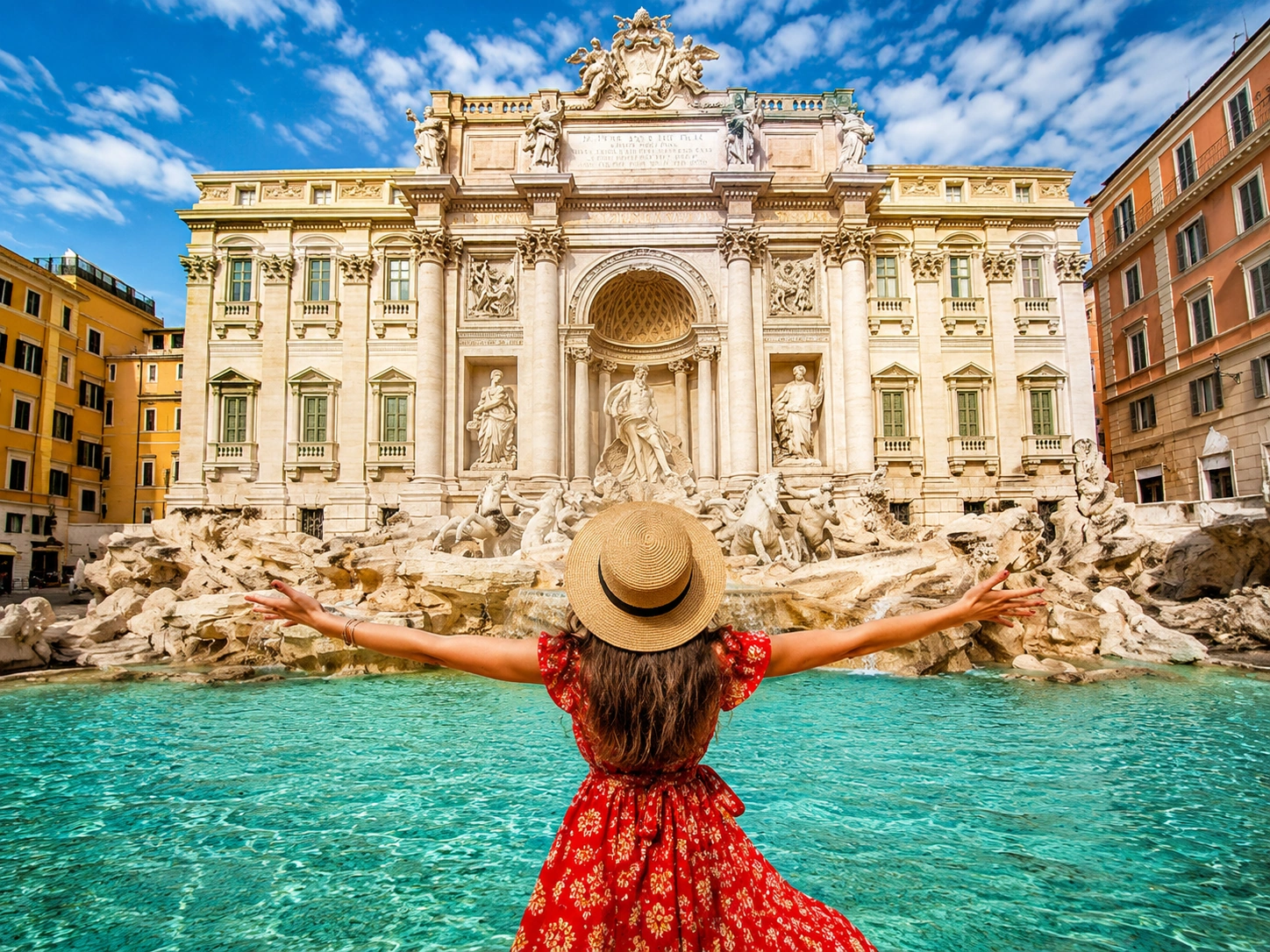
Rome is not a cheap city, but it does not have to be prohibitively expensive either. Accommodation in central areas can be costly, especially in high season, on long weekends, in spring, autumn and on key dates. Food can be reasonably priced if you choose simple trattorias, pizza al taglio places, markets or restaurants away from the most touristy streets. Eating next to the Colosseum, the Trevi Fountain or Piazza Navona, on the other hand, is usually more expensive and not always better.
Tickets to monuments and museums can increase the budget considerably, especially if you want to visit the Colosseum, Roman Forum, Palatine Hill, Vatican Museums, Borghese Gallery and other paid sites. Even so, Rome also offers countless free experiences: squares, fountains, churches, viewpoints, walks through historic neighbourhoods and some of the finest urban scenery in Europe.
You can visit Rome on a mid-range budget if you book accommodation in advance, walk a lot, choose carefully where to eat and do not try to enter every museum. If you want a central hotel, refined restaurants, guided tours and skip-the-line tickets, the cost of the trip can rise quickly.
For a first visit, 3 or 4 full days is ideal. With 3 days, you can see the essentials: ancient Rome, the historic centre, the Vatican and one atmospheric neighbourhood. With 4 days, the trip feels more relaxed and allows you to include Villa Borghese, the Aventine, Trastevere at a slower pace or a less obvious visit.
With 2 days, you can make an intense short break, but you will have to choose carefully and accept that you will only see Rome partially. One day is enough for a first impression, not to really get to know it. In a week, Rome allows you to slow down, revisit areas at different times of day, eat better, visit museums calmly and take a nearby day trip, such as Ostia Antica or Tivoli.
The most common mistake is trying to see everything in too little time. Rome punishes overly ambitious itineraries. It is better to see less, but see it properly.
Rome is especially good for couples and culture-focused travellers. It has romance, urban beauty, charming restaurants and memorable walks, but it does not rely solely on an idealised image. It is also excellent for solo travel, because there is always movement, plenty of cultural plans and a constant sense of discovery.
With friends, it works well if everyone shares at least some interest in walking, eating and visiting historic places. If the group is looking only for nightlife or beaches, there are more suitable Italian destinations. For families, Rome can be very enriching, but the pace needs to be adapted: fewer long museums, more breaks, gelato, squares, parks and visits that spark children’s imagination.
For older travellers or people with reduced mobility, Rome can be challenging. There are cobblestones, steps, uneven pavements, public transport that could be better and monuments with demanding routes. That does not mean it is not worth it, but it does mean you should choose your accommodation area carefully and avoid overpacked itineraries.
Yes, Rome is absolutely worth visiting if you are looking for a city with historical soul, monumental beauty, good food and an atmosphere that is hard to find anywhere else. It is one of those destinations that lives up to its fame, though not always in the comfortable way one might imagine.
It may disappoint anyone expecting a clean, quiet, orderly and easy city. It may tire anyone who wants to see everything in a rush. Its most famous sights can feel overly touristy. But it can also be deeply moving for those who know how to look at it with patience.
Rome is worth it for travellers who enjoy history, art, lively streets, long meals, ruins, churches, squares and cities that do not reveal themselves completely on the first walk. It is not perfect. That is precisely why it stays in the memory for so long.
Compare prices and book your rental car with DiscoverCars.
Compare rental carsDiscover selected experiences in Rome to complete this guide with historic landmarks, art, food, charming neighbourhoods and well-organised day trips.
Activity on TourBookGoBook a St. Peter’s Basilica guided tour with Dome climb in Rome, Vatican grottoes, papal tombs and panoramic views over the Vatican.
 Activity on TourBookGo
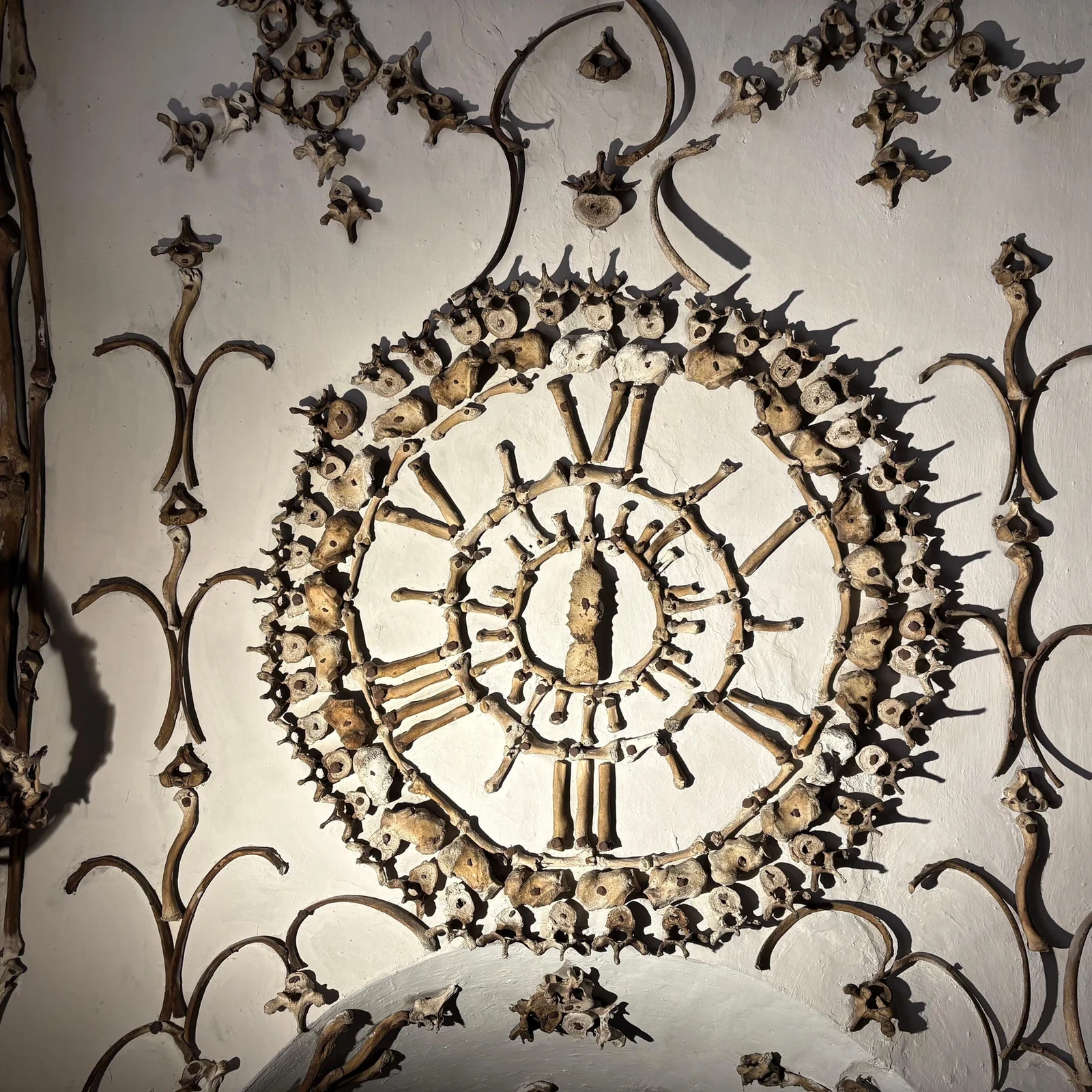
Book a Rome crypts and catacombs tour visiting the Capuchin Crypt and Catacombs of Priscilla, with transport and exclusive after-hours access.
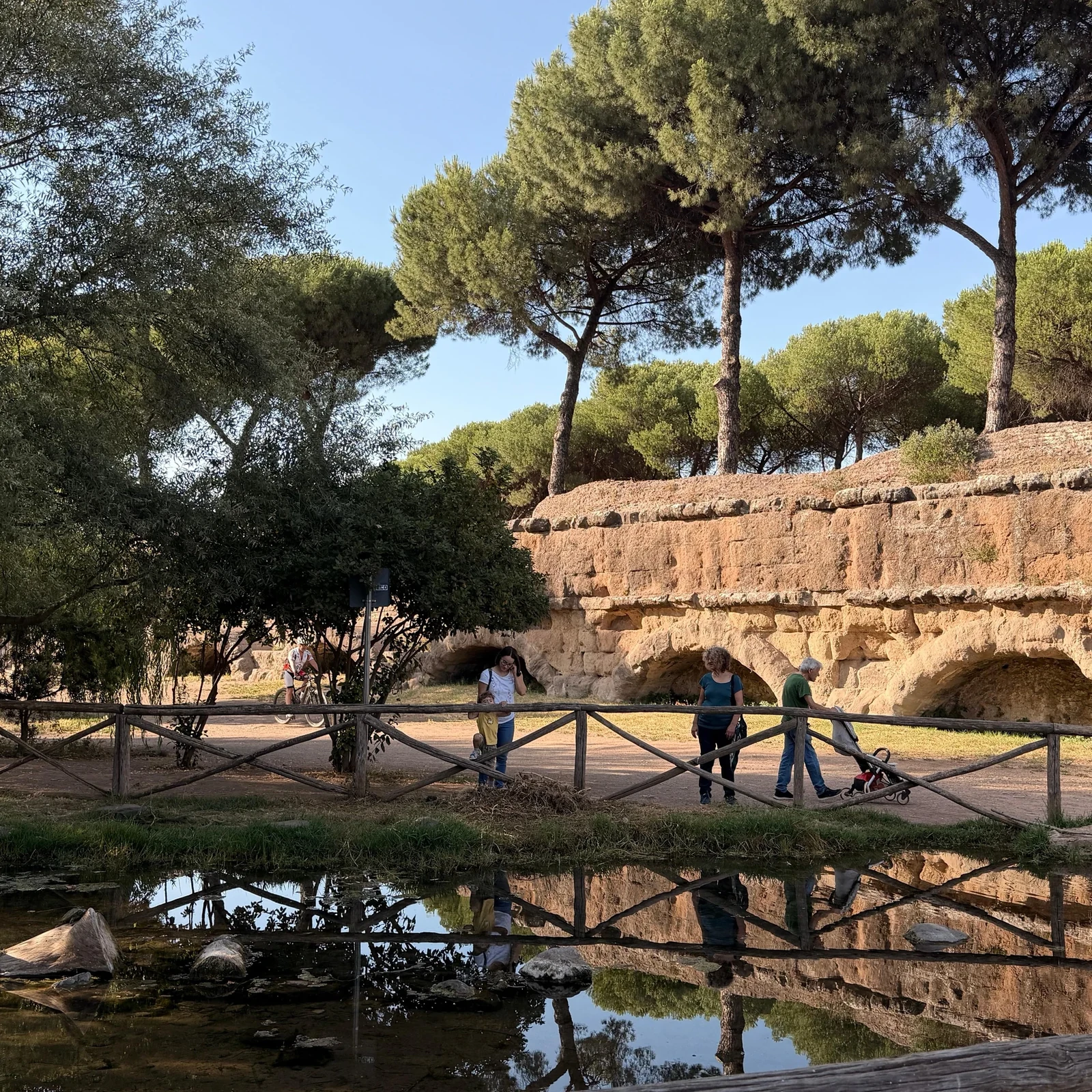 Activity on TourBookGo
Book a Rome Appian Way e-bike tour through the Park of the Aqueducts. Ride for 3.5-5 hours from €75, with optional catacombs and local food.