 Activity on TourBookGo
Rome Cooking Class: Pasta and Tiramisu Near Piazza Navona
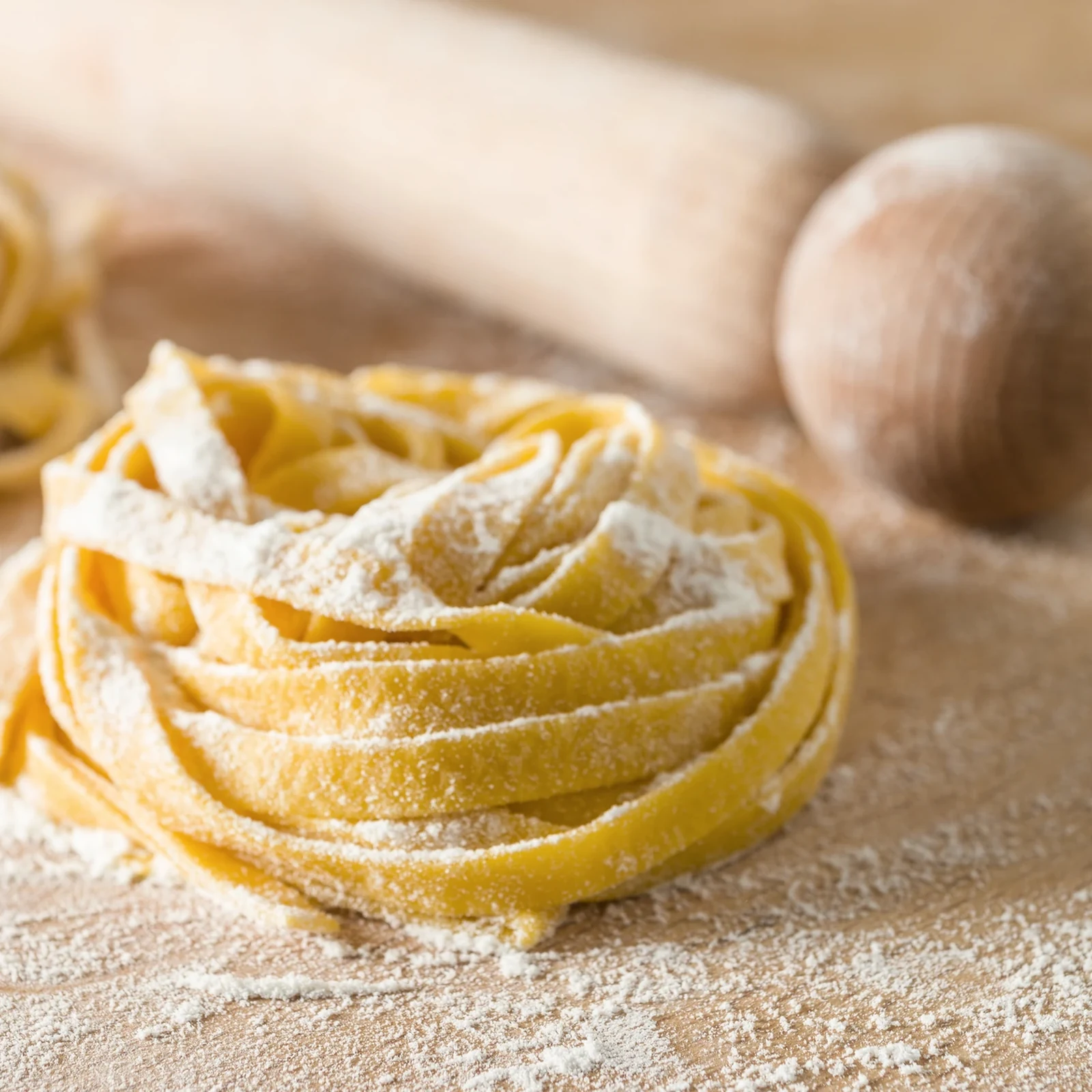
Join a Rome cooking class near Piazza Navona and make fettuccine, ravioli and tiramisu with professional chefs. 3-hour hands-on experience from €52.
If you are wondering where to eat in Rome, the city is best understood through the palate: pasta, pizza, gelato, noisy trattorias, markets and a very Roman way of eating without too much ceremony.
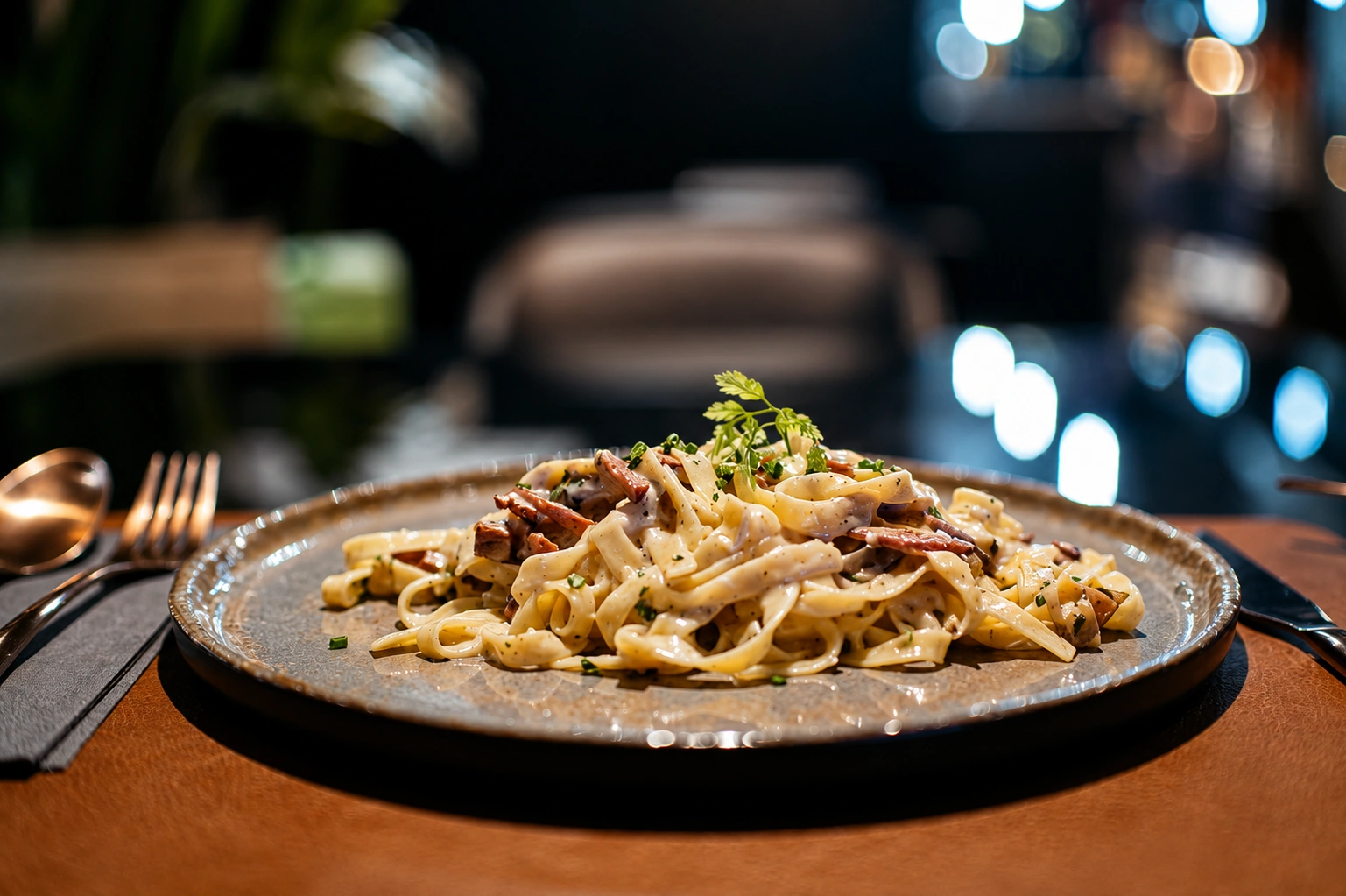
Knowing where to eat in Rome can change the whole trip. Not just because of pasta, pizza or gelato, but because of that very Roman way of eating without too much ceremony: closely packed tables, brisk waiters, simple tablecloths, hearty recipes and dishes that seem humble until you taste them properly made. Eating in Rome can be wonderful, but it can also be a small trap if you let yourself be drawn in by the first photo menu next to the Colosseum. Roman cuisine is not light or particularly refined. It is direct, salty, intense and rooted in everyday cooking. It was born in taverns, markets and homes where nothing went to waste. That is why pasta with cheese and pepper, sauces with guanciale, fried vegetables, artichokes, stews and offal dishes are so common. If you are looking for delicate, modern cooking, you will find that too, but the most authentic Rome feels more at home in a noisy trattoria than in a place that looks too perfect.
Compare locations and options to find a base that suits your trip. Booking.com confirms current availability and pricing.
Find accommodation on BookingThe great Roman classics are few, but powerful. Carbonara is one of the dishes most often mistreated outside Italy: in Rome it should be made with egg, pecorino romano, guanciale and pepper; no cream. When it is done well, it is creamy, deep and almost addictive.
Cacio e pepe looks simple, but it allows no room for error. Just pasta, pecorino and black pepper, although achieving that silky sauce is almost an art. Amatriciana, made with tomato, guanciale and pecorino, is more intense and savoury. Gricia is like a carbonara without egg and an amatriciana without tomato: pasta, guanciale, cheese and pepper.
You should also try supplì, rice croquettes usually filled with mozzarella and ragù, perfect for a quick bite. In season, Roman-style artichokes or Jewish-style artichokes are one of the city’s great pleasures. And if you enjoy more traditional cooking, you can try coda alla vaccinara, a very Roman oxtail stew that is rich, flavourful and hearty.
For a first trip to Rome, several dishes deserve a place on your list: a good carbonara, cacio e pepe, amatriciana, a freshly made supplì, artichokes if they are in season, pizza al taglio to eat standing up, and a good artisanal gelato.
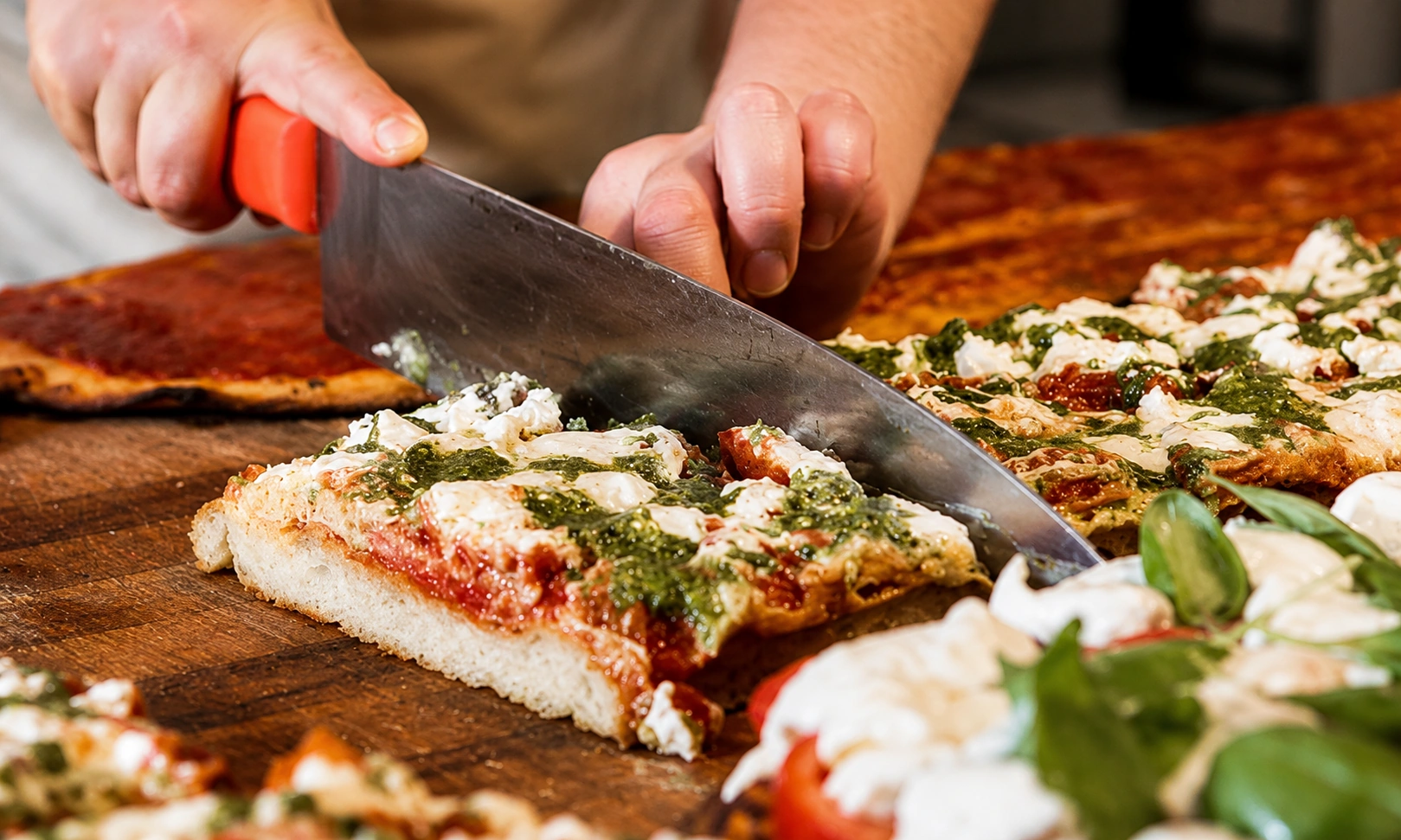
Roman pizza is usually thinner and crispier than Neapolitan pizza. Pizza al taglio is also very typical: rectangular slices sold by weight. It is ideal for eating cheaply without losing time between sightseeing stops. It is not always memorable, but in the right places it can be one of the most practical meals of the trip.
And to finish, gelato. Rome has excellent gelaterias, but also many aimed squarely at tourists. A simple clue: be wary of mountains of brightly coloured gelato. Good pistachio is not usually fluorescent green, and banana should not look like paint.
To eat well in Rome, the most important thing is not to find “the perfect restaurant”, but to choose the right area and avoid places designed only for tourists. The best meals are often found in neighbourhood trattorias, simple osterias, busy pizza al taglio shops with local customers, and markets where Romans eat, not just visitors.
Trastevere is a very popular area for dinner. It has plenty of atmosphere, beautiful streets and a huge range of places to eat. The problem is that it is also heavily exploited. You can eat very well there, but you need to choose carefully and book if you have a specific place in mind.
Testaccio is one of the most interesting areas for traditional Roman cuisine. It has less postcard-style tourism and more local character. It is a good choice if you are genuinely interested in food, markets and trattorias serving hearty dishes.
Campo de’ Fiori, Piazza Navona and the Pantheon are beautiful areas, but tricky when it comes to food. There are good places, yes, but there are also plenty of restaurants that are expensive for what they offer. In these areas, it is worth moving a few streets away from the main squares.
Monti is a good area if you want somewhere central, lively and varied. It has bars, restaurants, wine bars and more polished places without completely losing its Roman feel.
Eating cheaply in Rome is possible, but not always while sitting on a pretty terrace in the centre. To save money, it is best to combine informal meals with the occasional well-chosen trattoria. Pizza al taglio, supplì, panini, simple pasta of the day and markets are all good allies.
Markets such as Testaccio can be a great option for trying local food without spending too much. It is also worth looking for traditional bakeries, small slice pizza shops and places where you see local workers going in.
A simple trick: if a restaurant is on a very famous square, has a waiter outside trying to pull customers in, a menu with huge photos and “Italian” dishes translated into too many languages, it probably will not offer the best value for money.
Rome has countless well-known restaurants, and not everyone likes the same ones. Some have become famous, others continue thanks to tradition, and some depend a lot on the day, the booking and your expectations. Even so, there are names that regularly appear on food itineraries for good reason.
For traditional Roman cuisine, areas such as Testaccio and Trastevere are full of popular trattorias. In Testaccio, classic places such as Felice a Testaccio are known for dishes like cacio e pepe. In Trastevere, places such as Da Enzo al 29 are famous for simple Roman cooking and a trattoria atmosphere, although they are usually in high demand and are certainly no secret.
For pizza al taglio, Pizzarium is a famous address, especially if you are interested in a more creative and refined version. For supplì, look for specialist places where they fry them to order. And for gelato, names such as Gelateria del Teatro, Otaleg and Fatamorgana are usually safe bets if you want to avoid overly touristy gelaterias.
The key point: do not plan your entire trip around a viral restaurant. In Rome, a simple meal on a quiet street can leave you with a better memory than a famous dinner with a queue, rushed service and inflated expectations.
The areas around the Colosseum, Trevi Fountain, Piazza Navona, Pantheon and some very busy streets near the Vatican are the trickiest. That does not mean everything is bad, but there is a higher chance of paying too much for a meal that is merely okay, or outright mediocre.
The warning signs are clear: menus with photos of every dish, promises of “authentic Italian food”, waiters insisting that you come in, empty terraces on busy streets, huge menus with pizza, pasta, meat, fish, burgers and paella, or unclear prices for drinks and extras.
In Rome, it is also worth checking the price of bread, service or the cover charge when it appears on the bill. It is not always a scam, but it can be surprising if you are not expecting it.
Testaccio Market is one of the best places to eat informally and well. You can try Roman bites, pasta, sandwiches, vegetables, sweets and local fast food without the formality of a restaurant. It is ideal for lunchtime.
The area around Campo de’ Fiori has a morning market, although today it is quite touristy. Even so, it can be pleasant for a stroll and a bite to eat if you are not expecting a deeply local experience.
It is also worth going into bakeries, delicatessens and small neighbourhood shops. Rome has an excellent culture of quick eating: a slice of pizza, a supplì, a panino with porchetta or something sweet can easily solve a meal without having to sit down for two hours.
Book for dinner if you have a specific restaurant in mind, especially at weekends or in high season. At famous places, turning up without a reservation can mean a queue, a long wait or not getting in at all.
Do not order all the classic dishes just anywhere. A badly made carbonara in a tourist restaurant can be deeply disappointing. It is better to eat one good pasta dish than to try four mediocre versions.
Avoid eating right in front of the most famous monuments unless you have checked the place carefully. In Rome, walking five or ten minutes away can make a big difference to both quality and price.
And above all, do not look only for pretty restaurants. Rome does not always serve its best food in photogenic places. Sometimes the best table is cramped, the waiter is in a hurry, the dish looks nothing like something designed for Instagram and yet, there it is: the city itself — intense, ancient, imperfect and delicious.
Discover selected experiences in Rome to complete this guide with historic landmarks, art, food, charming neighbourhoods and well-organised day trips.
Activity on TourBookGoJoin a Rome cooking class near Piazza Navona and make fettuccine, ravioli and tiramisu with professional chefs. 3-hour hands-on experience from €52.
 Activity on TourBookGo
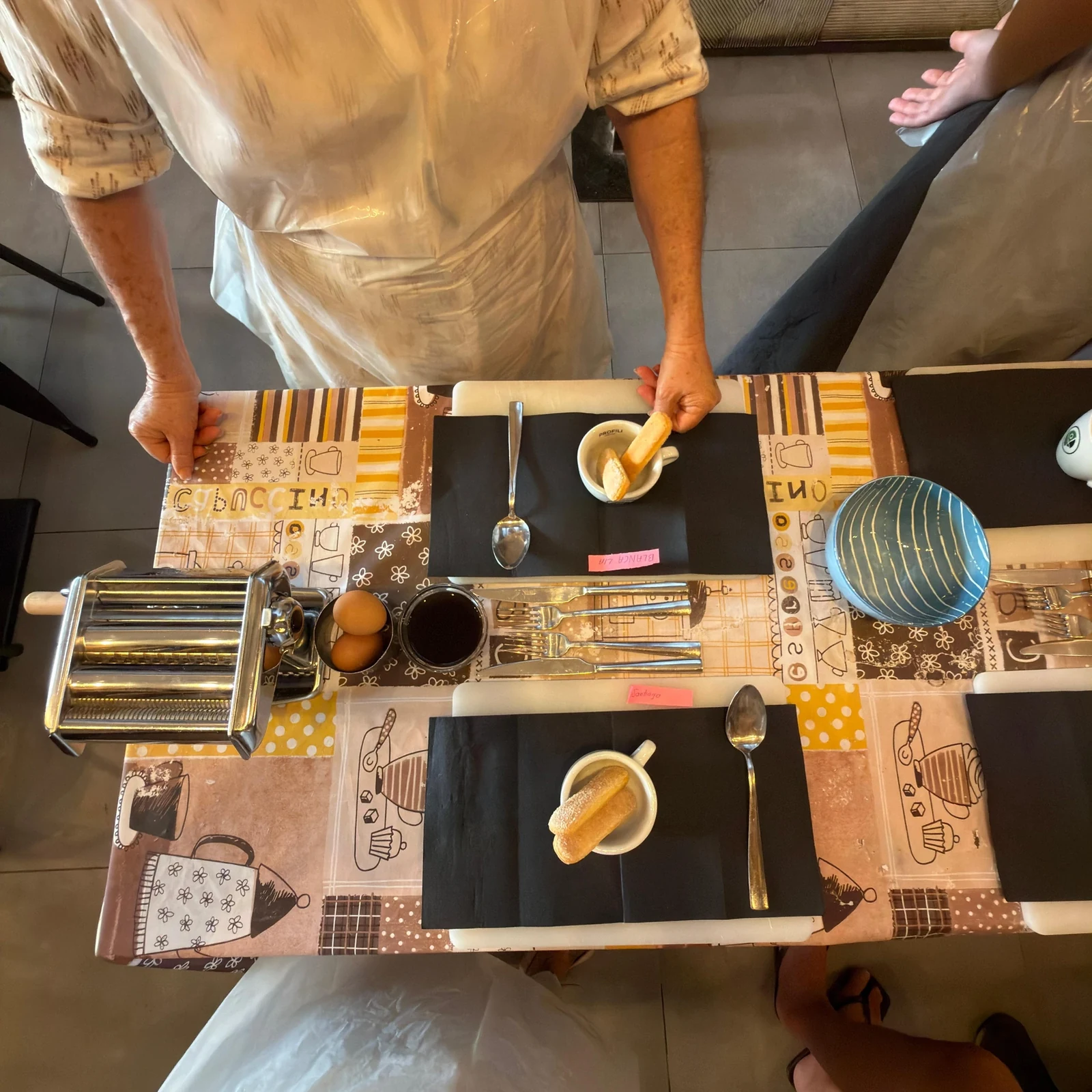
Join a pasta and tiramisu class in Rome with a local chef. Make fresh pasta, enjoy your meal with wine and Prosecco, and take the recipes home.
 Activity on TourBookGo
See if this Rome by night golf cart tour is worth booking, with hotel pickup, a guide, three-course Italian dinner, major sights and artisan gelato.