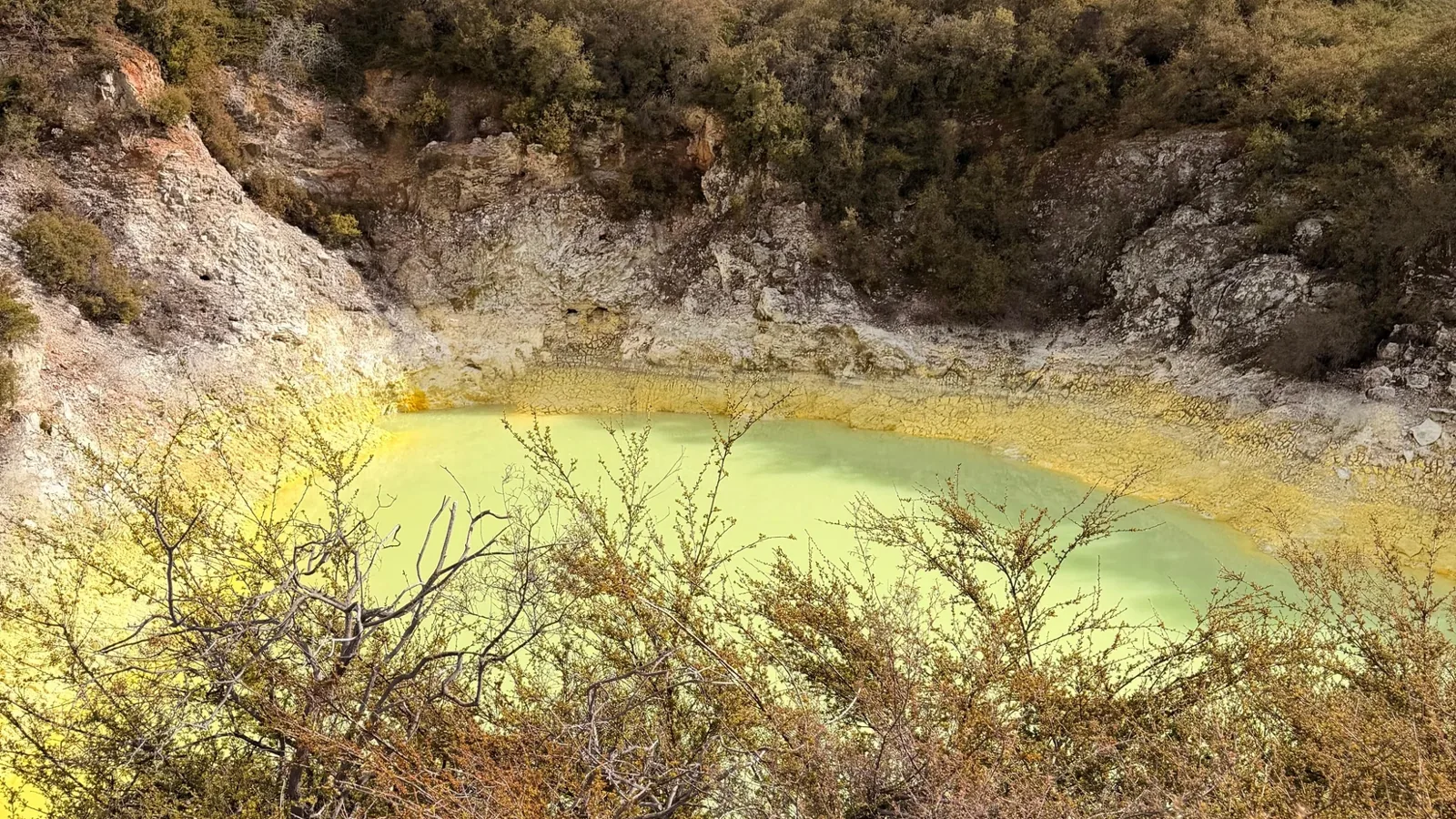
Summer: long days and a livelier atmosphere
The Southern Hemisphere summer, from December to February, is the easiest option for travellers hoping to combine trails, lakes, cycling and visits to geothermal sites. Longer daylight hours make full days pleasant to plan, with enough scope to alternate outdoor activities with time to relax.
It is also a lively period. Demand for accommodation and activities may increase during school holidays and festive periods, so booking ahead is advisable when a trip falls on popular dates. Travellers who enjoy an active destination may appreciate that energy, although it can make some places feel less intimate.
Warm weather does not rule out rain. Moisture is part of what keeps Rotorua's landscape so green, making a waterproof layer worthwhile even in summer.
Summer is particularly well suited to families, travellers who want to make the most of the daylight and anyone planning plenty of outdoor activities. Those who value peace or greater budget flexibility may prefer another season.
Autumn: balance and a more peaceful pace
From March to May, Rotorua usually combines moderate temperatures, changing colours and fewer visitors than during the busiest parts of summer. The forests take on warmer hues, and walking or cycling can be especially enjoyable when the weather cooperates.
It is a good season for an unhurried trip. Cultural experiences, volcanic landscapes and thermal baths remain just as appealing, while the overall atmosphere can feel less hectic. As autumn progresses, the days become shorter and the mornings cooler.
Autumn is probably the most balanced option for couples, independent travellers and anyone wishing to combine nature, culture and relaxation without relying on very long days. Clear skies are not guaranteed, but the season allows the city to be discovered at a gentler pace.
Winter: cold outdoors and geothermal warmth
From June to August, winter transforms the experience. Mornings and evenings can be cold, rain remains possible and fewer daylight hours call for more careful planning. Some outdoor activities become less comfortable when wind or wet ground are added to the mix.
In return, Rotorua takes on a distinctive atmosphere. Steam becomes more visible in the cold air, and the thermal baths acquire an elemental appeal: stepping from the shelter of hot water into the winter air becomes part of the experience.
This season suits travellers who value wellness, cultural visits and geothermal landscapes more than a schedule packed with excursions. It can also feel quieter outside holiday periods. However, it is not the best choice for anyone hoping to spend every day exploring trails or relaxing beside the lakes without paying close attention to the weather.
Layered clothing, footwear suitable for wet conditions and some flexibility are advisable. Having indoor alternatives available is usually more sensible than trying to follow an overly rigid itinerary.
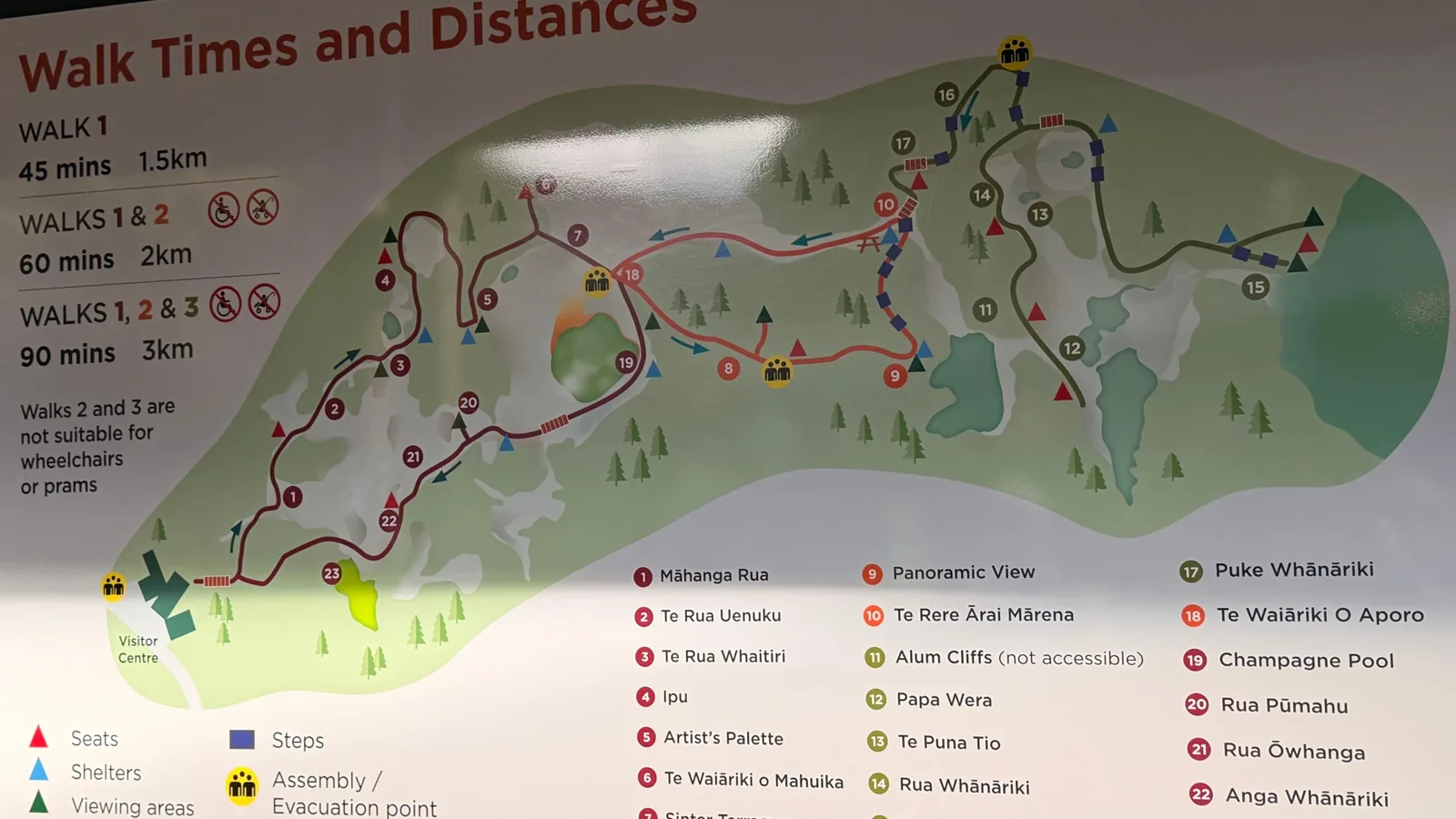
Spring: vibrant nature and changeable weather
From September to November, daylight increases, vegetation returns to centre stage and outdoor activities become more appealing again. It is a bright season with a clear sense of renewal, but it can also be unpredictable.
A clear morning does not guarantee a dry afternoon. This variability makes rain protection useful and argues against itineraries that depend entirely on stable conditions. In return, spring offers a chance to experience Rotorua at its liveliest before the busiest summer period.
Spring suits travellers interested in hiking, cycling and green landscapes who are happy to adapt their day as conditions change. Those seeking dependable weather may find it frustrating; for anyone who does not need to control every detail, it offers freshness and variety.
How the season affects your budget
Costs may vary with demand, particularly for accommodation and activities with limited places. Holiday periods usually require more advance planning, while the dates between them may offer better availability. This does not mean that one season is always cheaper than another: the day of the week, booking lead time and type of accommodation also play a part.
Saving money does not necessarily mean travelling during the coldest month. It is often more effective to avoid peak-demand dates, book well in advance and leave room for free or simple plans, such as walking through public areas, enjoying the forests or taking in an urban landscape shaped by geothermal steam.
Which season suits the way you travel?
If you want long days outdoors and an active itinerary, summer is the most convenient option, provided you are comfortable with larger crowds.
If you prefer a balance of weather, scenery and tranquillity, early or mid-autumn is usually a good fit.
If thermal waters, culture and the geothermal atmosphere are the main attractions, winter offers a more intense experience, although it calls for warm clothing and flexibility.
If you want vibrant nature and do not mind changeable weather, spring combines outdoor activity with fewer visitors before summer.
Rotorua does not lose its appeal when it rains or temperatures fall; it simply changes in character. The best time to visit is when its daylight, moisture, cold, energy or calm match the trip you truly want to take.