What makes Rotorua special
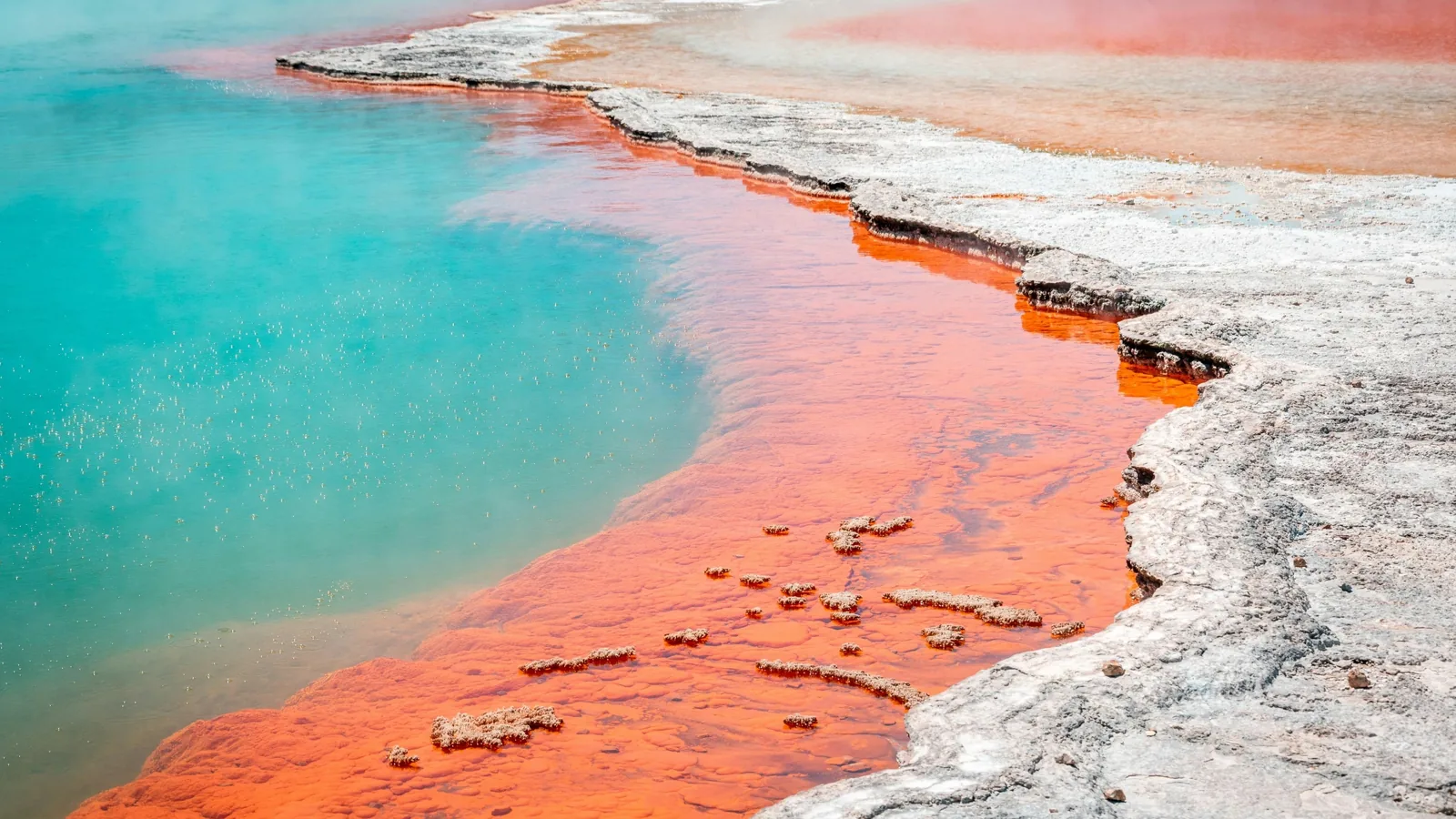
Geothermal activity is its most obvious feature. Steam rising from the ground, mineral-coloured water, bubbling mud and landscapes shaped by underground heat all belong to the region’s identity. This is not confined to one attraction: signs of the energy beneath the surface can appear even in urban areas.
The sulphur smell is the other side of the experience. Some people soon become accustomed to it, while others find it persistent and unpleasant. It is worth knowing about before arrival because it belongs to the place rather than being limited to a particular visit.
Rotorua also offers an opportunity to engage with Māori culture, which has a more visible presence here than on many conventional itineraries. The experience becomes more valuable when visitors choose community-led options and listen to the context surrounding ceremonies, stories, food and traditional arts. Treating it only as entertainment removes much of its depth.
The surrounding lakes and forests add another layer to this geothermal and cultural identity. They provide opportunities to walk, cycle or slow down, showing that Rotorua does not have to become a succession of paid admissions and activities.
How much of its reputation is deserved
Rotorua’s geothermal uniqueness is genuine. It brings together sights, sounds and smells that are rarely encountered in the same place on New Zealand’s usual routes. It has also welcomed visitors for a long time, so some locations can feel highly structured.
Anyone expecting a wild, free expanse of geysers that can be explored without restrictions may be disappointed. Several of the most spectacular areas charge admission, while cultural and adventure experiences generally require bookings. This makes access and interpretation easier, but it also introduces timetables, groups and an obvious commercial element.
The entire city does not possess the scenic beauty associated with New Zealand’s grand landscapes. Rotorua works better as a base for experiences than as a monumental city. Its appeal lies in what happens around and beneath it, not in a sequence of elegant streets or historic buildings.
Who Rotorua suits
Rotorua tends to be particularly rewarding for people who are curious about geology, want to learn more about Māori culture or hope to combine nature with activities. Families can find accessible and highly visual experiences, while active travellers have options involving forests, water and adventure.
It also fits well into a first trip to New Zealand because it introduces a dimension distinct from the mountains, coastlines and scenic roads. After several days dominated by contemplative landscapes, Rotorua adds human texture, heat, sound and movement.
Residents and returning travellers can also find it appealing, especially when they visit at a slower pace and devote more attention to trails, lakes and cultural initiatives than to the most popular attractions alone.
Who might enjoy it less
Rotorua may be less convincing for travellers on a very tight budget who expect its main attractions to be free. Walks and public spaces reveal some of its character, but several signature experiences come at a cost.
It is not the ideal stop for people who dislike organised visits or prefer destinations with little tourism infrastructure. A peaceful stay is possible, although the most visible part of the offering is designed to make activities easy to book and consume.
Travellers who are particularly sensitive to sulphur may find the stay uncomfortable. Rotorua may also offer less novelty if the itinerary already includes other geothermal areas or well-designed cultural experiences, especially when other destinations align more closely with personal interests.
Cost, time and pace
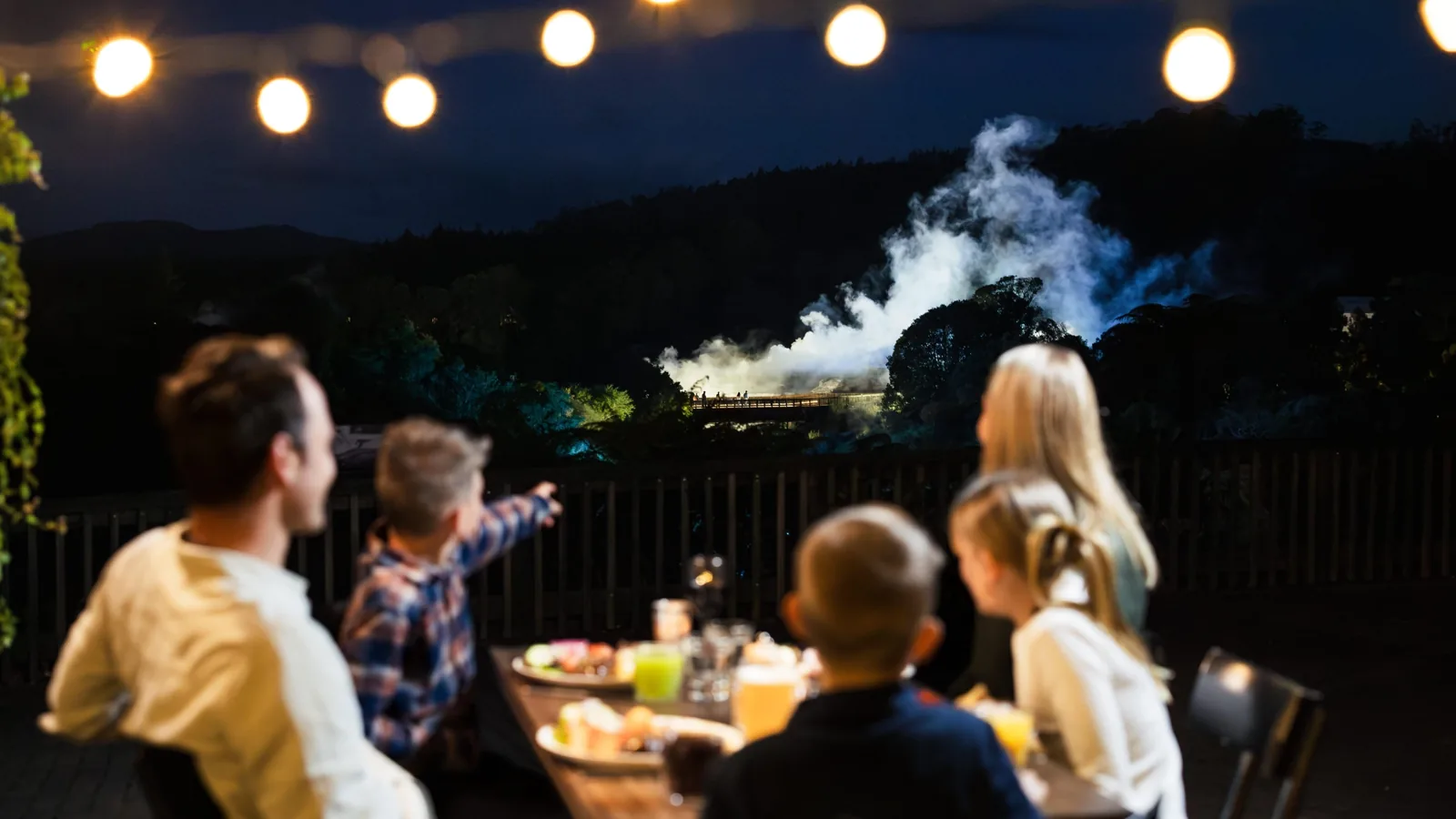
Rotorua can remain relatively affordable or become one of the most expensive stops on a trip. The difference usually comes not from walking around the city but from combining geothermal sites, cultural experiences, thermal bathing and adventure activities. Trying to do everything rarely improves the visit.
A sensible approach is to select one principal geothermal experience, one carefully chosen cultural encounter and some free time in the natural surroundings. This balance prevents the stay from becoming an endless sequence of admissions and transfers.
One night is enough for a basic impression, but it forces choices and leaves little room for poor weather or spontaneity. Two nights make it possible to combine the essentials without rushing. A third can suit travellers who want to explore the surrounding area, spend time in the forest or include longer activities. A longer stay depends on personal interest in the region and the pace of the wider trip.
Its strengths and limitations
Rotorua’s great advantage is the variety available within a manageable area. During one stop, travellers can move from a geothermal landscape to a cultural experience and finish among trees or beside a lake. Few destinations on a New Zealand itinerary bring these layers together so clearly.
The limitation appears when the schedule becomes too crowded. The abundance of options can encourage habitual booking, repetition of similar experiences or greater attention to the activity catalogue than to the destination itself. Popular sites can also draw large visitor numbers, and their atmosphere changes with the season and time of day.
Weather influences the experience but does not necessarily spoil it. Steam and rain can create a powerful scene, although poor conditions reduce the enjoyment of some outdoor activities. Keeping plans flexible is more helpful than trying to control every day.
How to make the visit more worthwhile
The key is to choose deliberately. Not every geothermal experience shows exactly the same things, and not every cultural offering has the same relationship with the community. It is worth identifying which aspects genuinely matter and resisting the urge to accumulate variations through fear of missing out.
Leaving some time unscheduled also improves the visit. A quiet walk, watching steam drift across the landscape or spending a few hours in the forest can balance a day filled with intense stimulation. Rotorua is easier to understand when it is given room to breathe.
Attitude matters during cultural experiences. Listening, following guidance respectfully and avoiding the treatment of traditions as scenery can transform the quality of the visit. Māori culture is not a themed addition to Rotorua but a living part of its identity.
Verdict: Is Rotorua worth visiting?
Yes, Rotorua is worth visiting when the purpose is to experience its combination of geothermal activity, Māori culture and nature rather than complete a checklist of attractions. Two nights usually provide a sound balance, although a shorter stay can work with careful selection.
It is neither a perfect nor a universally appealing stop. The sulphur smell, cumulative activity costs, crowds and organised character of some places can diminish its charm. Travellers who arrive with realistic expectations will nevertheless find a destination whose personality is difficult to reproduce.
Rotorua does not seduce through polish or silence. It does so because the landscape seems to breathe, the earth makes its presence felt and the human history of the place gives meaning to what happens beneath your feet. That combination, stranger than it is comfortable, is precisely why it deserves a place on the journey.