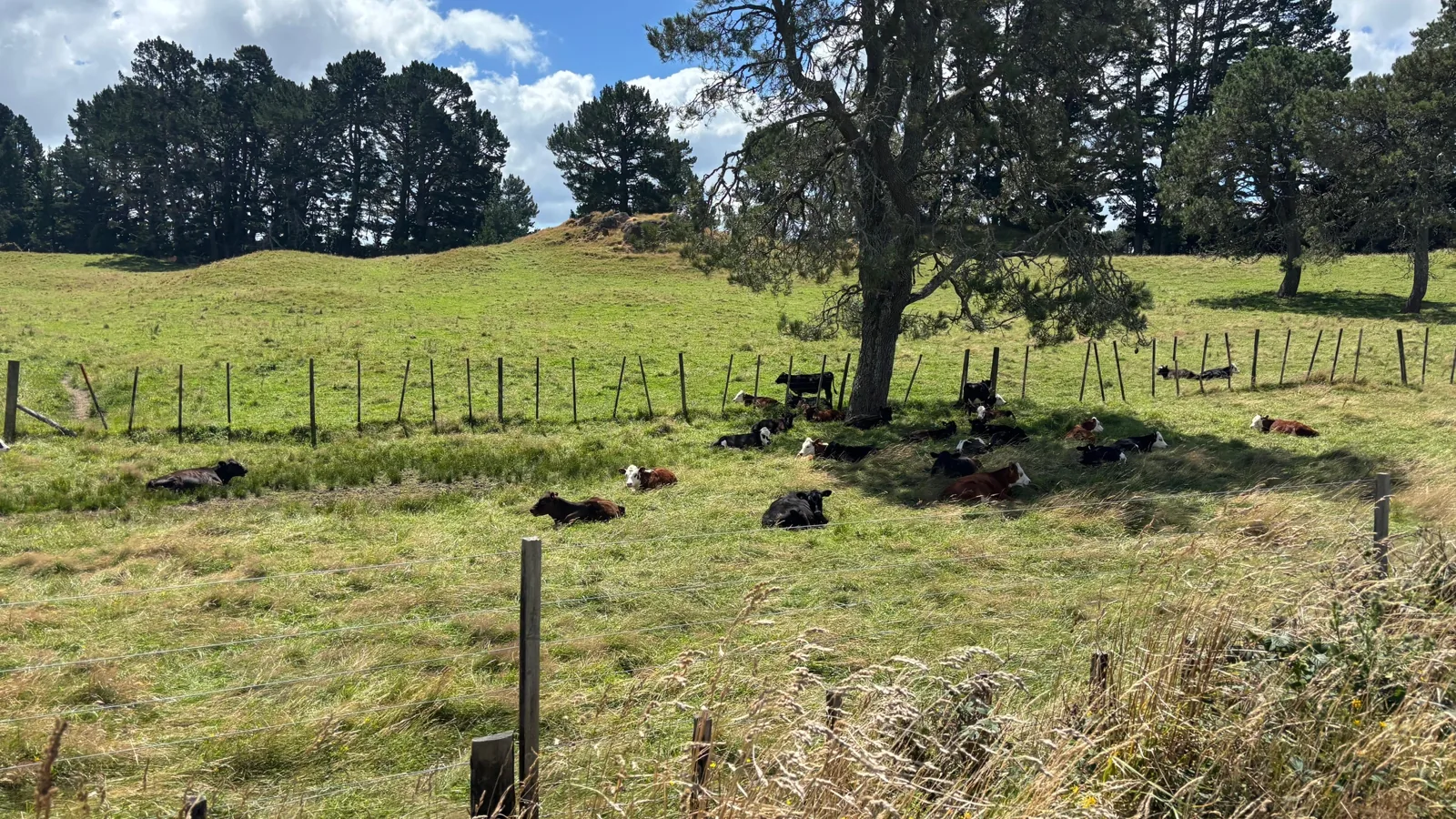
The city centre is best explored on foot
Much of central Rotorua can be explored on foot. Walking makes it easy to move between restaurants, shops, gardens and areas near the lake without relying on timetables or looking for somewhere to park. It also reveals the transition between the urban landscape, green spaces and the visible and unmistakable signs of geothermal activity.
Even so, a manageable city centre should not be mistaken for an entirely walkable destination. Distances become more significant when your accommodation is on the outskirts or your plans include several attractions that are far apart. Weather also affects the experience: on a cold, rainy or very hot day, a walk that looks reasonable on a map may be much less enjoyable.
Travellers staying in a central area with only a few days to spare may be able to do without a car for part of their stay. For residents or visitors who simply want to take a walk, have a meal or enjoy an urban activity, walking is usually the easiest option.
Cycling: appealing in the forest, less universal for everyday travel
Rotorua has a strong connection with cycling, particularly through its forest settings and recreational trails. A bicycle can become a central part of the trip if the aim is to explore trails or enjoy the scenery at a different pace.
As a general means of transport, however, cycling requires careful consideration of the rider's experience, the weather, gradients, luggage and the safety of each route. Not every approach to a tourist attraction is equally comfortable on two wheels. Nor is it the ideal solution for families with young children, people with reduced mobility or travellers planning to visit several distant attractions in the same day.
Rather than always replacing a car, cycling works well as an experience in its own right or for specific journeys researched in advance.
Public transport is useful, but requires planning
Public transport covers certain urban journeys and provides access to some areas without the need to drive. It can work well for a relaxed trip, especially if your accommodation is close to a convenient stop and the places you intend to visit lie along the available routes.
Its main limitation is flexibility. Some natural areas and attractions outside the city are not directly connected, and combining several of them in a single day may involve waiting, transfers or additional walking. Services may also change, so it is advisable to check current routes and conditions before planning your day.
For a stay focused on the city centre, with one or two booked excursions, public transport may be sufficient. For an ambitious itinerary covering lakes, geothermal areas and rural landscapes, it will probably fall short.
Transfers and excursions as a practical alternative to hiring a car
Choosing not to drive does not mean being confined to the city centre. Some activities offer transfers or can be visited on organised excursions. This approach removes the need to worry about parking and lets you enjoy the scenery without having to concentrate on the road.
The trade-off is clear: you lose independence. Timetables, the amount of time available at each stop and the order of the itinerary are determined by the service you choose. For anyone who prefers to improvise, stop beside a lake or extend a visit, this structure may feel too restrictive.
It is, however, well suited to solo travellers, people who are uncomfortable driving in an unfamiliar country or those on a short stay who want to simplify the logistics.
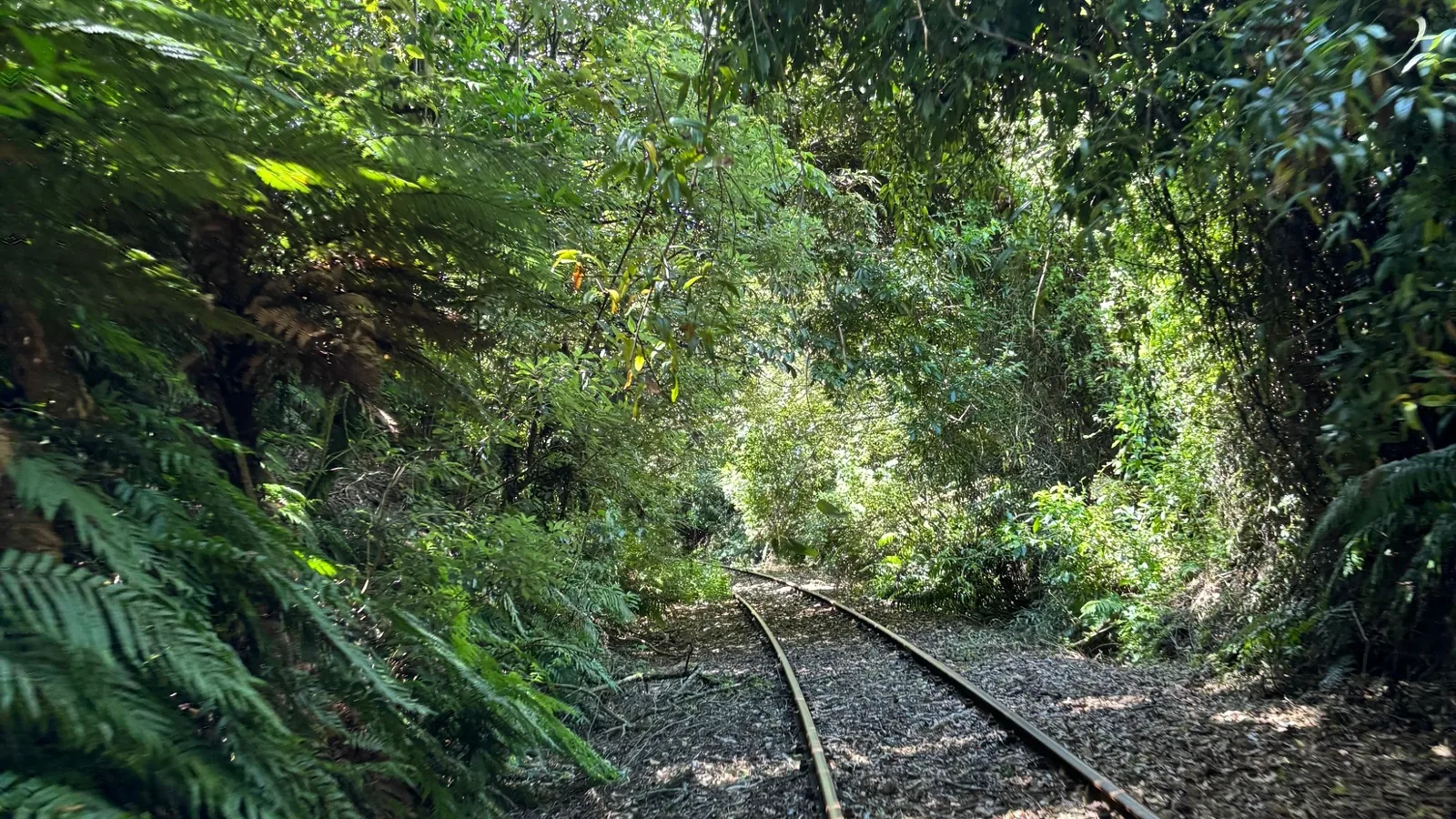
When hiring a car is worthwhile
A car offers real value when Rotorua is part of a longer road trip or when you want to explore several scattered locations. It allows you to set off early, adapt your itinerary to the weather and combine nature, culture and activities without relying on connections.
It can also be useful for families, groups and travellers carrying luggage or sports equipment. Comfort increases, but so do the responsibilities: navigation, fuel, parking and adapting to local traffic rules. In New Zealand, vehicles drive on the left, which requires particular concentration if you are not used to it.
Rural roads may look straightforward on a map, but perceived travel time does not always match the distance. Bends, weather conditions, stops and fatigue can make some journeys slower than expected. It is wise to allow extra time and avoid planning days that string together too many stops.
A car loses some of its advantage if your accommodation is central and your plans are concentrated in the city. In that case, it may spend many hours parked, becoming an expense and a concern rather than an asset.
Parking without making it the focus of the trip
Parking conditions may vary in urban areas and near the most popular attractions. It is important to read the signs, check for possible time limits and never assume that any available space allows you to leave your vehicle there for the entire day.
A good approach is to park once and explore several nearby places on foot instead of moving the car at every stop. This reduces hassle and allows you to get to know the city better. In natural areas, park only where permitted, without blocking access or encroaching on sensitive land.
The right strategy for each type of trip
For a short break with centrally located accommodation, walking and booking transfers for an excursion outside the city will usually be enough. If you are staying for several days and combining the city centre with forests, lakes and geothermal sites, hiring a car for part of the trip provides freedom without the need to keep it from arrival to departure.
Travellers on a tight budget can plan around public transport and choose fewer places to visit while spending more time at each one. Families often appreciate the independence of having a car, while travellers primarily interested in cycling can make it their main activity and use transfers for everything else.
Getting around Rotorua is not difficult, but it does require an understanding of its geography: the urban heart is accessible, while the full experience extends much farther. The best decision is neither to hire a car out of habit nor to avoid one at all costs, but to use each mode of transport wherever it genuinely improves the trip.