 Activity on TourBookGo
Wai-O-Tapu, Waimangu and Te Puia from Rotorua
Visit Wai-O-Tapu, Lady Knox Geyser, Waimangu and Te Puia on an 8-hour Rotorua tour with admission, transport and an English-speaking guide.
Balance geothermal landscapes, Māori culture, forests and lakes without turning each day into a race.
Rotorua is best enjoyed by alternating between three landscapes: geothermal activity, Māori culture and the forests surrounding its lakes. One day provides an introduction, while two or three days reveal more of the relationship between land, water and local communities. The key is not to cram in attractions, but to choose genuinely different experiences and leave time to understand the place.
Compare locations and options to find a base that suits your trip. Booking.com confirms current availability and pricing.
Find accommodation on BookingIf you only have one day, spend the morning at Te Puia and the Whakarewarewa geothermal valley. It is a practical choice because geothermal activity, cultural heritage and traditional Māori arts come together in a single visit. Allow enough time to explore without making it a rushed stop.
Afterwards, head into central Rotorua and walk through the gardens beside the lake. This part of the city offers a peaceful contrast to the steaming ground of the morning and shows that geothermal activity is part of the everyday landscape, not just a feature of visitor attractions.
End the day in Whakarewarewa Forest, known for its redwoods. Its trails offer opportunities to walk or cycle among towering trees, ferns and clearings. Some forest experiences charge admission, but accessible routes also let you enjoy the afternoon without adding another organised visit.
The first day can follow the itinerary above. On the second, change the pace and explore the lake scenery. One option is the area around Blue Lake, whose Māori name is Tikitapu, followed by nearby viewpoints or lakeside areas according to the weather and available transport.
There is no need to circle every lake. A leisurely walk, a stop by the water and time to take in the forest offer more than a hurried route.
In the afternoon or evening, include a respectful Māori cultural experience led by people sharing their own history. Check what each programme includes and choose according to its cultural content, not just the performance. It should help explain the connections between community, genealogy, hospitality, language and land.
For a more active day, replace part of the lake route with mountain biking, hiking or a water activity suited to the conditions.
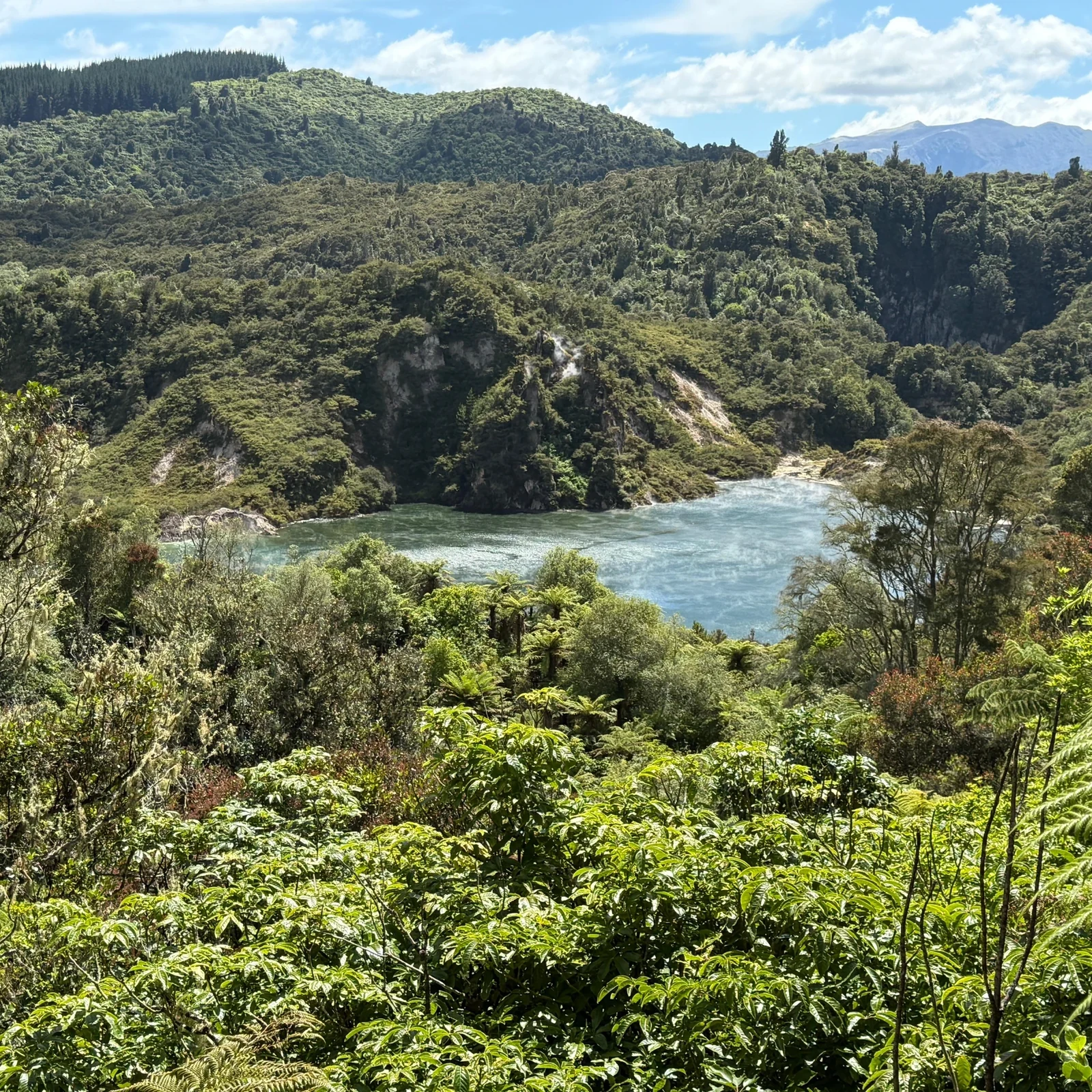
With three days, leave the city centre and devote a full morning to another geothermal landscape. Wai-O-Tapu is known for its mineral colours and geothermal formations, while Waimangu offers a broader scenic experience shaped by the valley, vegetation and traces of volcanic activity.
There is no need to visit both. Choose according to whether you prefer concentrated formations and colours or a longer walk through a more expansive setting. Both are outside the centre, so a car makes the day much easier. Without your own vehicle, check transfer options in advance.
After the visit, return without filling the afternoon with bookings. You could relax in thermal waters, revisit Lake Rotorua or follow a short trail. Soaking, walking slowly or watching steam drift over the water may reveal more about the place than another hurried admission.
A week allows you to experience Rotorua as a base rather than an isolated attraction. After following the three-day outline, alternate between activity and rest.
Devote day four to Whakarewarewa Forest. Options range from easy walks to mountain biking trails. Families and travellers who prefer something less strenuous can choose shorter paths and keep the rest of the day free for the town centre.
On day five, consider a day trip to Taupō for its lake and volcanic scenery. Focus on one or two objectives; trying to include the lake, waterfalls, long walks and more thermal parks would reintroduce the rush that a longer stay should avoid.
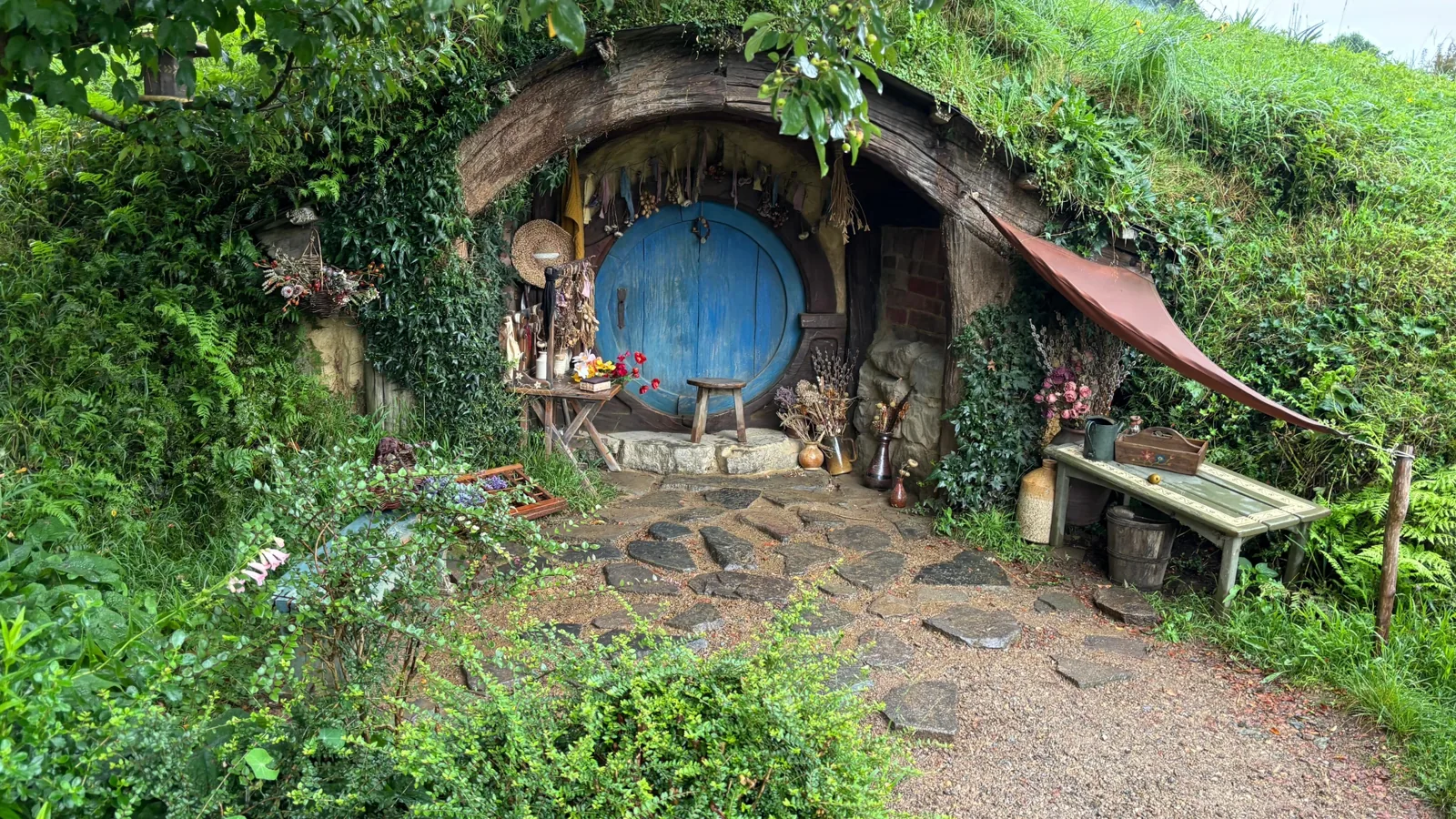
Choose day six according to your interests. You might consider Hobbiton if you are drawn to the world of film, select another lake or a weather-appropriate walk, visit a market if one coincides with your stay, rest or return to a place that deserves a second look.
Keep day seven partly free. Rain, wind or fog can change the experience of trails and viewpoints. This flexibility lets you reschedule an activity, enjoy a thermal bath or walk along the lakeshore before continuing your journey.
For a visit focused on the city, Te Puia and Whakarewarewa Forest, it is possible to manage without a car by combining walking with local transport or prearranged transfers.
A vehicle is particularly useful for lakes, geothermal valleys and rural locations. Driving also requires care, flexibility when the weather changes and awareness that facilities vary between locations. Group visits by area to avoid retracing the same route.
The most common mistake is booking too many geothermal experiences in a row. Each site has its own identity, but visual fatigue can set in and admission fees can weigh on the budget.
Another mistake is treating Māori culture as an evening add-on disconnected from the land. Rotorua is better understood when this perspective runs throughout the journey.
Leave breathing room between booked activities. Trails invite you to pause, conditions can change and rural journeys become harder when every minute is tightly scheduled.
Discover selected Rotorua experiences spanning geothermal landscapes, Māori culture, lakes and outdoor adventures.
Activity on TourBookGoVisit Wai-O-Tapu, Lady Knox Geyser, Waimangu and Te Puia on an 8-hour Rotorua tour with admission, transport and an English-speaking guide.
 Activity on TourBookGo
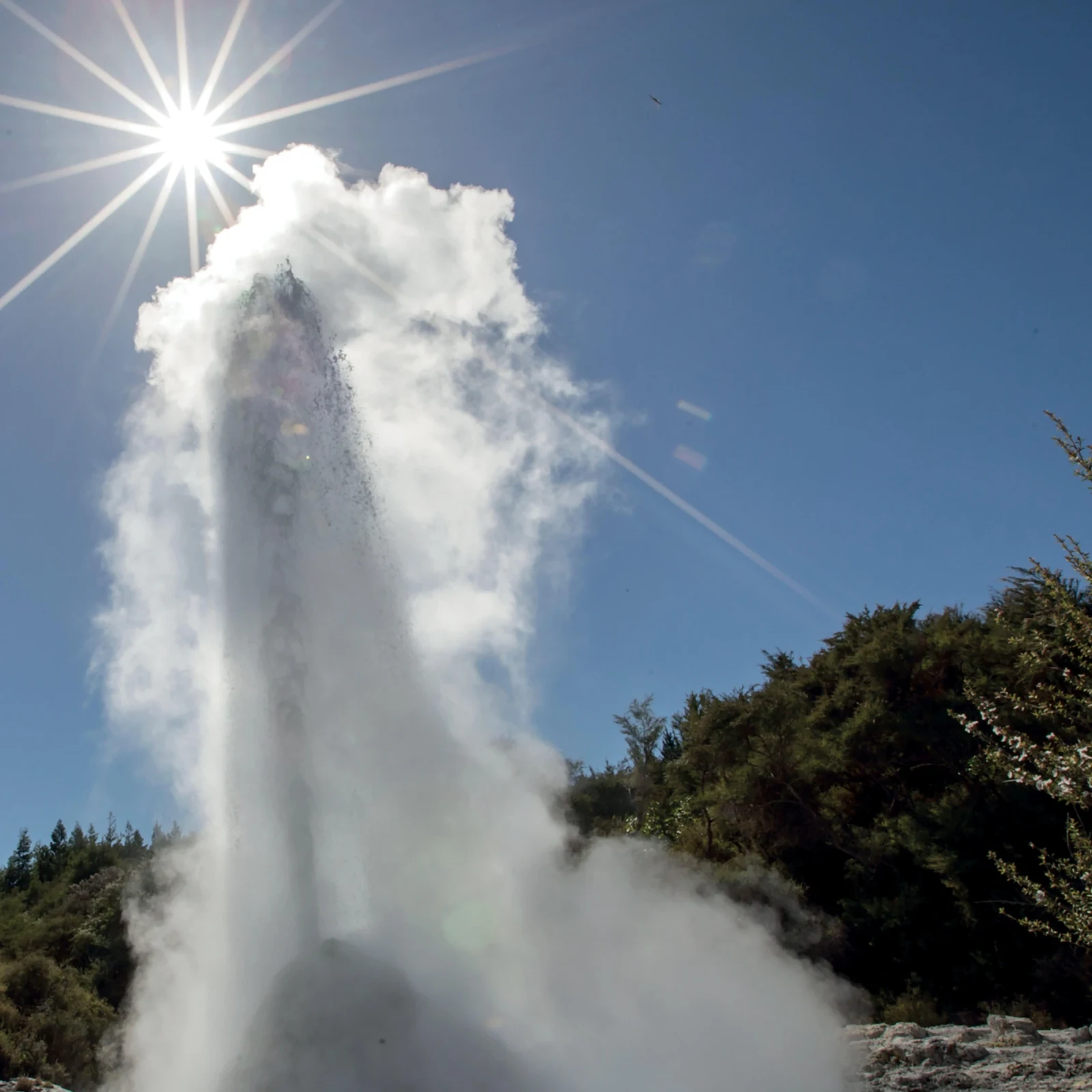
Visit Wai-O-Tapu, Lady Knox Geyser and Te Puia on a 12-hour trip from Auckland with transport, English-speaking guide, admission and haka.
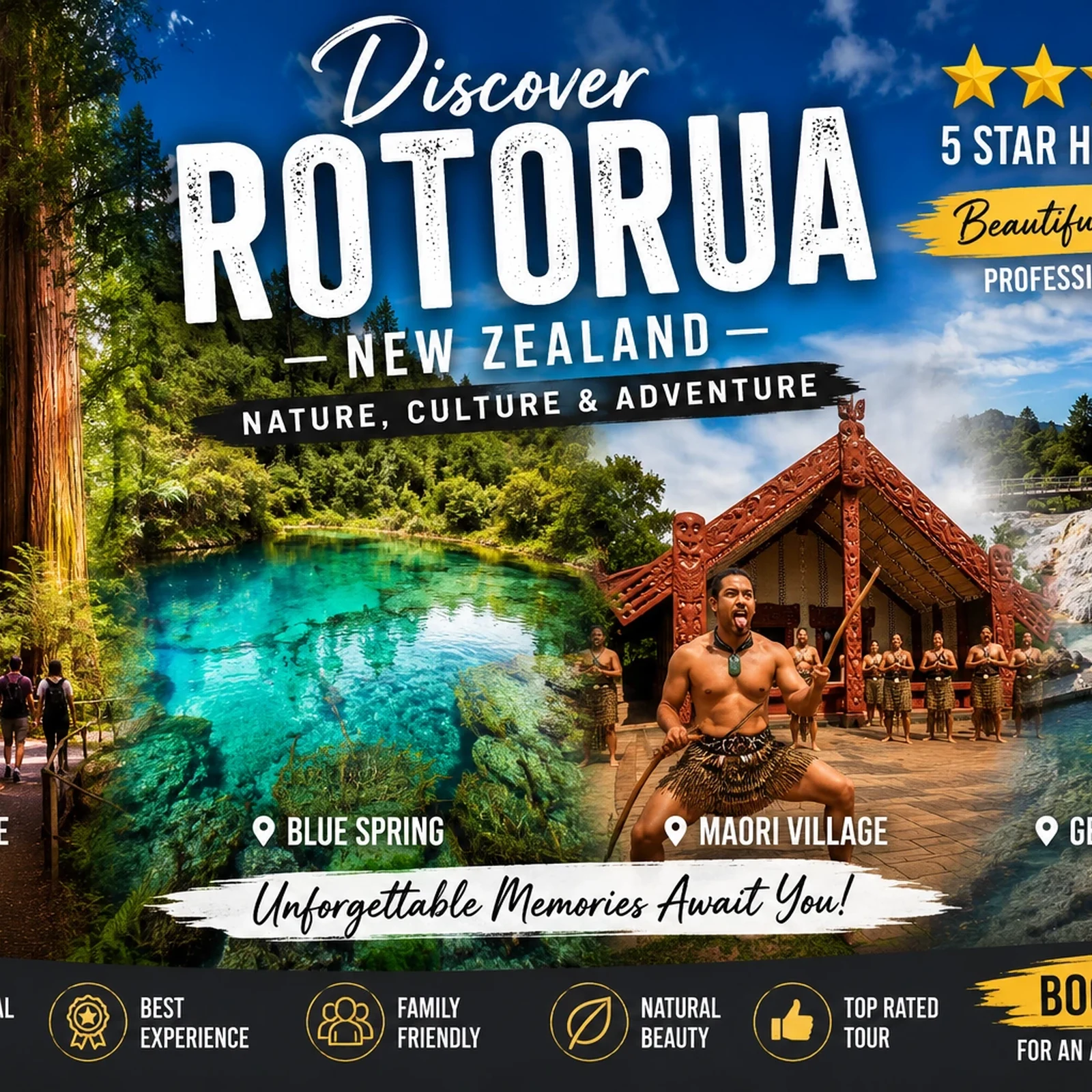 Activity on TourBookGo
A full day connecting Auckland with Rotorua’s landscapes through private transport, hotel pickup and an itinerary that can be adapted. The proposal combines Blue Spring, forest, geothermal features and Māori culture, although the…