What really determines your budget
Accommodation is usually the largest expense. Its cost varies with the season, booking lead time, location and type of property. Simple accommodation with a kitchen can reduce both the room rate and food costs, while a comfortable central hotel makes the trip easier but leaves less room for activities.
Transport is another significant expense. Travellers using their own vehicle or a hire car gain more freedom to explore the surrounding area, but need to include fuel, parking where applicable and the daily vehicle cost. Without a car, a more concentrated city-based visit is still possible, although some outlying excursions require organised transport, a taxi or more careful planning.
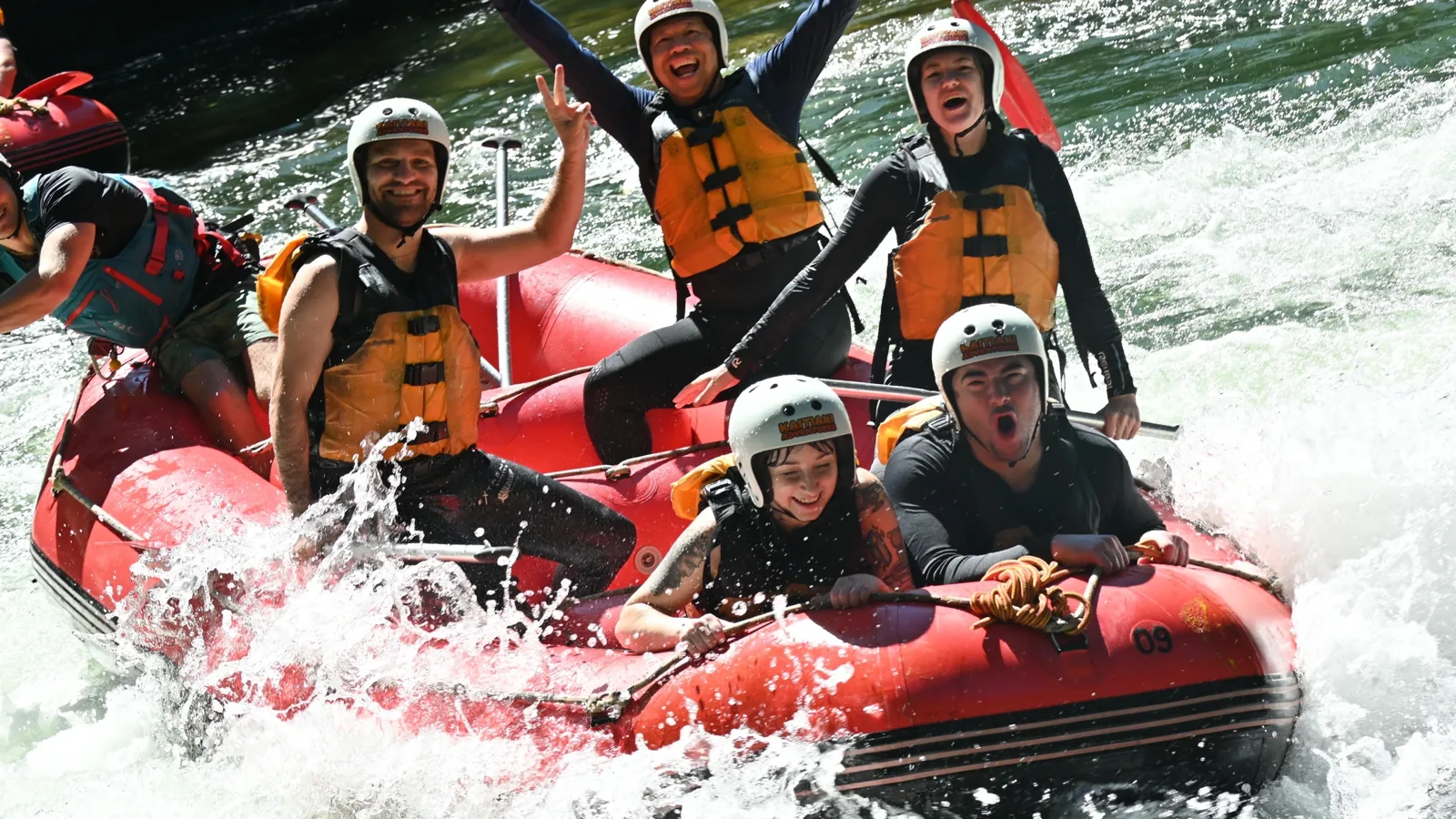
Activities are the third factor. Rotorua combines free or low-cost options with specialised experiences that can absorb a substantial part of the daily budget. You do not need to pay for all of them, and trying to complete them one after another often creates an expensive, rushed visit.
Travelling on a budget: choose rather than accumulate
A tight budget works best when you accept that not everything needs to fit into the itinerary. A sensible strategy is to book one main experience and build the rest of the trip around walks, parks, lakeside areas, trails and time to observe the urban and geothermal landscape.
Simple accommodation with a kitchen helps control spending. Preparing breakfast, taking food for the day and cooking an occasional evening meal leaves more money for the experiences that define the trip. Eating out constantly, even in modest establishments, adds up quickly.
A convenient location also matters. An apparently low room rate loses some of its advantage if it creates constant transport costs. Check what the property genuinely includes: a kitchen, parking, laundry facilities or transport can affect the total cost, but none should be assumed.
Saving on everything and then missing the experience that inspired the trip is a common mistake. Rotorua can be enjoyed without an itinerary full of admission tickets, but one meaningful activity usually gives the visit greater depth.
A mid-range budget: balance and flexibility
A mid-range budget can combine reasonable comfort, varied meals and several paid experiences without turning every day into a race. This is often the most balanced approach for a first visit.
Alternating the pace of your days helps reduce spending and gives you more time to understand the destination. One day might focus on a geothermal or cultural experience, followed by a day of walking, resting and exploring open spaces.
For food, a practical formula is to have one main meal out and keep the rest of the day simple. Leaving flexibility in the budget also lets you decide as you go whether an additional activity is genuinely worth the cost.
If you hire a car, calculate it as a complete expense rather than relying on the advertised rate. Fuel, insurance coverage, possible surcharges and return conditions can all change the total. If the vehicle is only needed for part of the stay, consider whether keeping it every day is worthwhile.
A comfortable trip: paying for time and convenience
A generous budget makes it easier to choose a better location, use a vehicle, eat out frequently and book experiences without every decision being dictated by price. Its greatest advantage is not luxury but ease: less waiting, fewer logistical complications and more freedom to adapt your plans to the weather or your energy.
Spending more does not guarantee a better experience. An overcrowded schedule can leave little room to understand the place. Rotorua rewards time spent noticing its landscape, changing light, mineral scents and relationship between nature, tourism and everyday life.
Even on a comfortable trip, it is worth being selective. A well-designed cultural activity, a geothermal visit and an outing focused on the landscape may offer more than several similar experiences packed together without a break.
Budgeting for three days
For a three-day stay, spending is normally concentrated on accommodation, transport and one or two main activities. It is a short trip and relatively easy to control, provided you do not try to cover too much.
Prioritise one characteristic experience, spend time exploring the urban surroundings and reserve another day for nature or rest. The main financial risk is filling every free slot with a paid activity to compensate for the short stay.
Budgeting for five days
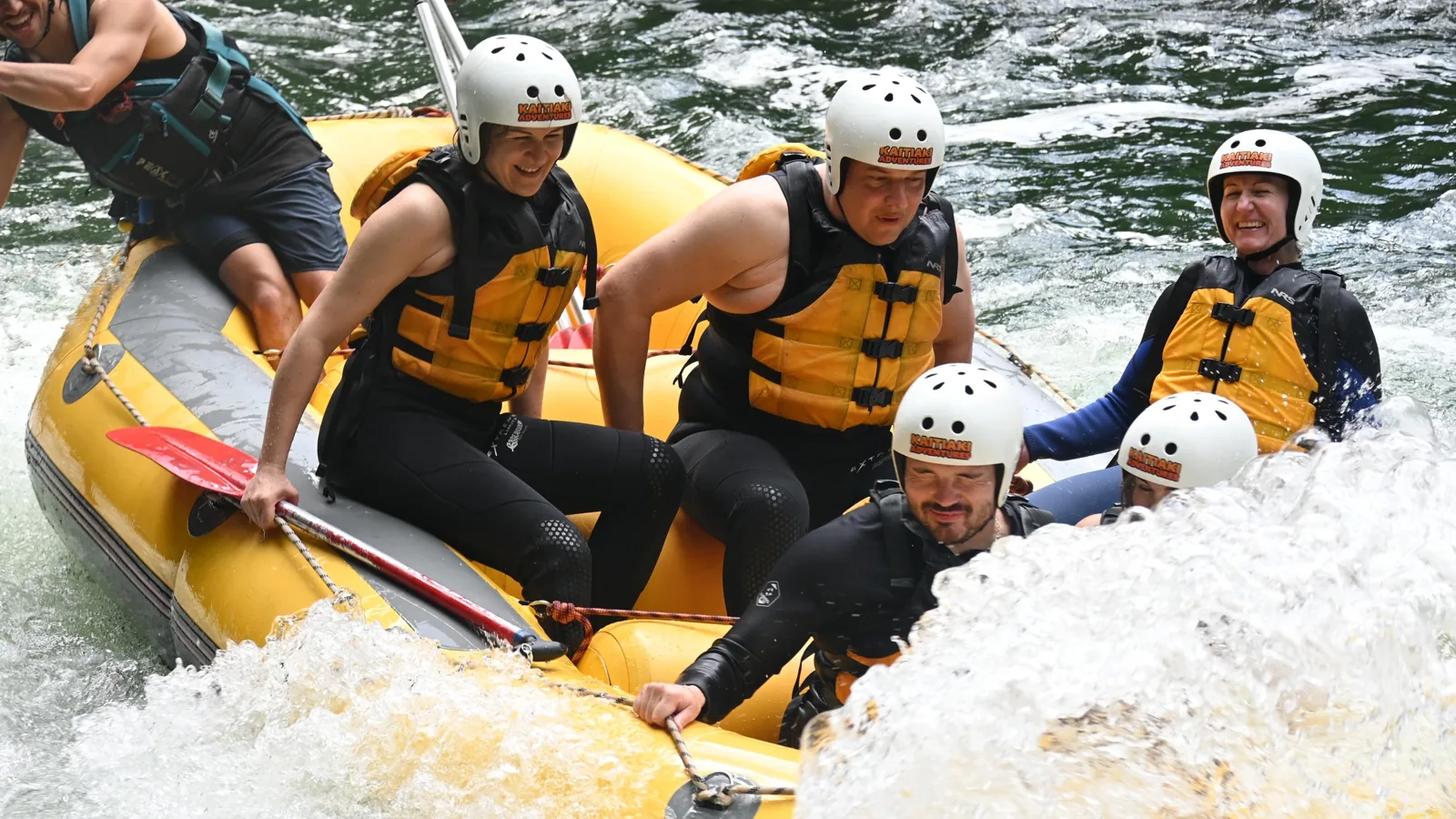
Five days allow you to spread spending more evenly and alternate major experiences with free or inexpensive plans rather than booking costly activities on consecutive days.
Accommodation represents a larger share of the budget, but a kitchen or a location that reduces travel also becomes more valuable. This length of stay suits a mid-range budget and provides time to discover different sides of Rotorua without paying for everything.
Budgeting for seven days
A week can remain affordable when you travel slowly, but costs rise quickly if every day includes excursions, adventure activities and restaurants. The difference comes not only from extra nights but also from recurring small expenses such as coffee, fuel, snacks, transport and unplanned purchases.
Plan some low-spend days and reserve part of the budget for last-minute decisions. Whether you remain in one base or explore the surrounding area will also affect logistics and transport costs.
Expenses that are often underestimated
Beyond the most visible attractions, allow for transport to distant places, fuel and hire-car conditions, unplanned meals during excursions, laundry on longer stays, equipment for rain or changing weather, services or supplements not included in bookings, changes caused by an overly rigid schedule and purchases connected with cultural experiences.
It is also sensible to leave a small allowance for tiredness. After an intense day, cooking or walking to a cheaper option may no longer appeal. The budget should absorb an occasional convenient choice without being thrown off course.
How to save without diminishing the trip
Saving wisely is not about removing everything that costs money, but avoiding expenses that add little value. Booking ahead when conditions are clear, comparing the total cost of accommodation and grouping journeys together usually helps more than pursuing small savings on every purchase.
Limiting similar experiences is also effective. You do not need to visit several places in the same category for the trip to feel complete. Choosing according to your interests—geology, culture, forests, wellness or adventure—helps you avoid paying for activities added mainly to fill the itinerary.
Travelling outside periods of peak demand may offer better value, although weather, daylight and availability can differ. Consider these trade-offs before choosing solely on price.
What kind of budget should you plan?
Rotorua accommodates very different travel styles. Budget travellers can choose one central experience, cook some meals and organise transport carefully. A mid-range budget supports several activities, practical accommodation and a degree of freedom. A comfortable trip reduces friction, but still requires judgement to avoid becoming expensive and exhausting.
The most useful benchmark is not a fixed amount but a considered distribution of funds: accommodation and transport first, followed by a realistic selection of experiences and a margin for meals, changing weather and unforeseen expenses. In Rotorua, spending with purpose usually offers more than trying to do everything.