 Activity on TourBookGo
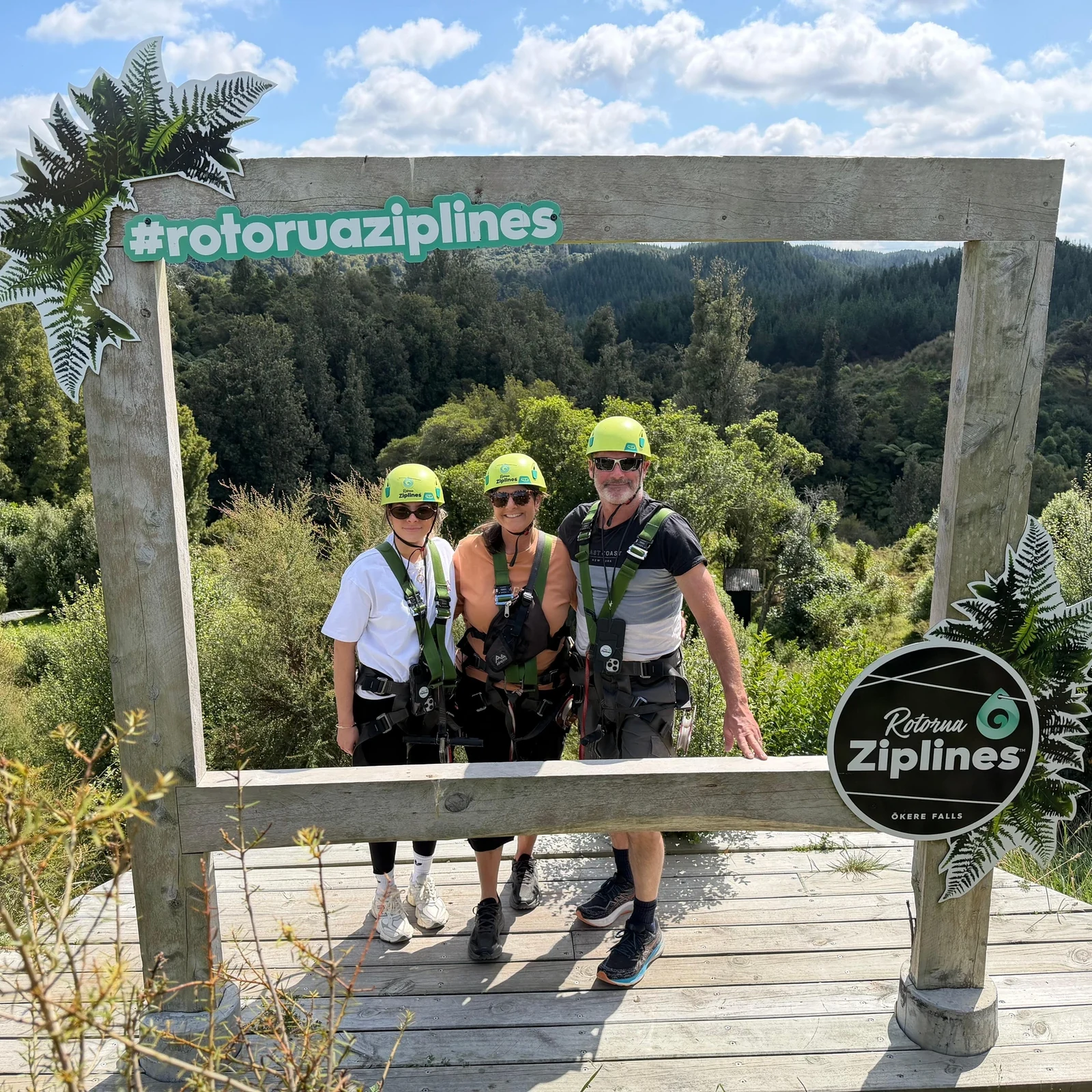
Ōkere Falls ziplines beside the Kaituna River
Ride four ziplines, cross a suspension bridge and explore native forest near Rotorua, with Tutea Falls views and cultural and environmental commentary.
Rotorua can be explored with peace of mind when you respect geothermal areas, adapt your journeys and take the usual precautions.
The main precaution in Rotorua is not to confuse an accessible landscape with a completely controlled environment. Beneath the serene appearance of its lakes, forests and parks lie extremely hot water, steam and ground that is not always stable. Staying safe is less about remaining constantly alert and more about not improvising where the landscape demands caution.
Compare locations and options to find a base that suits your trip. Booking.com confirms current availability and pricing.
Find accommodation on BookingSteaming pools, vents and colourful ground are part of Rotorua’s identity, but they also require you to keep your distance. Barriers, boardwalks and signs are not decorative features: they mark areas where high temperatures, unstable ground or steam emissions may pose a danger.
Stay on authorised paths, avoid touching the water and do not approach a thermal area simply to take a better photograph. Nor should you assume that a dry surface is necessarily safe. At managed sites, always follow staff instructions; elsewhere, do not enter closed-off land or private property.
The distinctive mineral smell can be intense. Anyone with respiratory sensitivities should pay attention to how they feel, move away if they experience discomfort and seek professional advice when necessary.
As in any tourist destination, leaving valuables visible inside a car creates an avoidable risk. Keep luggage, cameras and devices out of sight, lock the vehicle even during brief stops and avoid using an isolated car park as an improvised luggage facility.
In busy streets, terminals and attractions, the usual care with your phone, wallet and backpack is enough. There is no need to travel in fear, but do not let the holiday atmosphere create the false impression that petty theft or opportunistic damage cannot happen.
For anyone unaccustomed to driving on the left, the first few kilometres may require more concentration than expected. Roundabouts, turns and setting off again after a stop are moments when it is worth slowing down.
Outside the urban area, you may encounter winding roads, changing visibility and journeys that feel longer than the map suggests. Avoid driving when tired, allow extra time and adjust your speed to the actual conditions. If your route includes rural or forested areas, check before setting off that it is suitable and accessible.
Even easy trails deserve some preparation. Weather conditions can quickly affect how comfortable a walk feels, while mud, roots or unsuitable footwear can turn a simple outing into an unpleasant experience.
Carry water, sun protection and a waterproof layer when appropriate for your plans. On less-frequented routes, tell someone where you intend to go and avoid relying solely on your phone: neither reception nor battery life should be taken for granted.
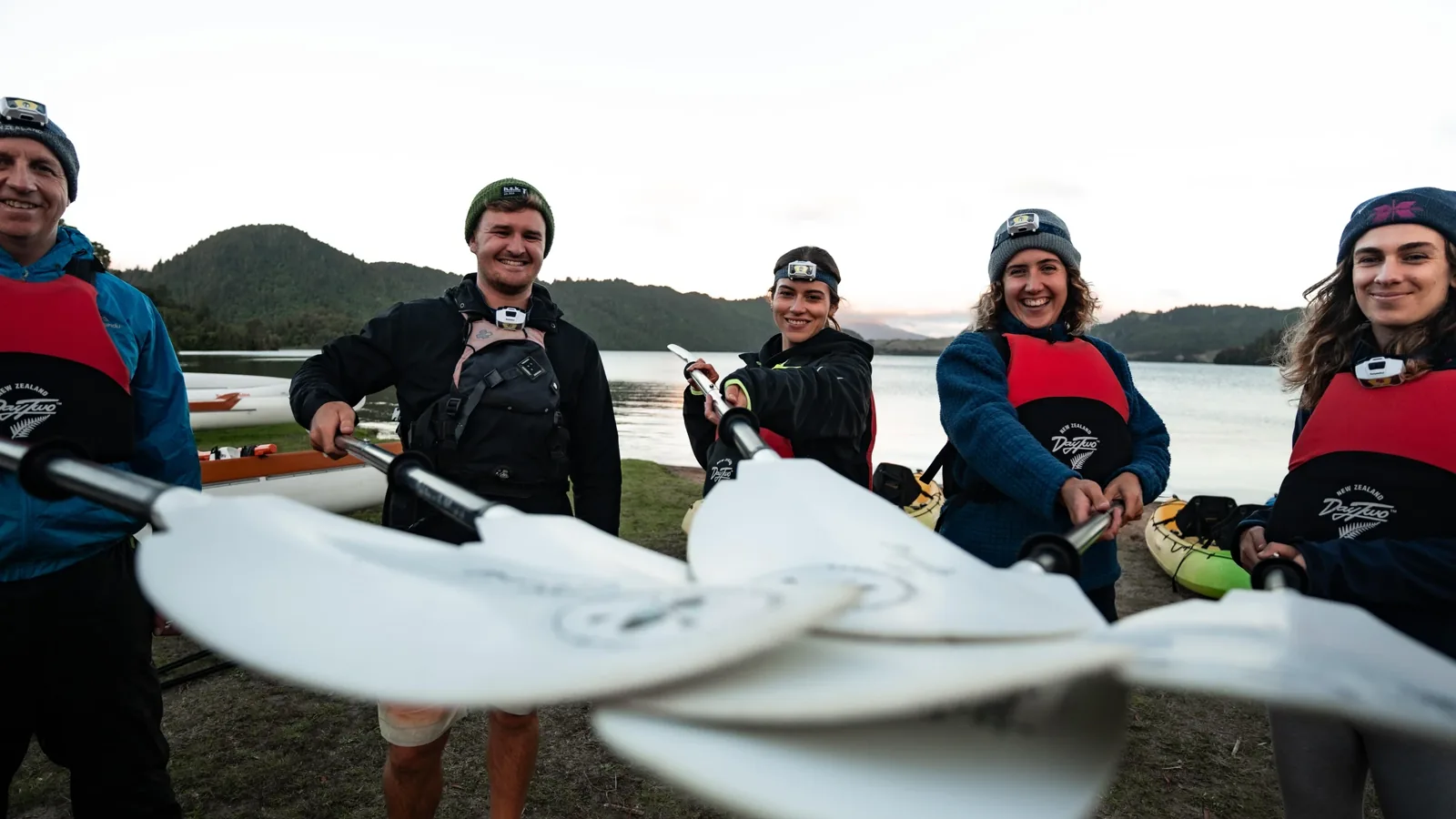
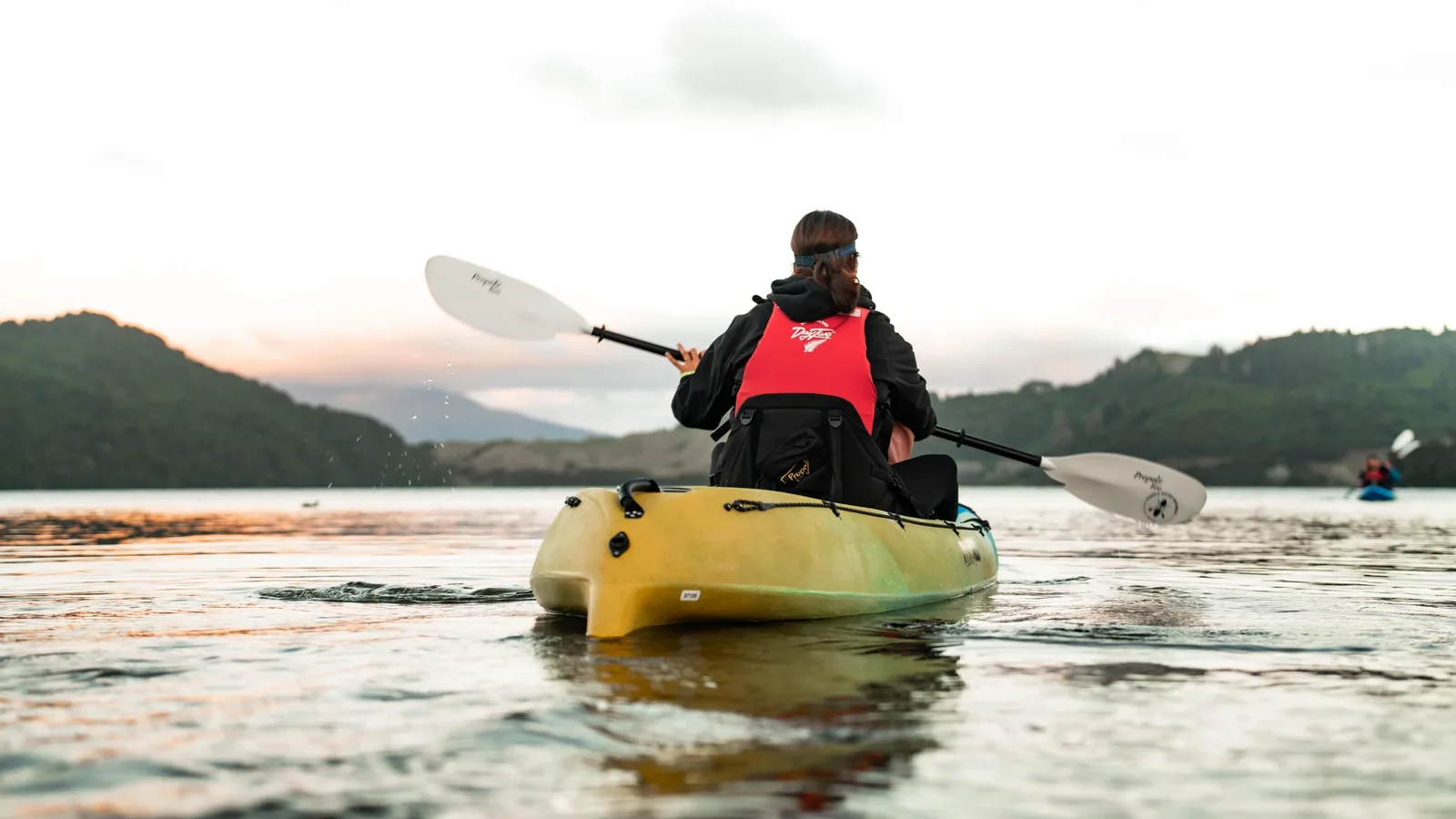
At lakes and rivers, follow local warnings and do not mistake calm water for an absence of currents, sudden changes in depth or restrictions. For guided activities, choose established operators and pay attention to safety instructions, even if you already have experience.
Lively areas can be explored with the usual precautions: plan your journey back, moderate your alcohol consumption and avoid poorly lit shortcuts or places that make you feel uneasy. If a street is deserted, you do not know the area well or your accommodation is far away, authorised transport may be more sensible than walking simply out of habit.
There is no need to turn every night out into a logistical operation. You only need to know how you will get back before setting out and not assume that an immediate solution will always be available.
Travelling alone as a woman in Rotorua does not require a radically different strategy, but it is still worth following precautions that are useful in any unfamiliar place: choose accommodation with clear information, keep an eye on your drinks, share important plans with someone you trust and leave any situation that does not feel safe.
Organised excursions can make it easier to reach natural sites without having to drive or walk alone through quieter areas. They are not essential, but they offer convenience when an itinerary includes remote activities or returning after dark.
The greatest care should be taken in geothermal areas and near water. Young children need close supervision, especially around boardwalks, barriers and hot surfaces. They should not be allowed to run outside marked routes or touch pools, streams or mineral formations.
It also helps to alternate visits with breaks. Tiredness increases the likelihood of lapses in attention, both while walking and when getting in and out of the vehicle.
Rotorua is not merely a collection of attractions; it is a living city and a place of great cultural significance to Māori communities. During cultural visits, follow the guidance of your hosts and ask before photographing people, ceremonies or spaces that may hold special significance.
Do not enter private land, cross barriers or treat cultural or residential sites as mere backdrops. Listening, observing and accepting that some places have their own rules improves the experience and helps prevent uncomfortable situations.
Before an excursion, identify the meeting point and review the site’s instructions. If there is an alert, a sudden change in conditions or an evacuation notice, follow information from the authorities and responsible staff rather than improvising your own route.
Anyone who needs medication or has a condition that may be affected by exertion, heat or fumes should prepare for the visit in advance and carry whatever they require.
Rotorua calls for attention, not fear. Its most distinctive risks are linked to geothermal activity, water, driving and outdoor activities. Staying on the paths, protecting your belongings, adapting your journeys and following local rules is usually enough to enjoy the destination with peace of mind.
The best precaution is simple: do not lose respect for the landscape merely because it is easy to approach.
Discover selected Rotorua experiences spanning geothermal landscapes, Māori culture, lakes and outdoor adventures.
Activity on TourBookGoRide four ziplines, cross a suspension bridge and explore native forest near Rotorua, with Tutea Falls views and cultural and environmental commentary.
 Activity on TourBookGo
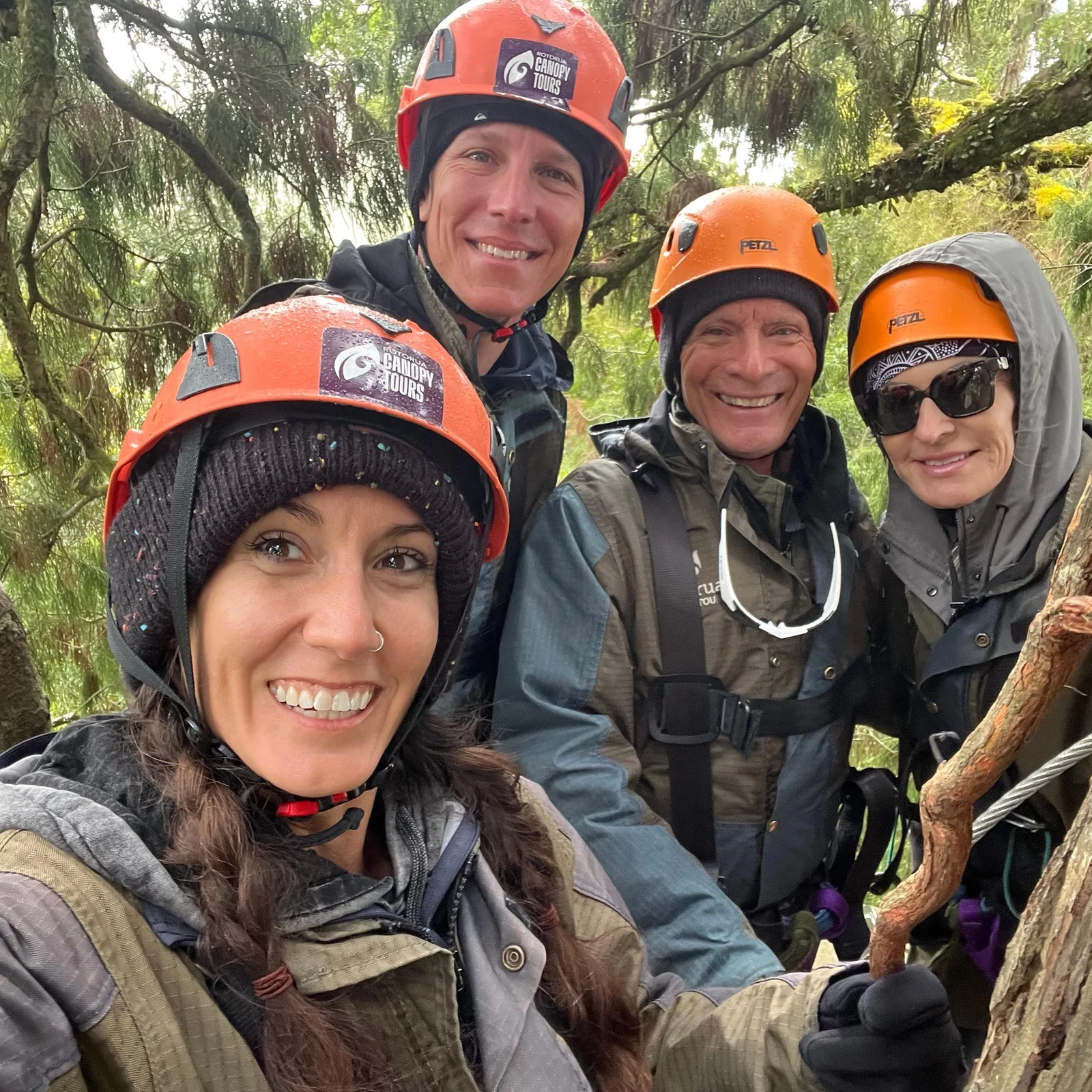
Spend 3 hours in Rotorua's native forest on six ziplines, a 400 m tandem race, suspension bridges and a volcanic cliff walk.
 Activity on TourBookGo
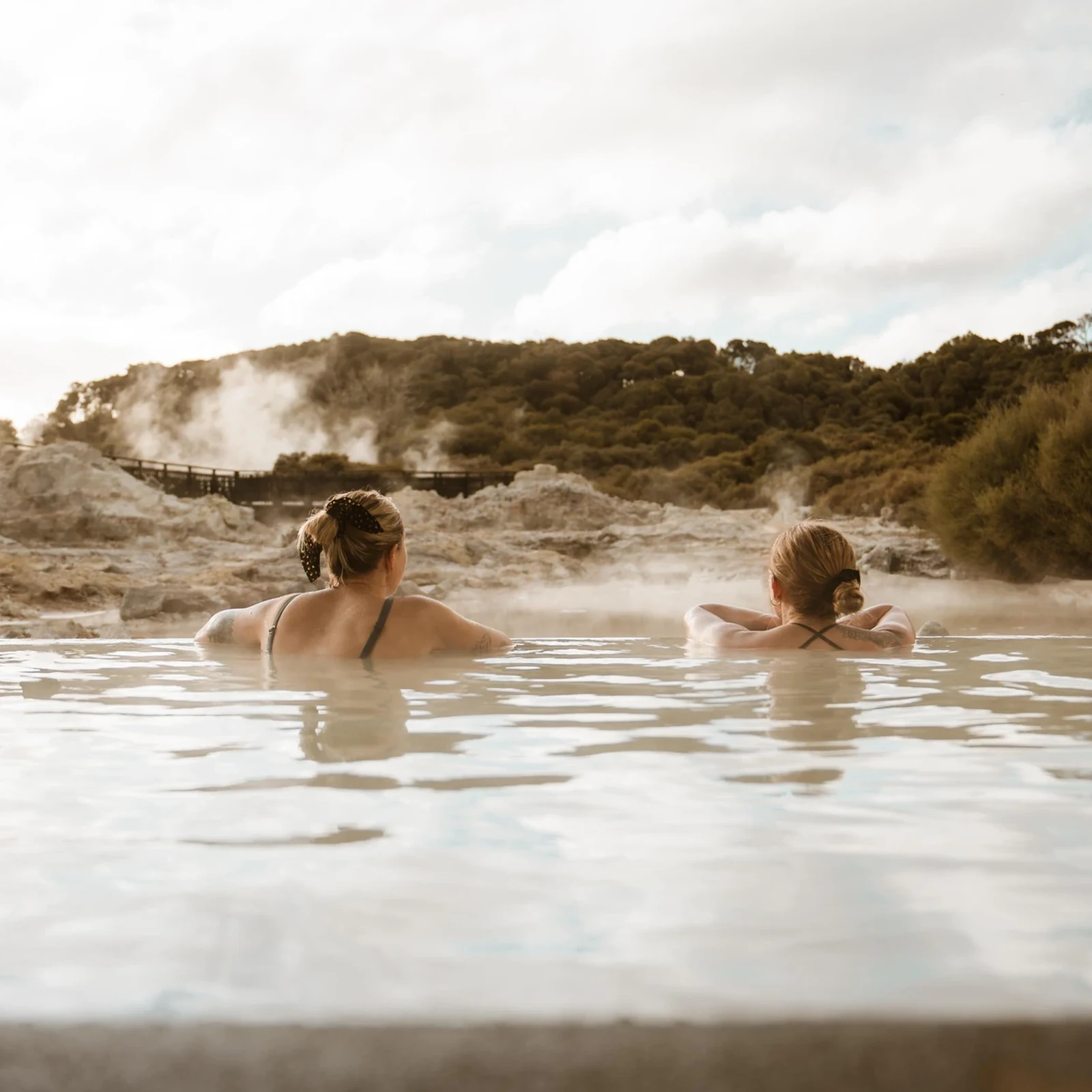
Spend one hour enjoying a geothermal mud bath, sulphur spa and cold plunge pool at Hells Gate near Rotorua. Check times and options.