Start with the geothermal landscape
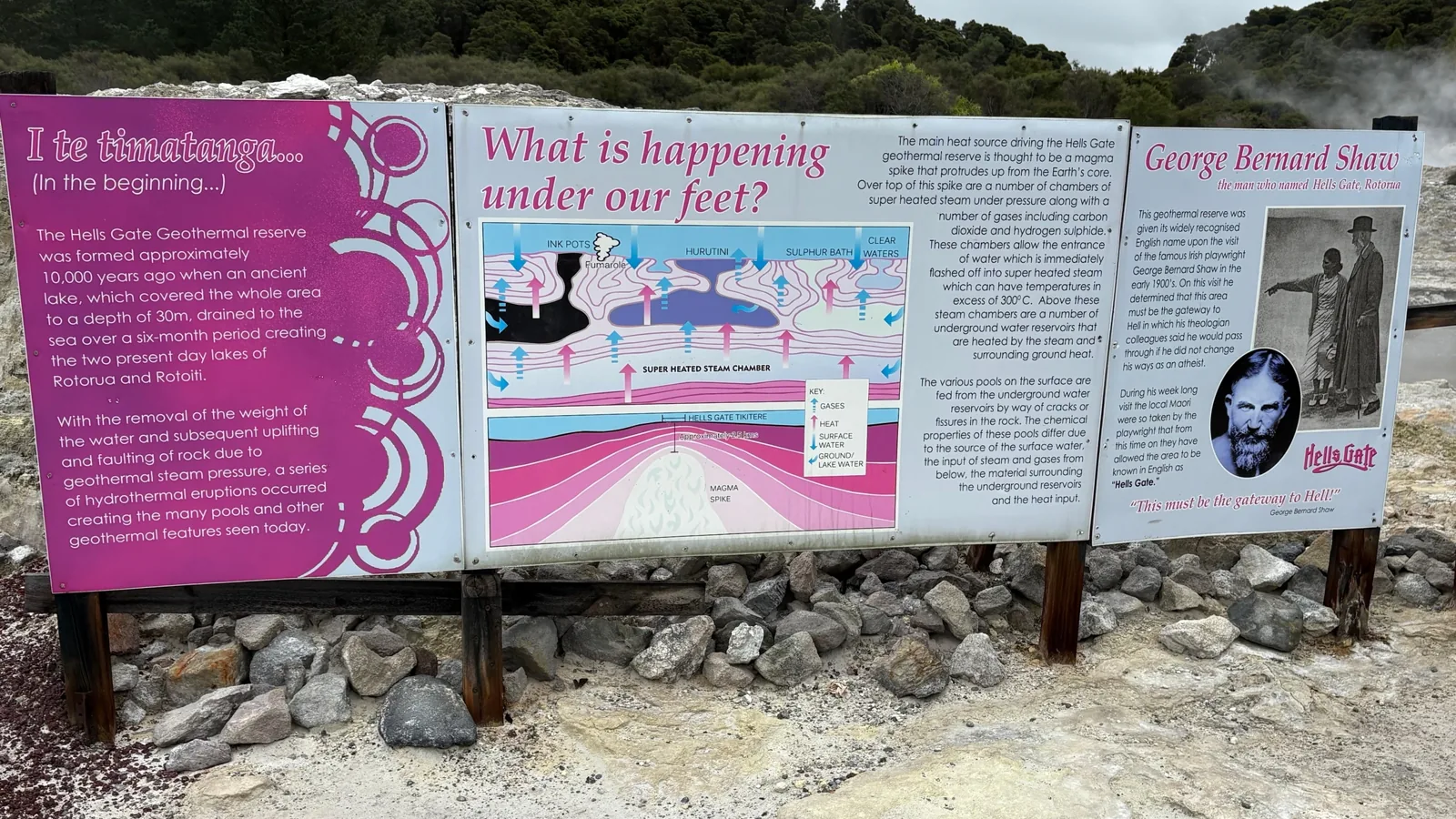
Seeing fumaroles, mineral terraces, colourful pools and bubbling mud up close is often a priority. The region has several geothermal areas: some stand out for their trails and scenery, while others combine volcanic activity with heritage and Māori culture.
You do not need to visit them all. After several visits, some formations may begin to feel repetitive, while the combined admission fees can rise quickly. Choose according to the experience you want: a short accessible walk, a longer route through a volcanic valley or a visit where cultural interpretation matters as much as the natural phenomenon.
There are also urban areas where you can sense the activity beneath the ground without paying admission. They offer a useful introduction, although they cannot match the scale or diversity of the geothermal parks.
Experience Māori culture with time and respect
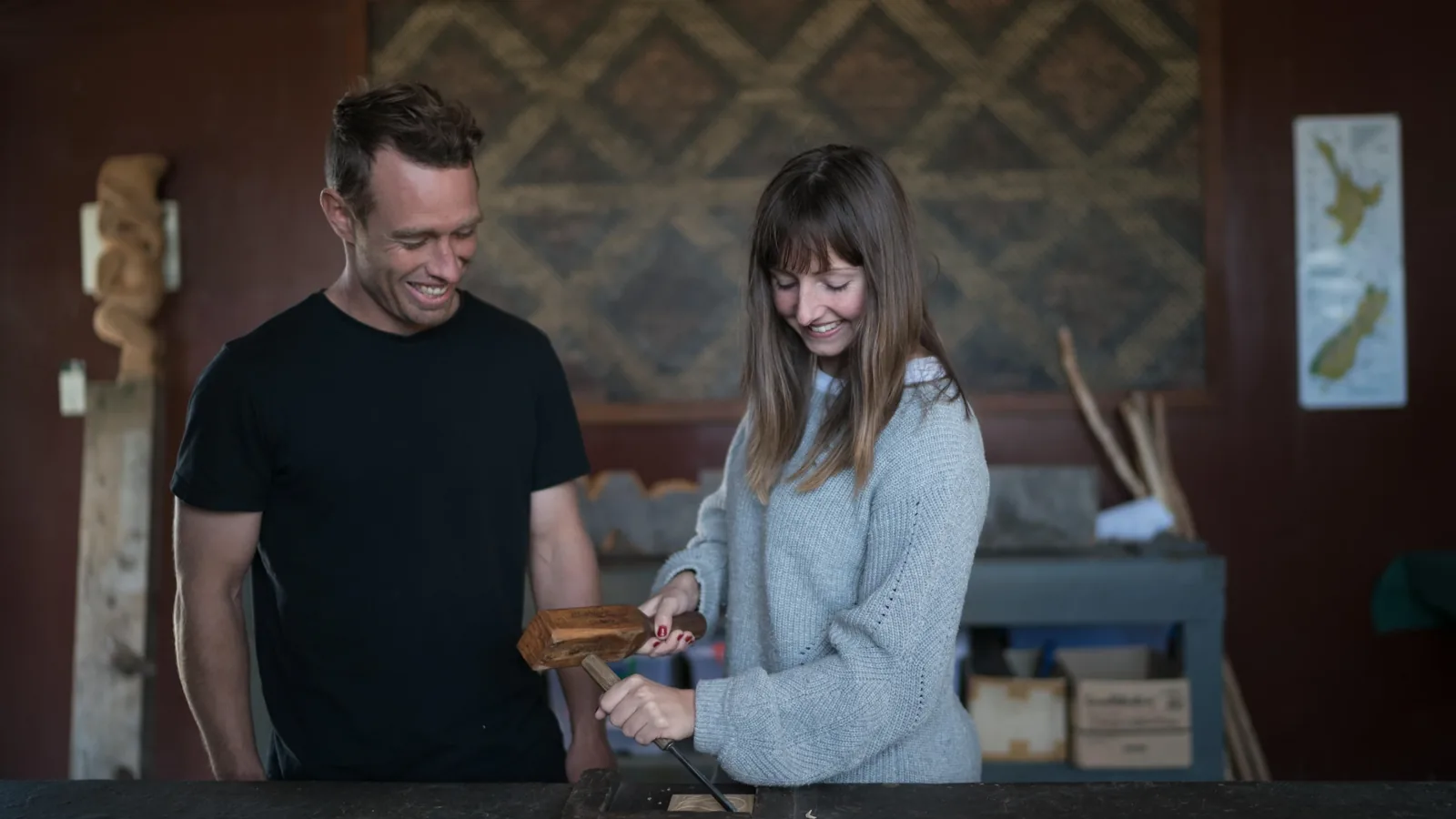
Rotorua is one of the most accessible places in New Zealand to learn about aspects of Māori culture, but not every experience offers the same depth. Some are designed as staged introductions; others provide a fuller understanding of local history, traditions, the relationship with the land and the continuity of present-day communities.
It is worth choosing an experience that explains as well as performs. A ceremonial welcome, performance or shared meal takes on a different meaning when its customs and context are understood. Māori culture is not decoration added to the landscape; it is part of Rotorua's contemporary identity.
Listen, follow your hosts' guidance and avoid taking photographs without permission. It is also unhelpful to expect absolute authenticity: communities live in the present and can combine tradition, education and tourism without being any less real.
Walk or cycle beneath the redwoods
Whakarewarewa Forest offers an almost immediate change of atmosphere. The tall, introduced redwoods create a solemn natural architecture, while other areas retain native species and denser vegetation. You can take a gentle walk, spend several hours on longer trails or explore part of the forest by mountain bike.
It is one of the best counterpoints to the geothermal landscape. Steam gives way to the smell of damp wood, the pace slows and the scenery encourages you to look upwards. Cycling trails cover different levels of difficulty, but you do not need to be sporty to enjoy the forest.
After rain, some sections may be slippery or muddy. Suitable footwear matters, and families should select a route according to their children's actual stamina rather than its apparent distance.
Leave room for the lakes
The Rotorua region is shaped as much by water as by the fire beneath the ground. Its lakes offer a chance to slow down with shoreline walks, viewpoints, picnics or water activities when conditions are suitable. Some feel more urban, while others provide a sense of seclusion that makes leaving the centre worthwhile.
Not every lake requires an organised excursion. A simple afternoon by the water may be more memorable than another paid activity, especially after an intense morning. Exploring several lakes also reveals how much the landscape can change within a few kilometres.
Before swimming or taking part in water activities, check local signs and current conditions. Water quality, wind and access can vary, so not every stretch of shoreline is necessarily suitable.
Combine adventure, wellness and water activities
Rotorua's active side includes mountain biking, forest adventures, water activities and other energetic experiences. They can suit groups, teenagers or travellers who like to keep moving, provided the physical demands are considered realistically.
At the other end of the spectrum are thermal pools and wellness treatments. They can be a pleasant way to finish the day, although the atmosphere varies between venues: some focus on tranquillity, while others are more family-oriented or social.
Avoid filling every day with adrenaline. Anyone sensitive to heat or mineral smells should choose carefully and always follow the venue's recommendations.
Adapt your plans when it rains
Rain does not necessarily spoil Rotorua. Steam can become more striking and the forest can gain depth, provided conditions remain safe for walking. A lightweight waterproof jacket is usually more useful than an umbrella on exposed trails.
If the weather worsens, consider cultural centres, interpretation spaces, covered thermal pools or indoor attractions. It is also a good opportunity to enjoy a leisurely meal and reorganise your itinerary.
Some activities depend on the weather, so check whether they are operating before travelling to them.
Balance the budget with free or low-cost activities
Rotorua can become expensive if you move from one park, show and organised activity to the next. Walks through urban geothermal areas, lakeside routes, picnics and several freely accessible forest trails can help balance the budget.
The best strategy is not to avoid every admission fee, but to pay for one or two experiences that provide genuine context and complement them with time outdoors. This gives a better sense of the city and avoids the feeling of working through a catalogue of attractions.
Explore Rotorua at your own pace
Families can combine a short geothermal experience with the forest, lakes and activities suited to different ages. Couples may prefer to alternate walks, thermal pools and a quiet evening. Solo travellers will find accessible trails and cultural experiences where it is easy to feel included, while locals can return to the forests and lakes as seasons and conditions change.
Rotorua does not ask you to do everything; it asks you to choose well. Its appeal emerges through its contrasts: the sulphurous smell beside clean forest air, unstable ground against calm water, and organised experiences alongside aimless walks. Taking time to absorb those shifts reveals a place more complex and human than a simple collection of geysers.