 Activity on TourBookGo
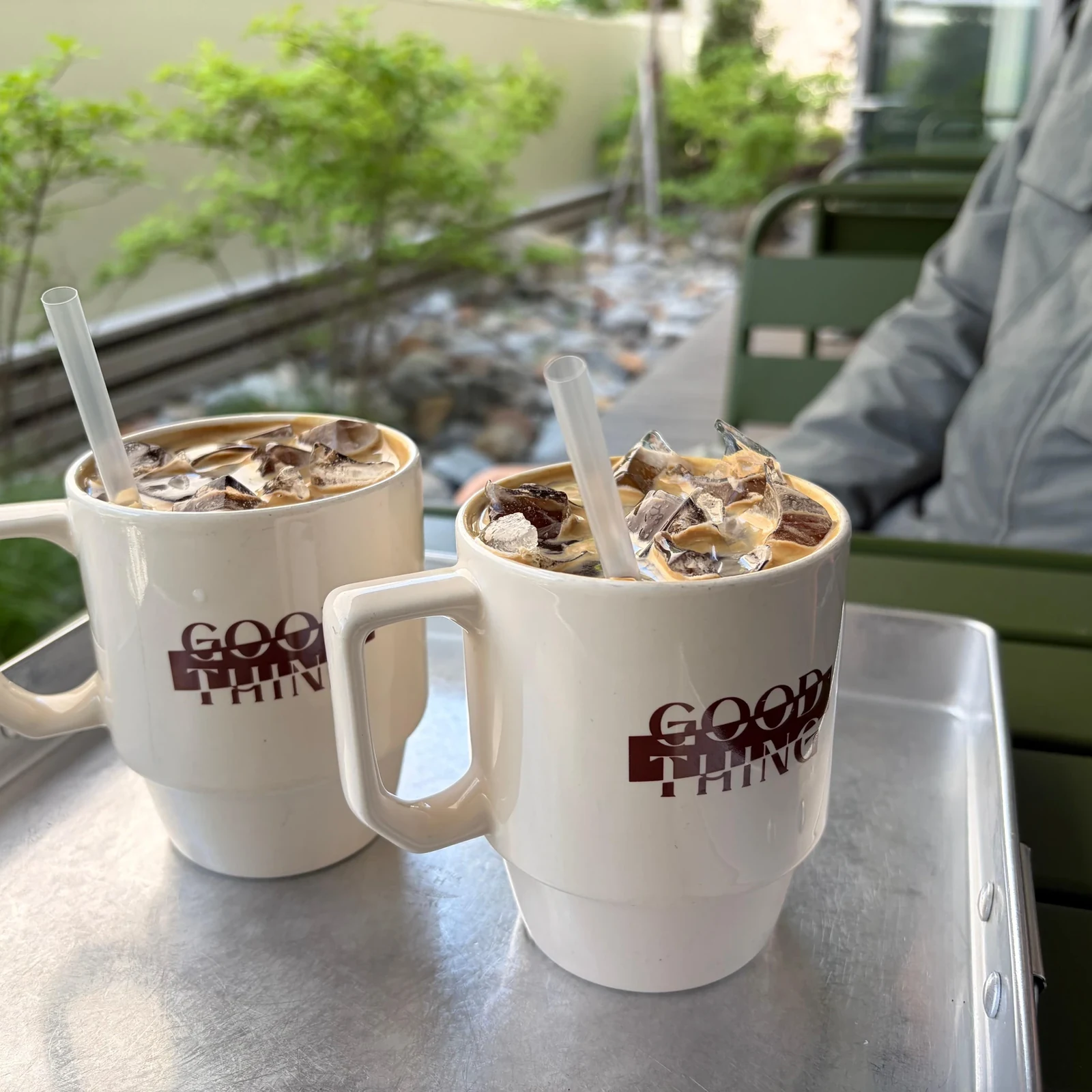
Coffee and philosophical conversation in Seoul with local insight
Book a coffee and philosophical conversation in Seoul with a local. Explore Korean life and culture in an intimate experience for up to two people.
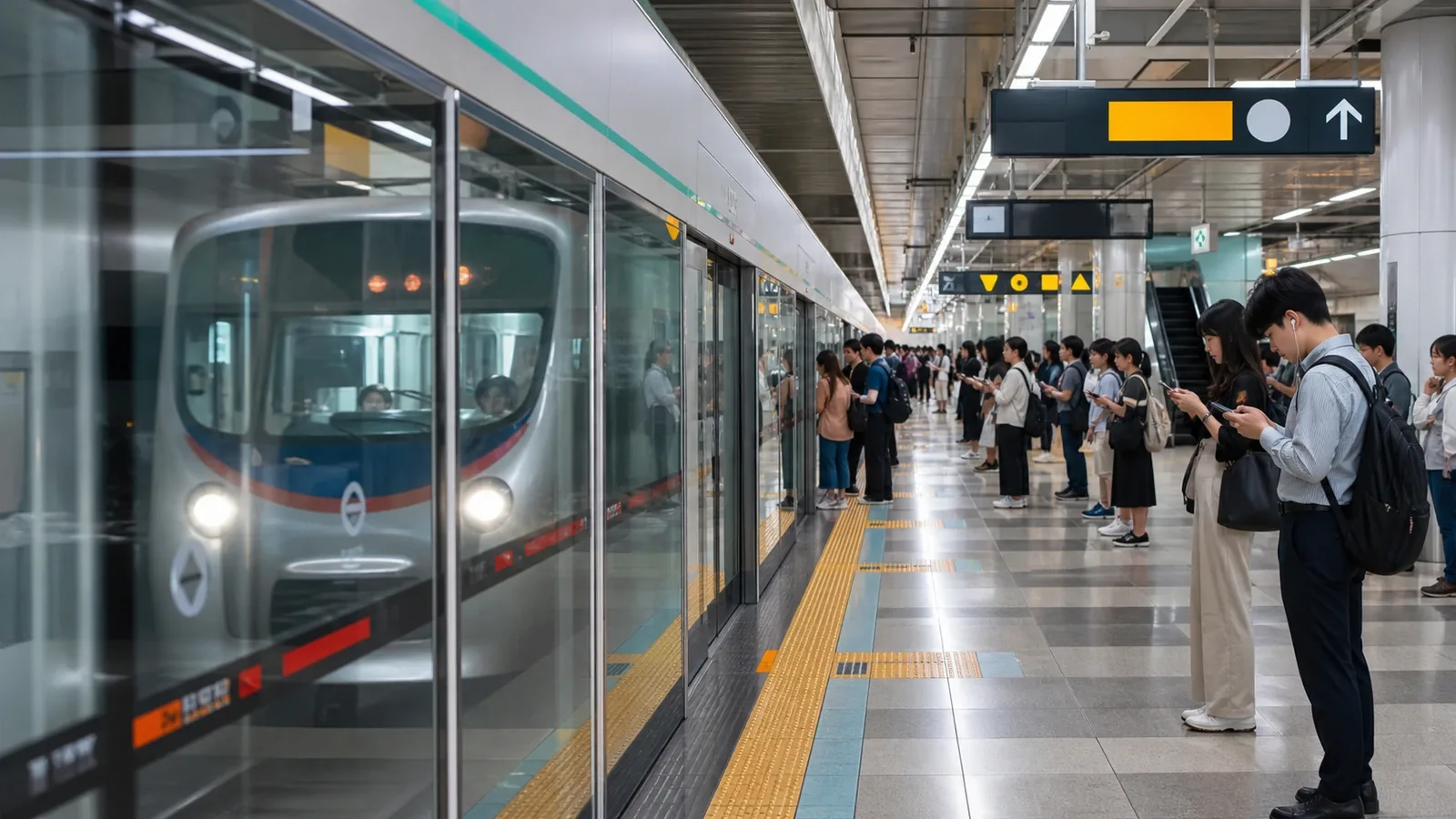
The Seoul subway is the most practical way to cross the city, while walking reveals the character of each neighborhood. Buses and taxis complete an efficient network when chosen for the right journey.
Getting around Seoul becomes much easier once you understand the scale of the city. On a map, the South Korean capital can look overwhelming: neighborhoods divided by the Han River, avenues stretching for miles, and a subway network reaching far beyond the center. In practice, one simple rule makes exploring straightforward: use the subway to cross the city and walk to discover each neighborhood. Renting a car rarely improves the experience. For most travelers, the most comfortable combination is the subway, short walks, the occasional bus, and a taxi when it offers genuine convenience at the end of the day.
Compare locations and options to find a base that suits your trip. Booking.com confirms current availability and pricing.
Find accommodation on BookingThe Seoul subway is fast, clean, safe, and intuitive enough even for travelers who cannot read Korean. Lines are identified by numbers and colors, and stations display information in both Korean and English. Service generally runs from early morning until around midnight, although the last train depends on the line, station, and direction of travel.
The current base fare for adults using a transportation card is 1,550 won. Single-use tickets cost slightly more, and fares increase on longer journeys. The system also offers transfer discounts between the subway and buses, provided that you tap your card when entering and exiting.
The main difficulty is not understanding the lines, but estimating the actual travel time. Some stations are enormous, and a transfer may involve long corridors, staircases, and several minutes of walking underground. Choosing the wrong exit can also leave you on the opposite side of a wide avenue that is difficult to cross.
Always check the exit number before leaving the station. In neighborhoods such as Hongdae, Gangnam, or Dongdaemun, two exits from the same station can be quite far apart.
Avoid commuting hours whenever possible. Trains can become extremely crowded, and traveling with luggage is uncomfortable. It is also wise not to schedule your final important journey too close to midnight: missing the last train means relying on a taxi or a night bus.
T-money is the most flexible option. It can be purchased and topped up at stations and numerous convenience stores, and it can be used on the subway, buses, and in many taxis. It also automatically applies the relevant transfer discounts when combining different forms of transportation.
It is usually the best choice for travelers who will make only a few journeys each day, plan to visit areas outside Seoul’s urban coverage zone, will continue traveling to other cities in South Korea, or prefer to pay only for the journeys they actually take.
The Climate Card provides unlimited travel within its coverage area for one, two, three, five, or seven days. Short-term passes currently cost between 5,000 and 20,000 won, excluding the price of the physical card. Since March 2026, they can be purchased and topped up using international payment cards at the new machines on Lines 1 through 8.
It can be worthwhile on busy sightseeing days involving several journeys, but it does not always save money. Its coverage should also be checked carefully: not all suburban lines or airport journeys are included under the same conditions.
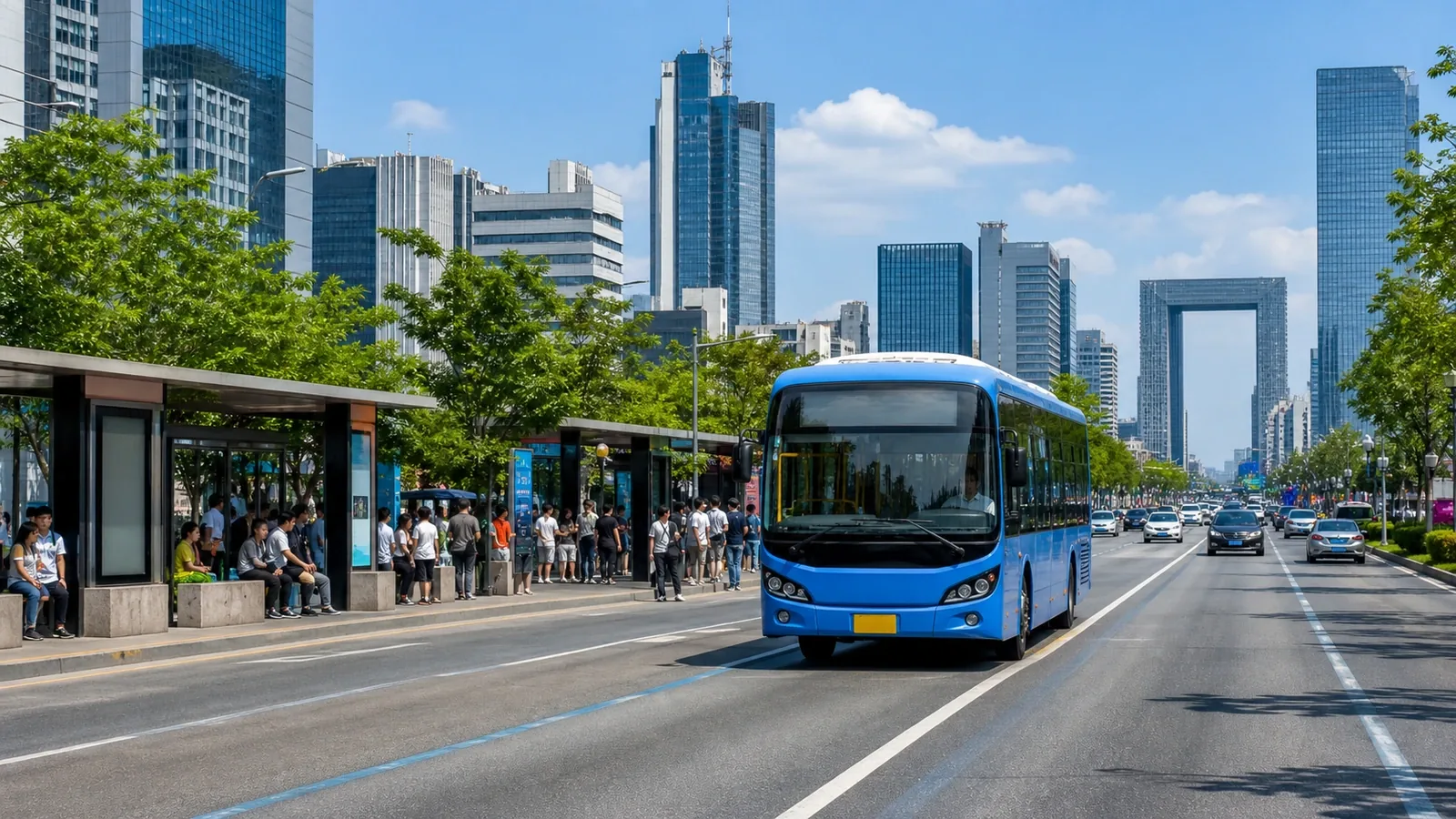
Buses reach areas where taking the subway would still require too much walking, and they allow you to see the city from street level: markets, bridges, hillside residential districts, and illuminated avenues that disappear from view when traveling underground.
Routes are identified by color. Blue buses travel along major urban corridors; green buses connect neighborhoods with subway stations; red buses link Seoul with surrounding municipalities; and there are also local and night services.
Their main drawback is that they require more attention. Some stops serve many different routes, traffic affects journey times, and information may be less obvious than on the subway. You need to tap your card when boarding and getting off, especially when transferring afterward.
Buses are particularly useful for reaching certain viewpoints, hillside neighborhoods, or places located between two subway stations. On a first visit, it is best to learn the subway system first and gradually incorporate buses into your plans.
Taxis should not be your main form of transportation, but they can rescue a rainy afternoon, a late-night return, or the end of a day when your legs have had enough.
They are especially worthwhile when traveling with several people, when carrying luggage, for short journeys with poor public transportation connections, when returning after the subway has closed, or when traveling with young children or people with reduced mobility.
Booking through an app reduces communication problems and keeps a record of the destination. Kakao Taxi is widely used locally, while services such as Uber Taxi may be more accessible for some visitors without a Korean phone number or bank card.
Save the destination’s name and address in Korean. If payment has already been made through the app, check that you are not charged a second time at the end of the journey.
Seoul is not a city that can be explored entirely on foot. The distances between neighborhoods are simply too great. However, each area is worth exploring on foot, because much of the city’s everyday life is hidden in alleyways, markets, and small slopes away from the main avenues.
These combinations work well: Gyeongbokgung, Bukchon, Samcheong-dong, and Insadong; Myeongdong, Cheonggyecheon Stream, and Euljiro; Hongdae, Yeonnam-dong, and Gyeongui Line Forest Park; Gangnam, Bongeunsa, and COEX; and Itaewon, Haebangchon, and the slopes near Namsan.
A common mistake is trying to combine too many neighborhoods in one day because they appear close together on the map. Crossing the Han River or changing subway lines several times takes longer than expected. It is better to dedicate each day to one particular area and make no more than one or two long journeys.
The terrain also matters. Bukchon, Namsan, Ihwa, Haebangchon, and many residential neighborhoods have steep slopes that can be demanding. Seoul is walkable in sections, but it is not always kind to tired knees, strollers, or travelers pulling suitcases.
Cycling works better as a recreational experience than as a primary means of transportation. The routes along the Han River offer space, open views, and a different perspective on the city. Riding along busy avenues or through hilly neighborhoods, however, requires more confidence.
For an occasional visitor, the most enjoyable option is usually to rent a bicycle for a few hours by the river rather than attempt to cross the entire capital on two wheels.
A car is unnecessary except in very specific circumstances.
Traffic can be heavy, parking makes sightseeing more complicated, and public transportation covers virtually every neighborhood of interest. A car may make sense for families with specific needs, travelers carrying bulky equipment, or those continuing on to poorly connected rural areas.
Even for many trips outside the capital, trains and buses are more convenient. Renting a vehicle solely to visit Seoul usually adds stress without providing any real freedom.
The AREX train connects the airport with the city. The express service runs nonstop to Seoul Station, while the all-stop train also serves Hongik University, Gongdeok, and other useful interchange points for the subway. The express journey takes approximately 43 to 51 minutes depending on the terminal, while the all-stop service takes around an hour to reach Seoul Station.
The airport limousine bus can be more convenient when it stops near your accommodation, especially if you have large suitcases. Travel time depends heavily on traffic. A taxi provides a direct transfer but costs considerably more and cannot avoid congestion.
For navigation, Naver Map and KakaoMap generally provide more accurate public transportation routes and walking directions in Korea than international alternatives. Naver Map also offers real-time subway information and features designed for international visitors.
Save your accommodation, major stations, and Korean-language addresses in advance. Having mobile data from the first day is not a luxury: it turns an enormous transportation network into a system that is fairly easy to understand.
In spring and autumn, walking between neighborhoods can become one of the best parts of the trip. In summer, humid heat and heavy rain make it advisable to reduce walking distances and rely more on the subway. In winter, the cold and the wind near the river can make even modest distances uncomfortable.
The same route may feel effortless in October and exhausting in August. Planning a trip to Seoul without considering the weather often results in overly ambitious days.
For most travelers, the formula works like this: take the AREX train or a bus from the airport, use a T-money card or Climate Card during your stay, take the subway between neighborhoods, walk within each area, and use taxis only when they provide genuine convenience.
Getting around Seoul is not difficult, but it does require accepting the city’s scale. Travelers who try to treat it like a compact city will end up spending too many hours in transit. Those who organize their visits by neighborhood will discover something different: an enormous capital that, when explored piece by piece, feels surprisingly accessible.
Discover selected experiences in Seoul to complete this guide with Korean culture, food, palaces, neighbourhoods and well-organised day trips.
Activity on TourBookGoBook a coffee and philosophical conversation in Seoul with a local. Explore Korean life and culture in an intimate experience for up to two people.
 Activity on TourBookGo
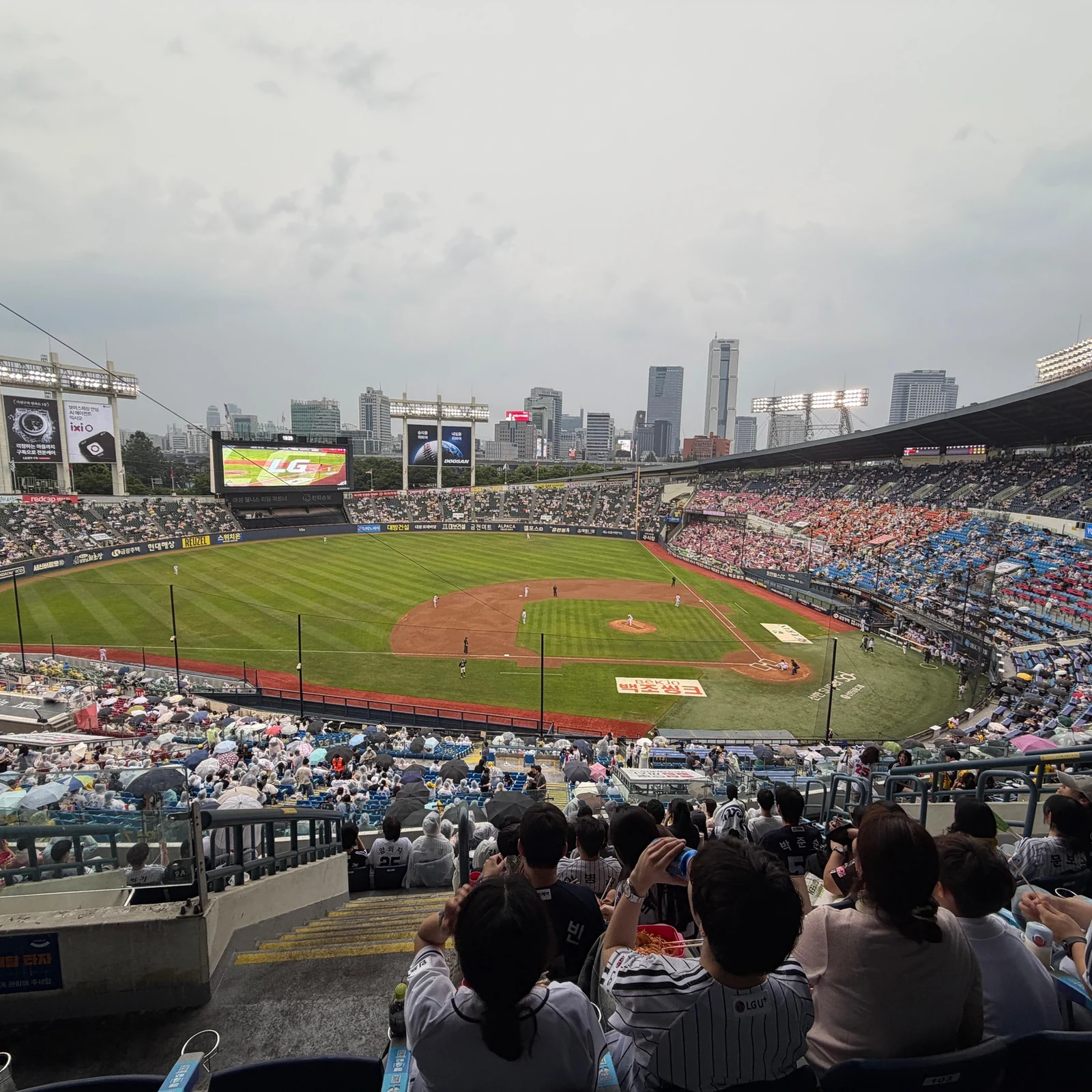
Book a Jamsil baseball game with dinner, one drink, organised admission, and English-speaking assistance for a lively night out in Seoul.
 Activity on TourBookGo
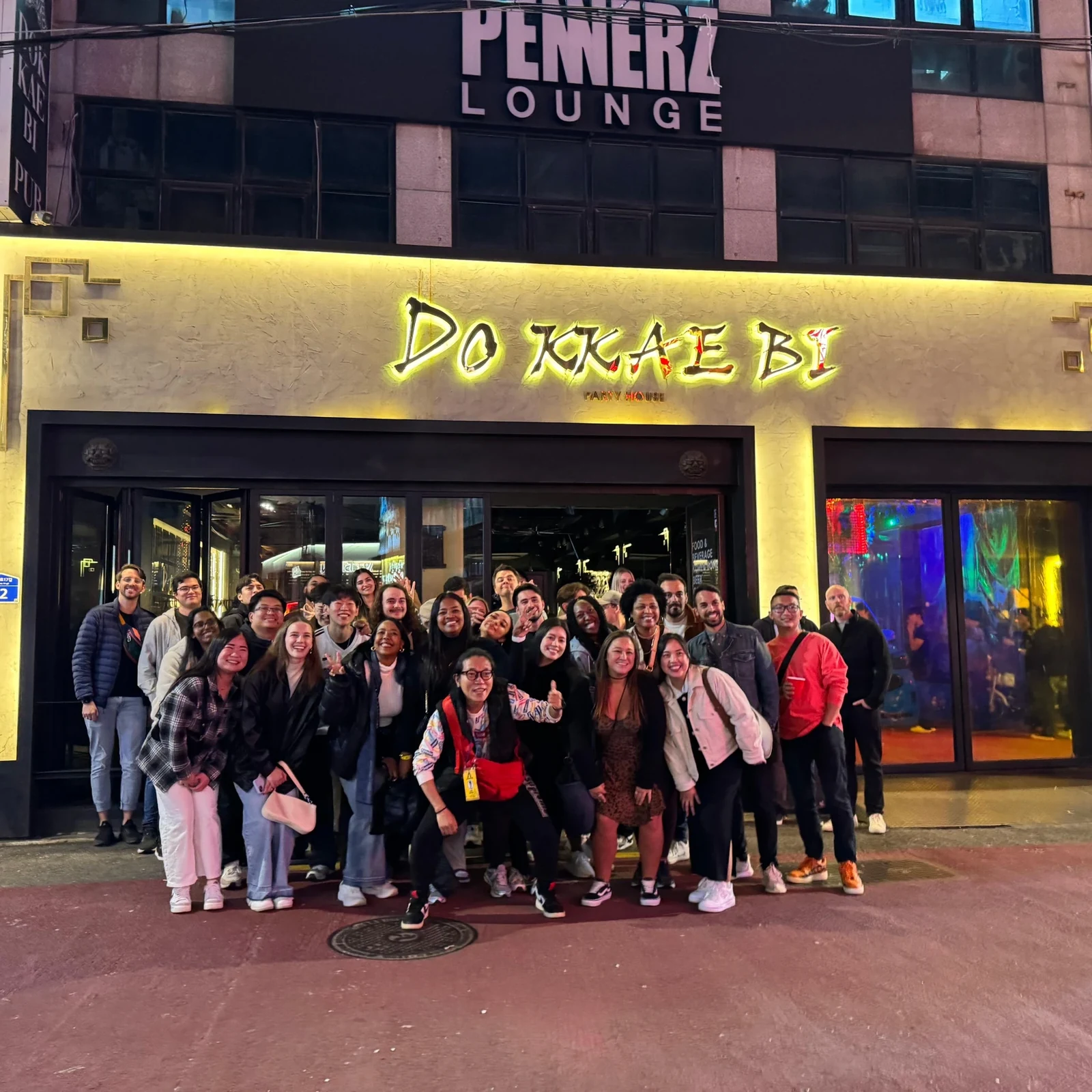
Join a Seoul pub crawl in Hongdae or Itaewon with entry to four venues, at least four welcome shots, party hosts and an easy way to meet people.