 Activity on TourBookGo
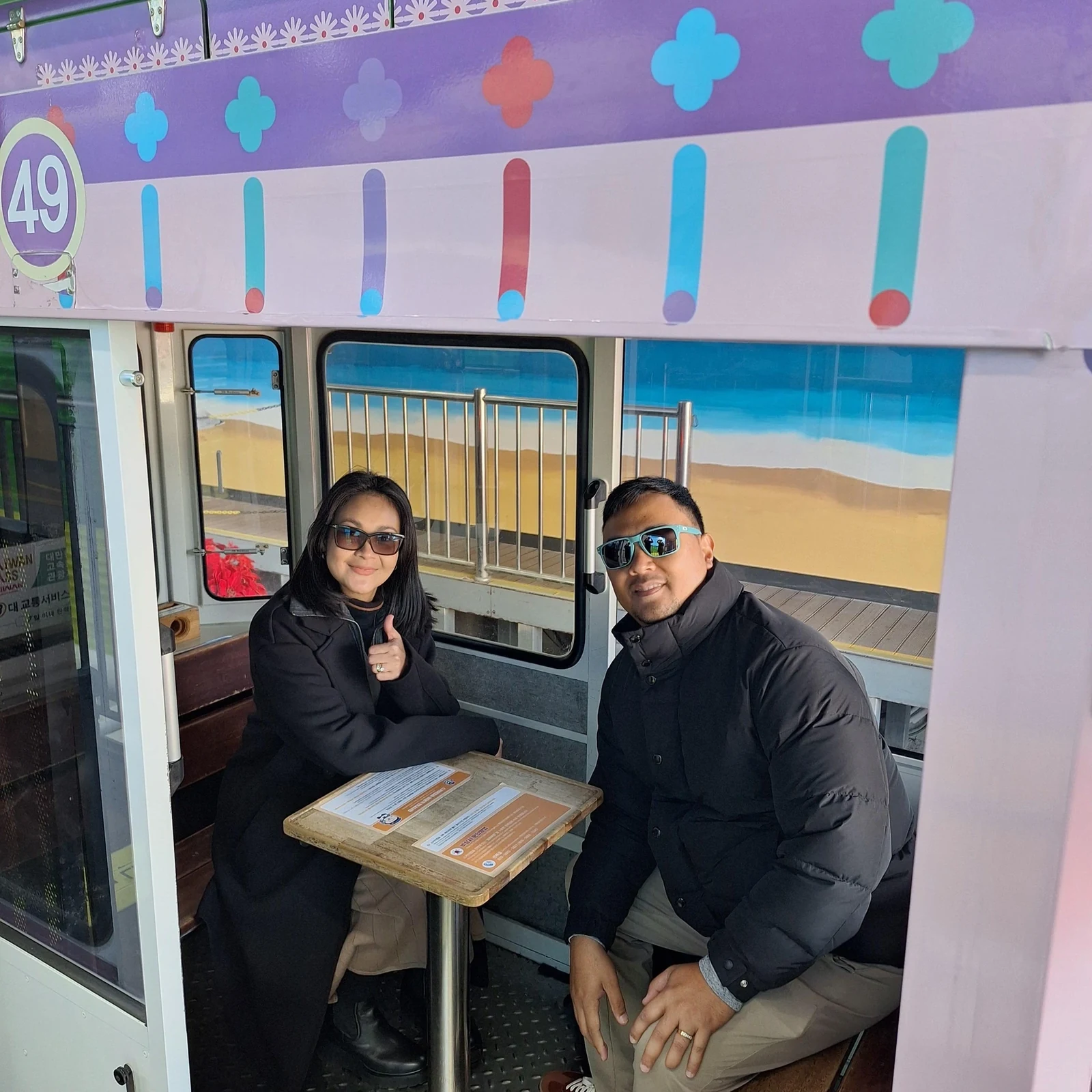
Busan Day Trip from Seoul by KTX: Coast and Sky Capsule
Book a Busan day trip from Seoul by KTX with an English-speaking guide, local transfers, a small group and a scenic Sky Capsule ride.
Knowing the main mistakes to avoid in Seoul will help you enjoy this vast, fast-moving city without wasting time on long journeys or overlooking important cultural customs.
Many of the mistakes to avoid in Seoul begin with trying to fit too much into each day. The subway is efficient, the streets stay brightly lit late into the night, and every neighborhood offers something different: palaces framed by mountains, minimalist cafés, steaming markets, and avenues where giant screens turn night into day. Yet the city’s size, pace, and cultural codes can make a poorly planned trip exhausting. These Seoul travel tips will help you move around confidently and enjoy each neighborhood at a more rewarding pace.
Compare locations and options to find a base that suits your trip. Booking.com confirms current availability and pricing.
Find accommodation on BookingThe map can be misleading. Two neighborhoods that appear close together may require several transfers, long walks through underground passageways, and a considerable amount of time on foot.
Plan each day by area. Gyeongbokgung, Bukchon, and Insadong work well together, as do Hongdae and Yeonnam-dong. Gangnam, Jamsil, and Seongsu deserve separate blocks of time. Constantly crossing from one side of the river to the other turns your trip into an endless sequence of subway cars and escalators.
Seoul is better understood layer by layer than through a frantic race from one landmark to the next.
Arriving without local tools is an unnecessary way to make things more difficult. The city’s official tourism guide recommends Naver Map for finding your way around, locating businesses, and checking routes. It also suggests Papago for translation support. Searches in other languages can still be unreliable, however, so it is worth saving names and addresses in Korean.
Take screenshots of your accommodation details and other important places. In an Ikseon-dong alleyway or at a subway station with ten different exits, an address written in Hangul may be far more useful than a lengthy explanation in English.
A transport card such as T-money makes it easier to use the subway and buses and gives you access to the integrated transfer system. On the subway, simply tap it against the reader when entering and leaving. Single-use tickets are generally less convenient for anyone making several journeys.
Remember to tap your card when getting off the bus as well. You should also check the time of the last service before extending your evening: Seoul may stay awake, but not all of its transport lines do.
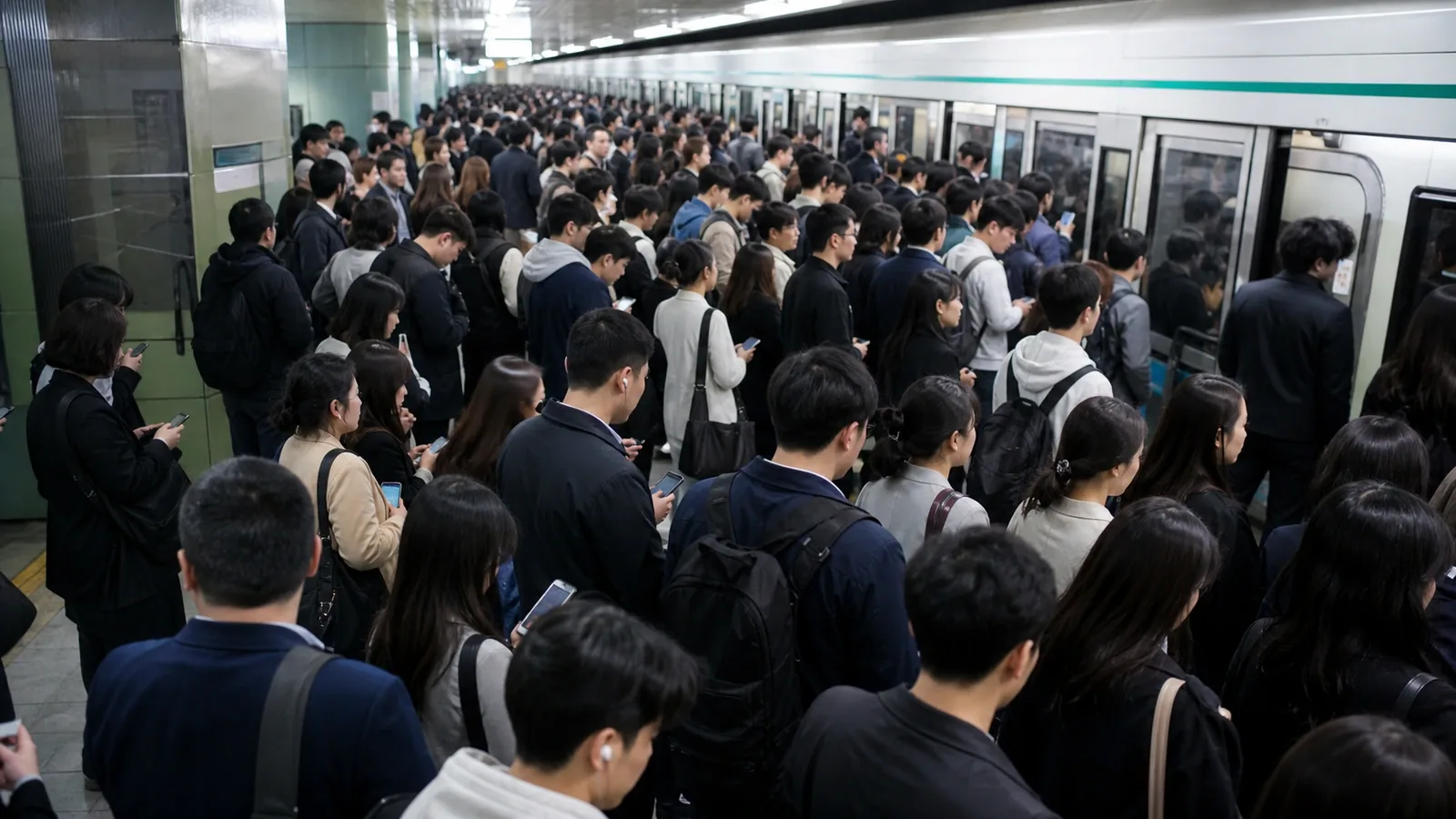
The subway can go from orderly to extremely crowded. Traveling with a large suitcase while the city is commuting to or from work is uncomfortable both for you and for everyone around you.
Do not block the doors, keep to one side on stairways, and let passengers get off before you board. Speak quietly inside the train and do not use priority seats, even when they are empty. Public transportation is not unfriendly, but it operates according to a clearly visible sense of collective discipline.
Do not plan an entire day around a landmark without checking its official schedule. Seoul’s historic sites do not necessarily close on the same day of the week. Gyeongbokgung, for example, is currently listed as closed on Tuesdays.
Rushing through the palaces is another mistake. Without some background knowledge, the courtyards may begin to look repetitive. A guided tour or a little reading beforehand can help you understand the hierarchy of the spaces, the orientation of the buildings, and the relationship between architecture and power.
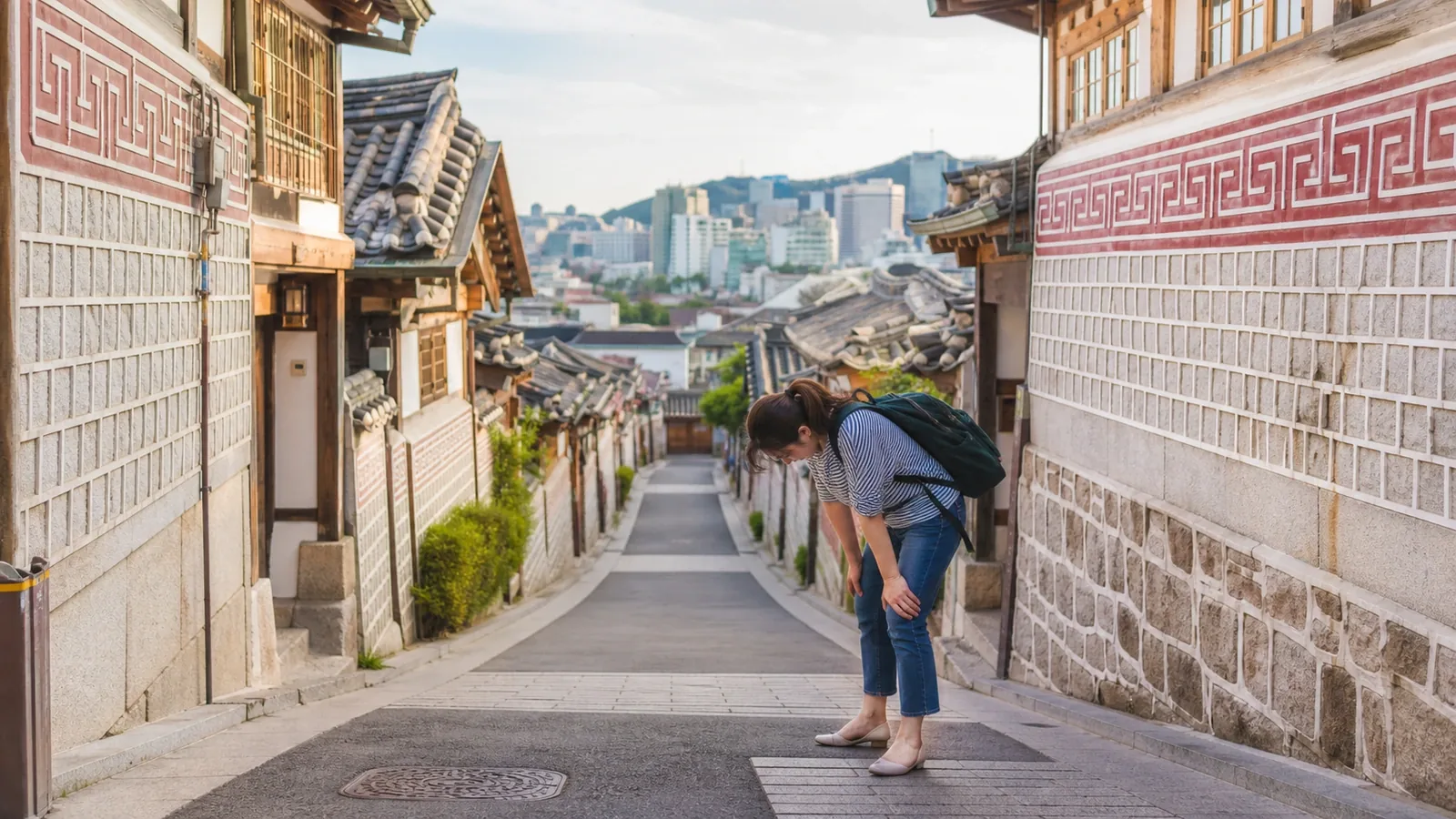
Bukchon appears in thousands of photographs, but it is still a residential neighborhood. Visitor access is restricted on certain streets between 5:00 p.m. and 10:00 a.m. Visitors are asked to stay in small groups, speak quietly, avoid looking inside homes, and refrain from intrusive filming.
No beautiful photograph justifies disturbing someone as they enter their home. Walk slowly, lower your voice, and remember that a wooden door does not become part of a museum simply because it looks old.
Seoul’s four seasons are very real, not a decorative detail. Summers are hot and humid and coincide with the rainy season. Winters can be harsh, with strong winds and very low temperatures. Spring may bring periods of heavy dust, while autumn, although pleasant, attracts more visitors to the palaces and mountains.
In summer, you will need lightweight clothing, rain protection, and breaks indoors. In winter, a stylish but poorly insulated coat will not be much help when the wind sweeps through the city’s broad avenues.
Tourist areas are convenient, but they do not always reflect the city’s everyday food culture. It is worth exploring markets, side streets, and small neighborhood restaurants, even when the menu offers few translations.
Some dishes are designed to be shared, and certain restaurants specialize in a single recipe. Watching what nearby tables are eating and pointing to a photograph often works better than searching for a restaurant that serves everything.
You should not mistake a queue for a guarantee of quality either. In Seoul, a line may be caused just as easily by a social-media trend as by exceptional cooking.
Communication is usually possible in hotels, museums, and tourist areas, but English may be limited in family-run businesses and neighborhoods farther from the city center.
Learning a few words can completely change the tone of an interaction: annyeonghaseyo for hello and gamsahamnida for thank you. You do not need perfect pronunciation; the effort often matters more than accuracy.
Keep details of any allergies and dietary restrictions, as well as the address of your accommodation, written in Korean.
Korean courtesy is often expressed through small gestures. It is common to give and receive objects with both hands, remove your shoes before entering homes and certain accommodations, and accompany a greeting with a slight bow. At the table, chopsticks should never be left standing vertically in a bowl of rice. Tipping is not generally customary either.
You do not need to behave as though every conversation were a formal ceremony. Most people understand that visitors may make mistakes. The key is to observe, avoid imposing your own habits, and begin with a respectful manner.
Avoid touching strangers to get their attention, speaking too loudly, or photographing people at close range without permission. When paying, receiving a card, or accepting a gift, using both hands conveys consideration.
An initially reserved manner should not automatically be interpreted as coldness. Seoul is a fast-moving city: many interactions are brief because people are in a hurry, not because they are rejecting visitors.
International cards are accepted in many hotels, department stores, and shops, but that does not mean every card will always work or that every small business relies on card payments. It is wise to carry a moderate amount of Korean won for markets, transport top-ups, and unexpected situations.
Notify your bank before traveling and keep a second payment method stored separately. Seoul’s technology is impressive until the moment a foreign transaction is declined.
Popular culture is part of the city, but reducing Seoul to themed stores, cosmetics, and viral cafés means missing its most interesting dimension.
Make time for an early-morning market, a walk along the city wall, a temple surrounded by modern buildings, or dinner in a neighborhood without Instagram-ready sets. The most memorable version of the city often appears when your itinerary stops chasing famous places and begins observing how people actually live.
Seoul stimulates the senses without pause. There is music in the shops, moving advertisements, enormous stations, hills, stairways, and nights that tempt you to keep going.
A free afternoon is not wasted time. Sitting beside the Han River, stepping into a traditional teahouse, or wandering aimlessly through Seochon may reveal more than another attraction forced into an already crowded schedule. The trip becomes better when you accept that all of Seoul cannot fit into a single week—and that it does not need to.
Discover selected experiences in Seoul to complete this guide with Korean culture, food, palaces, neighbourhoods and well-organised day trips.
Activity on TourBookGoBook a Busan day trip from Seoul by KTX with an English-speaking guide, local transfers, a small group and a scenic Sky Capsule ride.
 Activity on TourBookGo
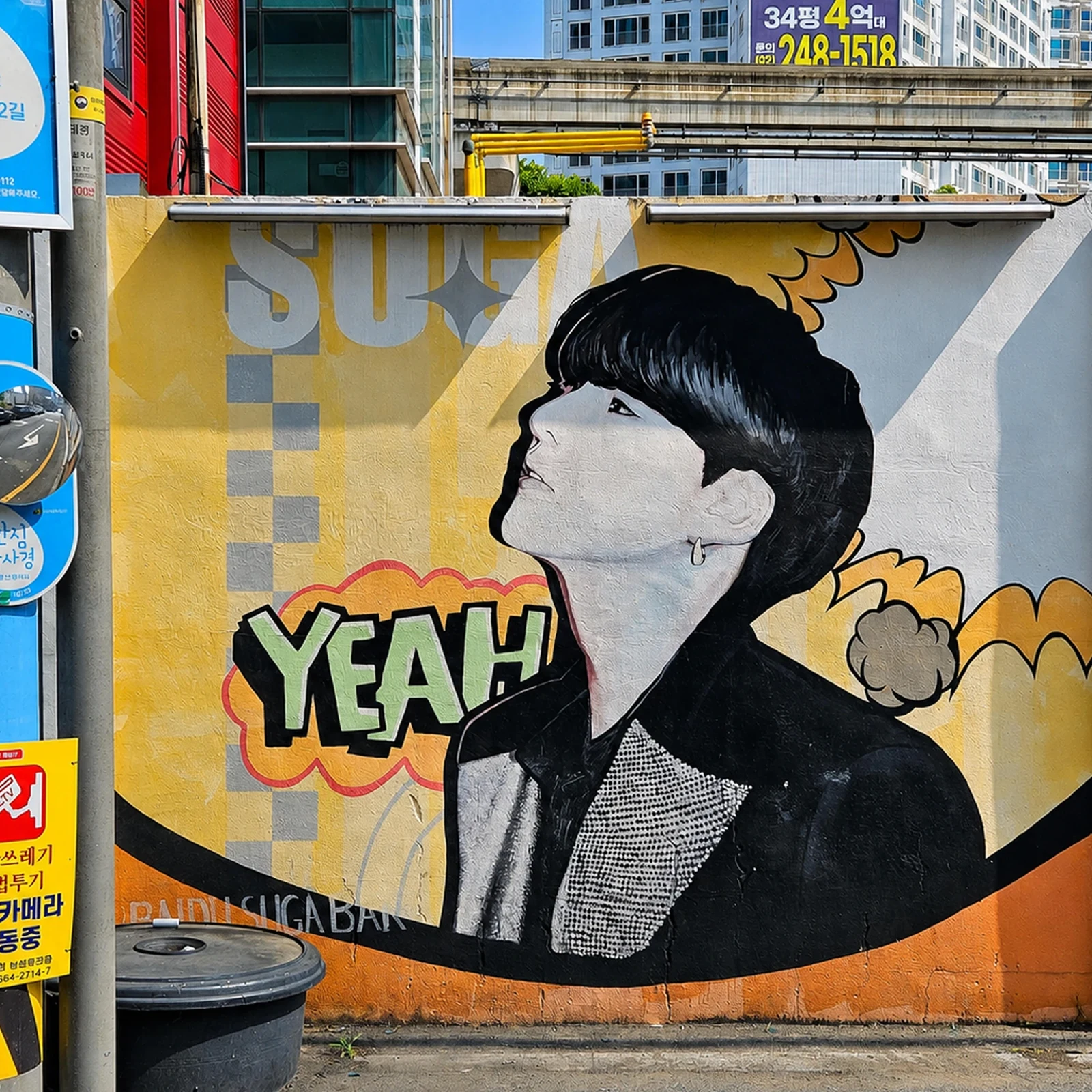
Book a BTS Daegu day trip from Seoul or Busan with fan-made murals, ARMY missions, BTS-related locations, Seomun Market and optional KTX tickets.
 Activity on TourBookGo
Book a private 5-day South Korea tour covering Seoul, Nami, Gyeongju and Busan, with hotel pickup, private transport and a customizable itinerary.