 Activity on TourBookGo
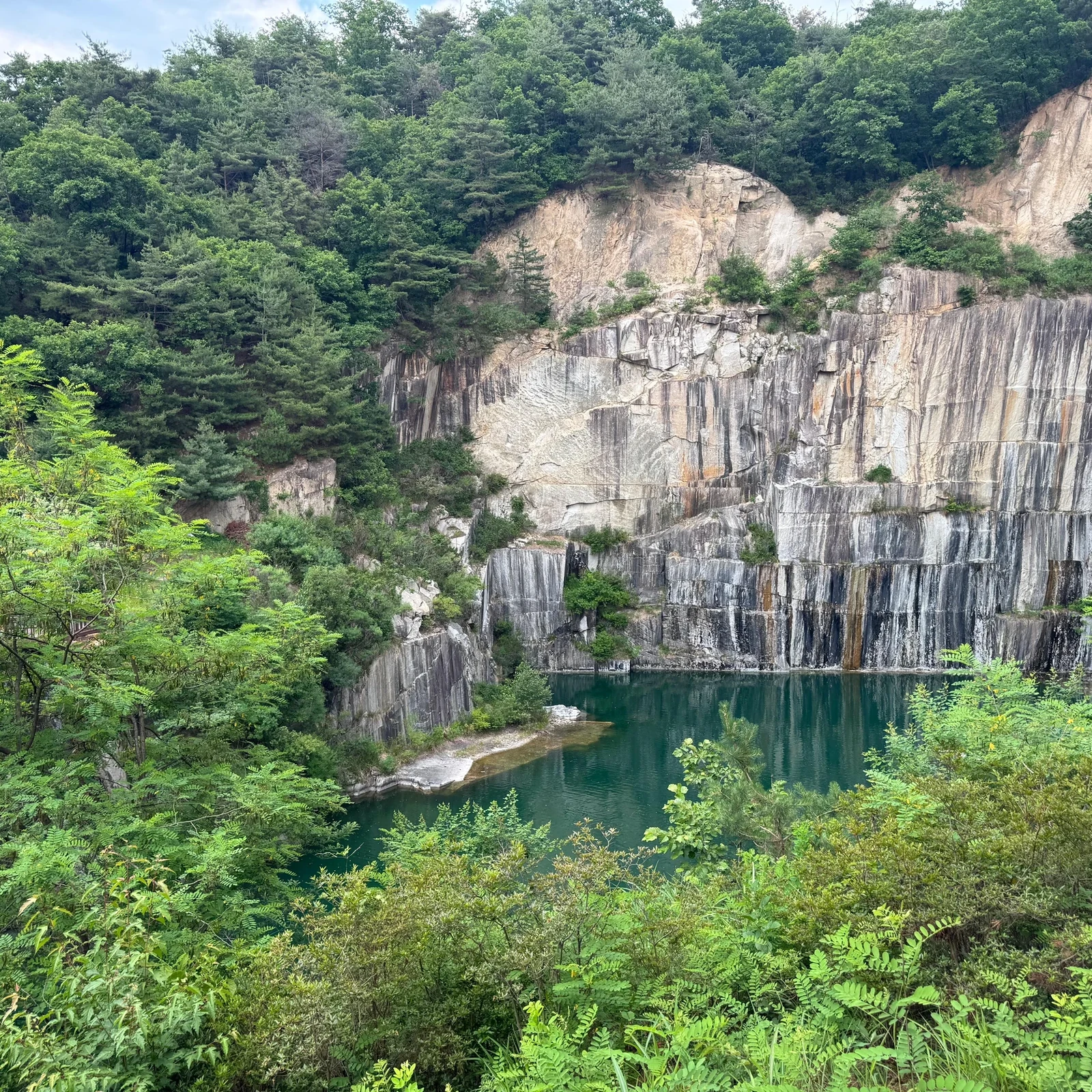
Pocheon day trip from Seoul to three scenic highlights
Book a Pocheon day trip from Seoul and visit Art Valley, Jaein Falls and Sanjeong Lake on a 10-hour tour with transport, an English-speaking guide and admission.
This Seoul travel budget helps you estimate daily and total costs for different travel styles. Your final spending will depend mainly on accommodation, shopping, and how often you visit cafés, fashionable restaurants, and paid attractions.
A Seoul travel budget can look intimidating when you picture glass-fronted hotels, designer cafés, and the lights of Gangnam. Yet beneath that polished surface lies another capital: one of markets, small family-run restaurants, walks along the Han River, and a public transport network that lets you cover enormous distances without putting too much strain on your wallet. The true cost of the trip depends less on tourist admission fees than on accommodation, shopping, and how easily you are tempted by cafés, cosmetics, fashion, and Korean barbecue nights. The figures below are estimates per person and do not include international flights or major purchases. For conversion into euros, the reference exchange rate used is €1 = ₩1,657.99, as published by the European Central Bank on July 31, 2026.
Compare locations and options to find a base that suits your trip. Booking.com confirms current availability and pricing.
Find accommodation on BookingFor budget travel, allow ₩80,000–₩120,000 per day, approximately €48–€72. For a mid-range trip, the Seoul daily budget is ₩180,000–₩300,000, approximately €109–€181. For high comfort, spending starts at ₩400,000 per day, approximately €241.
The budget level assumes staying in a shared dormitory or simple accommodation, eating mainly at local establishments, using public transport only, and combining neighborhoods, parks, and free museums with a few paid attractions.
A mid-range budget allows for a comfortable room—usually shared by two people—varied restaurants, cafés, the occasional special activity, and occasional taxi rides.
Current estimates place the average spending of a mid-range traveler at around ₩180,000 per day, although differences between seasons and accommodation styles are considerable.
Accommodation is the expense most likely to distort your budget. A simple meal may still be reasonably priced, but a room booked at short notice during a busy weekend can cost twice as much as it would have a few weeks earlier.
Budget travel: a bed in a shared dormitory usually costs around ₩25,000–₩55,000 per night. The most modest private rooms, with shared bathrooms or limited amenities, can be found from approximately ₩55,000–₩100,000, although not always in the most sought-after areas.
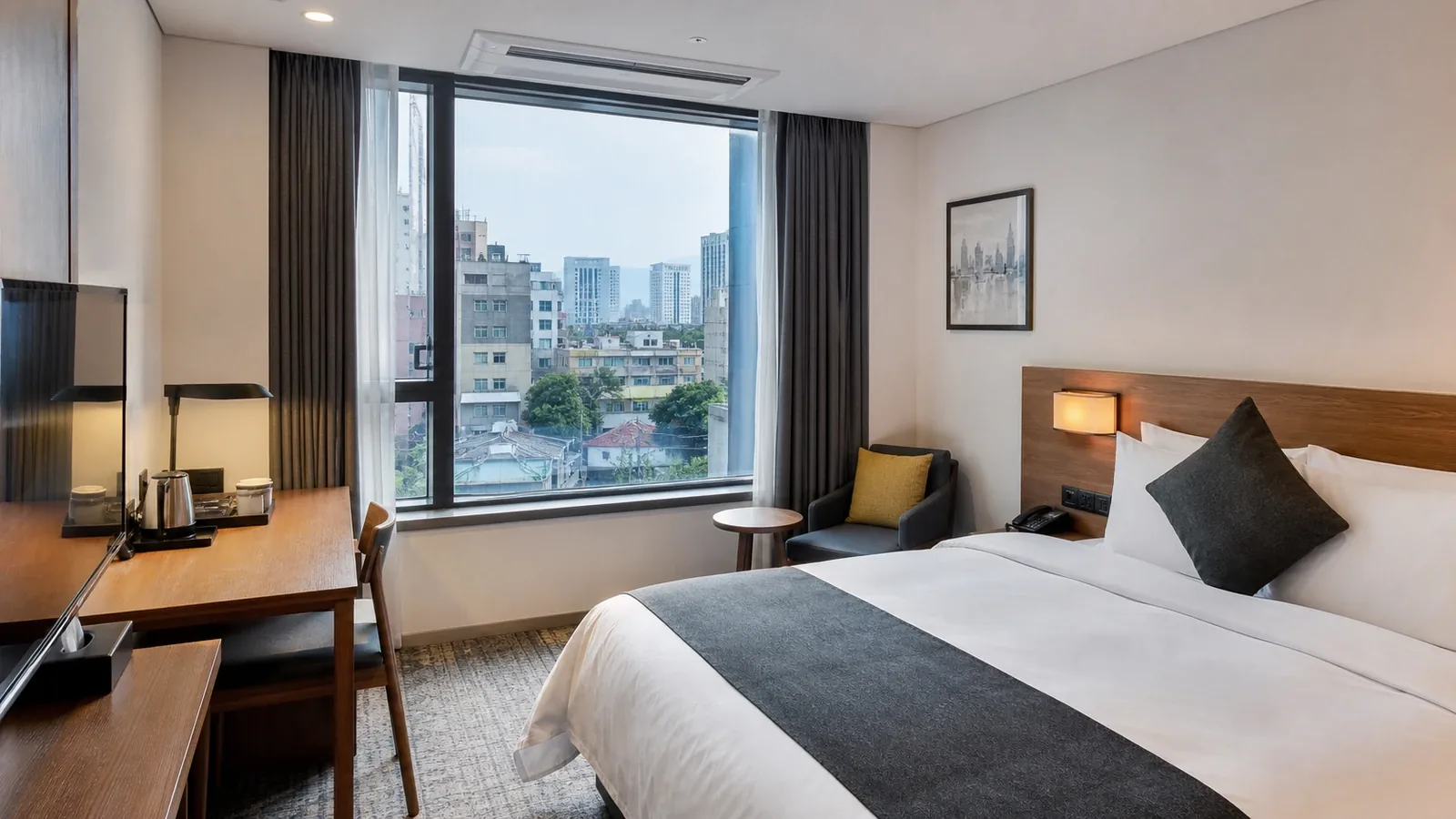
Mid-range travel: a double room in a decent hotel generally costs around ₩110,000–₩220,000 per night. When shared by two people, the individual cost becomes much more reasonable.
Comfortable or luxury travel: higher-end hotels often start at over ₩300,000 per room, and from there the upper limit depends on the location, views, and brand.
Myeongdong, Hongdae, and Gangnam are convenient, but that convenience usually comes at a price. To save money without feeling isolated, it is generally wiser to look for accommodation near a less central metro station than to choose the most centrally located hotel possible.
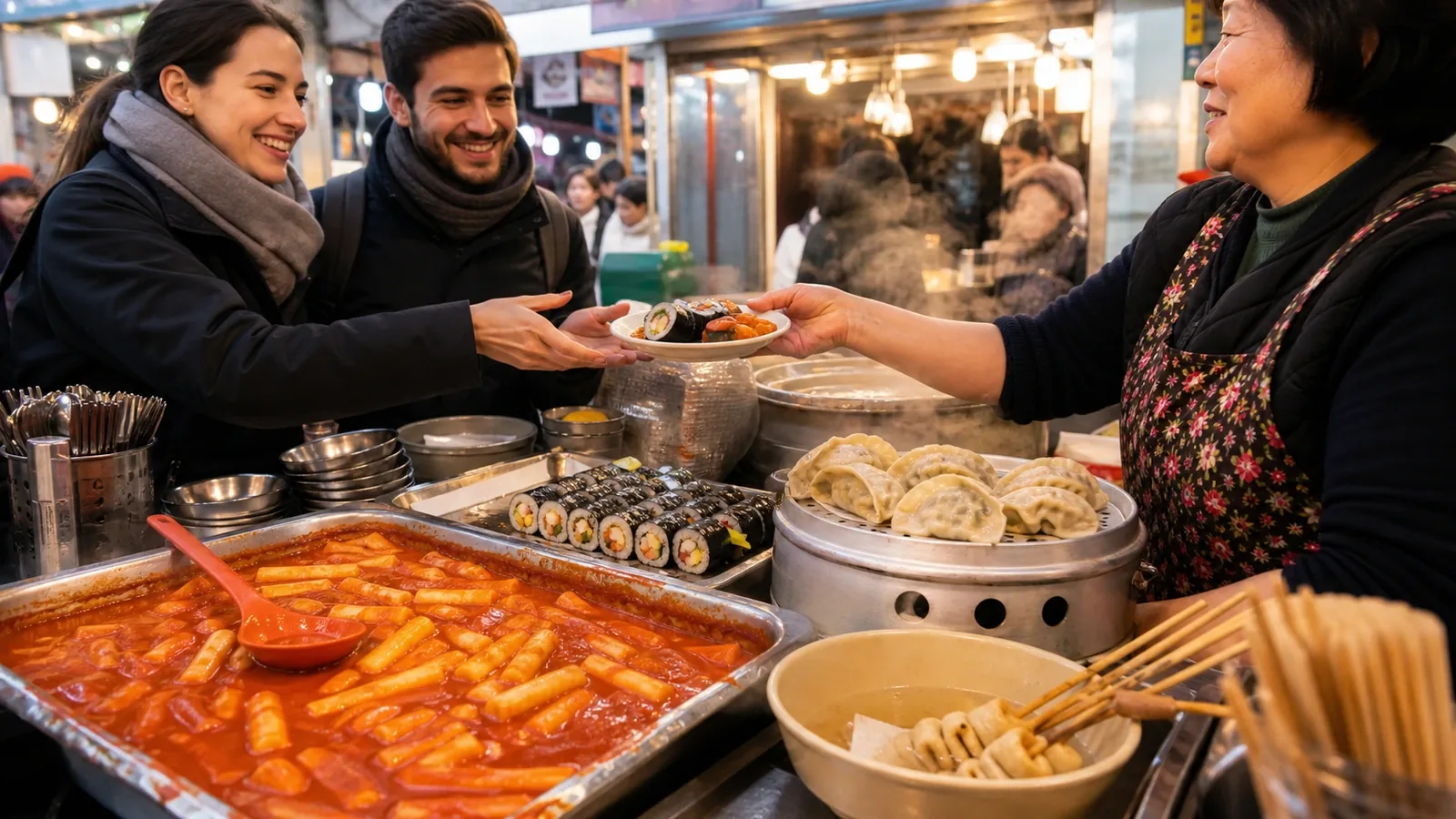
Korean food makes it relatively easy to keep spending under control, provided the trip does not turn into an endless succession of viral cafés and fashionable restaurants.
Official consumer price data for Seoul puts a roll of gimbap at around ₩3,800, a plate of jajangmyeon at approximately ₩7,700, a serving of kimchi jjigae at around ₩8,650, bibimbap at roughly ₩11,700, and a standard portion of samgyeopsal at close to ₩21,300. These are averages, not universal prices: in tourist areas or well-known establishments, the bill may be considerably higher.
A sensible daily estimate would be ₩20,000–₩35,000 for very economical eating, ₩40,000–₩70,000 for comfortable and varied meals, and ₩80,000 or more when restaurants, cafés, and alcohol are included.
On a limited budget, you can have breakfast at a convenience store, eat gimbap, soup, or noodles for lunch, and dine at a small neighborhood restaurant. However, this routine leaves little room for desserts, specialty coffees, alcohol, or frequent barbecue meals.
Korean barbecue can also be misleading: the menu price often refers to a single portion, and some establishments expect each diner to order a minimum amount. Traveling alone is not always cheaper when it comes to food.
Seoul’s metro system is extensive, clean, and relatively affordable. The base adult fare with a transport card is currently ₩1,550, while a single-use ticket costs ₩1,650; longer journeys incur additional distance-based charges.
For travelers planning to use the metro and buses many times a day, the Climate Card offers short-term unlimited passes. Tourist options cost approximately ₩5,000 for one day, ₩8,000 for two days, ₩10,000 for three days, ₩15,000 for five days, and ₩20,000 for seven days.
The physical card has an additional initial cost, and its coverage does not include all regional lines, the GTX, or certain airport services. It is worth checking that your planned journeys fall within the covered area before buying it.
Taxis are not necessarily prohibitively expensive, but they stop feeling cheap when used every night, for long journeys, or during heavy traffic. Seoul is enormous: a distance that looks short on a map may take a considerable amount of time.
Seoul does not force you to spend heavily to experience the city. Walking along the Cheonggyecheon, exploring Ikseon-dong, climbing some of the city’s hiking trails, visiting markets, or watching life along the Han River can cost little or nothing.
Admission to the palaces is modest. Gyeongbokgung, for example, charges ₩3,000 per adult, with certain exemptions and free-admission days. It also offers guided tours in several languages, including Spanish on selected days.
Your budget rises with observation decks, theme parks, hanbok photo sessions, performances, cooking classes, and excursions outside the city. Booking one major activity every day can easily double your entertainment spending.
These estimates assume one night of accommodation for each day listed. For a three-day, two-night trip, subtract the cost of one night.
Three days: the budget range is ₩240,000–₩360,000, approximately €145–€217. The mid-range estimate is ₩540,000–₩900,000, approximately €326–€543. High comfort starts at ₩1,200,000, approximately €724.
Five days: the budget range is ₩400,000–₩600,000, approximately €241–€362. The mid-range estimate is ₩900,000–₩1,500,000, approximately €543–€905. High comfort starts at ₩2,000,000, approximately €1,206.
Seven days: the budget range is ₩560,000–₩840,000, approximately €338–€507. The mid-range estimate is ₩1,260,000–₩2,100,000, approximately €760–€1,267. High comfort starts at ₩2,800,000, approximately €1,689.
The smartest way to save is to book accommodation early, stay near the metro, and alternate simple meals with one or two special dinners. There is no need to pay for every viewpoint: the mountains and urban parks offer less polished perspectives, but often more vibrant ones.
Markets can be inexpensive, although not everything sold in them is. The most photographed stalls, tourist-oriented portions, and fashionable drinks often cost more than a complete meal on a nearby street.
It is also worth keeping an eye on small expenses. A coffee, a dessert, an evening drink, and a few quick purchases at a convenience store may each seem harmless. Repeated over the course of a week, they can add up to more than the cost of several nights’ accommodation.
Your budget should leave room for airport transfers, a SIM card or eSIM, laundry, luggage storage, bank fees, and shopping.
In Seoul, cosmetics, K-pop, and fashion are not merely souvenirs: for many travelers, they become an entire budget category of their own.
The city also changes with the seasons. Spring and autumn tend to attract more visitors, while weekends, festivals, and major concerts can make accommodation particularly expensive.
The humid summer and cold winter sometimes offer better rates, but they require more indoor breaks and may increase spending on cafés or taxis.
Seoul is not cheap in every respect, but it does not require a luxury budget either. Food, transport, and visits to historic sites can all be reasonably priced.
What makes the trip expensive is always choosing the most famous area, staying only in central hotels, taking taxis for convenience, and turning every social-media trend into a purchase.
With around ₩100,000 per day, a disciplined traveler can explore the city simply. Between ₩180,000 and ₩250,000, the trip becomes considerably more comfortable without becoming extravagant.
Above that level, Seoul offers all the temptations of a major contemporary capital: rooms with views, refined dining, beauty treatments, and nights that end after the metro has stopped running.
Discover selected experiences in Seoul to complete this guide with Korean culture, food, palaces, neighbourhoods and well-organised day trips.
Activity on TourBookGoBook a Pocheon day trip from Seoul and visit Art Valley, Jaein Falls and Sanjeong Lake on a 10-hour tour with transport, an English-speaking guide and admission.
 Activity on TourBookGo
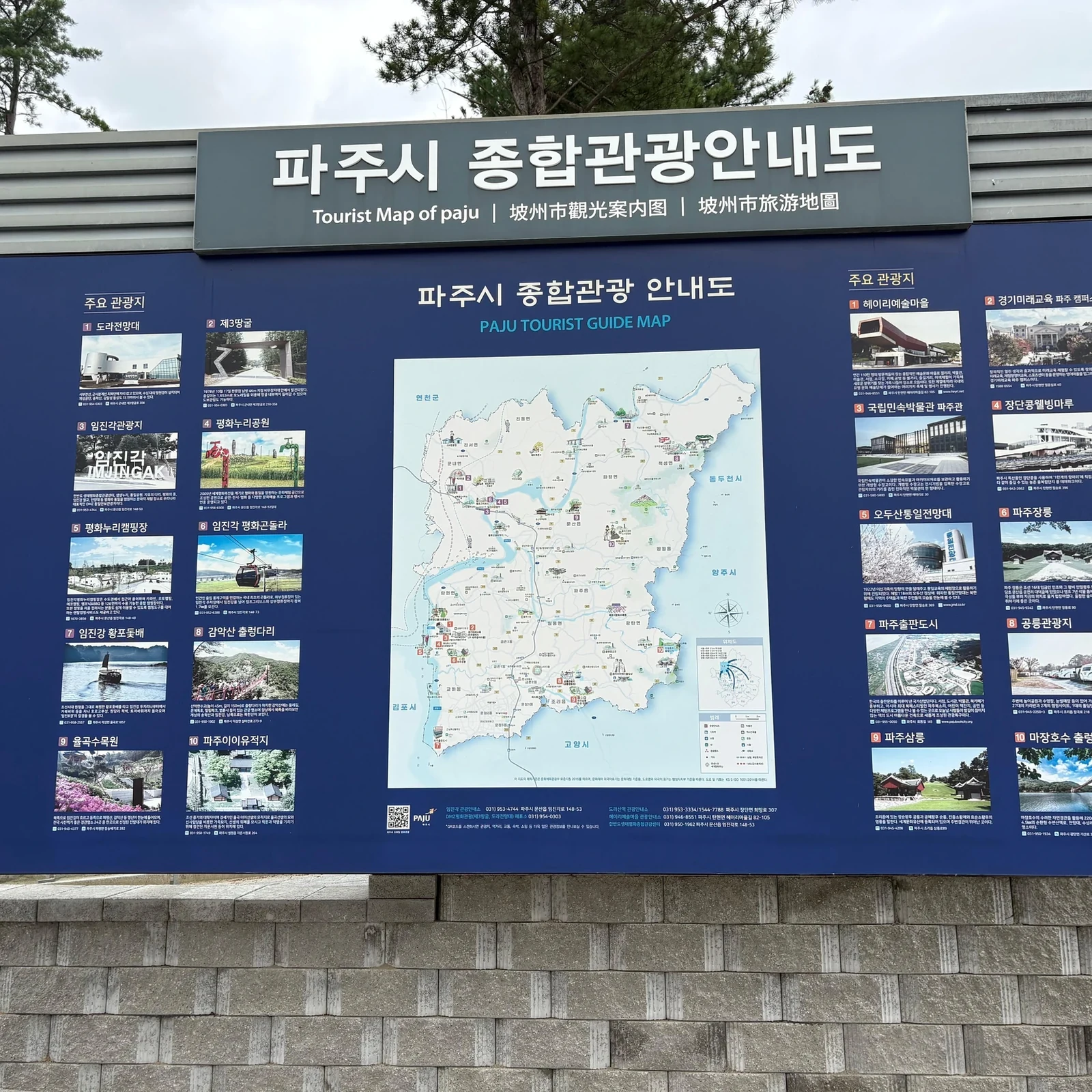
Book a DMZ tour from Seoul with transport, the Third Tunnel, Dora Observatory and a live Q&A with a North Korean defector. Duration: 7 to 9 hours.
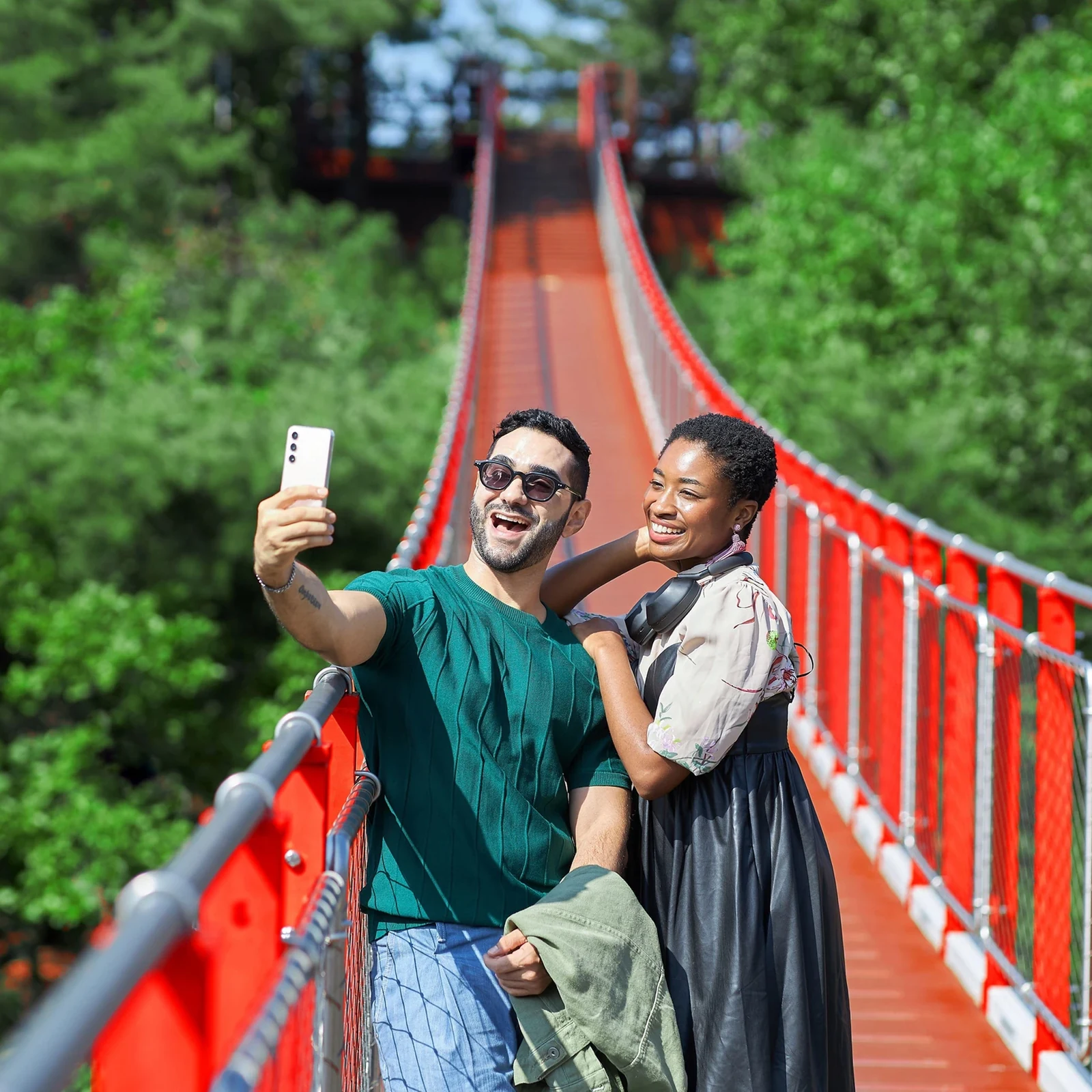 Activity on TourBookGo
Book a DMZ tour from Seoul with a guide, transport, the Third Tunnel and Dora Observatory. Choose options with the JSA Museum, Red Bridge, Majang Lake, a defector talk or private transfers.