 Activity on TourBookGo
Gyeongbokgung Palace Tour Seoul: Hanok Villages and Gwangjang Market
Book a Gyeongbokgung Palace tour Seoul with Bukchon or Namsangol, Bugak Skyway and Gwangjang Market, including an English guide, transport and entry.
Discover what to do in Seoul, from historic palaces and fragrant food markets to mountain trails, Han River parks and neighborhoods glowing with neon.
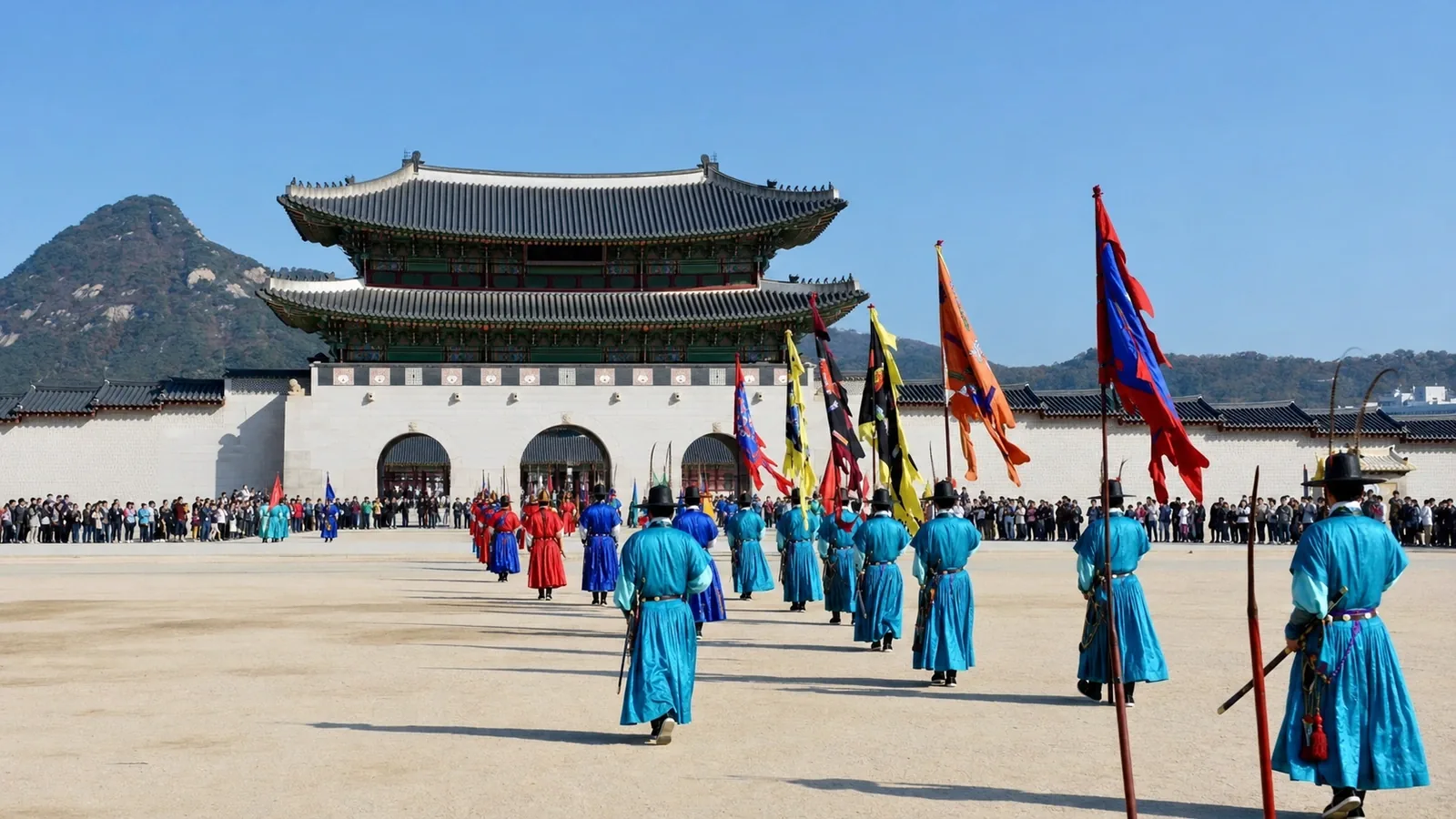
Deciding what to do in Seoul can feel overwhelming at first. The vast avenues, glowing screens and a subway network that seems to stretch forever make the first impression. Then the details emerge: smoke rising from a street-side grill, a wooden doorway tucked between glass towers, elderly hikers heading into the mountains at dawn, and young people turning a café into a miniature design manifesto. The South Korean capital rewards travelers who embrace its contrasts. It can be noisy, intense and physically demanding, but it also offers an unusual combination of historic palaces, urban life, memorable food, accessible nature and contemporary culture.
Compare locations and options to find a base that suits your trip. Booking.com confirms current availability and pricing.
Find accommodation on BookingThe best way to begin understanding the city is through its palaces, traditional neighborhoods and historic streets.
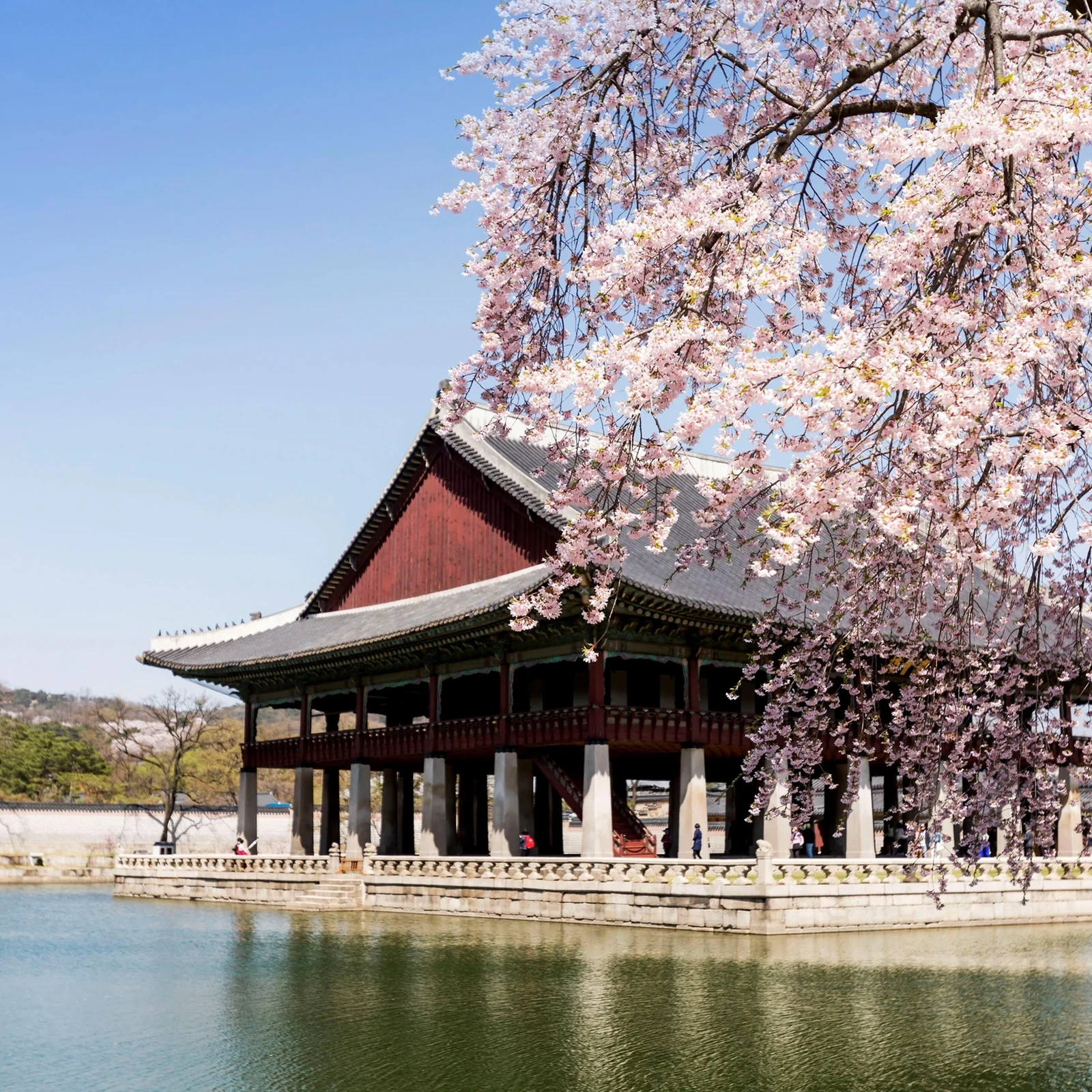
Gyeongbokgung is the best introduction to the city’s history. It was the main palace of the Joseon dynasty and retains vast ceremonial courtyards, pavilions reflected in the water and a striking visual connection with the mountains to the north. Its history includes destruction, occupation and successive restorations, so it should not be viewed merely as a picturesque backdrop.
Royal KHS
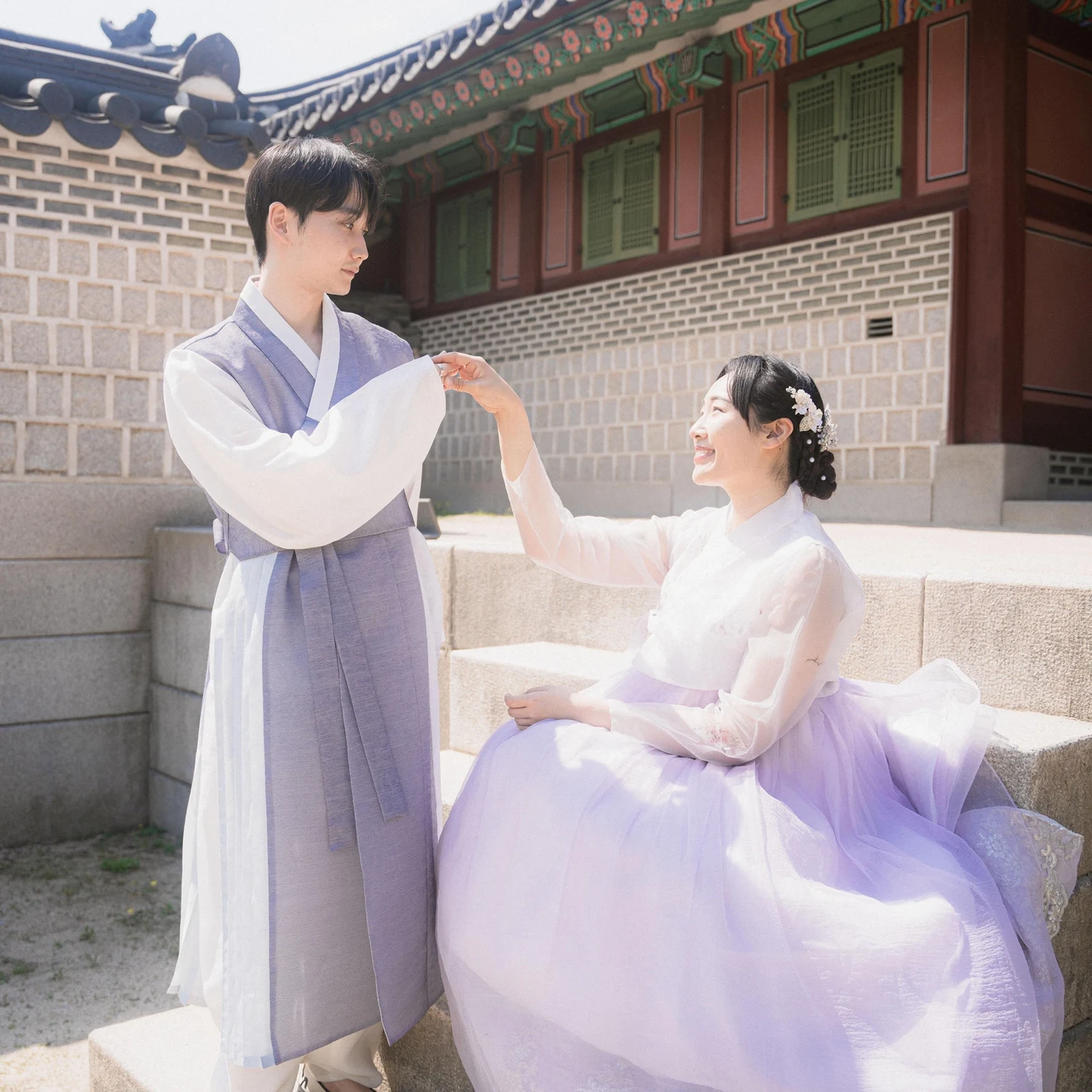
It is worth arriving early. By mid-morning, especially during peak season, the courtyards can fill with tour groups and visitors dressed in hanbok. Renting one can be fun, but it is not essential to enjoy the grounds. Before visiting, check the official schedule: access to certain areas, evening openings and activities may depend on the date and sometimes require advance booking.
Royal KHS
Those looking for a slightly quieter atmosphere can combine it with Changdeokgung, another of Seoul’s major palaces. Trying to visit every royal complex in a single day usually leads to more fatigue than understanding.
Between Gyeongbokgung and Changdeokgung lies Bukchon, a maze of sloping lanes, stone walls and the curved roofs of traditional houses. The scene is picturesque, but the neighborhood is not a museum: people still live there. Speaking quietly, keeping entrances clear and avoiding intrusive photography are all part of visiting responsibly. Tourism authorities actively promote this model of “silent tourism.”
VISITKOREA - Imagine Your Korea
Bukchon may disappoint anyone expecting a perfectly preserved historic village. There are shops, traffic, visitors and homes converted into studios or cafés. Its appeal lies more in its small-scale views and details than in any single major attraction.
From there, Insadong is a natural continuation. Its streets combine teahouses, galleries, craft shops and plenty of businesses aimed at tourists. The side alleys are worth exploring, as they tend to feel less commercial.
The city’s mountains and historic fortifications offer a clear perspective on its immense urban scale.
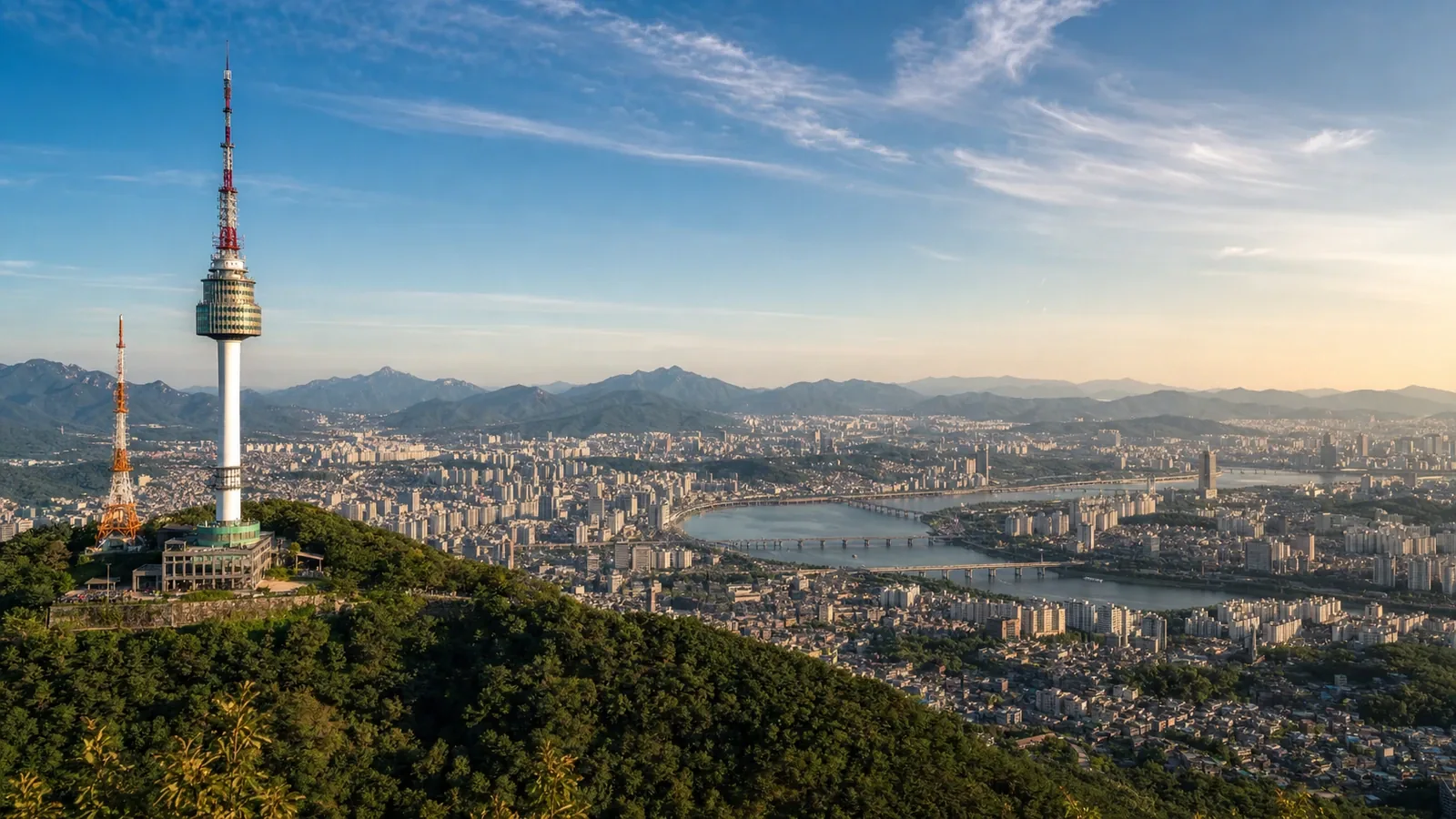
Namsan offers one of the clearest views of the city’s immense scale. You can reach the top on foot, by bus or by cable car, and finish near N Seoul Tower, one of the capital’s most recognizable landmarks.
Visit Seoul
The tower is popular and highly commercialized. Anyone seeking an intimate experience may be disappointed by the queues, shops and designated photo spots. The walk up the mountain and the views along the way are often more memorable than the enclosed observation deck.
Another option is to follow a section of Seoul’s old city wall. It may require more effort, but it shows how the historic fortifications trace the mountain ridges while the modern city spreads out below.
Modern neighborhoods reveal Seoul’s relationship with music, fashion, design, university life and a constantly changing urban culture.
Hongdae brings together university culture, fashion shops, live performances, music venues, restaurants and an intense nightlife scene. It is one of the easiest neighborhoods in which to move from an afternoon of shopping to an evening of bars or concerts.
Visit Seoul
It is also noisy, extremely busy and openly commercial in some streets. It is not the best place to seek peace and quiet or a traditional image of Korea. It is, however, well suited to younger travelers and anyone interested in music, dance, street fashion and pop culture.
Dongdaemun Design Plaza, with its futuristic architecture and exhibitions, works particularly well around sunset, when the building begins to light up. Seongsu, meanwhile, offers an introduction to the world of concept cafés, pop-up stores and former industrial buildings converted into creative spaces.
These neighborhoods change quickly. Some of their appeal comes from that constant sense of novelty, but so does part of their weakness. Certain venues seem designed more to be photographed than to be enjoyed.
Gwangjang is one of Seoul’s best-known traditional markets. Among fabric stalls and food corridors, you will find mung bean pancakes, gimbap, tteokbokki, fish, seasoned raw beef and all kinds of fried snacks.
Visit Seoul
The experience can be intense: narrow benches, steam, noise, strong smells and constant movement. Some travelers find it fascinating; others find it overwhelming. Check prices before sitting down, choose stalls that are busy with local customers and do not try to taste everything in a single visit.
Riverside parks and mountains provide a way to leave the intensity of the streets without leaving Seoul.
The parks along the Han River reveal a more everyday side of Seoul. As evening approaches, couples, families and groups of friends arrive to walk, cycle, picnic or simply sit by the water. Yeouido and Banpo are two of the best-known areas. Some fountains, markets and activities operate only during certain seasons, so it is wise to check the current schedule.
Visit Seoul
The river is not always especially impressive in broad daylight. Its atmosphere improves at sunset, when the bridges light up and the urban heat begins to fade.
Few major capitals provide such easy access to genuine mountain trails. Bukhansan combines granite peaks, forests, temples and routes of widely varying difficulty. Not all of them are easy walks: some sections require proper footwear, reasonable fitness and close attention to the weather.
Visit Seoul
There is a hiking center for international visitors that provides route information and equipment rental. It can be especially useful for travelers who have not brought hiking boots or are unfamiliar with the terrain.
Visit Seoul
In summer, heat and humidity make the climb more demanding; in winter, there may be ice. On clear weekends, the most popular trails can become very crowded.
Rain does not necessarily ruin a visit. The National Museum of Korea provides an overview of the country’s artistic and historical development, while the National Palace Museum explores life at the Joseon royal court in greater depth. For modern and contemporary art, the MMCA and Leeum are among the leading options. Several permanent collections in public museums are free, although special exhibitions may charge admission.
Visit Seoul
Large shopping complexes are also part of Korean urban life. COEX, with its famous indoor library, can fill several hours, although anyone who dislikes shopping malls may find it excessively artificial.
Walking along Cheonggyecheon, exploring the open areas of Bukchon, strolling beside the Han River, visiting urban parks and seeing parts of public museums make it possible to enjoy Seoul without constantly paying admission fees. Seoul Forest is another good place to unwind among gardens, picnic areas and urban trails.
Seoul Parks
The city, however, constantly encourages spending: cafés, viewpoints, themed shops and photo experiences appear in almost every popular neighborhood. Traveling on a limited budget means being selective rather than trying to follow every trend.
Families often enjoy the palaces, provided visits are not too long, as well as Cheonggyecheon Stream, Namsangol Hanok Village, Seoul Forest and the children’s spaces connected to museums and gardens. Efficient public transport and abundant services make family travel relatively straightforward.
VISITKOREA - Imagine Your Korea
The main challenges are the distances, stairs, summer heat and crowds. With young children, it makes more sense to focus on one area each day than to travel back and forth across the city.
A sunset walk along the Han River, views from Namsan, the quieter streets around Deoksugung or dinner in a small neighborhood are often more rewarding than attractions created specifically for couples.
Seoul can be romantic, but it is rarely quiet. Its romance lies in sharing a tiny table, walking beneath neon signs or discovering a peaceful garden behind an eight-lane avenue.
Night transforms the city. Hongdae offers youthful energy; Euljiro combines old workshops with hidden bars; Itaewon retains an international atmosphere; and the streets around Jongno are filled with small restaurants where you can dine in narrow alleyways.
Those who do not enjoy nightclubs can walk beside Cheonggyecheon, see Dongdaemun illuminated or sit in a riverside park. Seoul’s nightlife is not only about drinking: it also includes late-night cafés, arcades, karaoke, markets and restaurants that keep the day going long after dark.
Suwon and the Demilitarized Zone offer two very different perspectives on the history and territory surrounding the capital.
Hwaseong Fortress is one of the most well-rounded day trips. Its walls, gates and pavilions offer a chance to walk through a historic landscape that feels less hectic than central Seoul. The complex was inscribed as a World Heritage Site in 1997.
VISITKOREA - Imagine Your Korea
+1
The DMZ is particularly interesting for travelers drawn to contemporary history and the division of the Korean Peninsula. It should not be treated like a theme park. Some tours require identification, security checks or organized itineraries, and access conditions can change.
VISITKOREA - Imagine Your Korea
The most common mistake is trying to see too much. Seoul is enormous, and even though transportation is efficient, journeys take time. It is also best to avoid Bukchon at peak hours, hiking Bukhansan without suitable equipment and planning an entire trip around viral locations.
For a first visit, the most complete combination includes a palace, a traditional neighborhood, a market, a museum, an afternoon by the river and an evening in a contemporary district. That is when the real Seoul begins to appear: not as a collection of monuments, but as a city that shifts from one century to another every time you turn a corner.
Discover selected experiences in Seoul to complete this guide with Korean culture, food, palaces, neighbourhoods and well-organised day trips.
Activity on TourBookGoBook a Gyeongbokgung Palace tour Seoul with Bukchon or Namsangol, Bugak Skyway and Gwangjang Market, including an English guide, transport and entry.
 Activity on TourBookGo
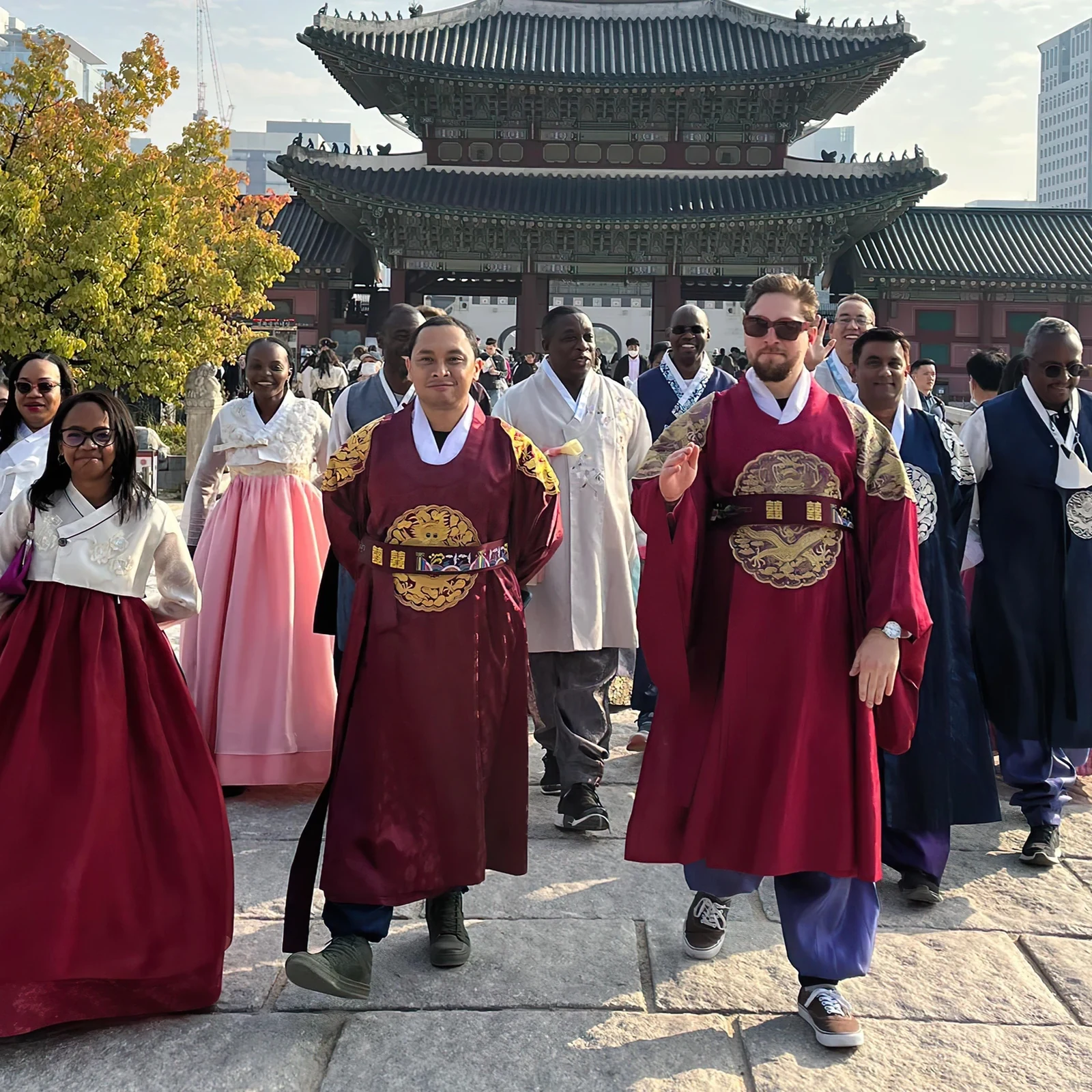
Book a Gyeongbokgung and Bukchon tour with optional hanbok. Explore historic Seoul with a guide, admission and a four-hour itinerary.
 Activity on TourBookGo
Book a hanbok photo shoot in Seoul at Gyeongbokgung Palace with a private photographer, 300 JPGs, 10 retouched images and physical Polaroids.