 Activity on TourBookGo
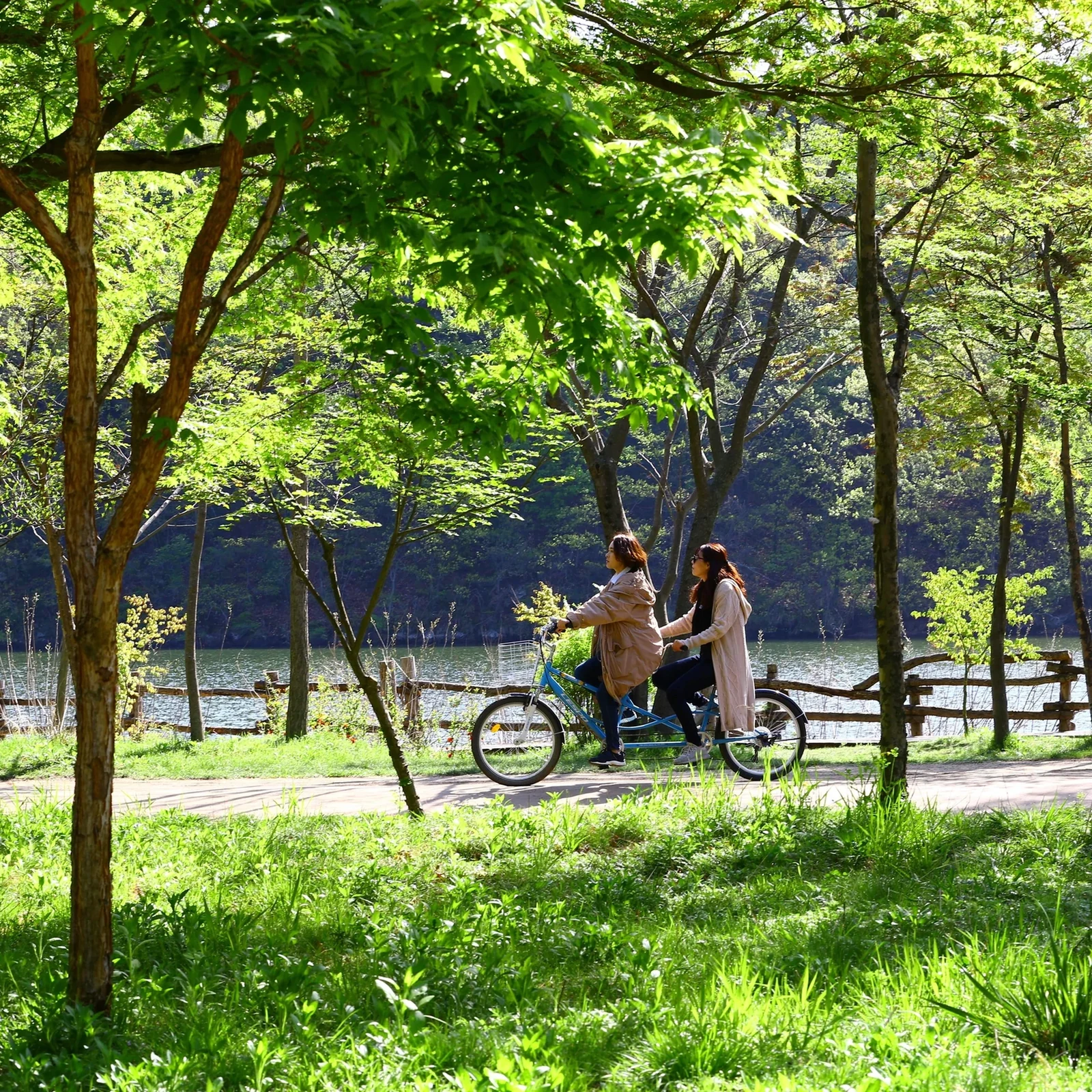
Nami Island Day Trip from Seoul
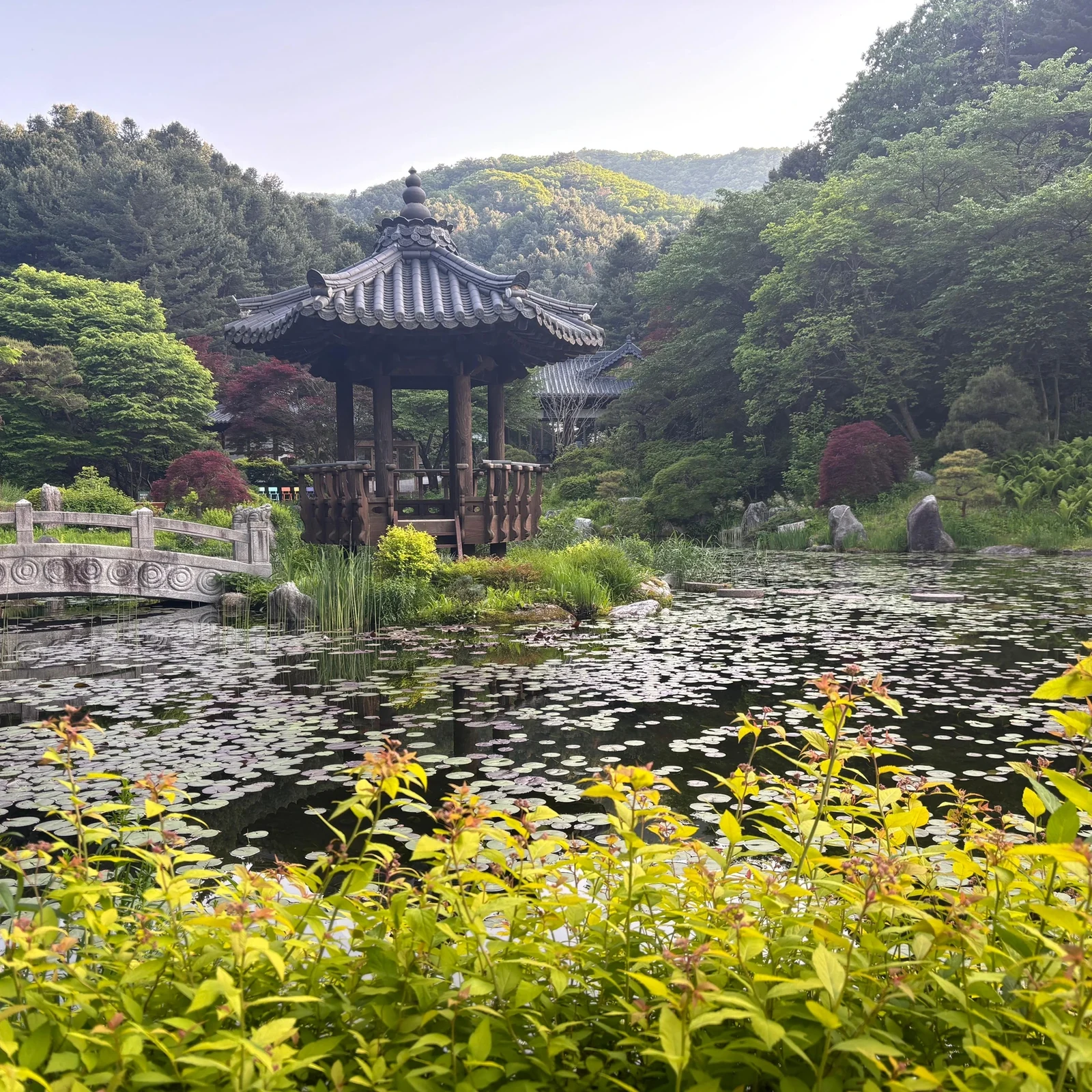
Book a Nami Island day trip from Seoul with transport, guide and Garden of Morning Calm admission. Choose the optional Gangchon rail-bike experience.
Seoul changes character with every season. In April, petals soften the dark rooftops of its palaces; in summer, humidity wraps the city in a glossy sheen; in October, maples and ginkgo trees turn the mountains red and gold; and in winter, the cold clears the sky until it takes on an almost metallic clarity.
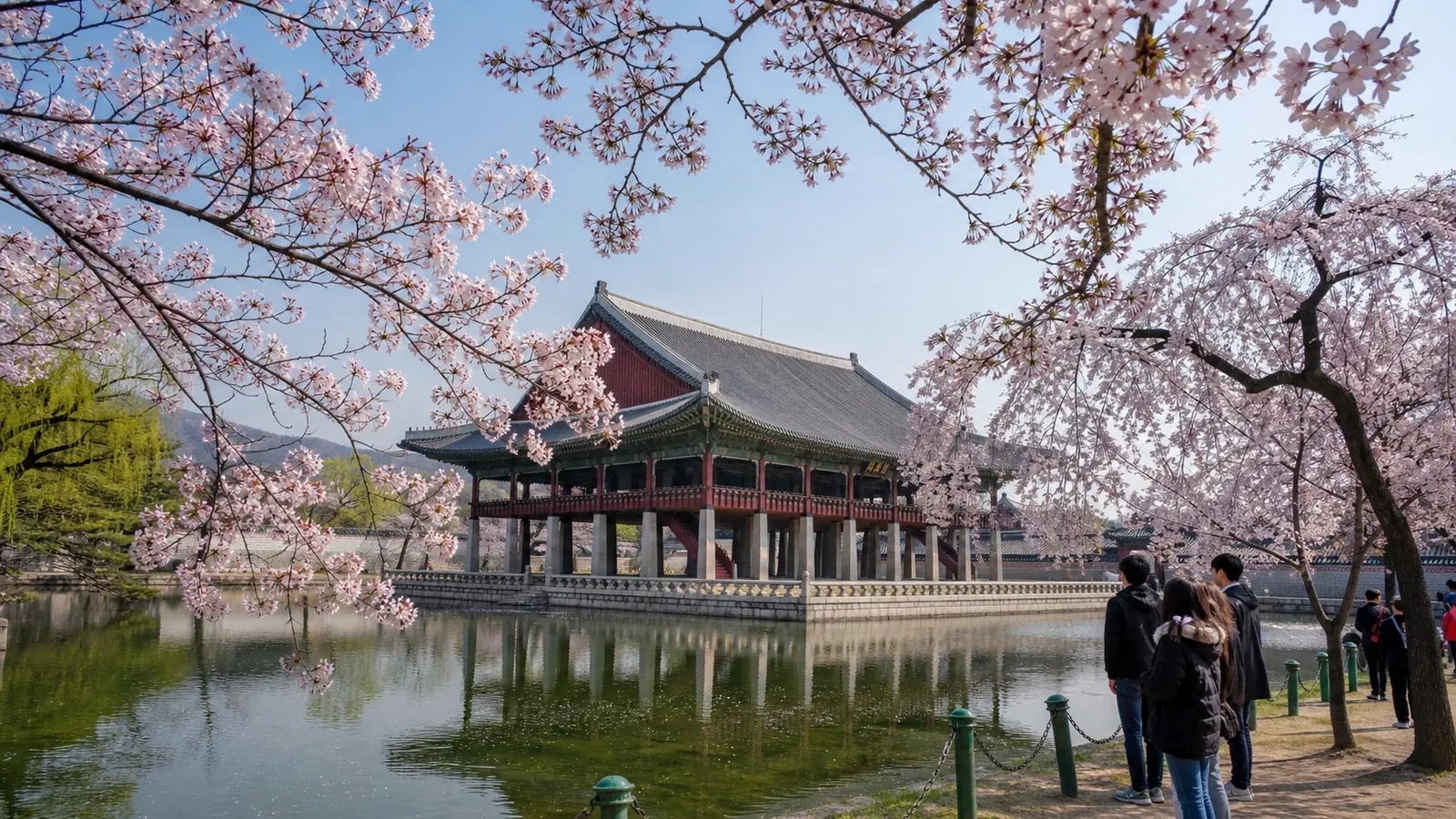
The best time to visit Seoul is generally autumn, especially October, followed by spring from April to May. Although the South Korean capital is a year-round destination, these months offer the most pleasant Seoul weather for walking, exploring markets, visiting palaces and climbing the hills without contending with summer’s humid heat or winter’s bitter cold. The right choice depends on the experience you want. Seoul in spring is delicate and photogenic, but also brief and crowded. Autumn brings more stable weather, although the most vivid colours do not always appear at the same time each year. Winter can be fascinating for travellers who tolerate the cold, while summer reveals a green, vibrant city that comes alive after dark.
Compare locations and options to find a base that suits your trip. Booking.com confirms current availability and pricing.
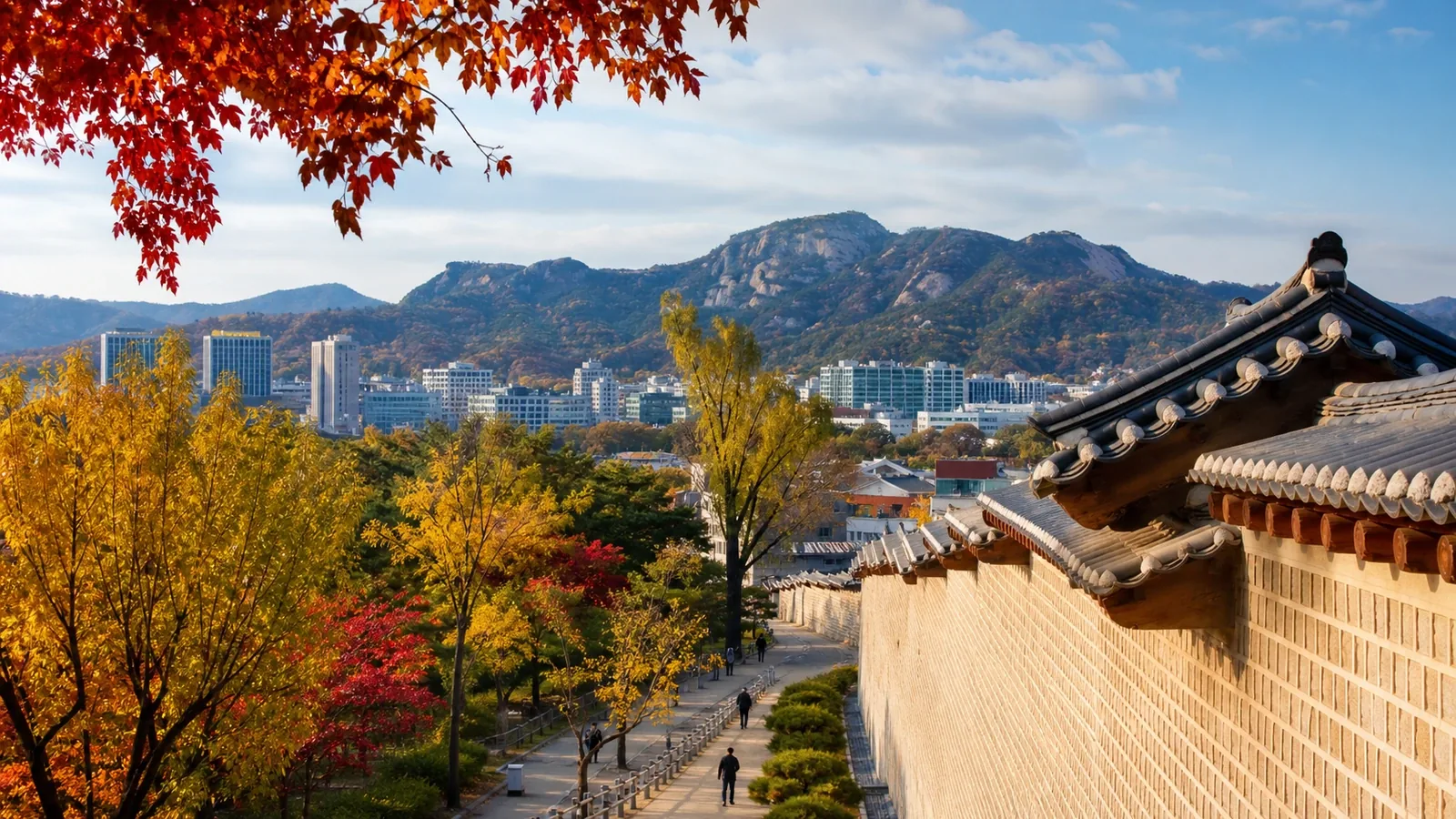
Find accommodation on BookingOctober is probably the most well-rounded month for discovering Seoul. The summer heat has faded, rainfall decreases and temperatures usually make it possible to spend long days outdoors. Autumn skies tend to be clear, while the parks, palace gardens and slopes of Namsan slowly shift from green to yellow, copper and red.
It is an especially beautiful time to explore Changdeokgung, walk along the city wall or take in views of Seoul from one of its elevated trails. The light is clearer and the air generally feels less heavy than during the warmer months.
The weather is ideal for sightseeing on foot, traditional neighbourhoods settle into a more relaxed rhythm and the mountains surrounding the city begin to fill with colour. It is also easier to combine days in the city with nearby excursions.
Autumn is no secret. At weekends, parks, palaces and mountain trails can become crowded with local visitors. The foliage does not follow an exact schedule either: it may arrive early one year and late the next, so travelling solely to see the colours at their peak always involves some uncertainty.
Between April and May, Seoul emerges from winter with flowering trees, increasingly mild days and a gentle light that makes walking especially enjoyable. Cherry blossoms appear in parks, along riverbanks and throughout historic sites, transforming parts of the city for a few days. Spring lasts roughly from March to May and usually brings fairly clear skies, although episodes of dust carried in from other parts of Asia can also occur.
April attracts travellers hoping to see the cherry blossoms in Seoul. May, by contrast, is often a calmer choice: the most famous blooms may have disappeared, but the gardens remain green, temperatures are pleasant and there is less collective obsession with finding the perfect tree.
The timing of the bloom changes each year depending on the weather, and it does not last long. The most spectacular phase may be concentrated into just a few days, so it is worth checking official forecasts shortly before your trip and avoiding building your entire itinerary around a single date. Even within Seoul, some trees blossom earlier than others.
Places known for their cherry blossoms can become extremely crowded, especially at weekends. Anyone imagining silent avenues carpeted in petals may instead encounter traffic, queues and lengthy photo sessions.
From June to August, Seoul experiences its hottest and most humid period. The rainy season usually begins in mid-June and lasts for several weeks; July and August account for a large share of the year’s rainfall, and daytime temperatures can approach 30°C.
It is not the most comfortable season for spending hours exploring the city. Heat builds up between the buildings, rain can disrupt plans and the air conditioning in shops and on public transport contrasts sharply with the conditions outside.
But summer has another side. The Han River comes alive at sunset, the parks turn lush and green, and the streets remain busy until late. It is a good season for combining museums, cafés, shopping centres, covered markets and evening walks.
It can work well for travellers interested in contemporary urban life, food, shopping and popular culture, provided they do not mind adjusting their schedule. Starting early, resting during the hottest hours and heading out again after sunset makes the experience far more enjoyable.
Anyone who struggles with humidity or wants to walk extensively should choose another season.
Winter lasts roughly from December to February. Temperatures can fall well below freezing, north-westerly winds make it feel even colder and, during some cold spells, the thermometer can drop towards –15°C. Snowfall is not constant, but when it comes, it covers palaces, parks and traditional rooftops with a stark beauty.
It is a demanding season, but it has its advantages. Outside the main holiday periods, many attractions receive fewer visitors. Markets serve steaming soups, dumplings and street food that somehow seems more fitting in the cold. The city takes on a distinctive clarity, with quiet mornings and pale skies above the mountains.
Snow is not guaranteed. Travelling in the hope of seeing Seoul completely covered in white may end in disappointment. It also gets dark early, and some days are simply too cold to spend much time outdoors.
Winter is best suited to travellers accustomed to cold weather, fans of urban photography or people who prefer museums, cafés, food and indoor activities.
The most popular periods generally coincide with the spring blossom season and the autumn foliage. During those weeks, well-located accommodation may fill up earlier, and the best-known sights receive more visitors.
Winter, apart from holiday periods, and certain parts of summer may offer greater availability. However, paying less does not always make up for the conditions: August can be exhausting, while January requires suitable clothing. The cheapest season is only truly worthwhile when its conditions suit the way you like to travel.
It is also advisable to check the dates of celebrations such as Chuseok and Seollal. They are culturally interesting occasions, but some businesses, markets and family-run restaurants may change their opening hours, while intercity transport experiences high demand.
For a first visit: October, for its balance of weather, scenery and walkability.
For flowers: April, accepting that the bloom is brief and unpredictable.
For travelling with children: May or October, when spending time outdoors is easier.
For photography: April for the petals, late October or early November for the foliage, and winter for more subdued scenes and clear skies.
For saving money: certain periods in winter or summer, avoiding holidays and checking weather conditions in advance.
For nightlife and the atmosphere along the river: summer, with sightseeing planned for after sunset.
October is the safest recommendation. You can walk around without summer’s oppressive heat, the weather is more stable than in spring, and the city’s historic architecture and autumn landscape seem to enter into conversation.
The second-best option would be May, especially for travellers who prefer green gardens and mild temperatures without relying on the uncertain timing of the cherry blossoms.
April can be unforgettable, but it requires flexibility. July and August demand patience with the humidity. January and February reward those who can tolerate the cold, but punish poor preparation.
Seoul does not have one single true season, but four distinct versions of the city. Choosing the right date is not about chasing the perfect postcard, but deciding which side of the Korean capital best suits the way you travel.
Discover selected experiences in Seoul to complete this guide with Korean culture, food, palaces, neighbourhoods and well-organised day trips.
Activity on TourBookGoBook a Nami Island day trip from Seoul with transport, guide and Garden of Morning Calm admission. Choose the optional Gangchon rail-bike experience.
 Activity on TourBookGo
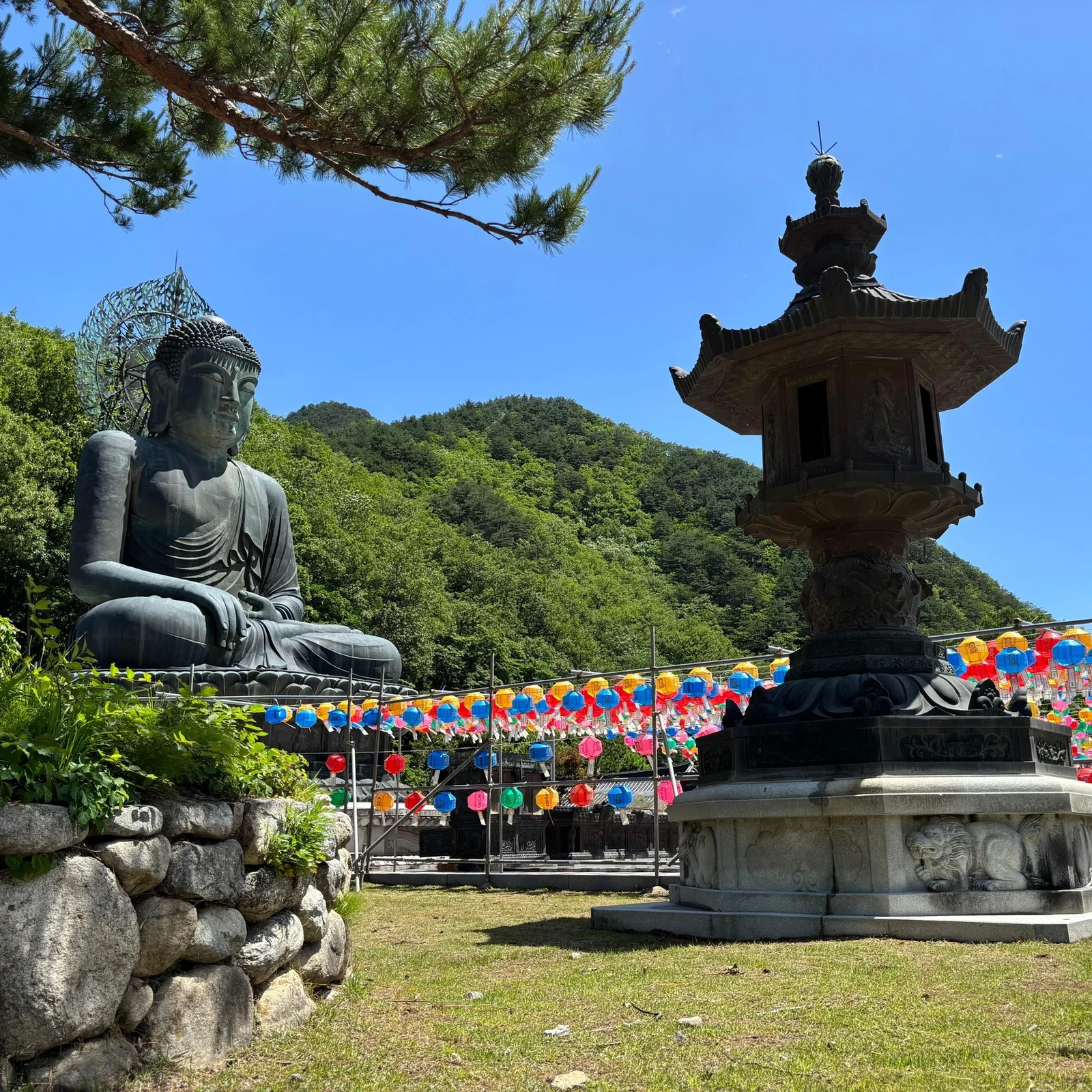
Book a Seoraksan day trip from Seoul and visit Naksansa Temple and Naksan Beach on a 12-hour guided tour with transport and admission included.
 Activity on TourBookGo
Book a Seoraksan, Nami Island and Garden of Morning Calm tour from Seoul with transport, guide, admission tickets and ferry included.