 Activity on TourBookGo
Seoul to Suwon and Gwangmyeong Day Trip in One Day
Book a Seoul to Suwon and Gwangmyeong day trip visiting Suwon Hwaseong, Starfield Library and Gwangmyeong Cave in nine hours.
Choosing where to stay in Seoul is about more than finding a comfortable room. The right neighborhood can shorten daily journeys and make every part of your visit more enjoyable.
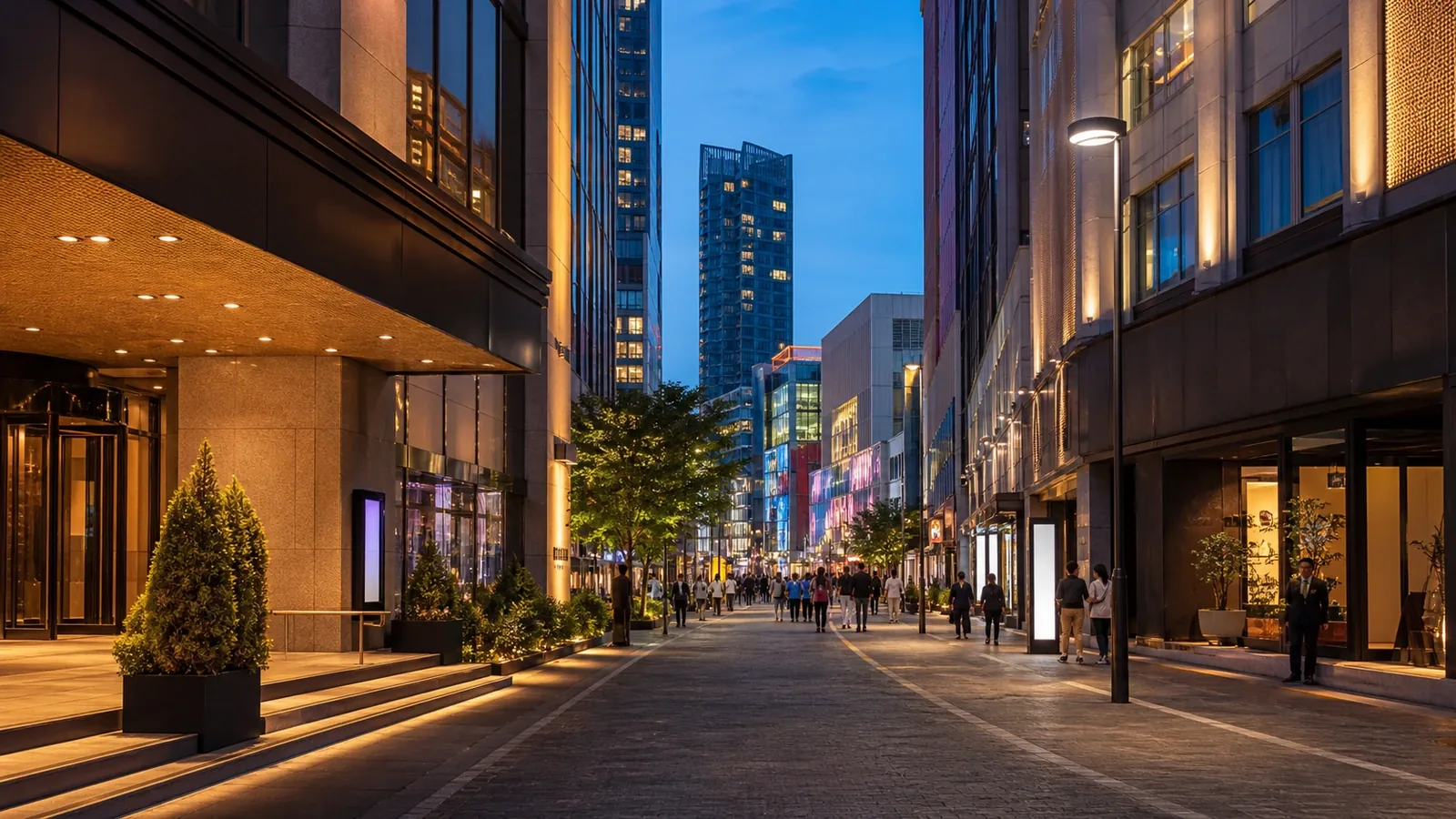
Deciding where to stay in Seoul is one of the choices that will shape your trip the most. The South Korean capital stretches across both sides of the Han River, brings together neighborhoods with very different personalities, and can turn a simple outing into a long journey if you choose an inconvenient base. In a single day, Seoul can take you from the curved rooftops of a palace to the glowing screens of a shopping district, from a quiet teahouse to a street where the music continues until dawn. That is why the best neighborhood is not always the most central one: it is the one that matches the kind of trip you want to experience.
Compare locations and options to find a base that suits your trip. Booking.com confirms current availability and pricing.
Find accommodation on BookingMyeongdong is one of the best places to stay in Seoul for first-time visitors who want to keep things simple. It is close to shopping areas, markets, Namsan, and much of the historic center. Myeongdong Station is on Line 4, making it easy to travel from the neighborhood to other parts of the city.
At night, the streets are filled with neon lights, food stalls, and almost constant activity. There are also plenty of hotels in Seoul geared toward international travelers, which is useful when you are still learning how to navigate local addresses, transportation, and customs.
Its main drawback is precisely its popularity. Myeongdong can feel overly touristy, with crowded streets and a commercial atmosphere that does not always reflect everyday life in Seoul. Travelers looking for discreet cafés, peace and quiet, or a more residential setting will probably find other neighborhoods more appealing.
Staying around Jongno, Insadong, or Anguk allows you to start the day among temples, palace courtyards, galleries, and teahouses. Insadong retains a strong identity linked to crafts, antiques, and traditional culture, and it can be reached from Anguk, Jongno 3-ga, and Jonggak stations.
It is one of the best areas to stay in Seoul for travelers interested in Korean history, architecture, and leisurely walks. At dawn, before the tour groups arrive, some streets regain a delicate sense of calm: dark wood, the scent of roasted tea, and façades that seem to guard another era.
Not everything is romantic, however. Many accommodations are located in small buildings, some rooms can be compact, and nightlife tends to wind down earlier than in Hongdae or Itaewon. It is also worth checking the actual distance to the nearest subway station: everything looks close on the map, but the walking adds up.
Spending a night in a hanok can be a memorable experience, but Bukchon is not a tourist set: it is a residential neighborhood. In certain areas, visitor access is restricted between 5:00 p.m. and 10:00 a.m., and additional rules are in place to protect residents’ peace and quiet.
For a traditional stay, it is usually wiser to choose an authorized accommodation near Anguk, Insadong, or Seochon rather than booking just any property inside Bukchon’s most sensitive alleyways. This allows you to enjoy the historic atmosphere without turning residents’ daily lives into part of the attraction.
Hongdae has the energy of a city that is not ready to sleep. Street music, independent shops, small venues, casual restaurants, and young crowds are all part of its identity. Hongik University Station connects to Line 2, the Gyeongui-Jungang Line, and the airport railway, making staying in Hongdae especially convenient when arriving from Incheon.
It is a good choice for solo travelers, groups of friends, and anyone who wants to combine sightseeing during the day with bars, concerts, or shopping at night.
Central Hongdae can be noisy, especially on weekends. For a better night’s sleep, stay a few streets away from the main avenues or choose Yeonnam-dong, which preserves the district’s cafés and creative spirit while offering a slightly more residential atmosphere.
This central strip has less immediate charm than Insadong and less nightlife personality than Hongdae, but it works very well for travelers who value efficient connections. From here, it is easy to combine the historic center, Myeongdong, markets, and railway services.
Seoul Station is especially convenient for airport arrivals and departures, as well as train journeys to other cities. Incheon Airport operates rail services connected to the station, along with luggage facilities within the transportation network.
The drawback is that some streets around major stations can feel impersonal after dark. Before booking Seoul accommodation, check the exact location rather than relying only on the district name.
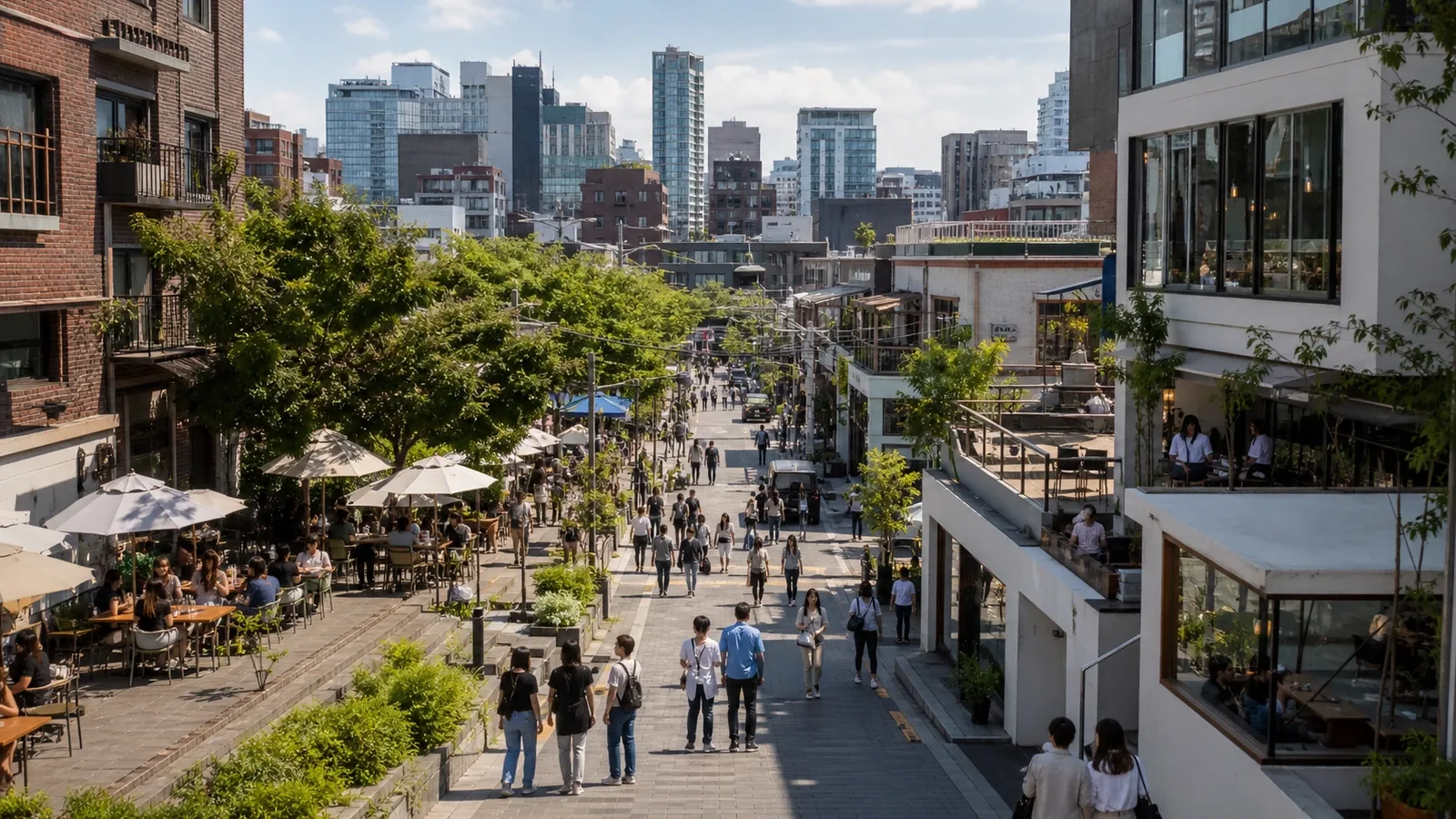
Itaewon offers international restaurants, nightlife, and a multicultural community that is unusual in many other parts of Seoul. It is served by Line 6 and extends toward neighborhoods such as Hannam and Haebangchon.
It can be a pleasant base for travelers who value international cuisine, bars, and a cosmopolitan atmosphere. Hannam is more refined and peaceful, while Itaewon is livelier and more direct.
The area’s topography is its main weakness. There are steep hills, staircases, and accommodations that look close to the subway on the map but require an uncomfortable uphill walk with luggage. In addition, Line 6 is not always the fastest connection for visiting the main palaces.
South of the Han River lies a city of wide avenues, shopping centers, offices, clinics, modern hotels, and vertical architecture. Gangnam works well for business trips, luxury shopping, or activities concentrated in the southern part of the capital. Jamsil tends to attract families and travelers interested in large entertainment complexes.
The trade-off is distance. Staying in Gangnam while visiting Bukchon, Gyeongbokgung, or Insadong every day means crossing the city frequently. Seoul has excellent public transportation, but that does not eliminate the time spent on transfers.
There is no need to draw up a dramatic list of forbidden neighborhoods in Seoul. The most common mistake is not choosing a dangerous area, but an inconvenient location.
Avoid accommodations that are far from a subway station, outlying neighborhoods chosen only to save a small amount of money, or rooms directly on a nightlife street when you need proper rest. It is also important to check whether the building has an elevator, especially in small guesthouses, and whether the bathroom is private or shared. Seoul’s official accommodation options range from hotels and traditional houses to budget properties, but standards vary widely from one place to another.
An attractive rate loses its appeal when it forces you to spend two hours a day on public transportation.
For a city trip, no. The subway and bus networks cover the city extensively, and Seoul’s authorities present the subway as one of the main ways to get around.
Driving adds traffic, parking difficulties, and the challenge of interpreting certain routes. A car only begins to make sense when leaving Seoul for rural areas or destinations with limited public transportation.
For a first visit, Myeongdong or Jongno offer the easiest balance.
For nightlife and a youthful atmosphere, choose Hongdae.
For history, leisurely walks, and a stay with character, choose Insadong, Anguk, or Seochon.
For international restaurants, choose Itaewon or Hannam.
For business, luxury, and activities south of the river, choose Gangnam.
For railway and airport connections, choose Hongdae or Seoul Station.
The best area to stay in Seoul is not necessarily the one that appears most often in guidebooks. It is the one that allows you to end the day close to where you truly want to be: among lanterns and wooden houses, beneath neon screens, or on a quiet street where the city lowers its voice for a few hours.
Discover selected experiences in Seoul to complete this guide with Korean culture, food, palaces, neighbourhoods and well-organised day trips.
Activity on TourBookGoBook a Seoul to Suwon and Gwangmyeong day trip visiting Suwon Hwaseong, Starfield Library and Gwangmyeong Cave in nine hours.
 Activity on TourBookGo
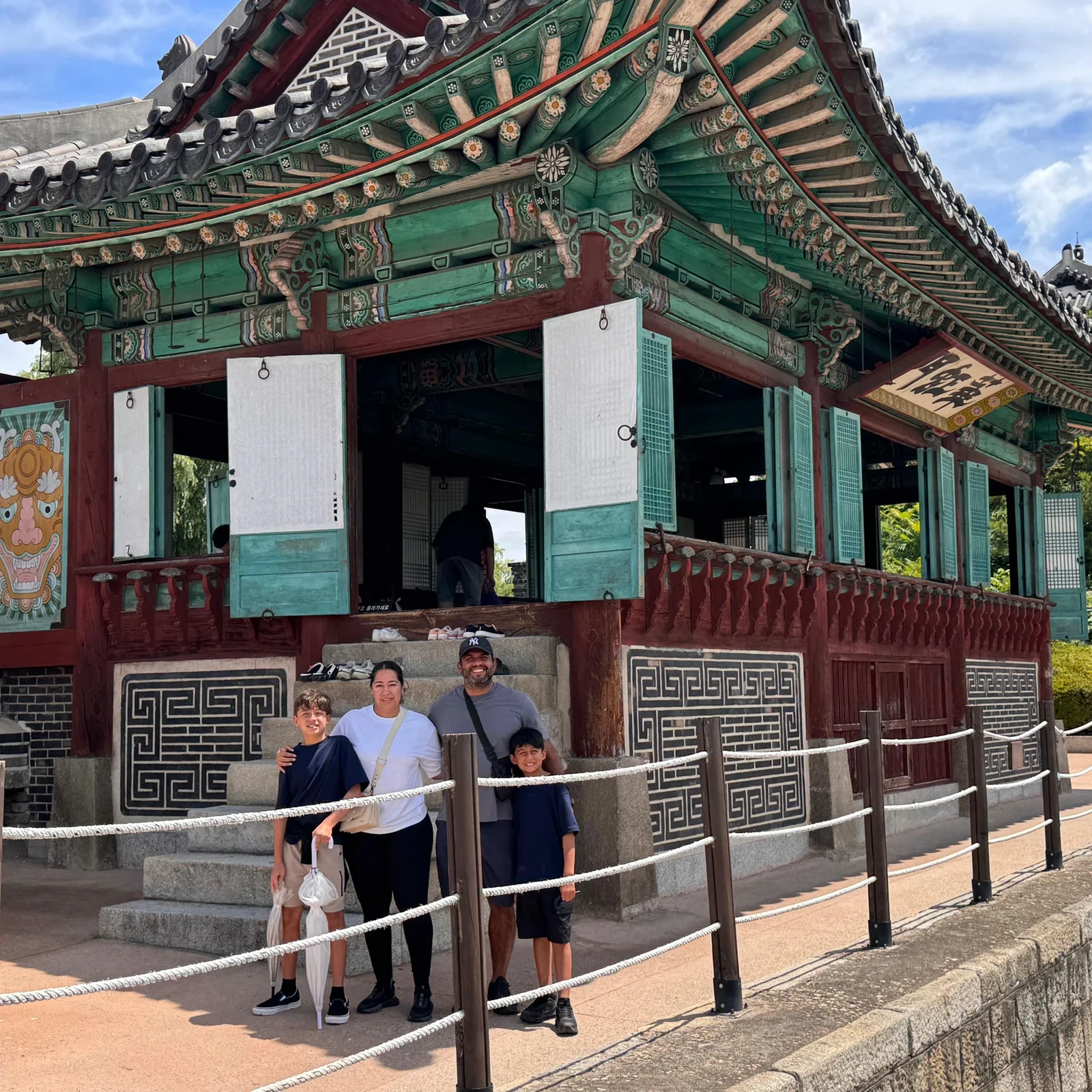
Book a Suwon day trip from Seoul lasting 10.5 to 11 hours with Hwaseong Fortress, Waujeongsa, Starfield Suwon, transport, a guide, kimbap and hanbok.
 Activity on TourBookGo
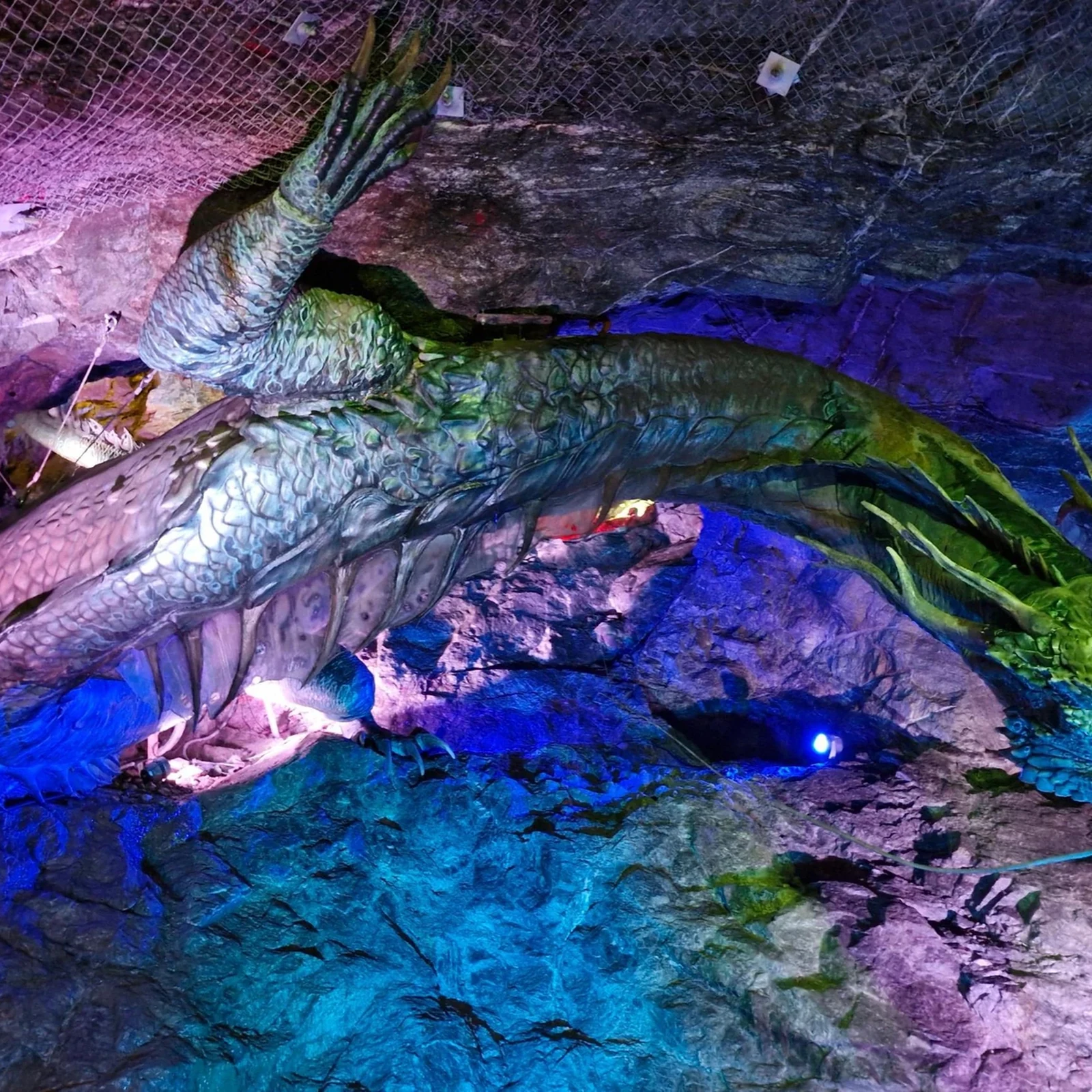
Book a private Gwangmyeong Cave tour from Seoul with eight hours of private transport, hotel pickup and cave admission included.