 Activity on TourBookGo
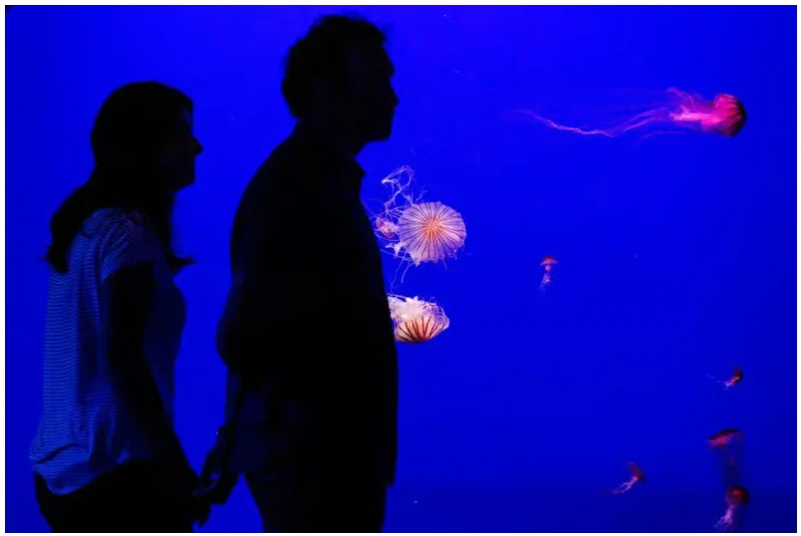
Seville Aquarium entry ticket for an easy family visit
Book your Seville Aquarium entry ticket and explore 40 aquariums with 400+ species. Indoor family plan, wheelchair access and free cancellation.
The best time to visit Seville matters more than many travelers expect. The city is not the same in April as it is in August, and choosing the right date can turn your trip into a luminous experience instead of a battle against heat, queues and high prices.
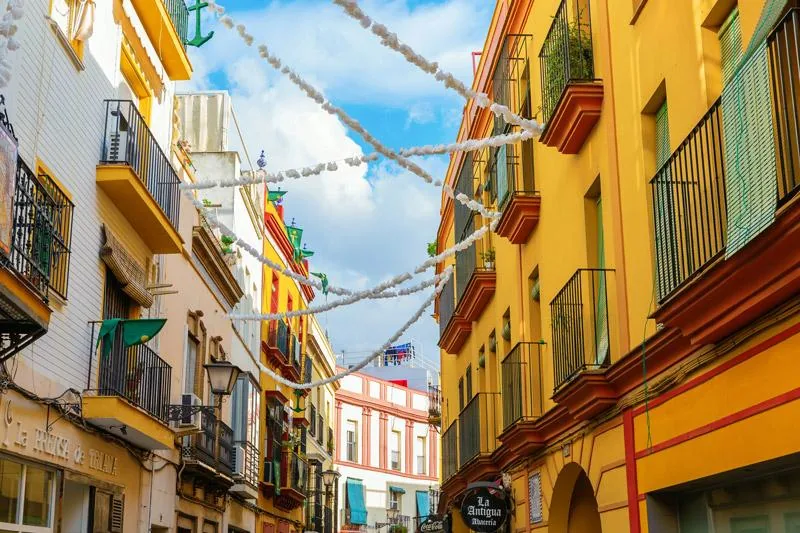
The best time to visit Seville depends on the kind of trip you want, but the season will shape almost everything. The city changes its skin with an almost theatrical intensity: at times it smells of orange blossom and Holy Week candle wax; at others, of sun-baked albero sand, night jasmine and golden stone beneath an unforgiving sun. Choosing when to travel to Seville is not a small detail; it can turn a city break into a luminous experience or into a battle against heat, queues and expensive last-minute plans.
Compare locations and options to find a base that suits your trip. Booking.com confirms current availability and pricing.
Find accommodation on BookingFor many travelers, spring is the most beautiful time to discover Seville. Between March and May, the city seems written in light: orange trees perfume the streets, squares come back to life, terraces fill up, and walking through Santa Cruz, Triana, or the area around the Cathedral is especially enjoyable.
But it is also the most sought-after season. Holy Week and the April Fair can be unforgettable experiences, yes, but they are not for everyone. During those days, Seville becomes more expensive, more crowded, and harder to improvise. Hotel rates rise, restaurants fill up, and some areas of the city center can feel overwhelming.
For those who want beauty without quite so much pressure, late March, May, or early June often offer an interesting balance: a lively atmosphere, long days, and a city full of energy, though already with the warning signs of approaching heat.
Autumn, especially October and November, is perhaps the smartest season in which to visit Seville. The light remains warm, the days allow you to walk without exhaustion, and the city recovers a more local rhythm after the summer.
It is a magnificent time to explore the Royal Alcázar without feeling as if you are racing against the clock, cross the Triana Bridge at sunset, or sit down in a tavern without the anxiety of finding a table at any cost. It does not have the festive drama of spring, but it offers a calmer, more livable, and in many cases more comfortable Seville.
Traveling to Seville in July or August calls for honesty: the heat can shape the entire trip. It is not just a matter of high temperatures, but of a physical sensation that changes your schedule, your mood, and your energy. Walking at midday can be unpleasant, even unwise for some people.
Even so, summer is not without merit. It has its advantages: fewer tourists at certain times, sometimes lower accommodation prices, and a nightlife that stretches late into the evening. But it is worth traveling with a different mindset: getting up early, resting during the middle hours of the day, and going out when the city slowly cools beneath the streetlights.
It is not the best season for those who want to see everything on foot, travel with young children, or make the most of every minute outdoors.
Winter in Seville can be surprising. It does not have spring’s lush postcard beauty, but it offers something valuable: calm. December, January, and February usually allow for a more leisurely visit, with fewer crowds and a clean light that flatters façades, patios, and squares.
There may be cold days, rain, or dampness, especially in the morning and at night, but Seville’s winter is usually gentler than that of many European cities. It is a good time for museums, churches, gastronomy, quiet walks, and cultural getaways without the pressure of high season.
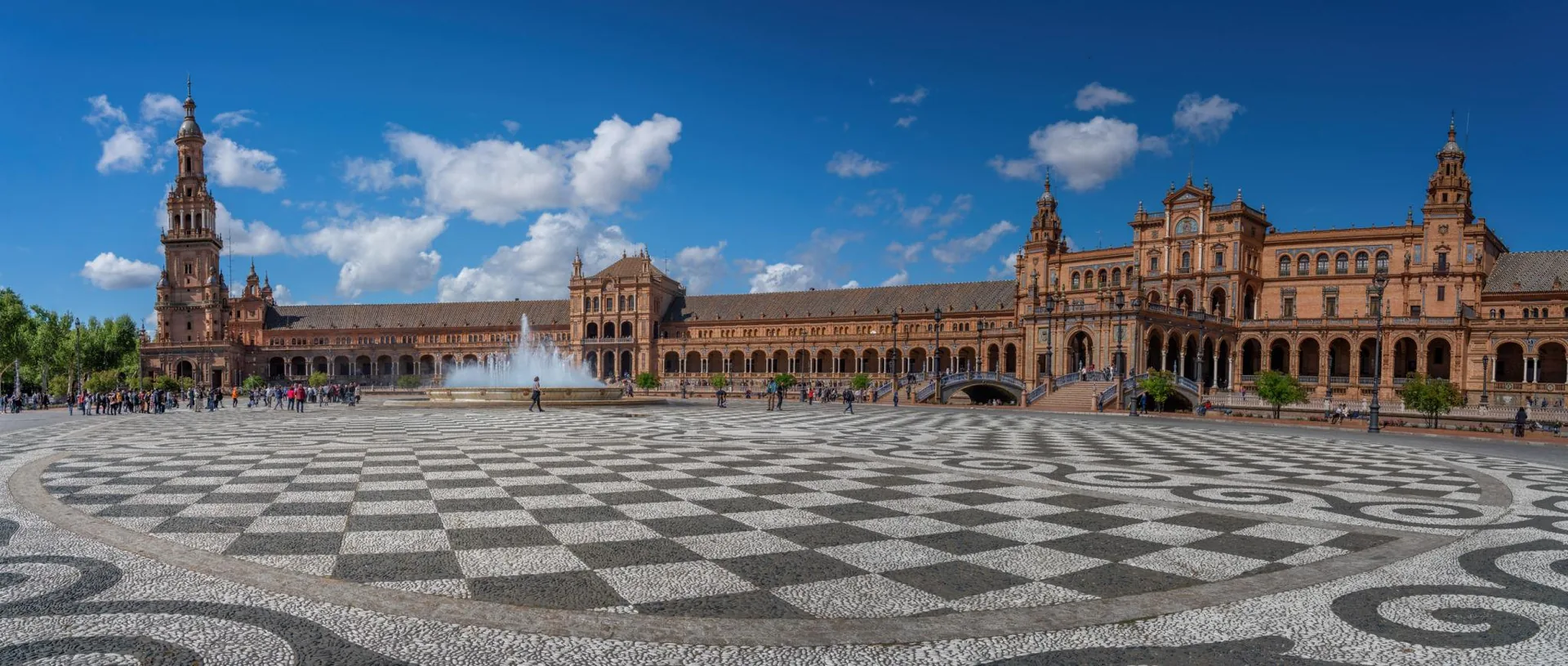
For a first visit: spring or autumn. These are the seasons that best allow you to understand Seville on foot, with time to wander, sit down, observe, and enter its great monuments without the weather dominating the experience.
For travelers looking for a festive atmosphere: Holy Week and the April Fair are unique moments, but intense ones. It is worth booking well in advance and accepting higher prices, crowded streets, and a city that revolves around its own traditions.
For tighter budgets: winter and certain moments in summer may be more favorable. The experience can be excellent if you accept their limits: less street life in winter, extreme heat in summer.
For couples: May, October, and November usually work very well. The city keeps its romance without relying on clichés: quiet patios, long dinners, walks beside the Guadalquivir, and charming hotels in historic neighborhoods.
For families: it is best to avoid the height of summer. Seville with children is much more enjoyable in mild spring, autumn, or winter, when walking, visiting monuments, and taking breaks in squares is easier.
Holy Week transforms Seville in a profound way. It is not merely a tourist event, but a religious, aesthetic, and emotional expression that takes over streets, schedules, and conversations. It can fascinate travelers who are sensitive to local culture, but frustrate those who want to move quickly around the city center.
The April Fair offers another side of the city: casetas, dresses, music, horses, lights, and a very Sevillian kind of joy, although part of the most authentic experience takes place in private or restricted-access spaces. Visitors can enjoy it, but not always from the inside as they might imagine.
That is why, before choosing a date, it is worth asking yourself what you are looking for: a monumental and peaceful Seville, or a festive, intense, and hard-to-control Seville.
Spring may disappoint those expecting a quiet city. It is beautiful, but also expensive and crowded on key dates.
Summer may disappoint those who do not tolerate heat well. Seville is not enjoyed in the same way when every walk requires calculating shade, water, and rest.
Winter may disappoint those imagining flower-filled patios, long nights on terraces, and a city that is always vibrant. It has charm, but a more discreet kind.
For most travelers, April, May, October, and November are the best months to travel to Seville. For those wishing to avoid the greatest tourist pressure, October and November are especially recommended.
Seville deserves time and a good rhythm. It should not be visited as a checklist of monuments, but as a city that reveals itself among whitewashed alleyways, hidden patios, bells, bar counters, and sunsets over the river. The date you choose is not everything, but in Seville it can make an enormous difference: between looking at the city with pleasure or moving through it in search of shade.
Choose experiences in Seville that suit your travel season, the weather and the pace you want for each day.
Activity on TourBookGoBook your Seville Aquarium entry ticket and explore 40 aquariums with 400+ species. Indoor family plan, wheelchair access and free cancellation.
 Activity on TourBookGo
Book a private electric tuk-tuk tour in Seville with a guide. See Plaza de España, Triana, Torre del Oro and more on a 1- to 2-hour panoramic route.
 Activity on TourBookGo
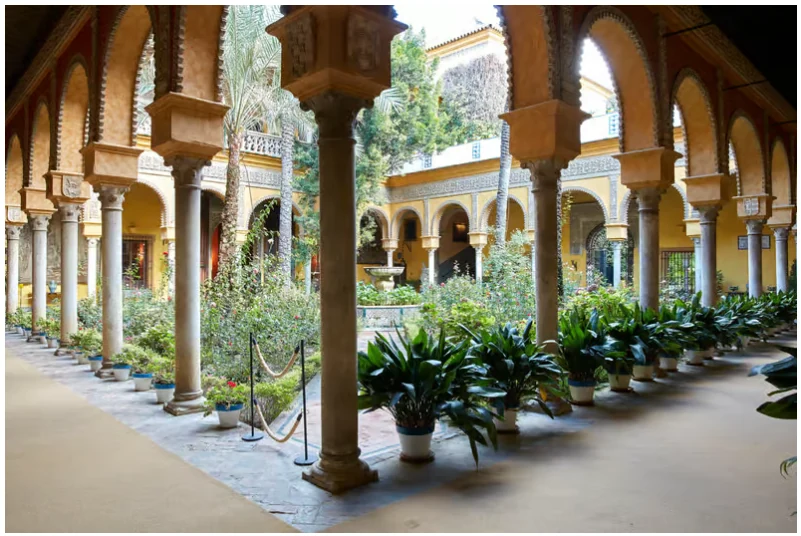
Book the Palacio de las Dueñas Seville ticket with a multilingual audio guide. Explore rooms, courtyards and gardens at your own pace from EUR 15.