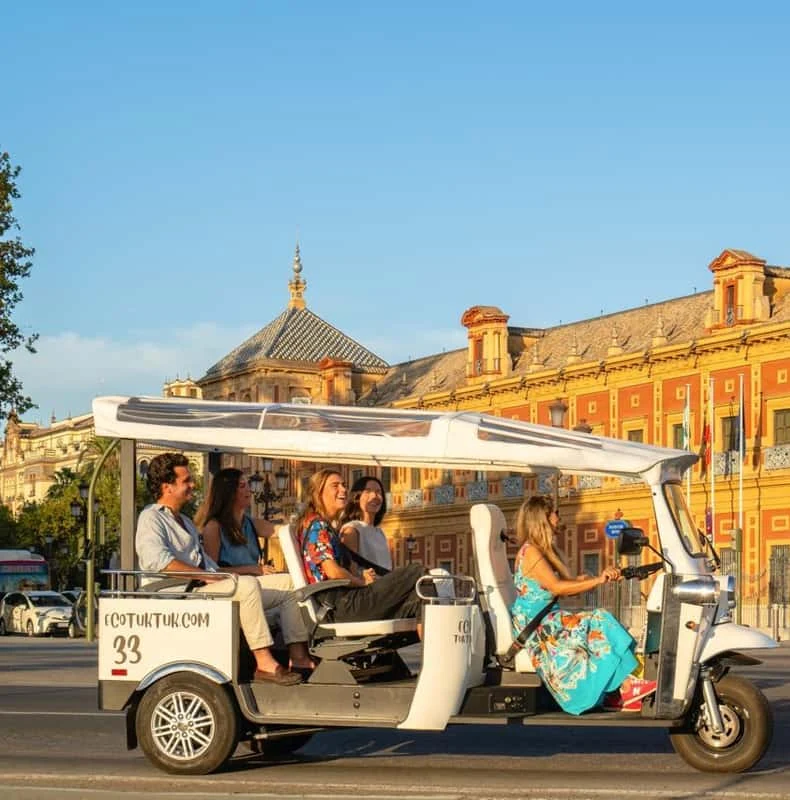
 Activity on TourBookGo
Private tuk tuk tour in Seville: panoramic Eco Tuk Tuk ride
Book a private tuk tuk tour in Seville with a local guide. See Triana, Plaza de España, Torre del Oro and more in 1 - 2 hours.
The mistakes to avoid in Seville often begin with rushing. The city reveals itself slowly, in the golden reflection of the Guadalquivir, in the scent of orange blossom as spring begins to unfold, and in that blend of elegance, noise, shade and street life that makes it seem forever on the verge of song.
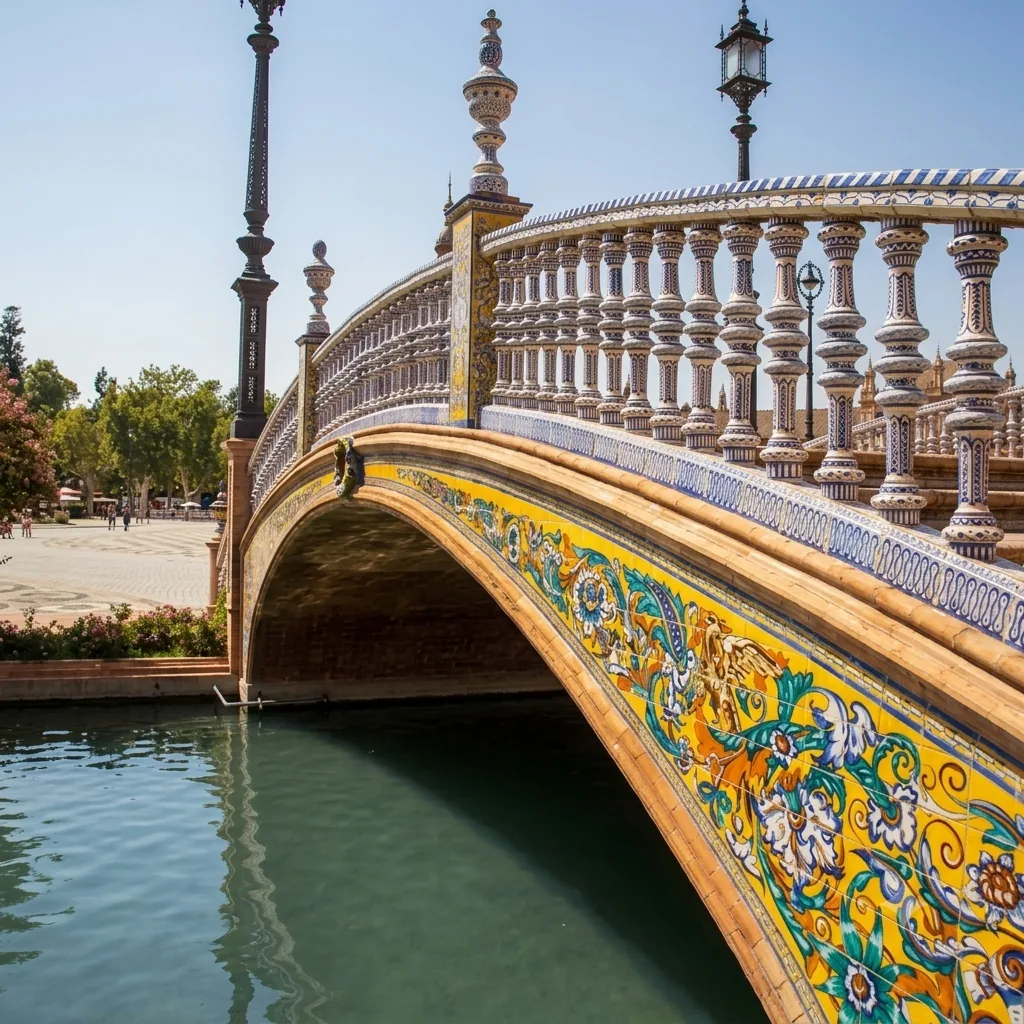
Seville is absolutely worth visiting, but it is best approached with one clear idea in mind: it is not a stage set. It is a living city, proud, intense and sometimes uncomfortable. These Seville travel tips will help you avoid the most common mistakes and enjoy the city more thoughtfully.
Compare locations and options to find a base that suits your trip. Booking.com confirms current availability and pricing.
Find accommodation on BookingOne of the most common mistakes when visiting Seville for the first time is arriving as if ticking off a box: Cathedral, Giralda, Alcázar, Plaza de España and not much else. Yes, those places matter, but Seville needs time to slow you down.
The city is best understood at sunset, when the façades turn honey-coloured; early in the morning, before the streets of the centre fill up; or in an unassuming tavern where the waiter is in no hurry to explain the menu.
For a first visit, two full days allow you to see the essentials with a certain calm. Three or four days are far more rewarding if you want to include Triana, the Macarena, museums, patios, markets and walks without constantly watching the clock.
Seville can be gentle in winter and luminous in spring, but in summer the heat is not a detail: it shapes daily life. Walking in full sun at three in the afternoon can turn a beautiful day into a test of endurance.
The mistake is not visiting Seville in summer, but behaving as if you were in a northern European city. In the hottest months, it is best to get up early, book the main visits for the morning, take your time over lunch and leave the middle hours of the day for resting, going into a museum, returning to your accommodation or finding real shade, not just a narrow street with a little relief.
Anyone travelling with children, older people or with a low tolerance for heat should think carefully before choosing July or August.
The Cathedral, the Giralda and the Real Alcázar concentrate much of Seville’s tourist appeal. Arriving without a booking in high season can mean long queues, inconvenient time slots or simply missing out on the visit you wanted.
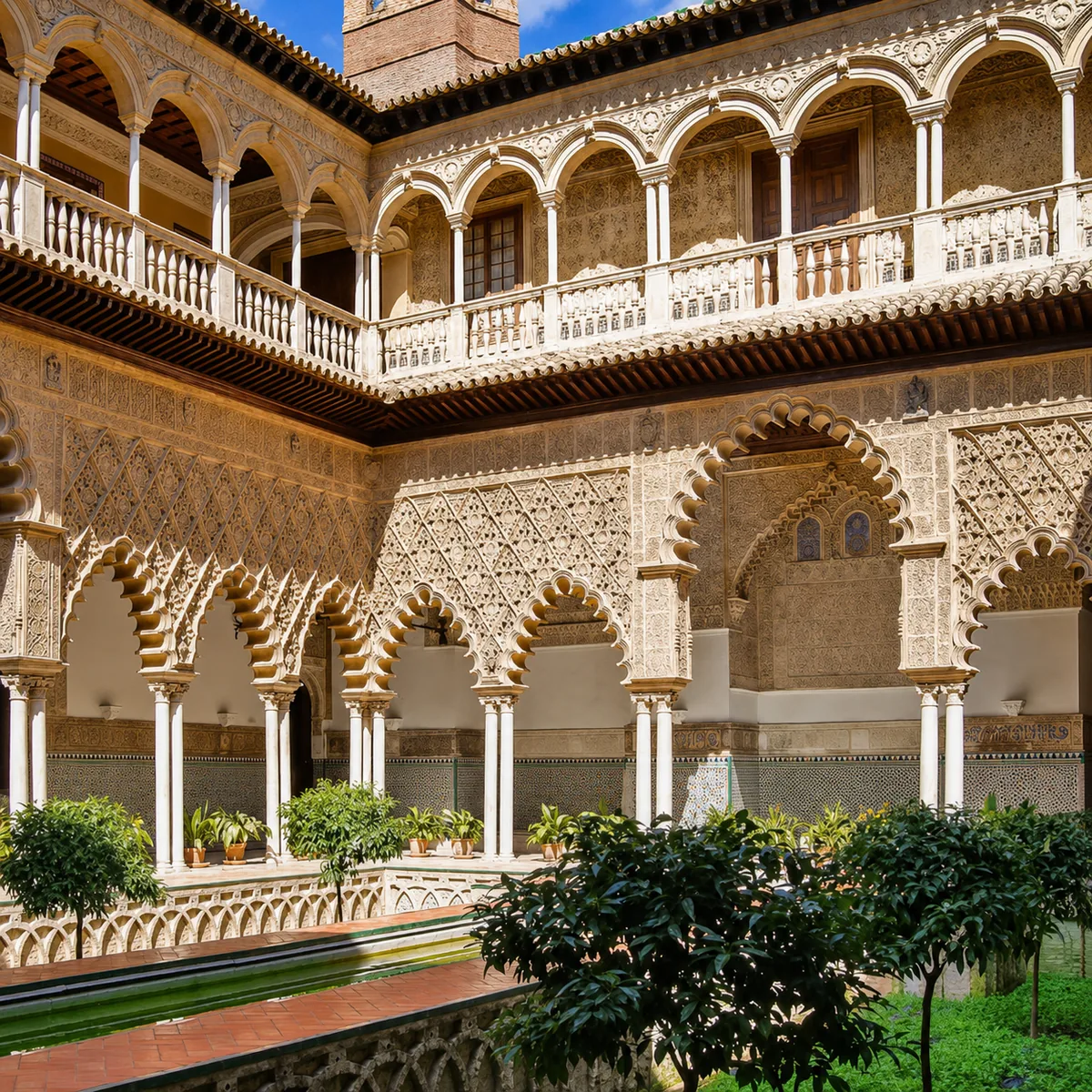
The Alcázar, in particular, deserves to be seen without rushing. It is not just a monument to photograph: it is a labyrinth of plasterwork, patios, gardens, water and shade where the layering of cultures and centuries can be felt. Going in with too little time means wasting part of its beauty.
Holy Week and the April Fair completely change the rhythm of the city. The April Fair is held one or two weeks after Holy Week, according to the provincial tourist information, and transforms accommodation, mobility and atmosphere.
Staying in the historic centre can be convenient, but it is not always the best decision. Some streets are beautiful by day and noisy by night. Others are close to everything, but fill up with groups, terraces and constant movement.
Santa Cruz is highly photogenic, although it can feel touristy and expensive. El Arenal is practical for a first visit. Triana offers more neighbourhood life and a different relationship with the river, although not everything will be on your doorstep. Alameda may appeal to those looking for a younger atmosphere, bars and movement, but it will not be ideal for anyone seeking absolute silence.
The mistake is choosing accommodation based only on its distance from the Giralda. In Seville, the experience changes enormously depending on the exact street.
Seville is a wonderful city for eating, but it is also one where travellers can easily end up in places designed more for quick turnover than lasting memories. Not every terrace with a view is worth it. Not every menu with photos is a bad sign, but it is wise to be wary when everything seems designed to make you walk in without thinking.
The best places usually appear once you move slightly away from the most obvious spots. Look for bars with local conversation, short menus, recognisable ingredients and a natural flow of customers. A tapa does not need to dress itself up as a spectacle: well-made spinach with chickpeas, an honest montadito, fresh salmorejo or decent fried fish can say more about Seville than an expensive dinner in a soulless restaurant.
Flamenco is part of Andalusian cultural identity, but not everything sold as flamenco conveys the same depth. Some shows are carefully put together; others are too geared towards fast tourist consumption.
The mistake is thinking it is enough to walk into any tablao advertised in a busy area. If flamenco genuinely interests you, it is worth choosing carefully, checking what kind of performance is being offered and understanding that the flashiest option is not always the most moving.
It is also worth entering with respect: flamenco is not background music for talking loudly, getting up constantly or recording everything on your phone.
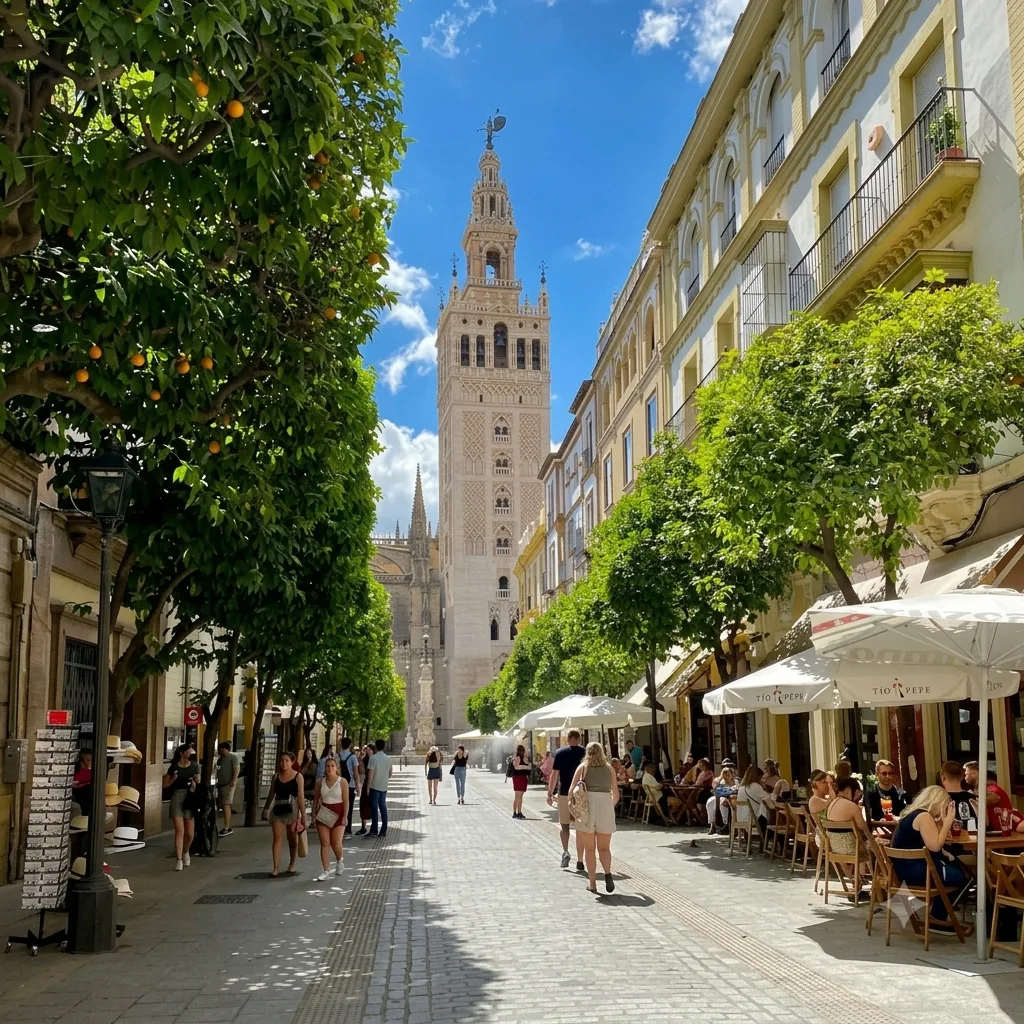
Seville is a much more pleasant city on foot than by car. The centre has narrow streets, restricted traffic, difficult parking and areas where driving can feel more like a burden than an advantage.
For a city break, a car is usually unnecessary. Walking, using public transport, taking the occasional taxi or cycling may be far more convenient. During major events such as the April Fair, the City Council activates special mobility plans and recommends relying on municipal resources and organised transport.
If you plan to visit villages, beaches or natural areas outside the city, then a car may make sense. For Seville city itself, usually not.
Plaza de España is monumental, theatrical and beautiful, especially when the light falls at an angle across the brickwork, tiles and canal. But seeing it only as a backdrop for a photograph diminishes the experience.
It is worth walking around it slowly, paying attention to the ceramic benches, noticing how the sound changes beneath the galleries and then continuing through María Luisa Park. The mistake is arriving, posing and leaving without understanding that one of its greatest charms lies in the walk, not just the image.
That said, it can be very crowded at peak times. Anyone looking for calm should go early or towards the end of the afternoon.
Seville is sociable, expressive and hospitable, but closeness should not be confused with endless availability. Sevillians may be friendly, joking and talkative, but they also live in a city under considerable pressure from tourism.
A frequent mistake is treating neighbourhoods like stage sets: photographing people without asking permission, blocking narrow streets, speaking loudly at night, entering churches during services as if they were simply monuments, or demanding explanations from anyone because they “look local”.
The best way to relate to people is simple: say hello, ask politely, do not mock the accent, respect local rhythms and accept that not everything is designed for visitors. In busy bars, it is best to be clear when ordering and patient when paying. During Holy Week, if you do not know how the processions work, observe before moving: for many people, it is not a tourist show but a deeply felt experience.
Triana has a strong personality: ceramics, market, bars, maritime memory, devotion, flamenco, patios and an intimate relationship with the Guadalquivir. But it has also changed a great deal, and some areas have become more touristy.
The mistake is crossing the bridge, taking two photos and going back. Triana asks to be walked without a rigid checklist: go into its market, look at the tiles, stroll along Betis while being careful not to remain only with the postcard view, drift into less obvious streets and understand that here Seville tells its story in another accent.
Spring can be wonderful, with soft light, the scent of orange blossom and a festive atmosphere, but it also brings high prices, high occupancy and heavy demand. Holy Week offers a powerful cultural experience, although it is not comfortable for everyone: closed streets, crowds, route changes and a city emotionally absorbed by its processions.
The April Fair has a beauty of its own, but it can disappoint anyone imagining a completely open festival. Many casetas are private, and part of the local experience takes place in spaces that are not always easy to access. Official tourist information presents the Fair as one of the city’s most emblematic celebrations, but travellers should know that experiencing it like a Sevillian is not always straightforward.
Autumn is often an excellent alternative: less extreme than summer and less crowded than some moments in spring. Winter, apart from specific dates, can be a very pleasant time for anyone seeking a quieter Seville.
The Giralda, the Alcázar and the Cathedral justify the trip, but Seville does not end there. There is another city in its markets, small churches, hidden patios, riverside, the Macarena, San Luis, and in bars whose décor does not try to be “authentic” because it simply is.
The final mistake is looking for a Seville that is summarised, easy and decorative. The city is more interesting when it is accepted whole: luminous and hot, elegant and chaotic, proud and hospitable, touristy and deeply local.
Seville is worth it if you are willing to walk without devouring it, to look without invading, to eat without falling into the first trap and to understand that its beauty does not always reveal itself to the fastest traveller, but to the one who knows how to stay a little longer.
Plan your visit to Seville more effectively with selected experiences that simplify the logistics and help you make the most of your time.
Activity on TourBookGoBook a private tuk tuk tour in Seville with a local guide. See Triana, Plaza de España, Torre del Oro and more in 1 - 2 hours.
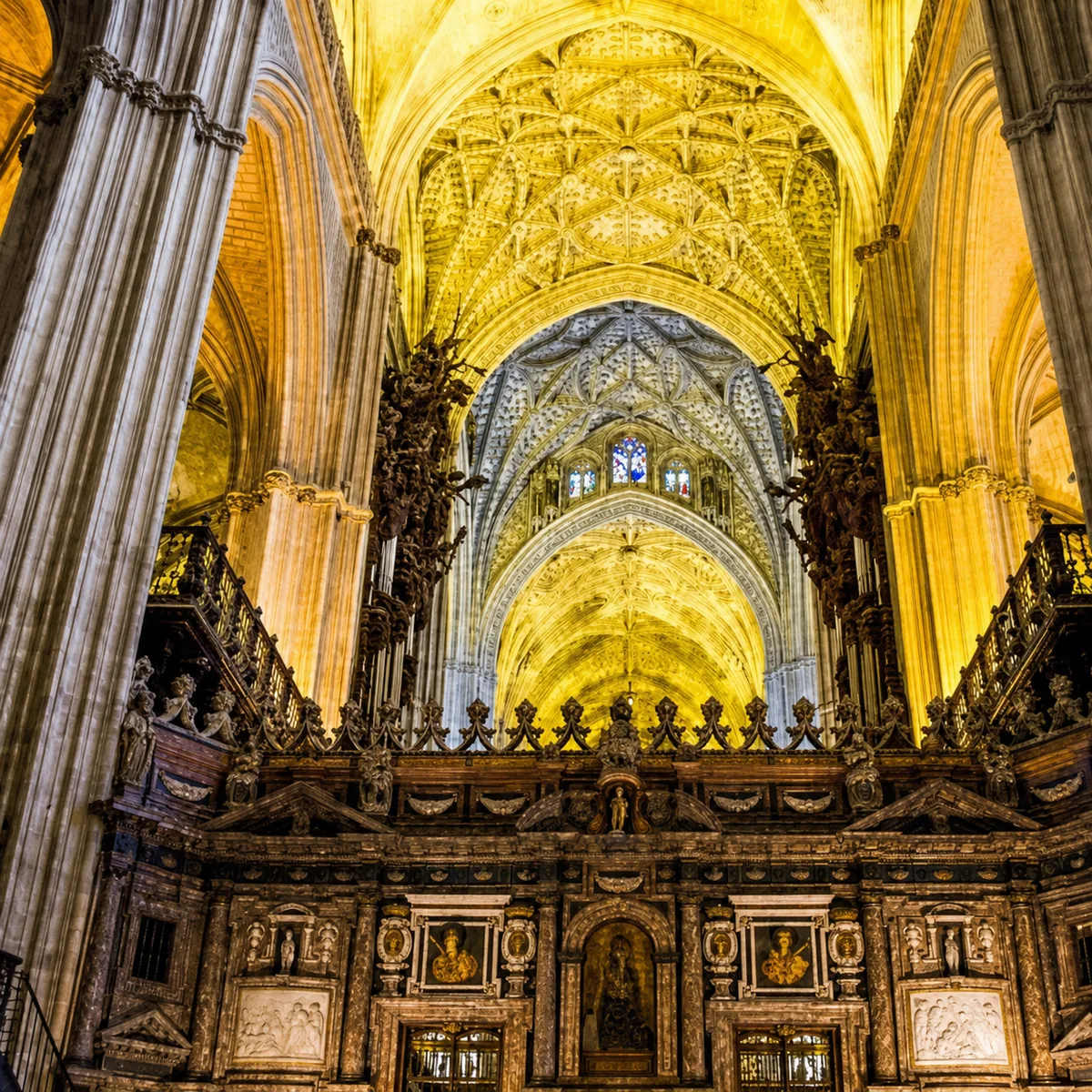 Activity on TourBookGo
Book your Seville Cathedral and La Giralda ticket with skip-the-ticket-line entry, tower access and an optional multilingual audio guide.
 Activity on TourBookGo
Book your Real Alcázar Seville ticket and explore its palaces, courtyards and gardens independently, with Puerta del León access arranged in advance.