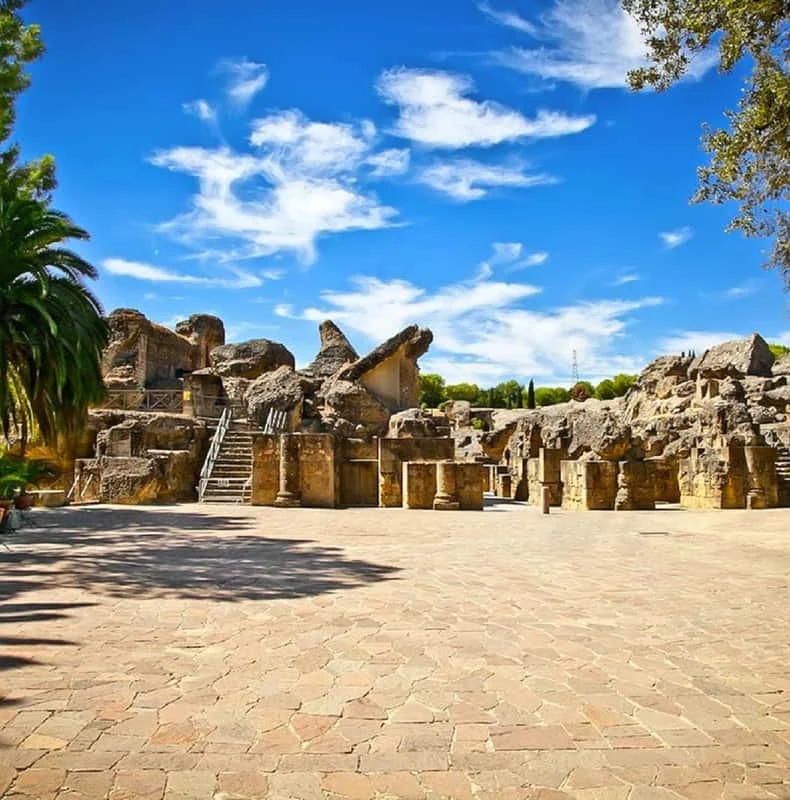
 Activity on TourBookGo
Roman Italica Tour in Seville with admission included
Book a Roman Italica tour in Seville with local guide, admission included and skip-the-ticket-line access. See the amphitheatre, domus houses and mosaics from EUR 16.
Safety in Seville is usually straightforward for travelers who use common sense: lively streets, sunlit squares, busy terraces, and historic corners best enjoyed with a little awareness.
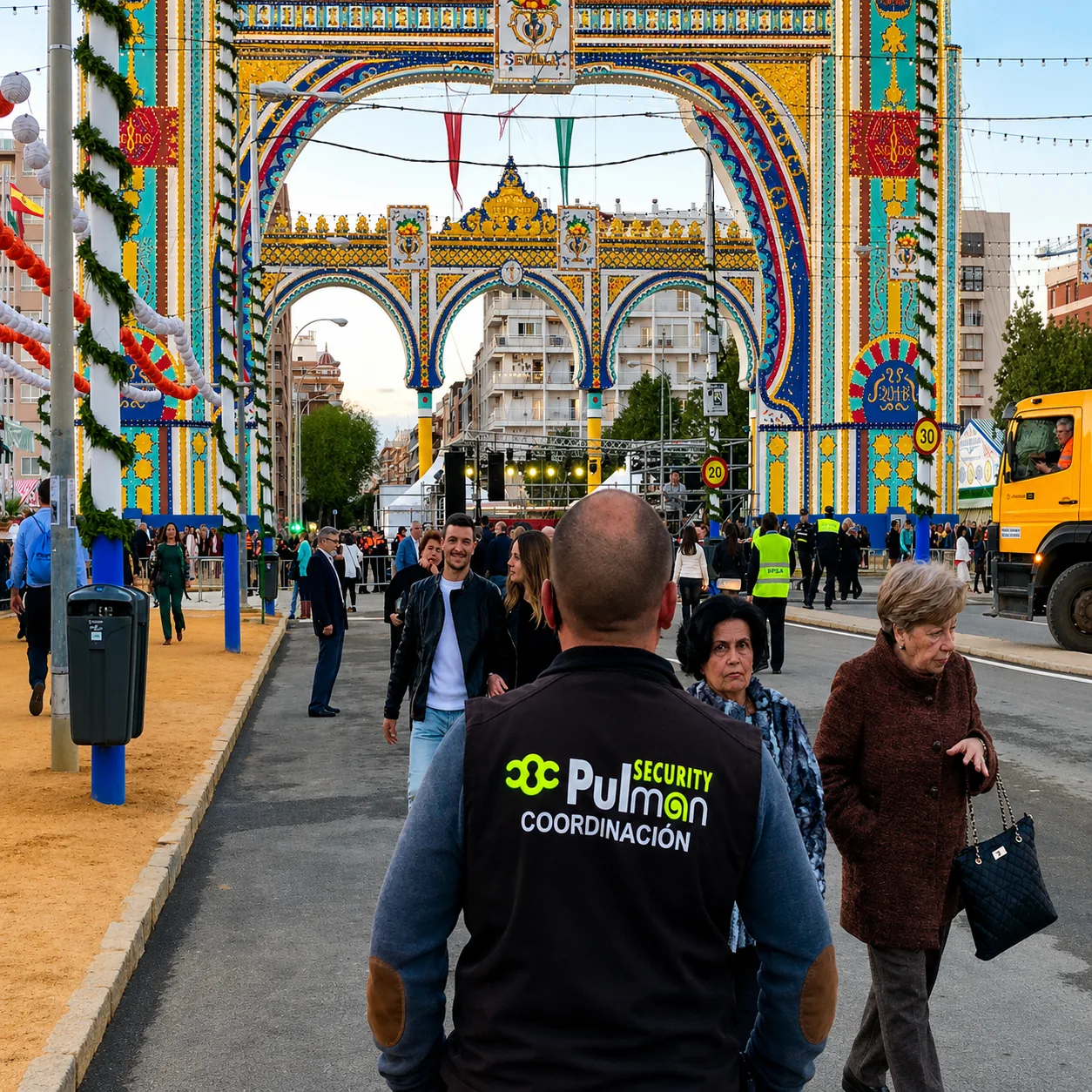
Safety in Seville is good for most travelers. It is a pleasant city for walking, sightseeing, and going out for dinner, but like other popular destinations it calls for basic attention to petty theft, pickpockets, and careless moments in crowded areas. Around the Cathedral, the Alcázar, Santa Cruz, Triana, stations, busy terraces, and events, the key is to protect bags, phones, and wallets, avoid leaving belongings on tables, and carry only the cash you need for the day.
Compare locations and options to find a base that suits your trip. Booking.com confirms current availability and pricing.
Find accommodation on BookingSeville has a warm way of welcoming travelers. Life spills out into the street: families strolling, waiters crossing squares with trays, students on bicycles, locals going out to buy bread, and tourists looking up in search of a tower, a bell gable, or a balcony covered in geraniums.
That public life creates a feeling of company. In many areas of the center, even at night, there is movement, open bars, and well-lit streets. But confidence should not be confused with carelessness. A traveler who leaves a phone on a terrace table, carries an open backpack in a queue, or keeps a wallet in a back pocket becomes an easy target.
The most common problem is usually not mugging, but silent theft: a distraction on a terrace, a slight bump in a crowded street, a poorly closed backpack in a line, or a bag hanging from the back of a chair.
For a first visit, the most convenient and common areas are the historic center, Santa Cruz, El Arenal, the area around the Cathedral, Alameda, Triana by the river, and the surroundings of Plaza de España and María Luisa Park. These are busy areas, with services, accommodation, restaurants, and a constant presence of both travelers and residents.
That does not mean they are free from petty theft. In fact, the more touristy an area is, the more likely it is to attract pickpockets looking for careless moments. The Cathedral, the Alcázar, La Giralda, Plaza de España, Calle Sierpes, Avenida de la Constitución, the riverfront, and bar areas may require extra vigilance, not because they are dangerous, but because they concentrate large numbers of people.
Triana, for example, is a beautiful area to cross into at sunset, have dinner, or stroll along Calle Betis. But at night it is wise to apply the usual urban logic: keep an eye on your belongings, avoid overly quiet streets if you do not know the neighborhood, and do not let your guard down after drinking.
Talking about “dangerous areas” in a travel guide can be unfair if it is oversimplified. Seville, like any large city, has neighborhoods with very different social realities, and many of them are not part of the usual visitor itinerary.
For the average traveler, the most useful advice is not to memorize a list of neighborhoods, but to use common sense: avoid unfamiliar peripheral areas at night, do not wander without reason into residential zones far from the tourist circuit, use a taxi or ride-hailing service if returning late to accommodation in an outlying area, and ask at the hotel whether a specific route is advisable on foot.
Most people visiting Seville will move around the center, Triana, Santa Cruz, Macarena, San Bernardo, Nervión, Los Remedios, or the area around the park. In these areas, normal caution is usually enough.
Seville at night can be one of the most beautiful experiences of the trip. The city changes temperature and rhythm. Facades turn amber, squares breathe, terraces fill up, and the river reflects the lights as if the city were lowering its voice.
In the center, El Arenal, Triana, Alameda, or Santa Cruz, walking at night is usually pleasant when there is atmosphere. Even so, some streets in the old town are narrow, quiet, and maze-like. They are not necessarily unsafe, but they can feel uncomfortable for someone traveling alone or who does not have a good sense of direction.
The simple rule: if a street is empty, poorly lit, or makes you feel uncomfortable, look for a busier route. Seville invites you to get lost, but there is no need to lose your judgment.
Seville is usually a reasonably comfortable city for women traveling alone. There is life on the street, a good range of centrally located accommodation, and many areas where you can have dinner or a drink without feeling out of place.
Even so, it is worth taking the usual precautions you would in any city: choose well-connected accommodation, avoid walking back very late through empty streets, keep an eye on your drink, use transport if you are far from the center, and do not give too much personal information to strangers who are overly insistent.
Seville’s social atmosphere is open, sometimes very talkative, and that can feel charming or intrusive depending on the moment. There is no obligation to continue a conversation, accept spontaneous invitations, or justify a “no.”
For families, Seville is quite rewarding. It has squares, parks, pedestrian streets, ice cream shops, riverside walks, and monuments capable of fascinating curious children. Plaza de España and María Luisa Park usually work very well for them.
The challenge is not so much safety as heat, walking distances, and crowds. In summer, especially during the middle hours of the day, Seville can be tough for young children. Tiredness and dehydration arrive sooner than expected. It is also important to stay alert in areas with horse-drawn carriages, bicycles, trams, scooters, and heavy pedestrian movement.
For family travel, it is better to stay in a central, convenient area, plan breaks, and avoid turning each day into a race from one monument to the next.
Travelers should pay special attention in queues, terraces, transport, shopping areas, very crowded streets, and around major monuments. The basic tips are simple, but they work:
Keep your bag closed and in front of you in crowded areas. Do not keep your wallet or phone in back pockets. Do not leave your phone on the table while eating. Do not hang your bag from the back of a chair. On busy terraces, place your backpack between your feet or on your lap.
It is also wise to be wary of overly theatrical distractions: someone who “accidentally” stains you, a person asking for signatures, an overly friendly stranger, a shove in a crowd, or a conversation that begins just when you lose sight of your things.
Safety in Seville depends quite a lot on the calendar. Holy Week, the April Fair, long weekends, spring weekends, and major events fill the city with people. The experience can be exciting, but also more intense, expensive, and tiring.
During Holy Week, some streets in the center are blocked, there are crowds, long waits, and slow movement. For those who love tradition, it can be unforgettable. For those who struggle with crowds, it can feel overwhelming.
The April Fair has a different rhythm: more festive, more nocturnal, more expansive. It is worth being clear about how you will return to your accommodation, avoiding excess alcohol, and taking particular care of belongings and phones. It is not an unsafe experience by definition, but it is one where carelessness is more easily punished.
If you lose documents, suffer a theft, or need help, the best thing to do is contact the police, inform your accommodation, and block cards or devices as soon as possible. For emergencies in Spain and the European Union, the general number is 112, free of charge and available for urgent situations.
If your passport or national ID card is stolen, you will need a police report and contact with your consulate or embassy if you are a foreign visitor. If the problem is a bank card, block it immediately through the app or by calling your bank. In the case of a stolen phone, try to locate it, block it, and change sensitive passwords.
The first mistake is thinking that because Seville is bright and joyful, it requires no precautions at all. The city is hospitable, but not magical. The second is staying too far away to save a little money and then ending up dependent on taxis or uncomfortable walks at night. The third is underestimating the heat: in summer, safety also means not getting dehydrated, not walking in the sun without breaks, and not pushing your body too hard.
Another common mistake is moving through the center while looking only at your phone. Seville deserves an upward glance, but it is also wise to know what is happening around you. In crowded streets, a map in your hand and an open backpack are not a good combination.
Yes, Seville is worth it for most travelers, including from a safety point of view. It is a manageable, walkable city with plenty of atmosphere and solid tourist infrastructure. Those who travel with normal precautions will probably enjoy it without incident.
It is especially worthwhile for those seeking history, gastronomy, architecture, local life, urban walks, and a city with a character all its own. It may not be the best option for those who struggle with extreme heat, crowds, or very touristy historic centers in high season.
Seville does not need to be idealized to be beautiful. Its beauty lies precisely in that mixture of splendor and disorder, of cool patios and hot avenues, of sublime monuments and noisy bars, of soft nights and streets where it is worth keeping your bag properly closed. Traveling safely here does not mean traveling in fear. It means walking with enough awareness for the city to do what it does best: stay in your memory.
Enjoy Seville through selected, well-organised experiences that help you explore the city with greater peace of mind.
Activity on TourBookGoBook a Roman Italica tour in Seville with local guide, admission included and skip-the-ticket-line access. See the amphitheatre, domus houses and mosaics from EUR 16.
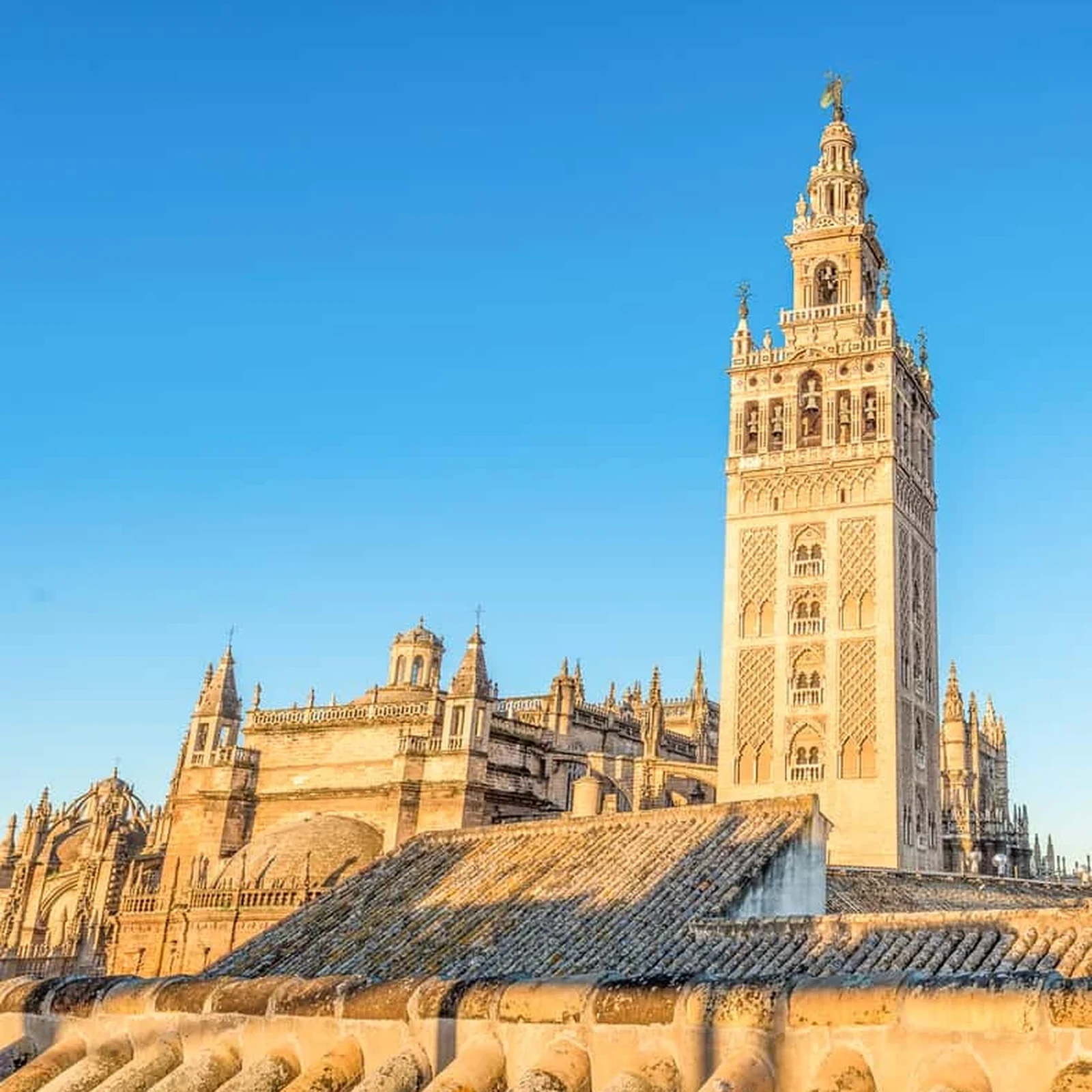 Activity on TourBookGo
Book a Seville Cathedral and Giralda guided tour with skip-the-ticket-line entry, a live guide and a 1.5-hour route through two Seville icons.
 Activity on TourBookGo
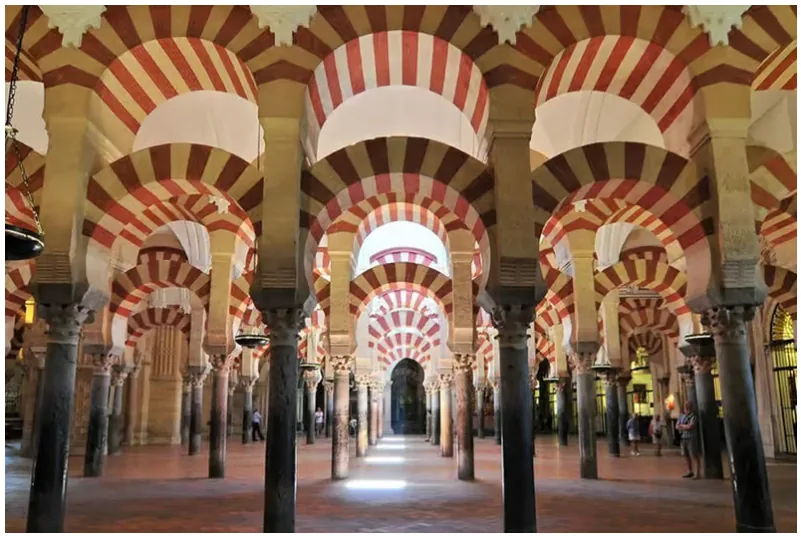
Book a Córdoba and Mosque-Cathedral day trip from Seville with transport, guide, Jewish Quarter, Carmona stop and optional admission included.