 Activity on TourBookGo
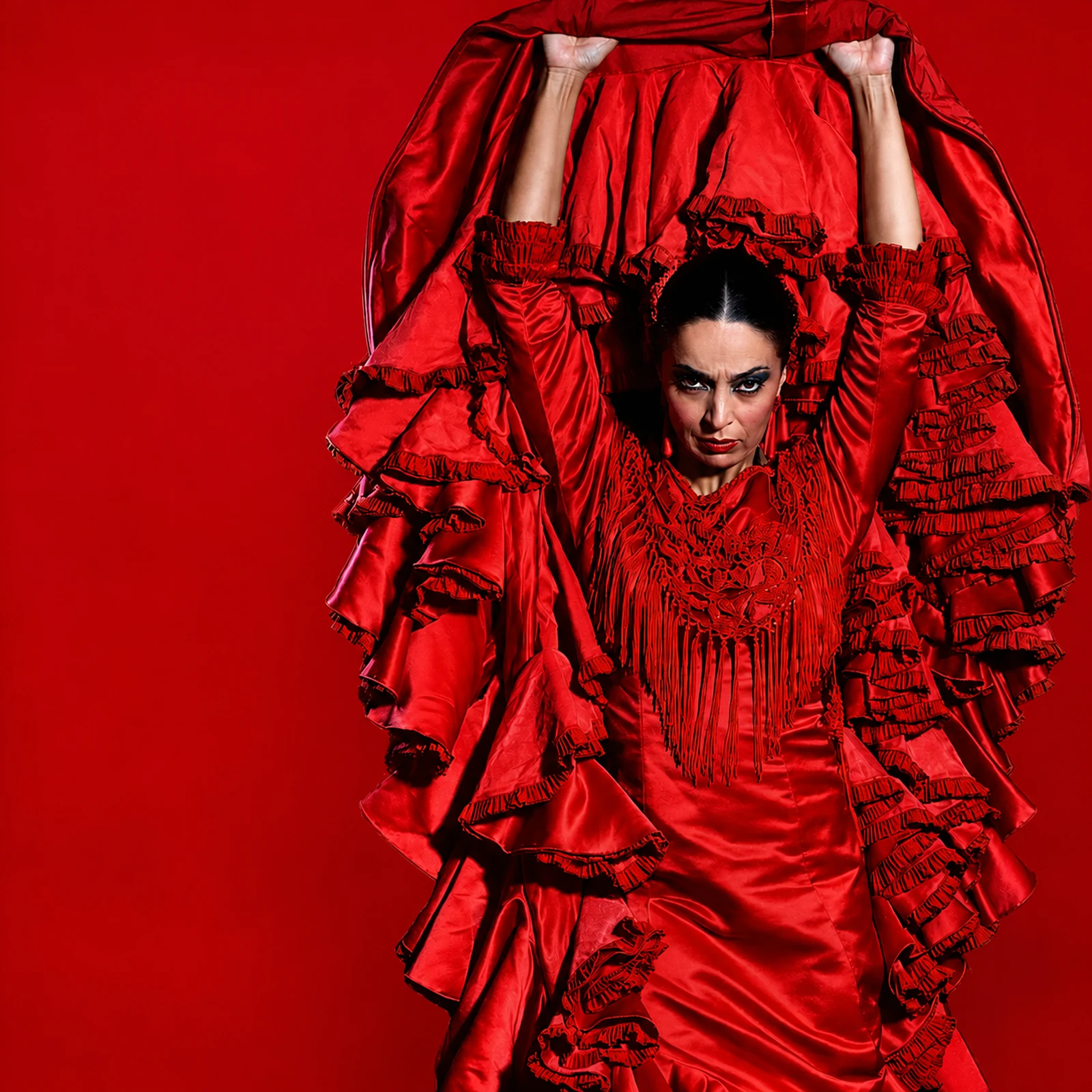
Flamenco show in Seville at Teatro Flamenco Sevilla
Book a 1-hour flamenco show in Seville at Teatro Flamenco Sevilla, with live dance, singing, guitar and organized entry.
This Seville itinerary helps you shape your days with balance: monuments, neighbourhoods, river views, tapas and slow moments to feel the city.
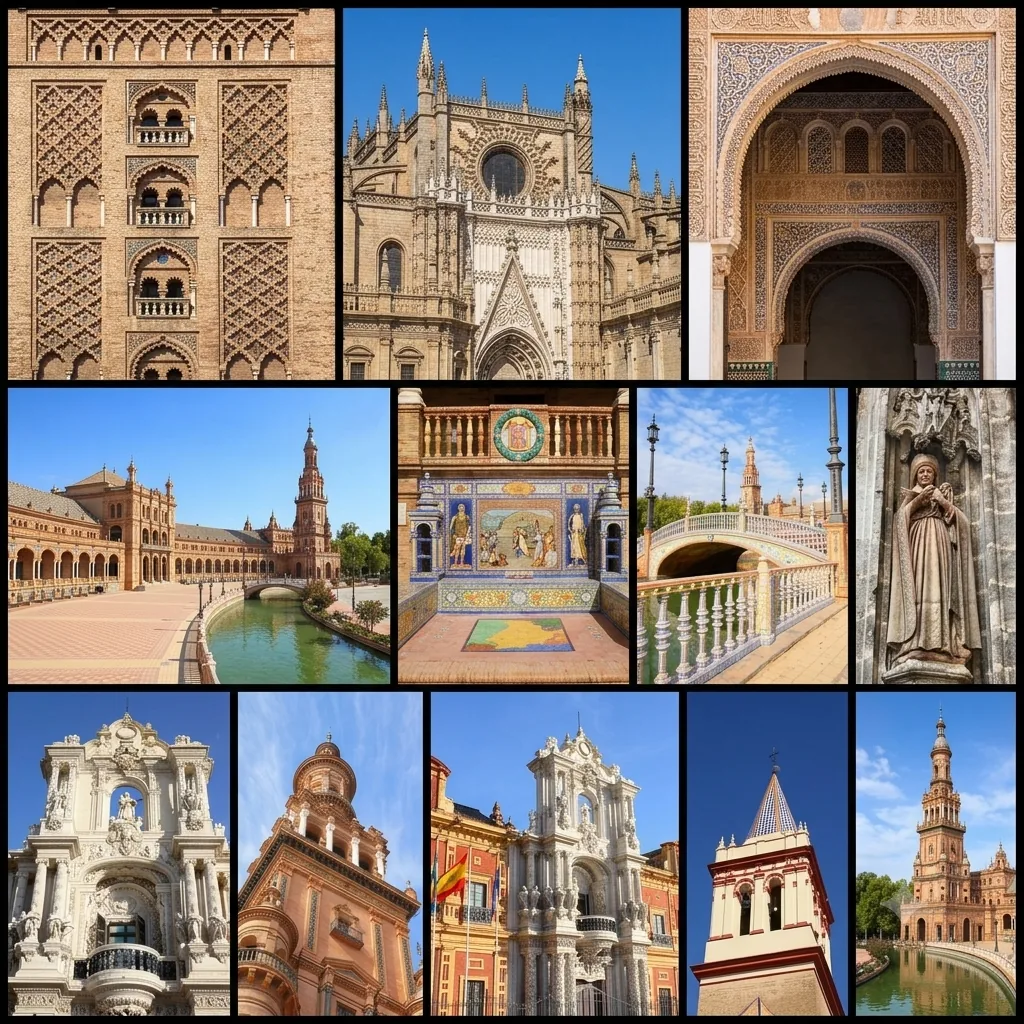
A good Seville itinerary is not about rushing from monument to monument, but about mixing the city’s great icons with time to listen, breathe and look slowly. You hear Seville in the echo of a guitar behind a shutter, smell it in the orange blossom as spring breaks through, and feel it in the warm stone of its squares at dusk. It is bright, theatrical, proud of itself, but also intense: it can be stifling in summer, very crowded during Holy Week and the Feria, and demanding if you try to cover too much in too little time. The key to enjoying Seville is planning your days well, alternating the Cathedral, Alcázar and Plaza de España with lively neighbourhoods, quiet patios, the Guadalquivir riverbanks and moments without a map. Because Seville rewards travellers who know how to look slowly.
Compare locations and options to find a base that suits your trip. Booking.com confirms current availability and pricing.
Find accommodation on BookingFor a first visit, two or three days is a very reasonable amount of time. In that time, you can explore the historic centre, go inside its main monuments, stroll through Triana and savour the city without turning the trip into a list of obligations.
With just one day, Seville leaves a powerful but incomplete impression. You will see the essentials, yes, but you will have to choose and give things up. With a week, however, the city becomes more intimate: markets, less obvious neighbourhoods, nearby day trips and those sunsets that do not fit into any rigid itinerary begin to appear.
If you only have one day in Seville, start with its monumental heart. Seville Cathedral and the Giralda contain much of the city’s historic grandeur. The visit can take time, especially in high season, so it is worth booking in advance whenever possible.
Afterwards, head into the Santa Cruz neighbourhood, with its whitewashed lanes, hidden patios, flower-filled railings and small squares where shade feels like a gift. It is a beautiful area, but also a very touristy one. The best way to enjoy it is to move a little away from the busiest streets and let the neighbourhood breathe.
Avoid eating right in front of the major monuments if you are looking for a more authentic experience. Seville is a great city for food, but some places are designed more for visitors passing through quickly than for the pleasure of sitting down. Look for a lively bar, seasonal dishes, salmorejo, spinach with chickpeas, fried fish or a simple tapa done well.
The Real Alcázar deserves an unhurried visit. Its halls, courtyards and gardens bring together history, water, ceramics, greenery and silence. It is one of Seville’s most beautiful places, but it can lose some of its magic if visited in a hurry or at the busiest times of day.
Afterwards, walk towards Plaza de España, which is especially beautiful in the late afternoon. It is monumental and theatrical, almost cinematic, but it can also be crowded. Even so, when the light drops and the towers are reflected in the canal, it is hard not to understand why so many travellers remember it.
End the day beside the Guadalquivir River, looking towards Triana. The city softens at night: façades light up, the heat eases and Seville becomes gentler. If you still have energy, cross the bridge and have dinner in Triana.
Devote the first day to the great landmarks: the Cathedral, the Giralda, the Real Alcázar, the Archivo de Indias from the outside or inside depending on your interest, Santa Cruz and Plaza de España. It is an intense day, so it is best not to add too much more.
The common mistake is wanting to include several museums, churches and outlying neighbourhoods as well. Seville looks compact on the map, but the heat, queues and meal breaks change the real pace of the trip.
Start the second day in Triana, on the other side of the river. It is not a backdrop: it is a neighbourhood with character, ceramic tradition, old-school bars and a very strong identity. Triana Market is a good starting point, although, as with many urban markets, it combines local life with a tourist presence.
Walk along Calle Betis, step into a ceramic shop and look back at Seville from the opposite bank. Then return towards the centre across the bridge and walk towards the Torre del Oro and the riverside promenade.
In the afternoon, you can choose between the Museum of Fine Arts, one of Spain’s major painting museums, or a more street-level route through Alameda de Hércules, San Lorenzo and the northern part of the old town. This part of Seville is less polished than Santa Cruz, but precisely for that reason it reveals another city: more everyday, more mixed, less photographed.
Set aside the first day for the essentials. The combination of the Cathedral, Giralda and Alcázar is reason enough for the trip, but it requires time. Between visits, leave room to sit down, have a drink and wander without turning the day into a race.
Santa Cruz is best early in the morning or after dusk, when its streets recover some of their mystery.
Begin at Plaza de España and continue through María Luisa Park, one of the city’s great green lungs. In spring it is especially pleasant; in the height of summer, even the shade can feel insufficient at certain times of day.
Then head down towards the river and cross into Triana. Eat there if you are looking for a more local atmosphere, although the best-known areas have also become more expensive and tourist-oriented. In the afternoon, stroll without rushing and wait for sunset beside the Guadalquivir.
The third day allows you to widen the focus. You can start at the Setas de Sevilla, a contemporary structure that divides opinion: some are fascinated by the contrast, while others find it an excessive intervention. From the top, however, it offers an interesting view of the city.
Then explore areas such as San Luis, Feria, Alameda, San Lorenzo or La Macarena. Here Seville becomes less monumental and more real. You will find churches, bars, traditional shops, slightly worn façades and squares where local life matters more than the postcard image.
If you are interested in flamenco, the evening of the third day can be a good time to attend a carefully chosen performance. It is worth avoiding overly aggressive commercial offerings and looking for places where the experience does not feel packaged for hurried groups.
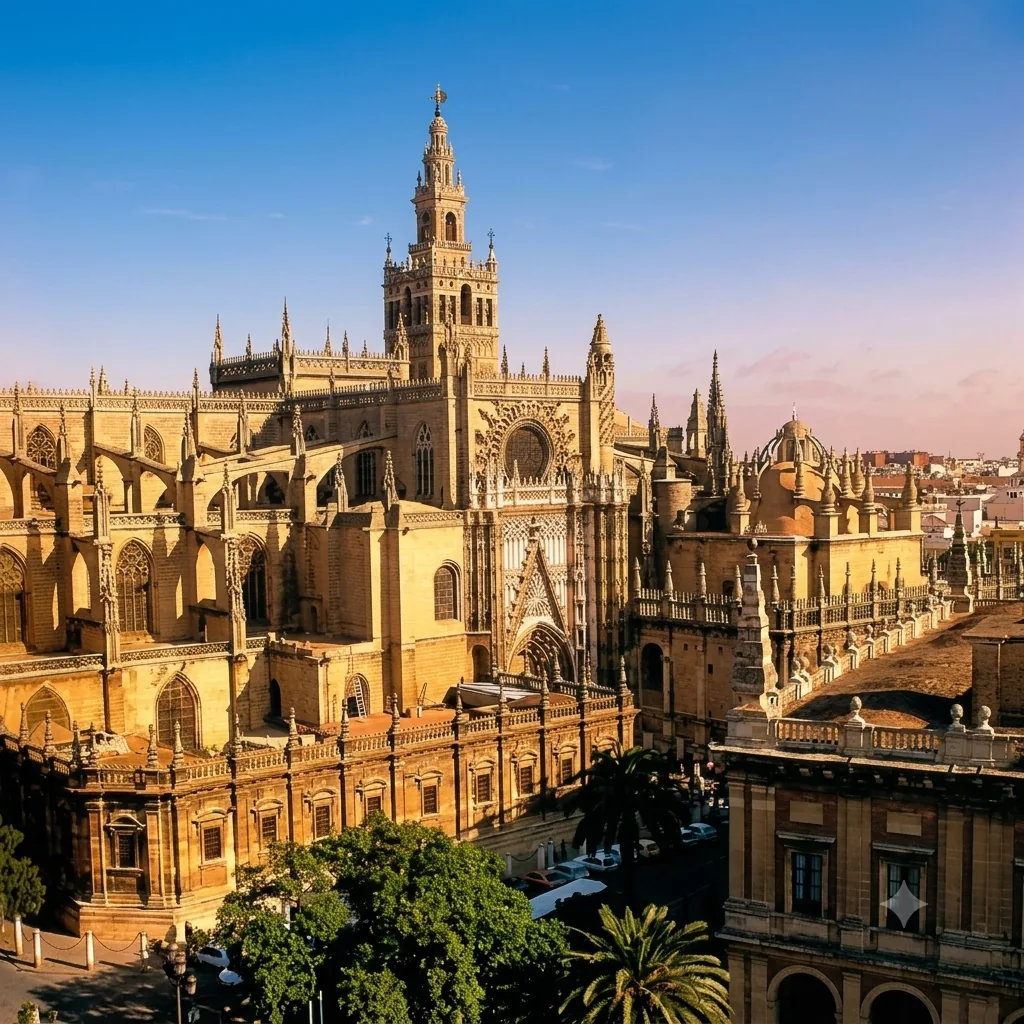
With a week in Seville, the trip changes texture. It is no longer just about seeing the city, but about living in it a little.
Spread the main monuments over three days: the Cathedral and Giralda on one day, the Alcázar on another, Plaza de España and Triana on another. This allows you to visit more calmly, choose better times of day and avoid cumulative fatigue.
Devote a day to the less obvious side of Seville: Feria, Alameda, San Luis, San Lorenzo and La Macarena. It is an ideal route for those who enjoy observing urban life, markets, neighbourhood churches and streets that do not always appear in brochures.
Visit the Museum of Fine Arts or a Sevillian palace if you are interested in historic architecture. Afterwards, leave the afternoon free. Seville needs pauses: a shaded terrace, a slow afternoon snack, a short walk as the sun goes down.
There are some very interesting day trips from Seville. Córdoba is one of the strongest options thanks to its Mosque-Cathedral, Jewish quarter and patios, although it deserves more than a rushed visit. Carmona, closer and quieter, offers a charming escape, wide views and a less demanding pace.
Save the last day for returning to whatever you liked most. Seville does not lend itself well to rushed farewells with a suitcase in hand. Go back to the river, to Triana, to a small square or to a silent church. Sometimes the best memory of the city is not its most famous monument, but a corner lit up by the evening light.
The most logical order for a first visit is to start with the monumental centre, continue to Plaza de España and the river, and leave Triana and the northern neighbourhoods for when you have already begun to understand the city a little. That way, the journey moves from iconic Seville to lived-in Seville.
It is also worth adapting the itinerary to the season. In summer, avoid the middle hours of the day and focus important visits in the morning. In spring and autumn, Seville is far more enjoyable on foot. During Holy Week and the Feria, the city has a unique energy, but also higher prices, high occupancy and very crowded streets.
The first mistake is underestimating the heat. Seville can be harsh in the warmer months, and an itinerary that looks perfect on paper can become exhausting under the sun.
The second is visiting the Alcázar, the Cathedral and Plaza de España as if they were simple photo stops. These are places to take in slowly.
The third is not booking ahead when the trip coincides with periods of high demand. And the fourth, perhaps the most common, is staying only in Santa Cruz and around the Cathedral. Seville begins there, but it does not end there.
Yes, Seville is absolutely worth it for those looking for history, urban beauty, gastronomy, walks, architecture and a very strong cultural identity. But it is not an easy city in every season or for every pace. It can be hot, touristy in its most famous areas and somewhat overwhelming if visited with expectations of a permanent postcard.
Those who arrive with time, curiosity and a desire to walk will find a memorable city. Those seeking absolute tranquillity, guaranteed mild temperatures or an experience without crowds should choose their dates carefully and avoid overloading the itinerary. Seville opens itself up to you, but it should not be forced.
Complete your Seville itinerary with selected experiences that fit naturally into one-day or multi-day routes.
Activity on TourBookGoBook a 1-hour flamenco show in Seville at Teatro Flamenco Sevilla, with live dance, singing, guitar and organized entry.
 Activity on TourBookGo
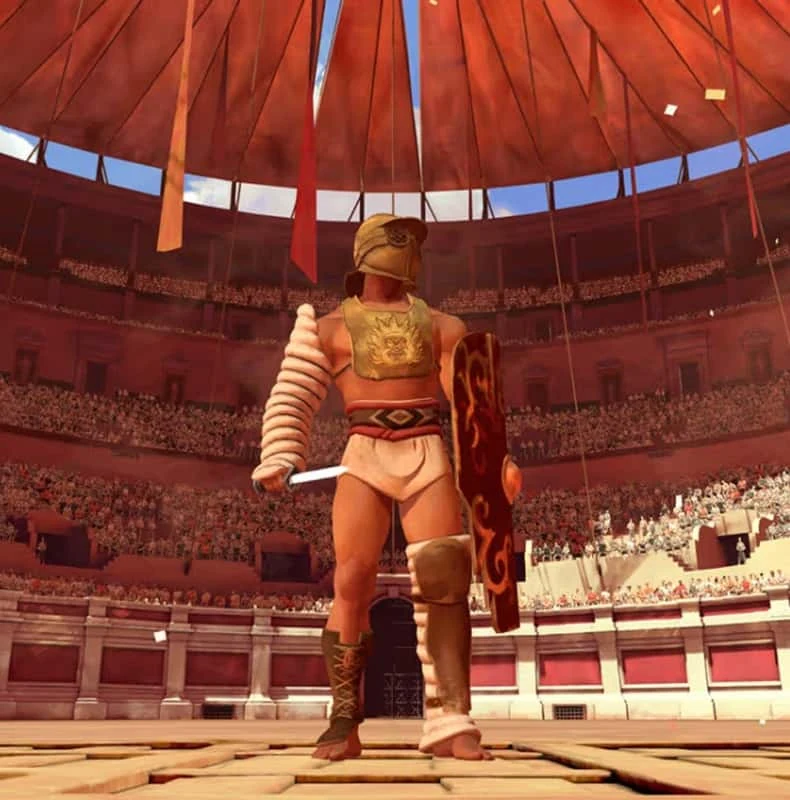
Book a Colosseum virtual reality experience in Seville and explore ancient Rome, gladiators and Roman spectacles with immersive historical narration.
 Activity on TourBookGo
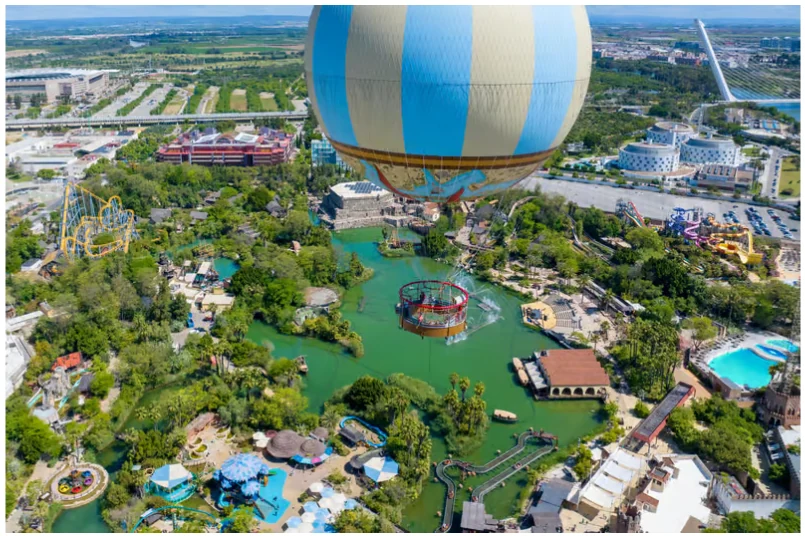
Book Isla Mágica Seville tickets with skip-the-ticket-office access and optional Agua Mágica for a family day of rides, shows and water fun.