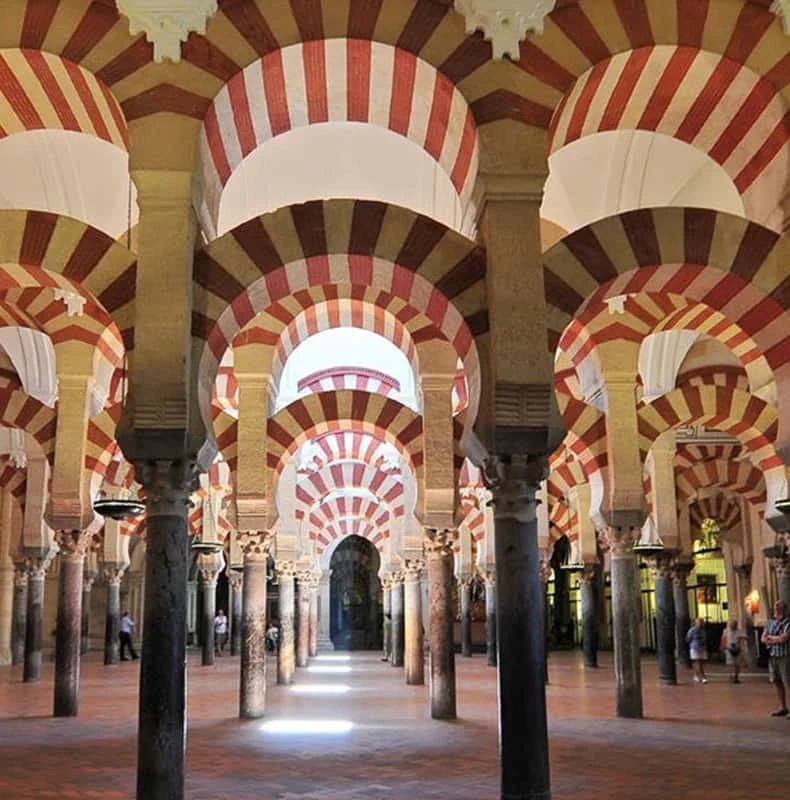
Seville is worth visiting, but not in the same way for every traveller. It is a city to enjoy by accepting its rhythm, light, heat, monuments and street life.
Seville is worth visiting, but it helps to understand the kind of trip it offers before you arrive. It is not a city to rush through, nor a place to seek constant silence. Seville is best enjoyed when you accept its rhythm: the golden light on its façades, the scent of orange blossom when spring arrives, the narrow streets that suddenly open onto a square, the murmur of a terrace at sunset, and that blend of historical grandeur and everyday life that does not seem manufactured for visitors.
It is a beautiful, intense, hot city, touristy in some corners and deeply authentic in others. It can win you over in just a few hours, but it can also be exhausting if you visit in the height of summer, arrive with too many expectations, or follow only the most obvious route.
Seville is best enjoyed slowly, on foot and by accepting its rhythm.
Spring and autumn usually offer the most pleasant version of the city.
Heat, crowds and very touristy areas can take away from its charm.
Booking.com
Accommodation in Seville
Compare locations and options to find a base that suits your trip. Booking.com confirms current availability and pricing.
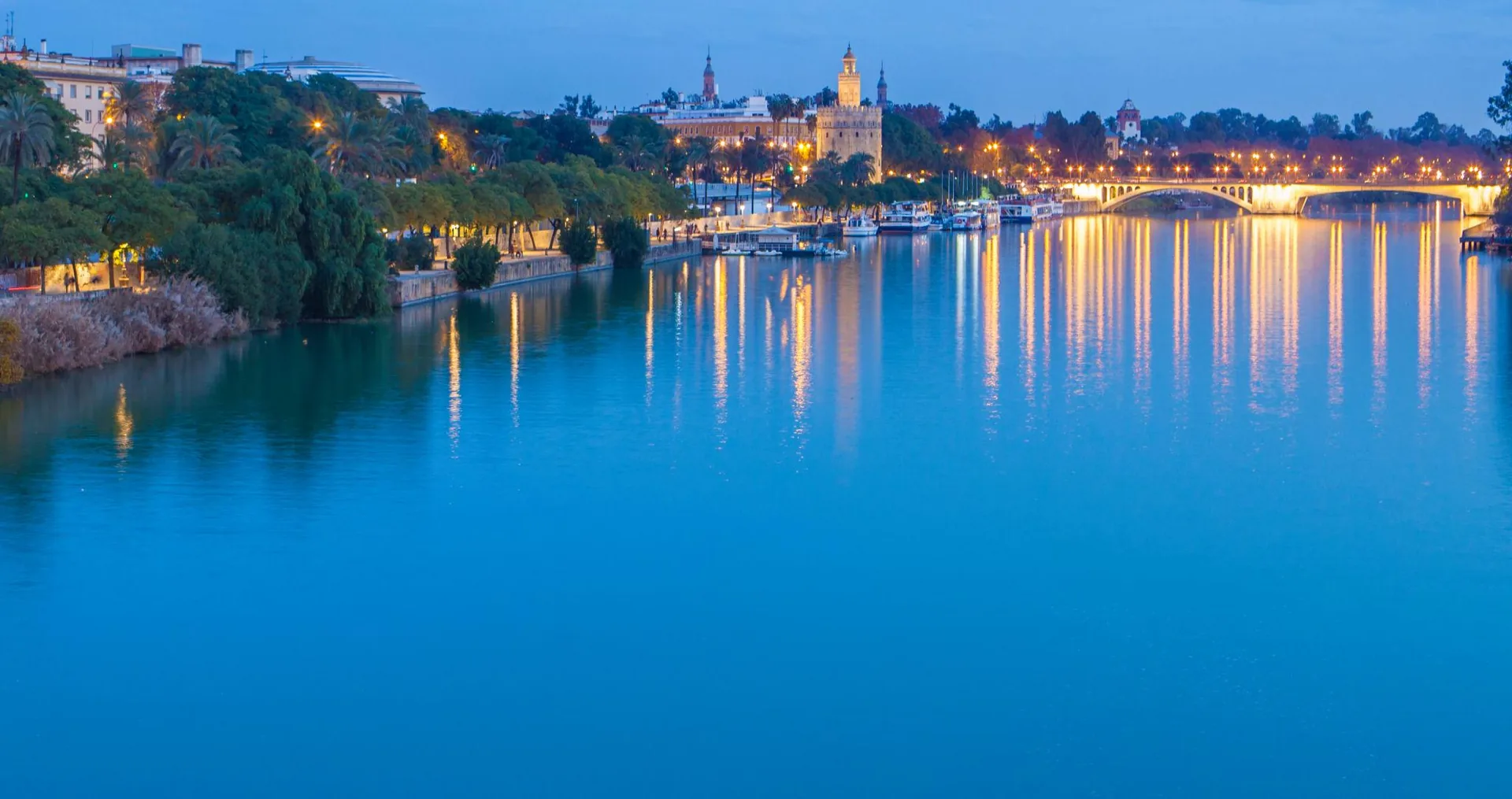
Seville has something few cities preserve so naturally: a clearly recognisable identity. It does not need grand explanations to feel different. It is there in its patios, in the shutters lowered during the hottest hours, in the echo of a guitar drifting out of a bar, in the reflections on the Guadalquivir, in the cool shade of the Cathedral and in the elegant presence of the Giralda.
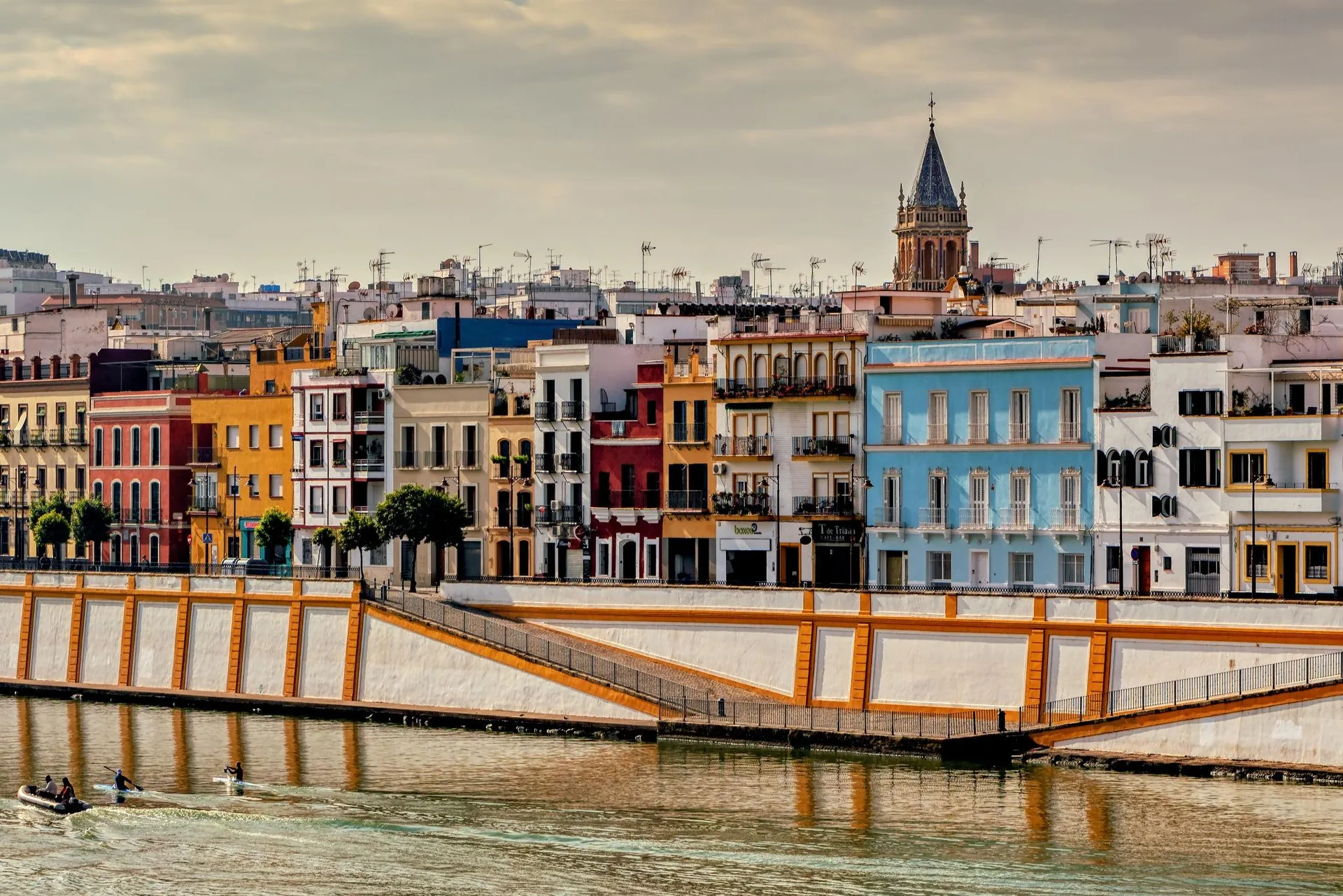
The city brings together extraordinary monuments, characterful neighbourhoods, simple and flavourful food, and a way of living outdoors that makes strolling an essential part of the trip. The Royal Alcázar, the Cathedral, the Santa Cruz quarter, Triana, Plaza de España and the riverbanks are enough to justify a cultural trip to Seville. But the best of the city usually appears between one place and the next: an unexpected street, an unpretentious tavern, a square where the afternoon slowly fades.
What makes Seville special
The most valuable thing about Seville is its atmosphere. Some beautiful cities are admired; Seville, by contrast, is felt. It has a very particular light, almost theatrical, which changes the colour of the walls at the end of the day. Its monuments are not mere cultural stops: they are part of a living city, where history coexists with children playing, locals having coffee and tourists trying to find their way under the sun.
It is also well worth visiting because of its scale. Although it is an important city, many of its most interesting areas can be explored on foot. This makes it possible to visit Seville for the first time without relying too much on transport, provided your accommodation is well chosen and the heat is not extreme.
Food is another strong reason to go. Seville does not require grand restaurants in order to eat well. A lively bar, well-made tapas, a chilled wine or a beer at dusk can become one of the best experiences of the trip.
What may disappoint
Seville also has its drawbacks. In high season, some parts of the centre can be very crowded, especially around the Cathedral, the Alcázar and the Santa Cruz quarter. There are streets where beauty mixes with repetitive shops, guided groups and terraces designed more for visitors than for locals.
The heat is another decisive factor. In summer, especially in July and August, the city can be tough. Walking during the middle of the day becomes uncomfortable and, for some people, simply inadvisable. Seville under very high temperatures is not experienced in the same way: at times, it is endured; you look for shade, air conditioning and long pauses.
It may also disappoint those expecting a quiet, orderly and silent city. Seville is expressive, sociable, noisy in certain areas and very much lived in the street. For some travellers, that is part of its charm; for others, it can be tiring.
In Seville, the heat and the time of day can completely change the travel experience.
Who Seville is worth visiting for
Seville is very much worth it for those who enjoy cities with history, architecture, food and local life. It is ideal for travellers who prefer to walk without an overly rigid plan, step into churches, patios or bars, sit in squares and let the city reveal itself little by little.
It is also a great choice for couples, cultural breaks, weekend trips and first visits to Andalusia. Those looking for a blend of monumental beauty and urban atmosphere will find one of Spain’s most evocative cities here.
Who may not enjoy Seville as much
Seville may not be the best option for anyone looking for a beach, immediate nature or a very relaxed trip in the middle of summer. Nor is it the most comfortable city for those who struggle with heat, crowds or very busy historic centres.
If you are looking for an affordable destination in high season, it is worth checking dates and accommodation carefully, as prices can rise significantly at times of strong demand. And if you are travelling with young children during the hotter months, it is important to organise your days very carefully so that the experience does not become tiring.
How many days to spend in Seville
For a first visit, two or three days is a good amount of time. In two days, you can see the essentials: the Cathedral, the Giralda, the Alcázar, Santa Cruz, Plaza de España, María Luisa Park, Triana and a walk along the Guadalquivir. Three days allow you to slow down, visit more places, eat without rushing and discover neighbourhoods more calmly.
A single day can give you a first impression, but Seville loses a lot when visited in a hurry. The city needs afternoons, pauses and a little wandering. It is not all about ticking off monuments.
For a first visit, two or three days allow you to enjoy Seville much better than a rushed one-day stop.
Is Seville expensive?
Seville does not have to be excessively expensive, but it is no longer a cheap destination in the most touristy areas. Staying in the centre can make the trip considerably more expensive in high season, during public holidays or on special dates. Eating out can still be reasonable if you avoid restaurants too heavily aimed at tourists and look for bars with a local turnover.
Tickets to major monuments also add up, especially if you are travelling as a couple or with family. Even so, Seville offers plenty of free pleasures: strolling through Triana, crossing the river at sunset, sitting in a square, walking through María Luisa Park or getting lost in less famous streets.
The best time to visit Seville can change the experience completely
Spring and autumn usually offer the most pleasant version of Seville. The light is beautiful, temperatures are agreeable and the city lends itself to walking. Spring, in particular, can be especially lovely thanks to the scent of orange trees and the life in the streets, although it may also coincide with periods of heavy visitor numbers.
Winter is an interesting option for those who prefer less heat and a quieter atmosphere. There may be cool or rainy days, but the city remains highly enjoyable.
Summer requires more care. That does not mean it cannot be visited, but the trip needs to be adapted: get up early, rest at midday, book comfortable accommodation and leave lighter visits for the afternoon. Anyone who ignores the heat is likely to enjoy Seville less.
Spring and autumn usually offer the most pleasant conditions for walking and enjoying Seville.
Common mistakes when visiting Seville
One of the most common mistakes is trying to see everything in too little time. Seville does not reward haste. Another mistake is staying far away with only savings in mind, because the heat, distances or transport can then take away from the charm of the trip.
It is also worth not limiting yourself to the Cathedral-Alcázar-Santa Cruz axis. These are magnificent places, but Seville has more layers: Triana, the Alameda, San Lorenzo, La Macarena and the riverbanks reveal a city that is less postcard-perfect and more lived-in.
And above all, do not underestimate the climate. In Seville, the time of day matters. The same street can be delightful at nightfall and unbearable at four in the afternoon in August.
Verdict: Is Seville worth visiting?
Yes, Seville is worth visiting, especially if you go with enough time, at the right time of year and with a desire to walk, observe and savour. It is one of the Spanish cities with the most personality, beauty and emotional force. But it should not be idealised: it can be crowded, it can be very hot and some very central areas can feel too touristy.
The key is to travel with honest expectations. Seville is not a perfect city, nor is it comfortable at every moment, but when visited well, it leaves a deep impression. Not only because of its monuments, but because of its unique way of turning an ordinary afternoon into a memory.
C
DiscoverCars
Car rental
Compare prices and book your rental car at the best price.
Book the Royal Alcázar Seville guided tour with skip-the-line entry, an official guide, and a route through the Patio de las Doncellas, Hall of Ambassadors, and gardens.
From €27 per personThe ticket is valid for 1 day, and it is best to set aside enough time to enjoy the park.
Book a 10-hour Córdoba tour from Seville with transport, guide, Jewish Quarter, Carmona stop and Mosque-Cathedral visit if you choose the entry option.
From EUR 79 per personThis is a full-day excursion: bear in mind the bus journeys and walking visits.
 Activity on TourBookGo