 Activity on TourBookGo
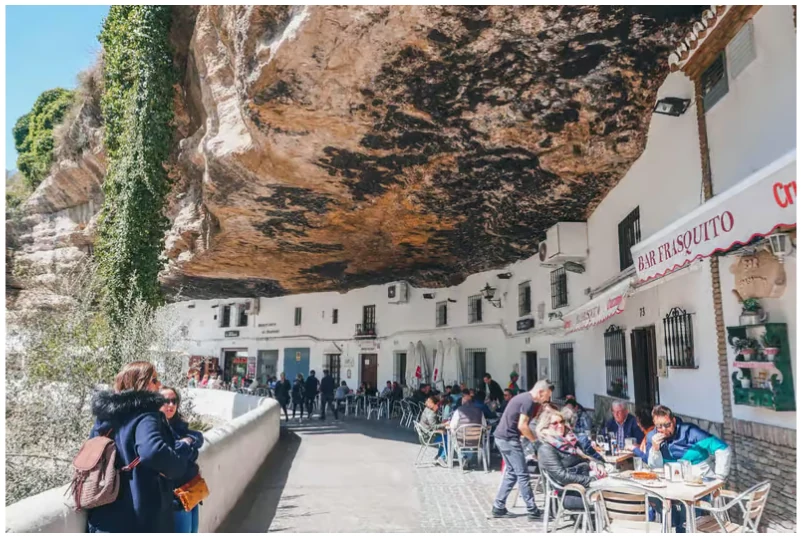
White Villages and Ronda from Seville: guided day trip with pickup
Book White Villages and Ronda from Seville on a 9-hour guided day trip to Zahara, Setenil and Ronda with transport, pickup and lunch.
Knowing where to eat in Seville means entering a city of bars, tapas, hot oil, long sobremesas and choices that are best made without hurry.
Where to eat in Seville is not just about sitting down at a table. It is hearing the sharp rattle of a shutter being raised in the morning, smelling hot oil in a narrow street, watching a bar fill up before the sun drops behind the Giralda. The city has an intense relationship with food: informal, bright, sometimes noisy, and deeply social. But Seville can also disappoint if you arrive without a sense of what to look for. In the most touristy areas, you will find repetitive menus, photos of paella that have little to do with Sevillian cooking, and prices inflated by a pretty location. Eating well in Seville is easy; eating badly is easy too, especially if you choose in a hurry beside the major monuments.
Compare locations and options to find a base that suits your trip. Booking.com confirms current availability and pricing.
Find accommodation on BookingSevillian cuisine looks simple at first, but it is highly expressive. It has bread, olive oil, Iberian pork, stews, fried food, seasonal vegetables, and a very Andalusian way of turning something humble into pleasure.
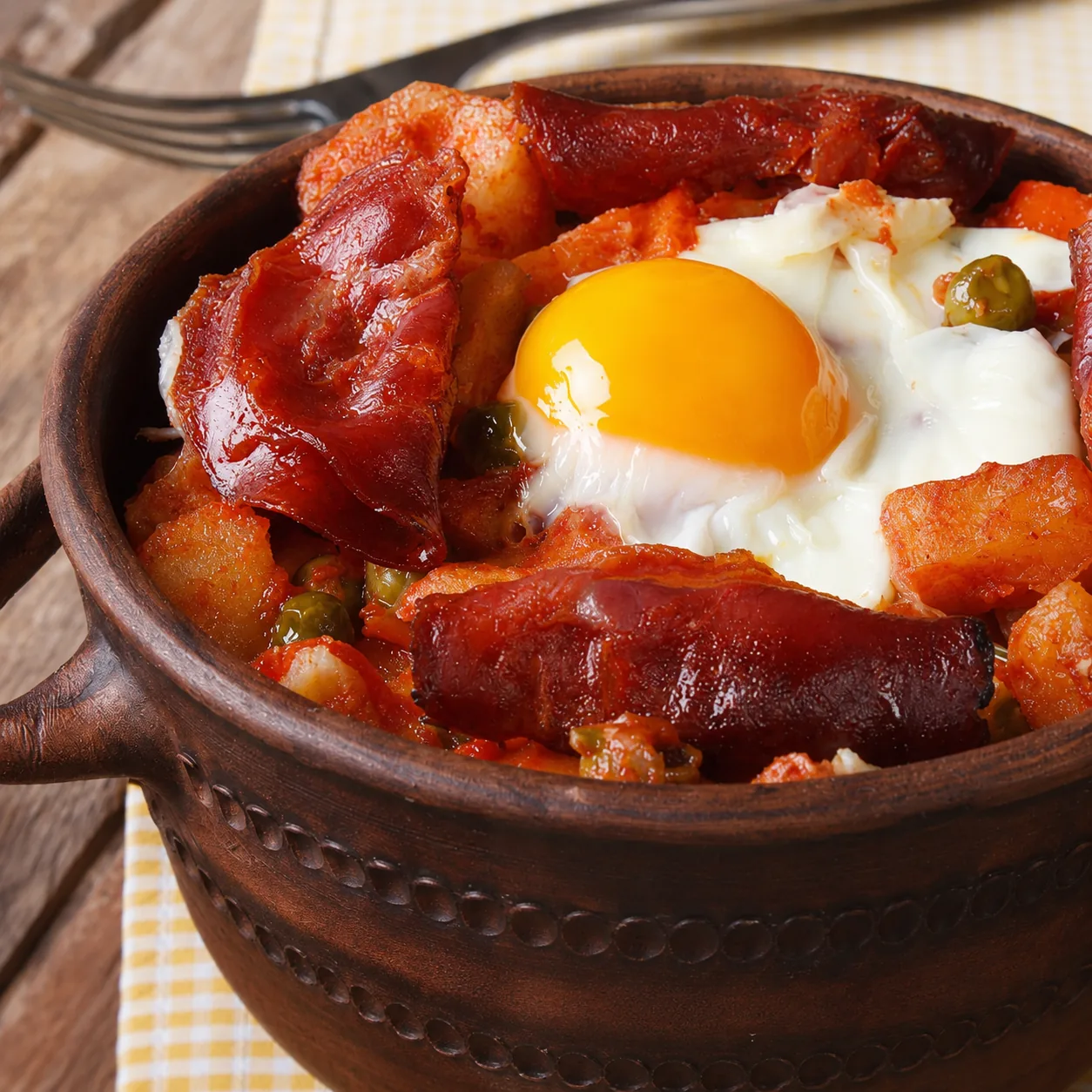
Among its most recognisable dishes are espinacas con garbanzos, spinach with chickpeas, dark and spiced, with an almost ancient feel; solomillo al whisky, pork tenderloin in whisky sauce, more at home at the bar than on a white tablecloth; carrillada, slow-cooked pork cheek, rich and melting; and pescaíto frito, fried fish, which should arrive crisp, light, and not overly greasy.
Salmorejo is also well worth trying, especially in the warmer months, although it is worth remembering that it is more Cordoban than Sevillian. In Seville it is enjoyed all the same: fresh and thick, with ham and egg. In season, caracoles and cabrillas, snails in two different forms, divide opinion: for some they are a local ritual; for others, an experience that is a little too intense.
The Sevillian tapa is not a garnish. It is a way of eating. It lets you try several dishes, move from one bar to another, and slip into the rhythm of the city without spending hours shut away in a restaurant.
The best approach is not to order everything at once. Start with two or three tapas, watch the kitchen, look at what is being carried to other tables, and decide from there. In Seville, the best clue is often not on the menu, but on the plate the waiter is taking to a table of regulars.
Tapas work especially well for curious travellers, couples, small groups, and anyone who enjoys eating informally. If, on the other hand, you are looking for quiet, unhurried service, and a long dinner without interruptions, you may prefer to book a calmer restaurant.
The Santa Cruz district is beautiful, but it requires care. Its whitewashed lanes, hidden patios, and proximity to the Cathedral make it a very tempting place to eat. It is also one of the areas where it is easiest to end up in places designed for passing visitors.
Here it is best to avoid restaurants with overly aggressive touting, endless menus in several languages, and photographs of every dish. Even so, there is no need to dismiss the area entirely: there are still charming bars, pleasant patios, and honest kitchens. The key is to move a little away from the most obvious streets.
El Arenal has an elegant, bullfighting air, with traditional taverns, lively bars, and more formal restaurants. It is a good area for those who want to eat near the centre without necessarily falling into the most touristy spots. It can be a little more expensive than other neighbourhoods, but it also offers good places for a more relaxed meal.
Triana feels different. On the other side of the river, the city lowers its monumental tone a little and becomes more neighbourhood-like. People come here for tapas, fish, stews, and a more everyday Seville, although travellers are increasingly discovering it.
The area around the market and the nearby streets are good places to start. Triana is especially worthwhile at lunchtime or at dusk, when the light falls over the Guadalquivir and the neighbourhood still keeps something of its popular character.
The Alameda and Calle Feria show a younger, more alternative, more mixed Seville. Here, traditional bars, creative kitchens, simple eateries, noisy terraces, and restaurants with less classic proposals all coexist. It is an interesting area for anyone who already knows the historic centre or wants to escape the most obvious postcard version of the city.
It can be noisy, especially at night and on weekends. It is not the best choice if you are looking for an intimate, quiet dinner, but it is one of the liveliest areas for understanding contemporary Seville.
Seville allows you to eat well without spending too much, although the historic centre has become more expensive in the most visited areas. To save money, the best option is to go for neighbourhood bars, simple lunchtime menus, and shared tapas.
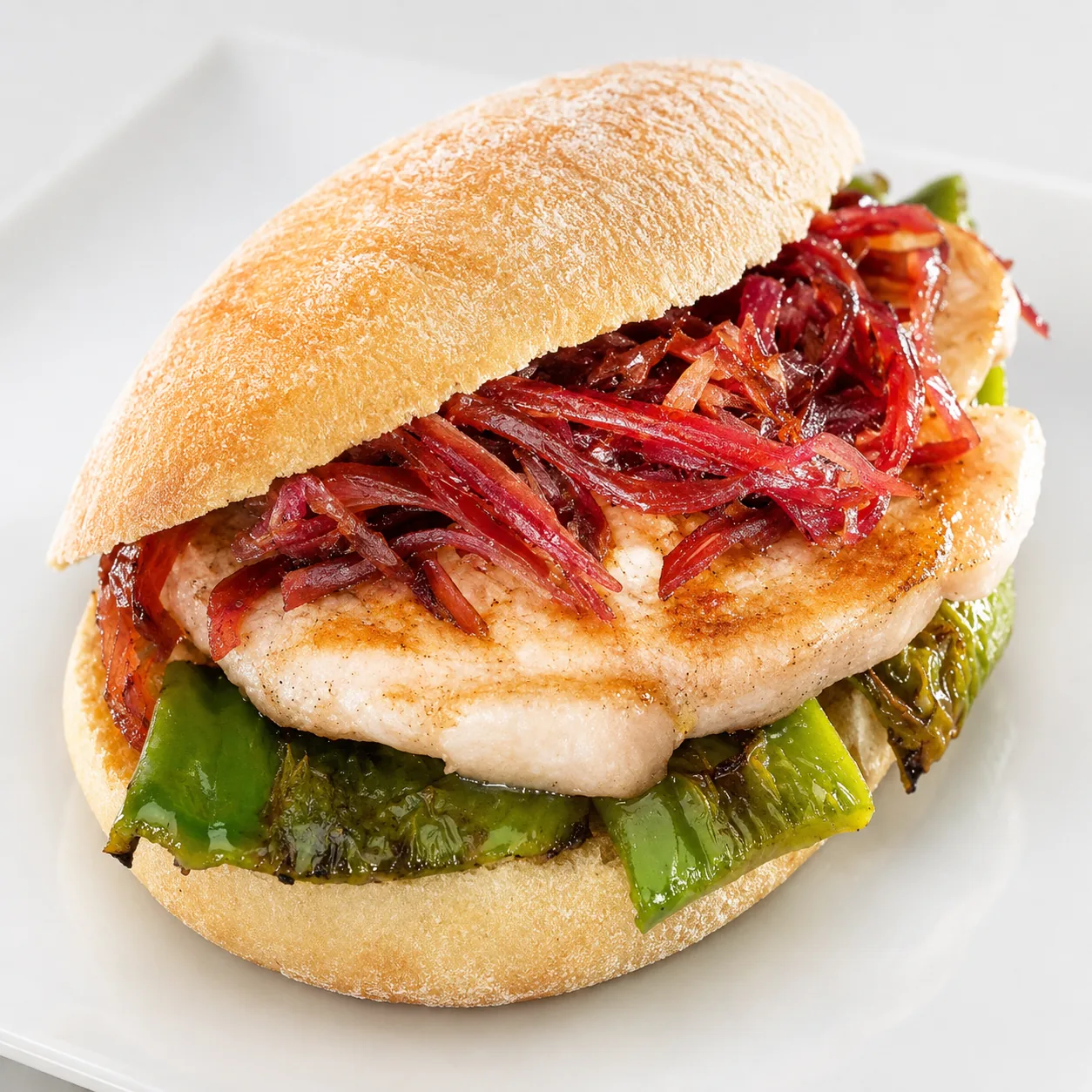
Breakfast is also a delicious and affordable way to enter into the city. A tostada with olive oil, tomato, and ham, accompanied by coffee, can say more about Seville than many sophisticated meals. In the morning, the city feels less theatrical and more real.
To eat cheaply, it is worth moving a little away from the Cathedral, Avenida de la Constitución, and the most photogenic squares. Seville rewards the traveller who walks two or three streets further.
Seville’s markets are good places to observe everyday life, although some have adapted quite a lot to tourism. A market lets you see produce, hear local accents, understand the seasons, and, in some cases, eat something without formality.
Not all markets are the same: some retain more of a local atmosphere, while others work almost like food halls. The experience can be enjoyable, but it is not always the cheapest or the most authentic. It is worth going in without rigid expectations, more out of curiosity than obligation.
Seville has a beautiful relationship with sweets. There are convents, bakeries, old pastry shops, and afternoon snacks that seem to resist the passage of time. Torrijas, pestiños, yemas, almond sweets, and mantecados appear more strongly at certain times of year, especially around religious celebrations.
In summer, when the heat is intense, a heavy afternoon snack may be less appealing than an ice cream, a cold drink, or a pause in the shade. In winter, by contrast, traditional pastries find their natural moment.
The most common mistake is sitting down at the first restaurant beside a monument because you are tired. Seville can be exhausting, especially in spring, during Holy Week, the Feria, or the height of summer, and that fatigue leads to poor decisions.
It is also wise to be wary of overly long menus, waiters who insist too much that you come in, “typical Spanish” dishes with no Sevillian roots, and unclear prices. Paella, for example, is not the dish that best represents Seville. You can find it, but it should not be your first choice if you are looking for local food.
Another frequent mistake is eating dinner too early and expecting atmosphere. Seville tends to live later than many European cities. If you dine very early, you may find empty restaurants or a rather cold experience. Waiting too long in high season, however, can leave you without a table in popular places.
Spring is one of the best times to eat in Seville, but also one of the busiest. Terraces fill up, prices can rise, and booking becomes more important. During Holy Week and the Feria, the city is transformed: exciting for some, uncomfortable for others.
In summer, the heat shapes everything. Eating heavily at lunchtime can be a bad idea if you then have to walk under the sun. The sensible choice is to look for cool interiors, late dinners, and lighter dishes. Winter, by contrast, allows you to enjoy stews, less crowded bars, and a more intimate Seville.
Eating in Seville is very much worth it for those who enjoy bars, tapas, traditional flavours, and shared food. It is also ideal for travellers who do not need solemn restaurants to feel they have eaten well.
It may disappoint those looking for an extremely sophisticated food scene on every corner, very specific diets with no room for improvisation, or an always calm experience. Seville is generous, but not always orderly. Its charm lies precisely in that mix of bustle, oil, voices, small plates, and sobremesas that stretch longer than expected.
The best food in Seville is usually found when the traveller slows down. See where locals are eating, notice whether the bar has real life in it, choose seasonal dishes, ask politely, and do not obsess over ticking famous names off a list.
Seville is best eaten without anxiety. One tapa here, another there. A cold beer as evening falls. A plate of carrillada as night begins. A simple tostada in the morning. The city does not need to prove too much: when you get it right, the flavour appears naturally, like a conversation that begins without ceremony and ends up staying in the memory.
Discover the culinary side of Seville through selected experiences featuring markets, tastings, workshops and special dinners.
Activity on TourBookGoBook White Villages and Ronda from Seville on a 9-hour guided day trip to Zahara, Setenil and Ronda with transport, pickup and lunch.
 Activity on TourBookGo
Book a Gibraltar day trip from Seville with round-trip transport, assistance and five hours of free time to visit the Rock, see macaques and enjoy duty-free shopping.
 Activity on TourBookGo
Book a Guadalquivir River cruise with lunch or dinner in Seville: restaurant boat, 5-course tasting menu, drinks, and river views.