Three, five or seven days: how costs change
For planning purposes, three days can focus on one base and a few selected visits. Five allow another town or an excursion, provided the journeys fit. Seven offer more scope to combine areas, but also mean more nights, meals and possible accommodation changes.
Duration is not the only factor. Combining Palermo, Siracusa and the Egadi creates different needs from staying in one area. Regional itineraries distinguish the west, east and southeast. This helps you choose what to explore now and what to leave for another trip, avoiding journeys that add little value.
Accommodation: consider location alongside your stay
Choose your base around your planned visits. Palermo combines historic markets and Arab-Norman heritage; Catania offers an urban focus in the east; Ortigia brings together several cultural landmarks in Siracusa. These are reasons to compare locations, without assuming one area is always cheaper.
Then assess the journeys each address requires. Factor in the season without assuming a fixed price difference. Palermo has a municipal tourist tax with its own categories and exemptions. Check how it applies and request the relevant receipt. Do not extend its rules to the rest of Sicily.
Trains, boats and bicycles: distinguish transport from activities
Regional rail fares depend on the route and service. Sicily also offers integrated train and bus or urban transport products. Compare their conditions with your actual journeys: integration alone does not establish a saving.
For the Egadi, check the fare for your chosen sailing and allow for both outward and return journeys. Timetables cover specific periods, so check your dates.
In Palermo, the cycling tours sold by Sicilyland fall under a different heading: booked activities. If you choose one for its content, do not automatically count it as replacing all your everyday transport.
Cars: budget for more than the rental
Compare the full costs of a car when your plans include places that your intended connections do not adequately reach. The Alagna winery in Marsala states that it has no direct public transport. This specific circumstance may justify considering a vehicle or booked transfer, without making a car necessary across the island.
Include fuel, parking and permits where applicable, and review rental conditions. Palermo has a ZTL that may require purchasing and activating a permit. Check these steps before entering. In Siracusa, confirm access and parking separately: guest authorisation does not establish permission for both.
Food: choose how you want to eat
Palermo’s historic markets and Catania’s Pescheria offer different food settings. They can be part of your trip, but their names establish neither an average cost nor a guarantee that every purchase is inexpensive. Decide how much room to give sit-down meals, occasional purchases and food experiences.
Check menus or conditions before ordering, including any drinks and accompaniments you want. Street food offers a way to explore particular traditions, but does not justify a universal budget either. Saving can mean keeping more elaborate meals for selected occasions while retaining variety and enough flexibility to meet your needs, without making every stop a tasting.
Heritage: choose admission options for what they include
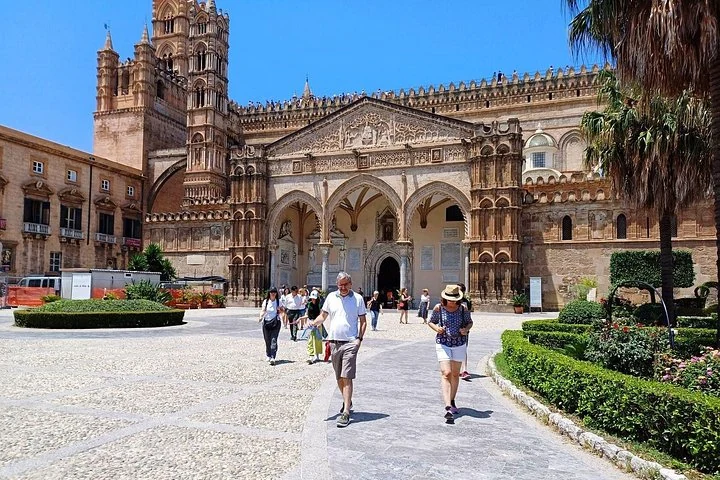
Palermo Cathedral illustrates why urban heritage also involves separate expenses. Exploring a monument’s surroundings and entering specific spaces are different experiences. Check what each option includes before budgeting for it.
The same distinction applies in Taormina between walking along Corso Umberto and visiting the ancient theatre. Teatro Massimo publishes ticket categories and combinations; their suitability depends on what you want to see. At Catania’s Benedictine monastery, shared university spaces are not equivalent to the full guided tour. A few purposeful visits can offer more than collecting tickets for prestigious names.
Marsala: set aside a budget for wine
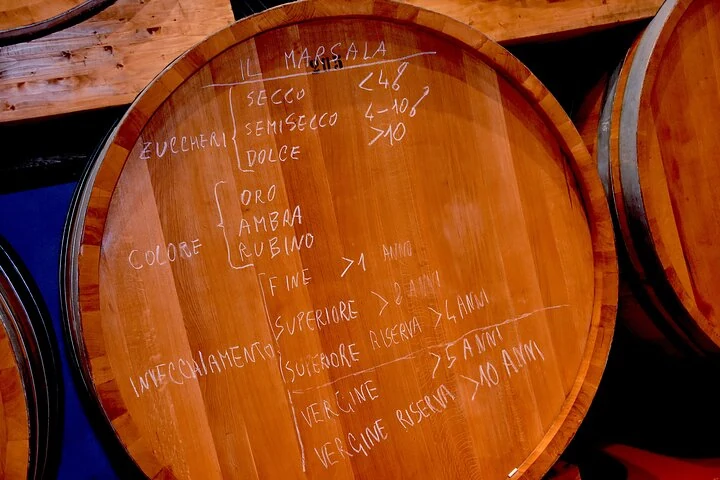
A tasting in Marsala is an optional activity with its own appeal for anyone interested in its wines. Alagna offers a winery visit, tasting and food accompaniments, with shared and private options. Compare their content and conditions without assuming a price difference.
Include the outward and return journeys: according to the operator, the location has no direct public transport. Before booking, clarify what is included and what additional purchases would cost. A tasting with food accompaniments should not automatically count as a full meal. Its appeal lies in the chosen experience, not simply filling an afternoon.
Three ways to allocate your budget
A budget-conscious approach can prioritise one base, selected journeys, simple meals and a few booked activities. The trade-off is covering less territory or paying for fewer admissions while keeping the experiences that matter most.
A mid-range approach can combine public transport, an excursion and a broader cultural selection. A comfort-focused approach can include booked transfers, private options or more services chosen for convenience. None has an established total without quotes or guarantees a better experience. Families and groups should compare the full amount for their occupancy and participant numbers. Couples and solo travellers should also check conditions without assuming every expense can be shared.
A useful buffer for visitors and residents
If you visit the island, separate arrival and departure costs from spending during your stay. This lets you compare routes without obscuring transport differences. Keep a buffer for transport changes, chosen purchases and unconfirmed expenses; avoid committing it all to optional bookings.
If you live in Sicily, calculate the full cost of an outing from home: transport, food and the activity. Comparing a local cultural visit with an excursion outside your area helps you choose without assuming accommodation costs. The most useful budget lets you enjoy your priorities and recognise, before paying, which part of the trip you would prefer to postpone.