Belongings in markets and tourist areas
Ballarò and Capo in Palermo, and the Pescheria in Catania, offer different settings for exploring local food culture. Keep track of your belongings while browsing stalls, checking your phone or shopping. These activities can pull your attention in several directions.
For Italy generally, the FCDO recommends watching bags and personal belongings and keeping valuables in separate places. Distributing documents, payment methods and cash limits the consequences of loss or theft. These precautions also apply on public transport; they do not make these markets particularly dangerous or justify distrust of the people working there.
Luggage, cars and keeping your trip on track
A car makes some plans easier, but you need to decide what to do with luggage during stops. Official advice for Italy urges caution with belongings in parked vehicles. Avoid leaving items visible and arrange visits so you do not need to keep everything for your trip in the car.
On trains and buses, keep track of bags when boarding, getting off and changing services. Around Etna, volcanic ash can affect transport and airport operations. This is a possibility, not a disruption confirmed here: check with your operator before a crucial journey.
Going out at night and travelling alone
Before heading out at night in Palermo, Catania or Siracusa, decide how you will return. Check transport options for that evening and avoid relying on an unconfirmed connection.
If you travel alone, sharing your plans with someone you trust and saving phone battery for navigation are practical steps. This dossier provides no evidence for identifying dangerous neighbourhoods or guaranteeing safety according to a traveller’s gender. Assess the specific situation: knowing your route and having another way back helps more than a vague reputation.
Etna with the family: choosing a suitable route
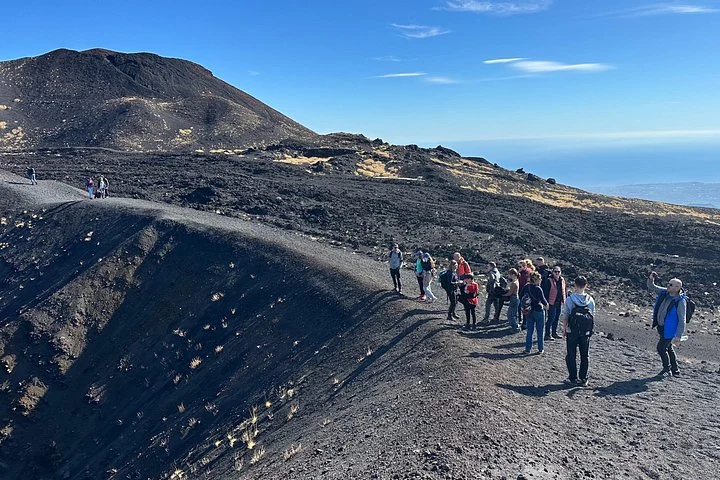
A family excursion to Etna requires assessing both the route and everyone’s needs. The volcanic landscape is part of Sicily, but should not be treated as an extension of a city walk. Civil Protection warns that sudden changes can occur even at a low alert level; the current level is not established here.
Before setting out, check current volcanic activity, conditions and access, and use authorised guides. Bring suitable footwear, protection against the wind and water. Clothing suited to a day on the coast may be inadequate in the mountains.
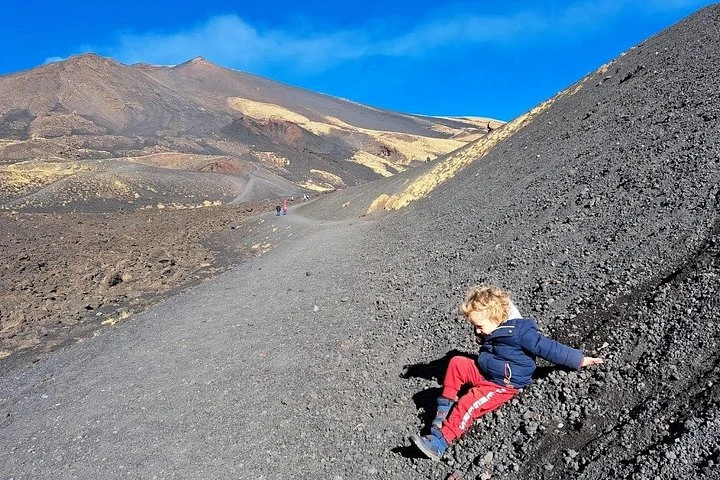
With children, agree on the route and its demands beforehand. Ask how the activity accommodates their needs and when it is best to abandon the plan. A familiar image of the volcano does not prove that every route suits every age. Choose an experience everyone can manage.
Swimming: appearances are not enough
An attractive cove does not tell you enough about swimming safety. The FCDO warns about currents, hidden rocks and jumping into unfamiliar waters in Italy. Follow local signs and flags, and avoid jumping from somewhere if you do not know what lies below.
If you visit with children, supervise them directly. When choosing where to spend the day, also consider getting into and out of the water: a shore that looks straightforward from above may require different preparation up close. No beaches are certified safe here, nor is swimming guaranteed safe in any season.
Favignana and the rocky coast of Bue Marino
Favignana belongs to the Egadi archipelago and requires a separate sea journey. It is an island excursion, rather than another stop on the same walk around Sicily. On Bue Marino’s rocky coast, assess the terrain before thinking about photographs: check your footing, access and realistic ways back.
Consider whether the location suits your companions’ mobility; do not assume it is easy for children or universally accessible. Favignana is described as relatively flat, but that does not make its entire coastline easy to navigate. Confirm return transport for your chosen date, without assuming a sailing is guaranteed.
Weather warnings and indoor alternatives
Sicily’s Mediterranean character cannot replace a forecast for your day. The regional functional centre publishes weather and hydrological bulletins with updated conditions. Consult them especially when plans involve outdoor activities or travel exposed to the weather.
If a warning advises against your planned activity, change the day’s programme. In Palermo, Teatro Massimo offers indoor tours subject to theatrical production schedules; in Catania, the Benedictine monastery offers a guided tour. Check availability before relying on either as an alternative. A concrete backup plan makes it easier to abandon an outing that no longer suits the conditions.
For residents: checking what familiarity can obscure
Living in Sicily does not remove the need to check conditions. A familiar coast may have different sea conditions, and a regular Etna outing still requires current information about activity and access. Previous experience helps you understand a place, but does not establish its conditions that day.
If you organise an activity for visiting relatives or friends, choose according to the group’s abilities. Explain the terrain and necessary preparation beforehand. For those who know the island, this means distinguishing between an experience they regularly undertake and one suitable for their companions.
Emergencies and preparation that helps you enjoy your trip
The emergency number in Sicily is 112. Also save the details of your accommodation or wherever you are staying, and know your location when heading out on an excursion. If you need help, clearly describing where you are and what happened helps communicate the situation, although no response time can be promised.
For a first visit, separate city days from activities requiring specific preparation. Watching belongings, checking warnings and choosing suitable terrain helps you make proportionate decisions. Sicily deserves that attention: enough to recognise your plans’ limits and enjoy yourself without treating every step with suspicion.