Choosing between the west, east and southeast
Sicily is best enjoyed with a clear route in mind. Palermo’s heritage, Marsala’s salt pans, Etna’s volcanic landscape and Ortigia’s streets offer different experiences; seeing them all means deciding what to leave out.
The daily plans below are editorial suggestions, subject to transport, bookings and your pace. For a short visit, choose one city and its surroundings. With a week, explore one part of the island before attempting to cover it all.
Regional tourism itineraries distinguish western, eastern and southeastern routes. This division helps shape a coherent trip: Palermo offers Arab-Norman heritage; Marsala introduces the salt-pan landscape; Catania and Taormina combine urban and archaeological visits; in Siracusa, much of the route centres on Ortigia.
First decide which experience will anchor your trip. If architecture interests you, group related monuments. If you want nature, set aside time specifically for it. An Etna excursion or an Egadi stay needs its own preparation and may displace other visits.
One day in Palermo: choosing a focus
For your first day, use Quattro Canti as your central reference point and build the walk around one priority. The Royal Palace and Palatine Chapel introduce Arab-Norman heritage, where Western, Islamic and Byzantine traditions meet. Ballarò or Capo offer another perspective through historic markets.
Explore one in greater depth and make the other a complement. Adding Teatro Massimo may work if its tour fits available bookings; accessible spaces depend on theatre activities.
For first-time visitors, this selection reveals different sides of Palermo without turning the day into a succession of entrances and exits.
Two days: Monreale or Cefalú as your next stop
After Palermo, spend the second day in Monreale or Cefalú. Both cathedrals belong to the same heritage ensemble, but sharing that recognition does not make them immediately accessible together or mean both suit that day.
Monreale works well for exploring the Arab-Norman theme further. Regional tourism information documents a bus connection from Palermo Centrale; check services for your date before arranging visits.
Cefalú shifts the day towards a northern coastal town and its cathedral. Choose according to whether you prefer continuing the architectural theme or changing surroundings. Confirm return transport first: the second day should offer an experience, not disappear into connections.
Three days in the east: Catania, Taormina and Siracusa
For an eastern alternative, spend day one in Catania, linking Piazza Duomo, Pescheria and the Benedictine monastery. Its guided tour reveals spaces beyond those accessible in the university’s common areas.
Day two can focus on Taormina: Corso Umberto, Piazza XXV Aprile and the ancient theatre form a central group. Isola Bella lies along the coast and needs separate planning.
Keep day three for Siracusa and Ortigia only if actual transfer arrangements leave time to enjoy them. If changing cities daily feels awkward, limit the plan to Catania and Taormina. Adding Etna would require replacing a day, not layering on another excursion.
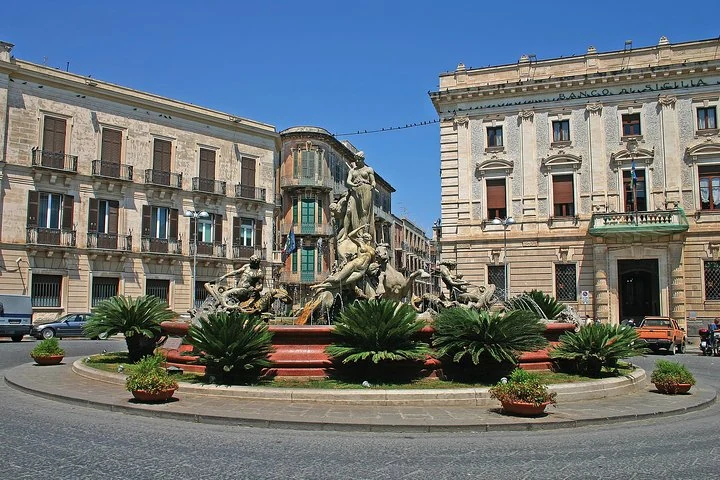
The Fountain of Diana: a pause in Ortigia
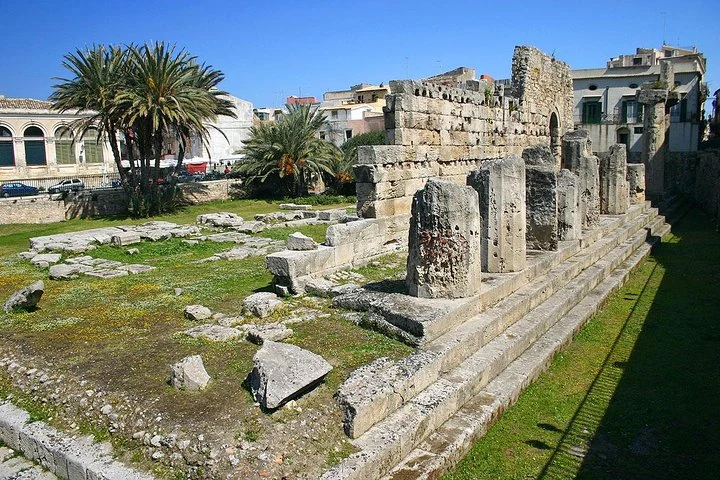
In Ortigia, the Temple of Apollo provides an initial heritage stop. The Fountain of Diana, in Piazza Archimede, adds a pause before continuing towards Piazza Duomo, the Fountain of Arethusa and the island’s tip, home to Maniace Castle.
This route helps organise a day in Siracusa, choosing interiors according to access conditions. The fountain offers an urban pause between stops; each need not become an extended visit.
If archaeology interests you, consider another day for the Paolo Orsi Museum. Pantalica is a geographically separate component of the UNESCO property: it requires its own excursion and should not be added like another Ortigia square.
An eastern week, with a Messina alternative
One option is to spend the first two days in Catania, the third on Etna, the fourth in Taormina and the fifth travelling to Siracusa and getting acquainted. Day six can explore Ortigia further, while day seven extends cultural visits or accommodates changes.
Etna depends on volcanic activity, weather and authorised access. If the excursion is unfeasible, spend that day exploring Catania further.
Another option finishes northwards: after Catania and Taormina, devote the final stretch to Messina and its Fountain of Neptune. This alternative eastern block needs its own planning; choosing it means foregoing Siracusa in this proposal.
A western week: Marsala and the Egadi
For a western route, plan two days in Palermo and a third in Monreale or Cefalú. Spend day four moving your base to Marsala and exploring its historic centre. Day five separates the Stagnone salt pans from the urban walk: ponds, channels and windmills bring a different dimension.
The final two days can focus on the Egadi, provided sea connections fit. Choose an island according to your interests: Favignana is relatively flat, Levanzo has a harbour settlement and pebble coves, and Marettimo is more mountainous.
Arrange your return before committing to onward travel. Timetables are published for specific periods, and conditions can disrupt sailings.
Agrigento: making room for archaeology
Agrigento adds a distinct block on the southern coast. Its Doric temples and remains of the Hellenistic and Roman city warrant an archaeological stop, especially if that is your main interest.
During a western week, it can replace the Egadi extension, with transfers and bases reorganised. Avoid squeezing it between booked activities simply because it appears on your wish-list map.
If travelling with children or someone who needs shorter routes, decide the visit’s scope beforehand. The aim is to appreciate the site, not feel obliged to cover every area.
Transport and pace: completing the route
For urban visits, consider walking and available public transport. A car can offer independence between areas, but its usefulness depends on the route and parking. In Palermo, confirm permission to enter the ZTL; in Siracusa, distinguish entry authorisation from parking.
Sicily residents can turn these blocks into separate outings, choosing a themed visit without repeating the whole tourist circuit. For visitors, grouping stops geographically reduces changes of base.
A well-planned itinerary gives every transfer a purpose, while each omission helps you enjoy your choices more.