 Activity on TourBookGo
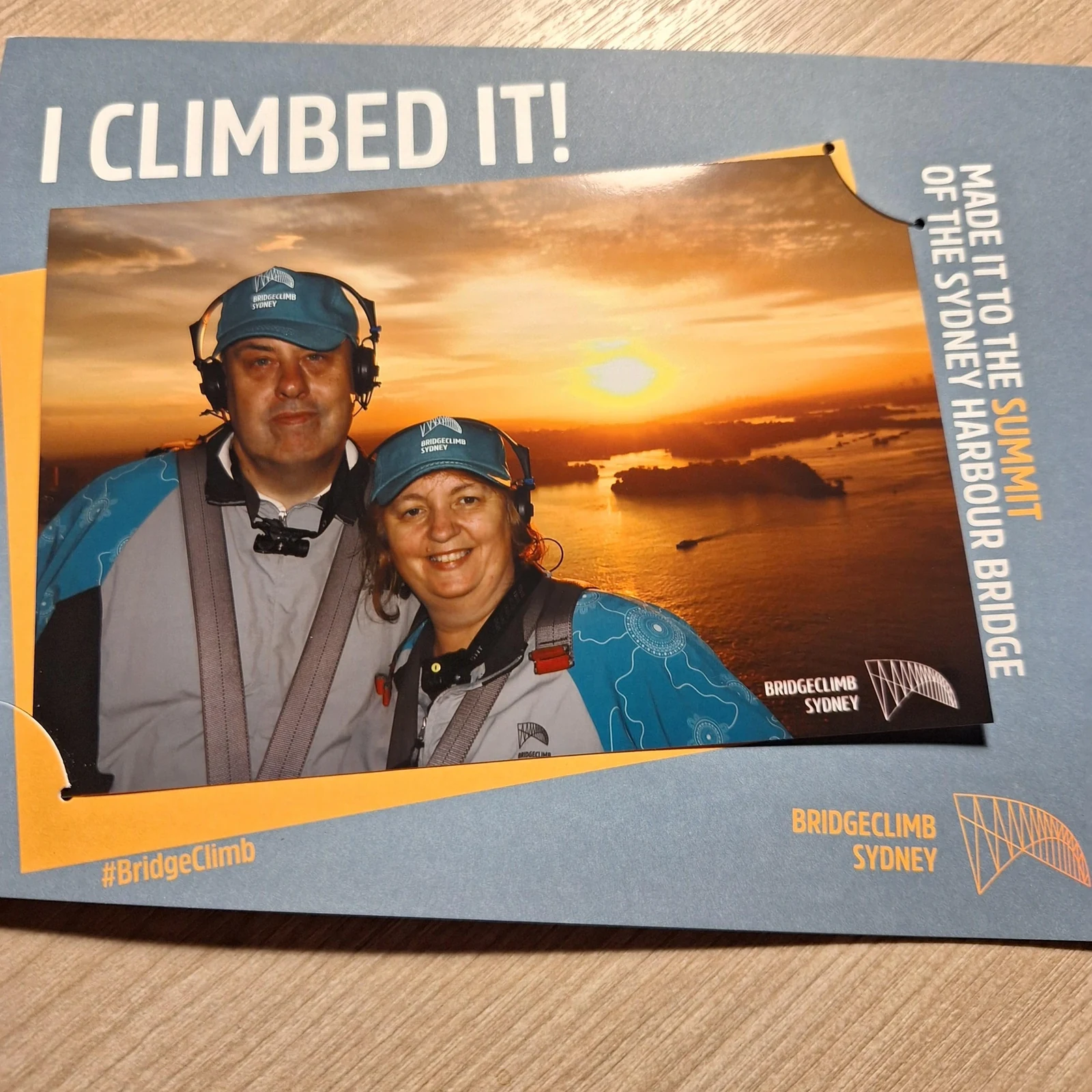
Sydney Harbour BridgeClimb: Summit Twilight — Sunset Climb with 360° Views
Climb Sydney Harbour Bridge at sunset on Summit Twilight: 3 hours, 360° views, up to 14 guests per Climb Leader and professional guidance.
Many mistakes to avoid in Sydney begin with the same misleading impression: in photographs, the city looks far more compact and straightforward than it really is.
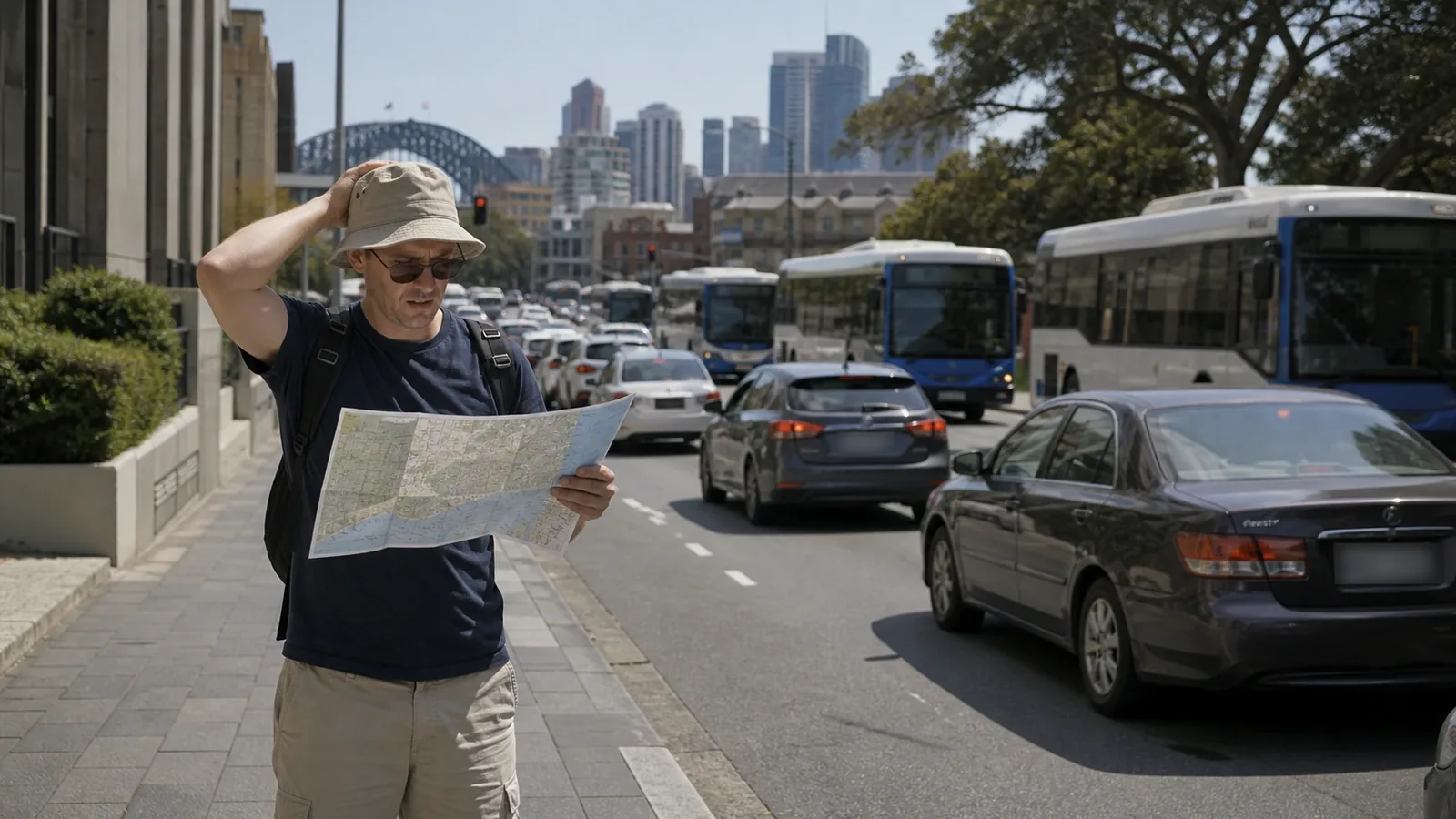
Many mistakes to avoid in Sydney begin with one simple impression: the Opera House, Harbour Bridge and blue water of the harbor look so close together that it is easy to imagine a city you can cover almost entirely on foot. In reality, Sydney is sprawling, open to the ocean and spread across neighborhoods, bays and beaches that can be surprisingly far apart. Its visitor landscape stretches from Sydney Harbour to Bondi in the east, Palm Beach in the north and many areas to the west and south. That is why some of the most useful Sydney travel tips are less about squeezing in more attractions and more about understanding distances, using public transport well and planning each day by area. Sydney becomes much more enjoyable once you stop trying to conquer it and start moving at its pace.
Compare locations and options to find a base that suits your trip. Booking.com confirms current availability and pricing.
Find accommodation on BookingSeeing the white sails of the Sydney Opera House against the harbor for the first time is genuinely hard to forget. Walking through The Rocks, taking in the Harbour Bridge and spending time by the water are equally worthwhile.
The mistake is assuming that this postcard view represents all of Sydney.
The city changes considerably as you move away from the harbor. The eastern beaches, Manly and the north, residential neighborhoods and dining districts reveal a side of Sydney that is far less monumental and much more everyday. Exploring them gives you a much broader sense of the city than its most photographed landmarks alone.
If you have several days, leave at least one open to venture beyond the Opera House–Harbour Bridge–Darling Harbour circuit. Otherwise, you may return home with magnificent photographs but a surprisingly superficial impression of Sydney.
Underestimating distances is one of the mistakes to avoid in Sydney if you do not want to spend your trip feeling rushed.
Bondi in the morning, Manly at lunchtime, a few hours downtown, sunset by the harbor and dinner in another neighborhood can look perfectly reasonable on a small map. In practice, Sydney requires you to factor in travel time, waiting and connections. Its geography of bays and coastline means that two places that appear close together do not always fit neatly into the same itinerary.
It works better to plan each day around a particular area. One day might focus on the harbor and The Rocks; another on Bondi and the eastern coastline; another can be set aside for Manly and the north.
If you are working out how to plan a Sydney trip without wasting time, grouping sights by area is usually far more rewarding than crossing the city repeatedly.
Having a car can be useful if your trip continues beyond the city, but it is not always an advantage when exploring central Sydney. Parking can be limited and expensive both in the CBD and near some popular beaches. Sydney public transport combines metro, trains, buses, light rail and ferries.
For visitors, paying is relatively straightforward: you can use an Opal card or a contactless bank card or device across much of the network.
There is one detail worth remembering if you plan on getting around Sydney without a car: when using contactless payment, you must tap on and tap off with the same card or device. Entering with your phone and exiting with the physical card, even if both are linked to the same bank account, may prevent the system from correctly recognizing your journey.
In few cities is simply getting from one place to another such a beautiful part of the experience.
Ferries are part of Sydney’s public transport network and let you cross the harbor to places such as Manly while the skyline opens up across the water. The Sydney ferry to Manly, in particular, turns a practical journey into one of the city’s most memorable harbor views.
That is why paying for a sightseeing cruise is not always necessary to experience the harbor. Sometimes all it takes is choosing the right departure and turning an ordinary trip into a scenic hour on the water.
Bondi can look irresistible from the sand: surfers, runners, cafés, sunbathers and luminous blue water inviting you to dive straight in.
But one of the most important Sydney travel tips is to treat the Australian ocean with respect.
Surf Life Saving Australia recommends swimming at patrolled beaches and staying between the red and yellow flags. If there are no flags or you are unsure about the conditions, the safest choice is to ask the lifeguards before entering the water.
Rip currents are another reason not to simply choose the emptiest-looking stretch of sand.
Sydney’s beaches are an essential part of the city, but enjoying them properly also means paying attention to conditions and swimming safely.
This mistake is particularly easy to make if you are arriving from Europe.
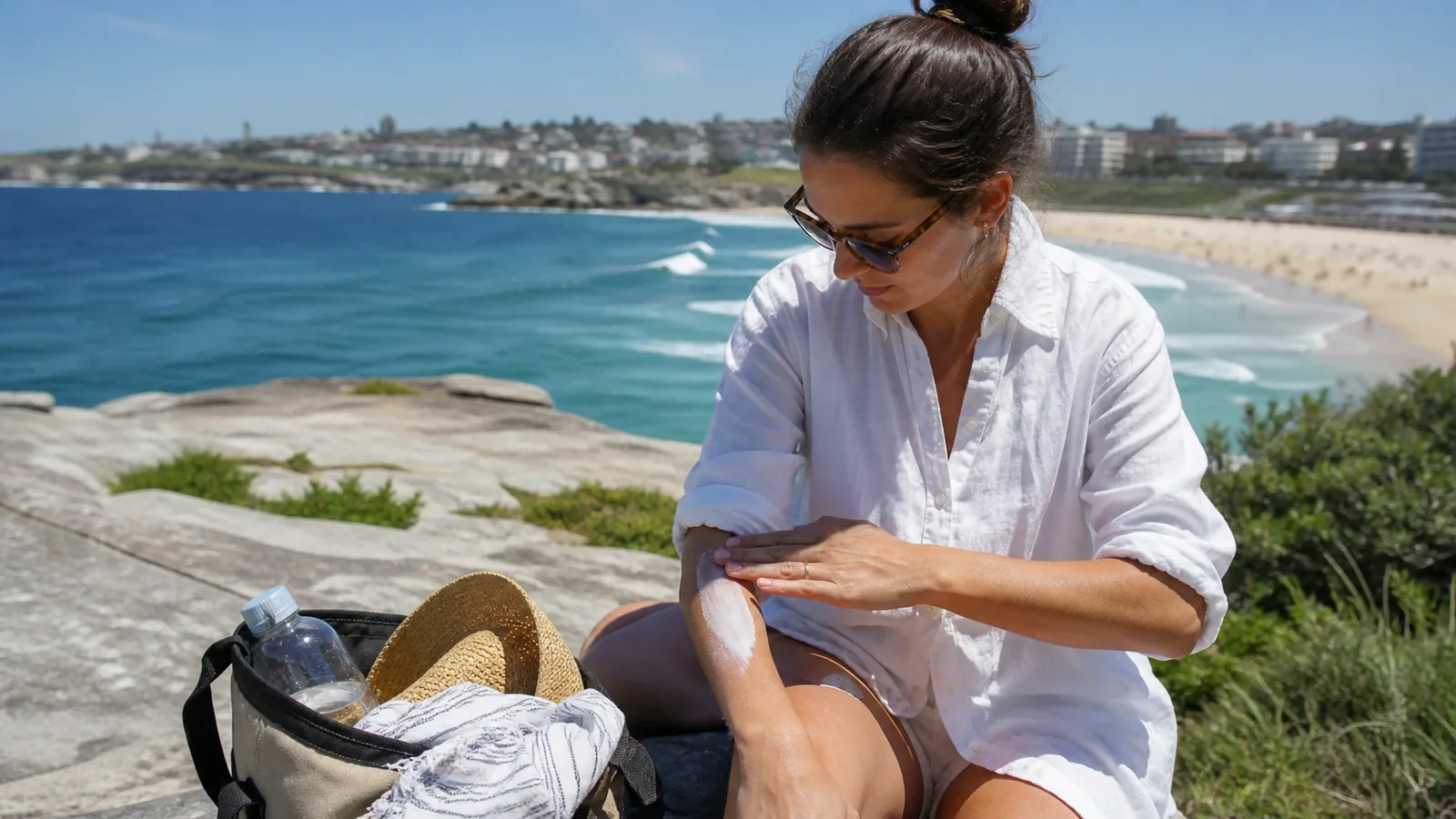
Ultraviolet radiation does not depend on whether you feel hot. Cancer Council NSW warns that UV levels can require protection even on cool or cloudy days and recommends sun protection whenever the UV index is 3 or higher.
That changes how you should approach coastal walks, ferry rides and beach days. A hat, shade, sunglasses and sunscreen all make sense even when the sky does not look especially intense.
Summer has plenty going for it: warm days, inviting ocean temperatures and a city that fully embraces outdoor life. But it also coincides with one of the busiest periods for tourism. Tourism Australia identifies Sydney’s peak season as falling mainly across spring and summer.
Autumn can be especially pleasant for coastal walks thanks to milder temperatures and lower humidity, while winter, from June to August, is noticeably cooler but does not necessarily turn Sydney into a city where outdoor life disappears.
The best time to visit Sydney depends on what you want from the trip. The mistake is assuming that every season outside summer somehow spoils the city.
Australian culture tends to be less formal than that of many other countries. Tourism Australia describes a society characterized by a relaxed manner and a strong culture of socializing; in Sydney, that informality also exists alongside an extraordinarily multicultural city.
You do not need to perform a caricature of Australian culture to make a good impression. Constantly forcing expressions such as mate or trying to imitate the accent usually adds far less than speaking naturally, being polite and showing genuine curiosity.
It is also worth dropping a few assumptions imported from elsewhere. Tipping, for example, does not carry the same cultural expectation as it does in the United States: Tourism Australia notes that it is not routinely expected in most establishments, although you can of course tip voluntarily for good service.
The best interactions with locals often happen when travelers stop trying so hard to “act Australian” and simply engage with people naturally.
A slightly cheaper hotel can stop feeling like a bargain when it forces you to spend too much time commuting every morning and evening.
Before booking, think about which version of Sydney you want to experience. Someone dreaming mainly of the harbor, museums and architecture will have different priorities from someone picturing sunrise by the sea. There is no single answer to where to stay in Sydney: the best area depends on your itinerary.
The lowest nightly rate does not always lead to the cheapest or most enjoyable trip.
Something similar applies to the airport: the train is convenient, but airport stations charge a specific access fee that is not included in the usual daily or weekly public transport caps.
After a long flight, it is understandable to want to make the most of Sydney.
But the city loses some of its charm when it becomes a sequence of back-to-back reservations. Some of its best moments do not come with a schedule: staying on a ferry as the light changes, extending a coastal walk, sitting in front of the Pacific or discovering that a neighborhood meant to be only a quick stop deserves the whole afternoon.
Anyone trying to tick off fifteen attractions in two days may find Sydney frustrating, especially because of the distances involved. Choosing fewer things and experiencing them more slowly is one of those Sydney travel tips that can transform the whole trip.
Sydney really does have that light. It really does have an extraordinary harbor and beaches that seem built for a traveler’s imagination.
But it also has traffic, long journeys, cloudy days, prices that may force you to make choices and beaches where the ocean quickly reminds you who is in charge.
None of that ruins the destination. It makes it real.
The best Sydney often appears in the spaces you leave between its major icons: a neighborhood with no famous landmarks, a ferry crossing, a morning by the sea or a conversation that was never part of your itinerary. Avoiding the main mistakes to avoid in Sydney is less about planning everything perfectly and more about understanding which parts of the city truly deserve your time.
Discover Sydney through three hand-picked experiences combining city icons, local culture and well-organized excursions.
Activity on TourBookGoClimb Sydney Harbour Bridge at sunset on Summit Twilight: 3 hours, 360° views, up to 14 guests per Climb Leader and professional guidance.
 Activity on TourBookGo
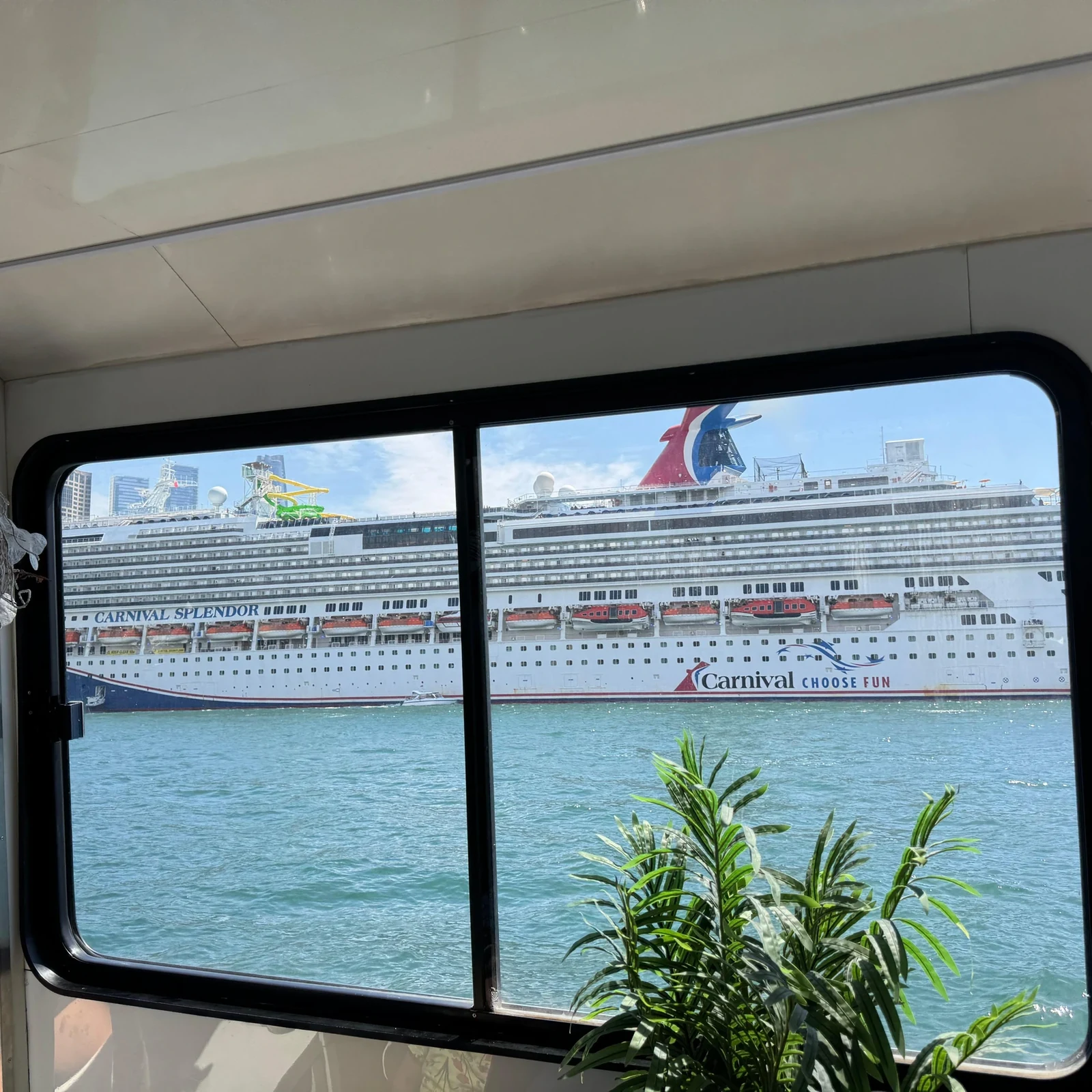
Discover this 135-minute Sydney Harbour cruise with buffet lunch, live commentary and views of the Opera House and Harbour Bridge. From €48.
 Activity on TourBookGo
See whether this 12-hour Sydney to Canberra day trip is worth booking, with coach transport, driver-guide, Parliament House, major landmarks and buffet lunch included.