 Activity on TourBookGo
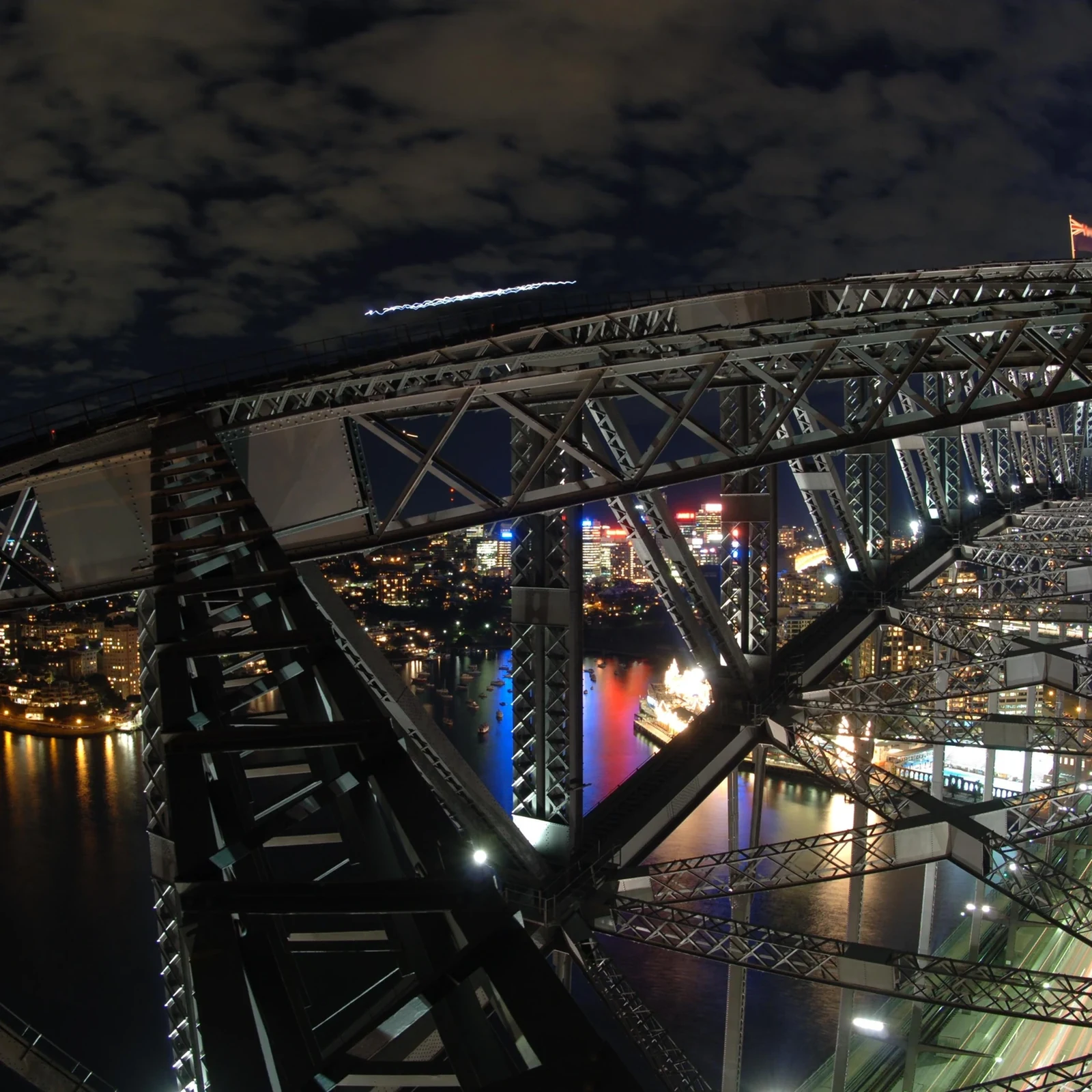
Sydney Harbour Bridge Night Climb: Summit Night with 360° Views
Sydney Harbour Bridge night climb with a professional Climb Leader, 360° views and all essential gear included. Around 3 hours, from €198 per person.
Sydney safety for tourists is rarely something that dominates a trip once you arrive. The harbour sparkles, ferries glide past the Opera House and entire neighbourhoods invite you to wander without a plan. That relaxed feeling is largely justified, but a few practical precautions still matter, especially at night, in busy places and around the ocean.
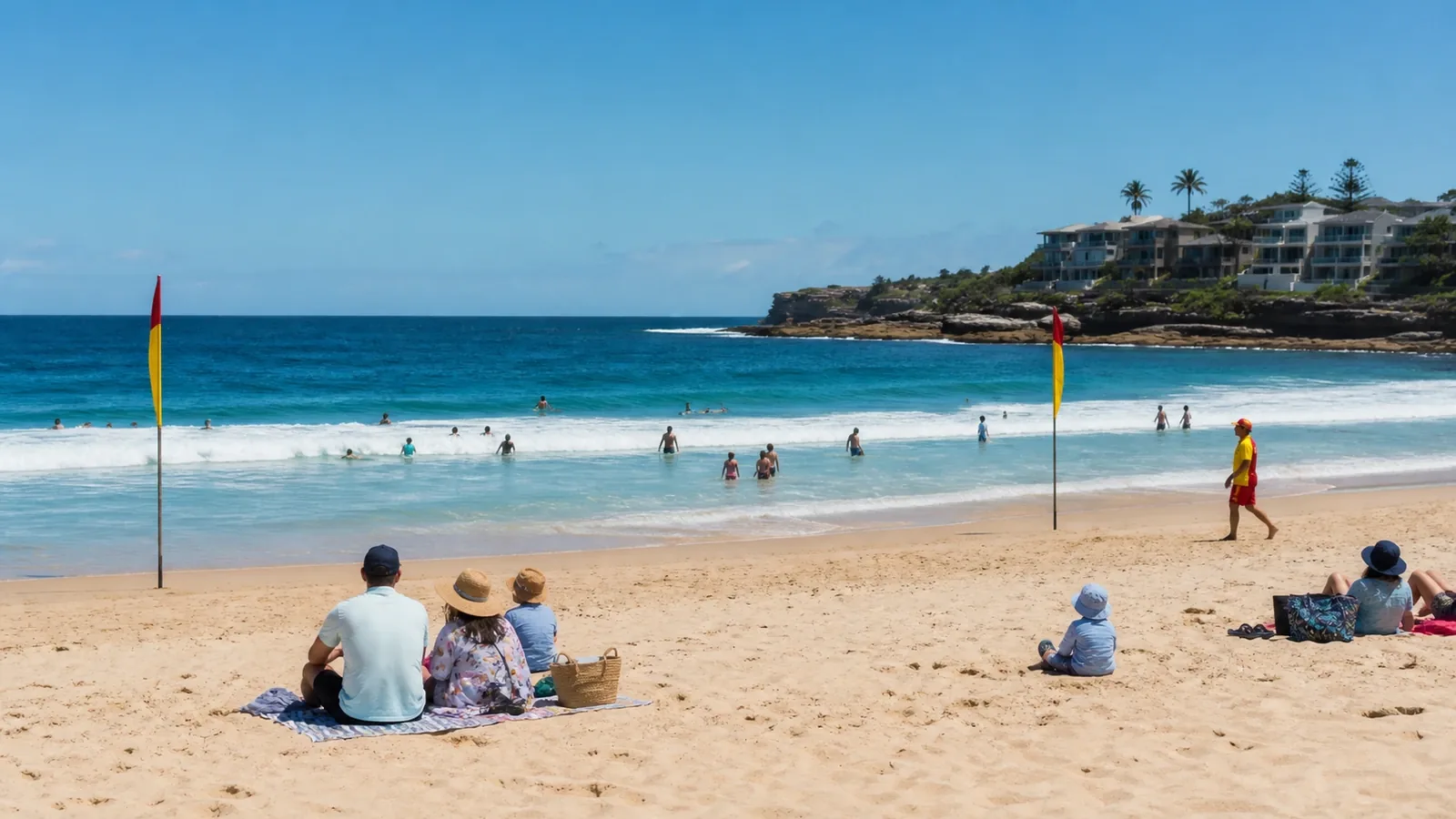
Broadly speaking, Sydney safety for tourists is good and the city is comfortable to explore. The City of Sydney itself describes it as a place with low crime levels, while still recommending the usual precautions you would take in any major city. The more useful question is not simply whether Sydney is dangerous — it is not for the average visitor — but where the genuine risks lie. Some involve theft or late-night travel, while others have far more to do with the ocean, the Australian sun or a night out that ends considerably later than expected.
Compare locations and options to find a base that suits your trip. Booking.com confirms current availability and pricing.
Find accommodation on BookingFor most travellers, Sydney is safe and straightforward to explore. Much of the city centre is walkable, trains, metro services, buses and ferries are easy to use, and the main tourist areas can be visited without feeling as though you need to stay permanently on guard.
The latest official crime figures available for Greater Sydney do not paint a particularly alarming picture either. In the 24 months to March 2026, robbery and theft from vehicles declined, while some categories of theft increased. These are metropolitan-wide statistics rather than a direct measure of tourist risk, but they provide useful context: Sydney is not crime-free, yet it is not a city where visitors generally need to travel on the defensive.
The most common mistake is assuming that because everything feels orderly and comfortable, nothing can happen.
At Circular Quay, Darling Harbour, stations, shopping centres, busy beaches and major events, one practical rule goes a long way: keep your phone, wallet, camera and bag under your control.
There is no need to clutch your backpack constantly, but leaving a phone unattended on a table or valuables visible inside a car is unnecessary risk. NSW Police advises keeping bags and wallets secure and avoiding carrying unnecessary amounts of cash.
The same approach applies to scams. Rather than worrying about every possible street scam, be cautious with unexpected messages, requests for personal information, suspicious payment links and bookings made through unreliable channels. Sydney may feel safe, but no modern city makes travellers immune to fraud.
There is no simple list of Sydney tourist neighbourhoods that should automatically be treated as no-go areas.
It is also worth being sceptical of online maps that label an entire suburb “dangerous” on the basis of a single statistic. Sydney is enormous, and risk can vary within the same neighbourhood depending on the street, time of day and atmosphere.
For visitors, the situation matters more than the suburb name. A busy avenue at night may feel completely comfortable, while an empty street behind a nightlife district can feel far less appealing at three in the morning.
In nightlife areas around the CBD and inner city, staying a little more alert when venues close is usually enough, particularly if alcohol is involved. If walking back means crossing parks, deserted streets or almost empty stations for a long stretch, a taxi, ride-hailing service or public transport may be the more comfortable choice.
Yes. Going out at night in Sydney is generally fine, although the atmosphere changes once the daytime crowds disappear.
Transport for NSW explicitly acknowledges that personal safety risks increase at night because fewer people are travelling and recommends remaining in well-lit areas and close to help points when travelling after dark.
Late-night transport remains reasonably practical. NightRide services replace many train services during certain early-morning hours, while overnight metro services and other connections may also be available depending on the line and day.
The best precaution is not to avoid Sydney after dark, but to know beforehand how you will get back to your accommodation. Checking transport options before heading out is usually much better than improvising the journey home after drinking.
Sydney is generally a comfortable destination for solo female travel. Many central areas are walkable, public transport reaches most parts of the city, and stations and vehicles have lighting, cameras, emergency points and other safety systems.
That does not replace the usual precautions you might take in Madrid, London, Paris or any other major city. Late at night, it makes sense to wait in well-lit places, avoid almost empty train carriages when another option is available and change your route or transport if a situation does not feel right.
There is no benefit in forcing yourself to walk back to your hotel alone if another option feels safer or more comfortable.
For independent travellers, Sydney has a major advantage: you can easily move between museums, beaches, neighbourhoods, ferries and restaurants without constantly relying on organised tours or private transport.
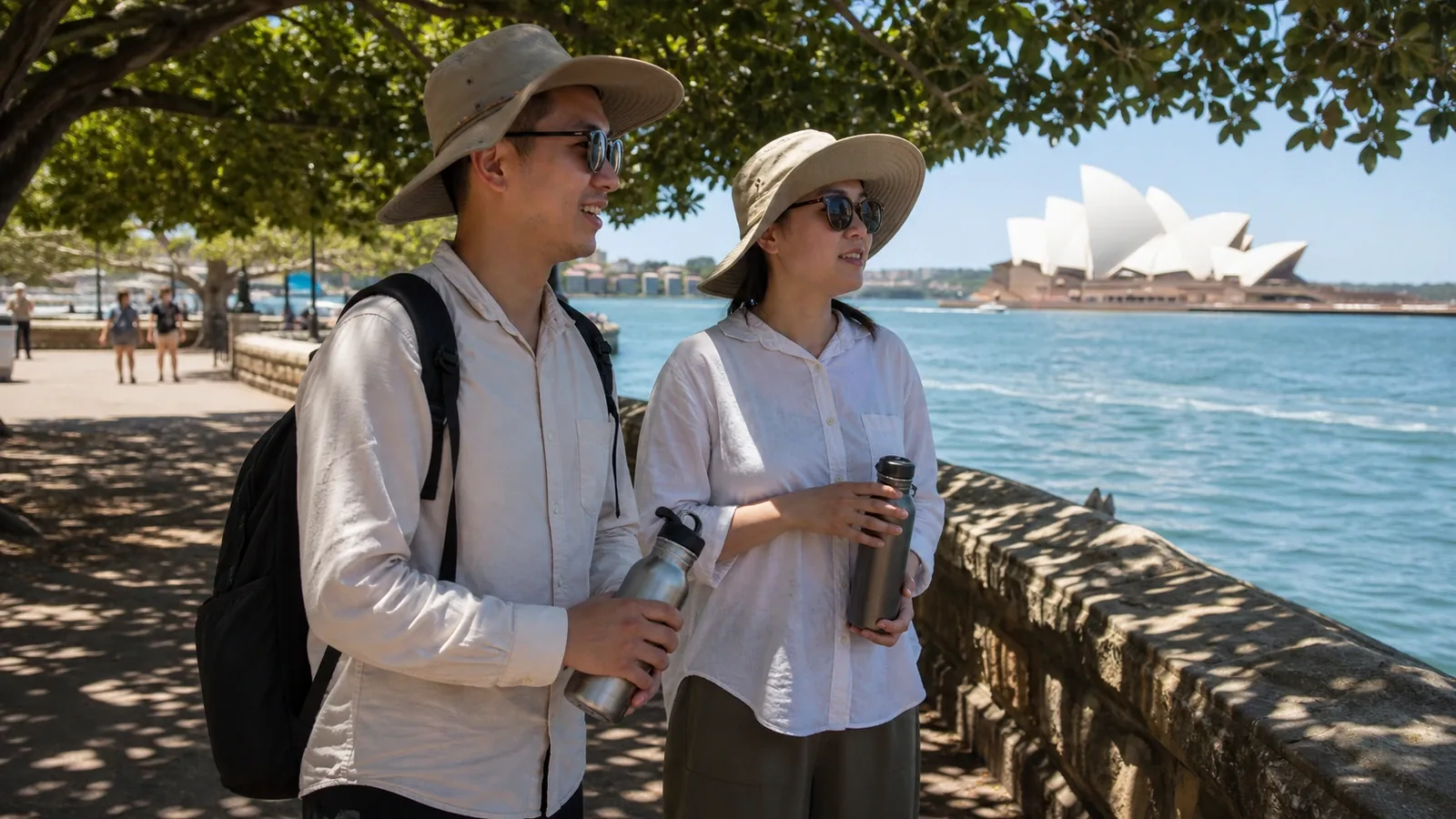
Sydney is also a family-friendly city, although travelling with children brings a different set of risks that are usually more relevant than crime.
The harbour, ferries, ocean pools and beaches are a major part of the Sydney experience, but the water deserves respect. In crowded places, agreeing on a meeting point can be useful if anyone becomes separated, and young children should be watched particularly closely near roads, platforms, wharves and coastal areas.
Then there is the Australian sun. The City of Sydney reminds visitors that ultraviolet radiation can be intense even on cloudy days and recommends sunscreen, a hat, sunglasses and water throughout the year.
This is where the postcard image can be most misleading.
A beach like Bondi can be surrounded by cafés, buses, joggers and apartment buildings while still facing a completely wild ocean. Rip currents are among the most serious hazards on Australian beaches, and Surf Life Saving Australia recommends swimming at patrolled beaches and always between the red and yellow flags.
A classic mistake is seeing a patch of apparently calmer water and entering the sea precisely there. From the shore, a rip current can look like a relatively calm channel.
Being a strong pool swimmer is not the same as knowing how to deal with waves, currents and rapidly changing ocean conditions.
If you remember only one Sydney beach safety rule, make it this one: the flags matter more than how confident you are in your swimming ability.
The season mainly changes which precautions deserve the most attention.
During the warmer months, visitors spend more time on beaches, at pools, on terraces and along coastal walking trails, making heat, hydration, sun exposure and sea conditions more important. Cooler periods reduce some of those concerns, but not all of them: official advice is still to protect yourself from the sun throughout the year.
It is also worth checking the weather before excursions or long walks. Transport for NSW warns that severe weather can affect both personal safety and the operation of the transport network.
For police, medical or fire emergencies, call 000, Triple Zero. For non-urgent police matters, the Police Assistance Line is 131 444.
Both numbers are worth saving before your trip, along with the exact address of your accommodation.
Constant worry is unnecessary. Sensible awareness is not.
Sydney safety for tourists is good enough that you can travel with considerable peace of mind, whether alone or with children. You do not need to build your itinerary around fear, systematically avoid public transport or stay inside after dinner.
Comfort should not be confused with invulnerability. Keeping an eye on your belongings in crowded places, planning the journey home after a night out, avoiding overly isolated streets when alternatives exist and respecting the ocean are enough precautions for the vast majority of visitors.
There is also a very Australian paradox that sums Sydney up rather well: before the trip you may worry most about your wallet, only to arrive and discover that beach flags and the midday sun deserve far more attention.
Discover Sydney through three hand-picked experiences combining city icons, local culture and well-organized excursions.
Activity on TourBookGoSydney Harbour Bridge night climb with a professional Climb Leader, 360° views and all essential gear included. Around 3 hours, from €198 per person.
 Activity on TourBookGo
See wild wombats and kangaroos on an approximately 11-hour Sydney day trip with nature, Australian dinner, transport and stargazing.
 Activity on TourBookGo
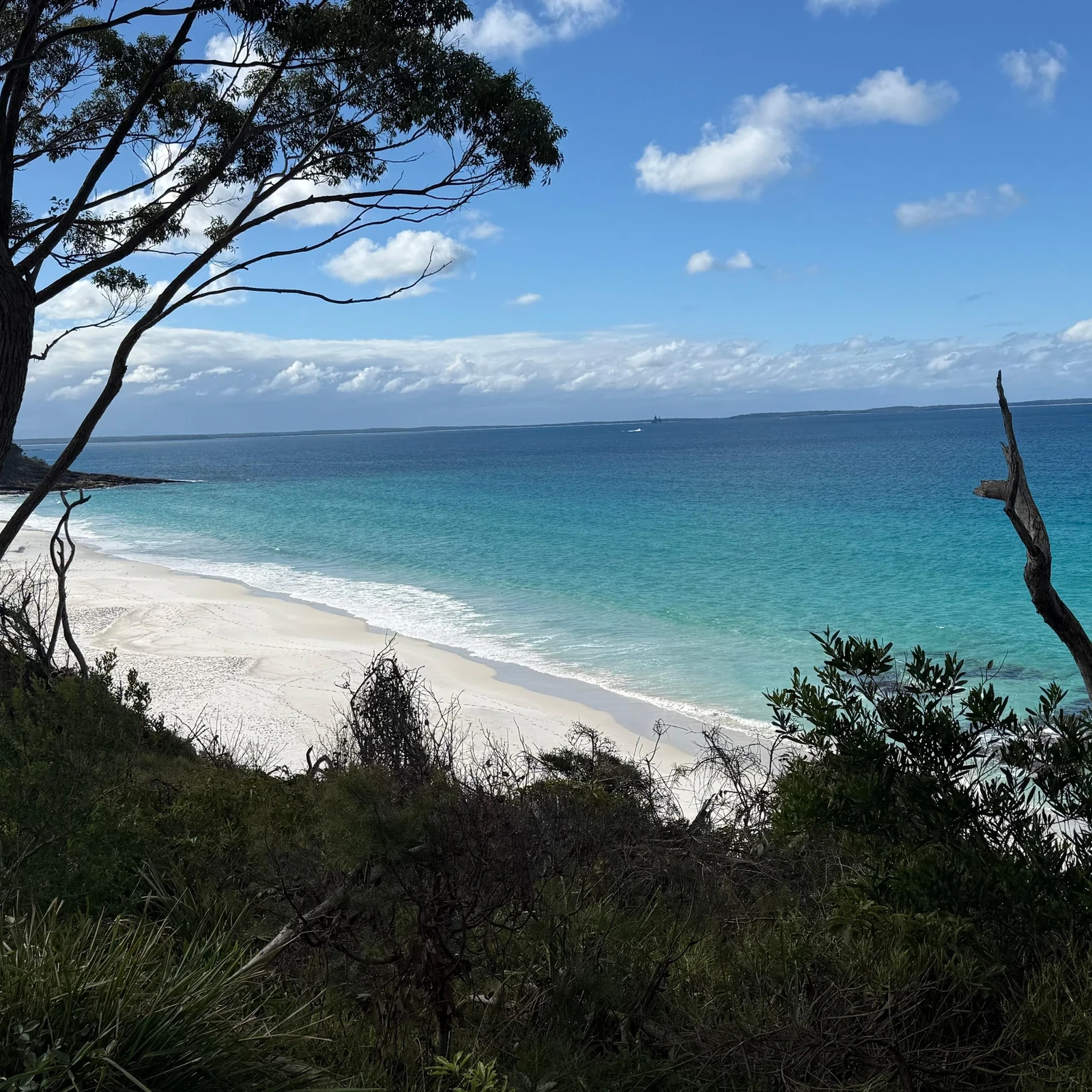
11-hour Jervis Bay day trip from Sydney with Symbio Wildlife Park, koalas, kangaroos and free time at Hyams Beach. From €139.