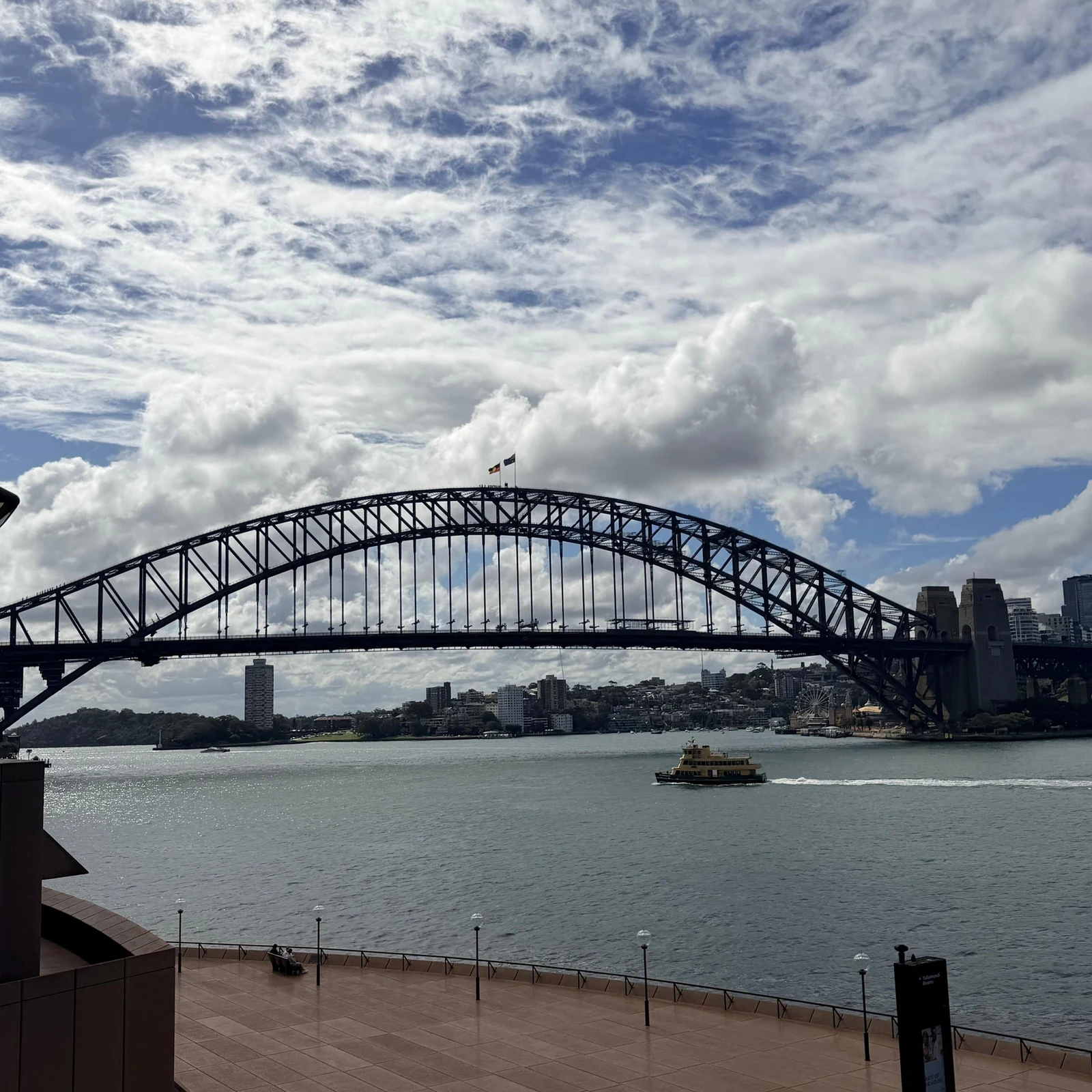
 Activity on TourBookGo
Sydney Harbour Bridge Climb: Guided Daytime Summit Experience
Take the Sydney Harbour Bridge climb on an official 3-hour BridgeClimb with a specialist guide, groups of up to 14 and 360° views. From €228 per person.
If you are wondering whether Sydney is worth visiting, the way the city lives around the water explains much of its appeal. Peaceful bays appear between skyscrapers, the Pacific begins beyond neighbourhoods packed with restaurants, and everyday ferry rides come with views of the Opera House and Harbour Bridge rising above one of the world’s most recognisable harbours.
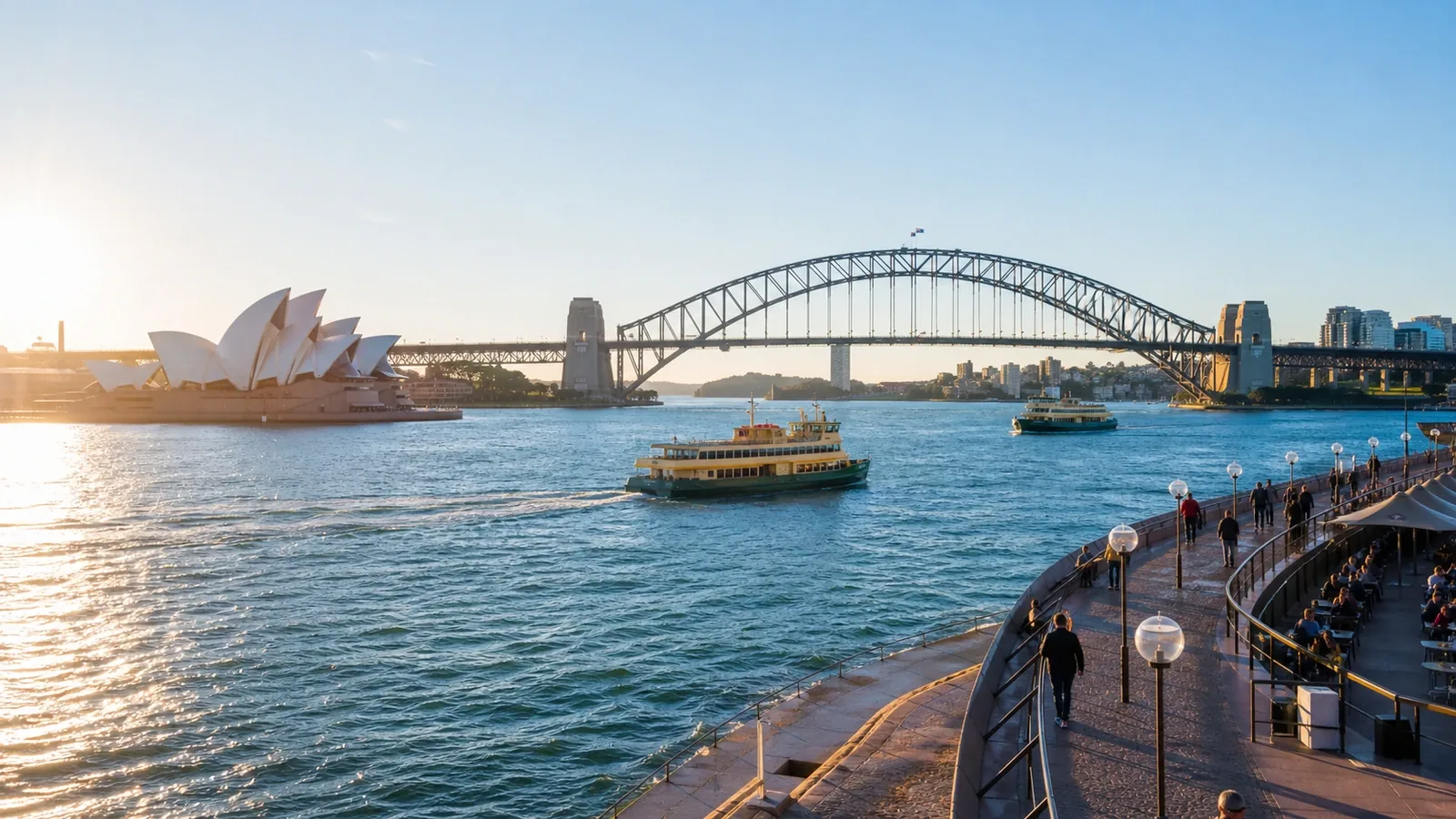
Travelling to Australia means many hours on a plane for much of the world, and Sydney is not exactly a cheap city. So the question is fair: is Sydney worth visiting and giving several days of your trip? For many travellers, yes. Especially if you want a mix of city life, beaches, nature, food and spectacular scenery. But Sydney will not suit every style of trip equally well.
Compare locations and options to find a base that suits your trip. Booking.com confirms current availability and pricing.
Find accommodation on BookingSydney’s greatest appeal lies not only in its landmarks, but in the way city life, sea and nature come together throughout the trip.
The Sydney Opera House and Harbour Bridge form its most recognisable view, yet the experience becomes richer once you move beyond the classic photo stop and explore Circular Quay, The Rocks, the harbourside gardens, ferry routes, eastern beaches and neighbourhoods where everyday life matters as much as tourist attractions.
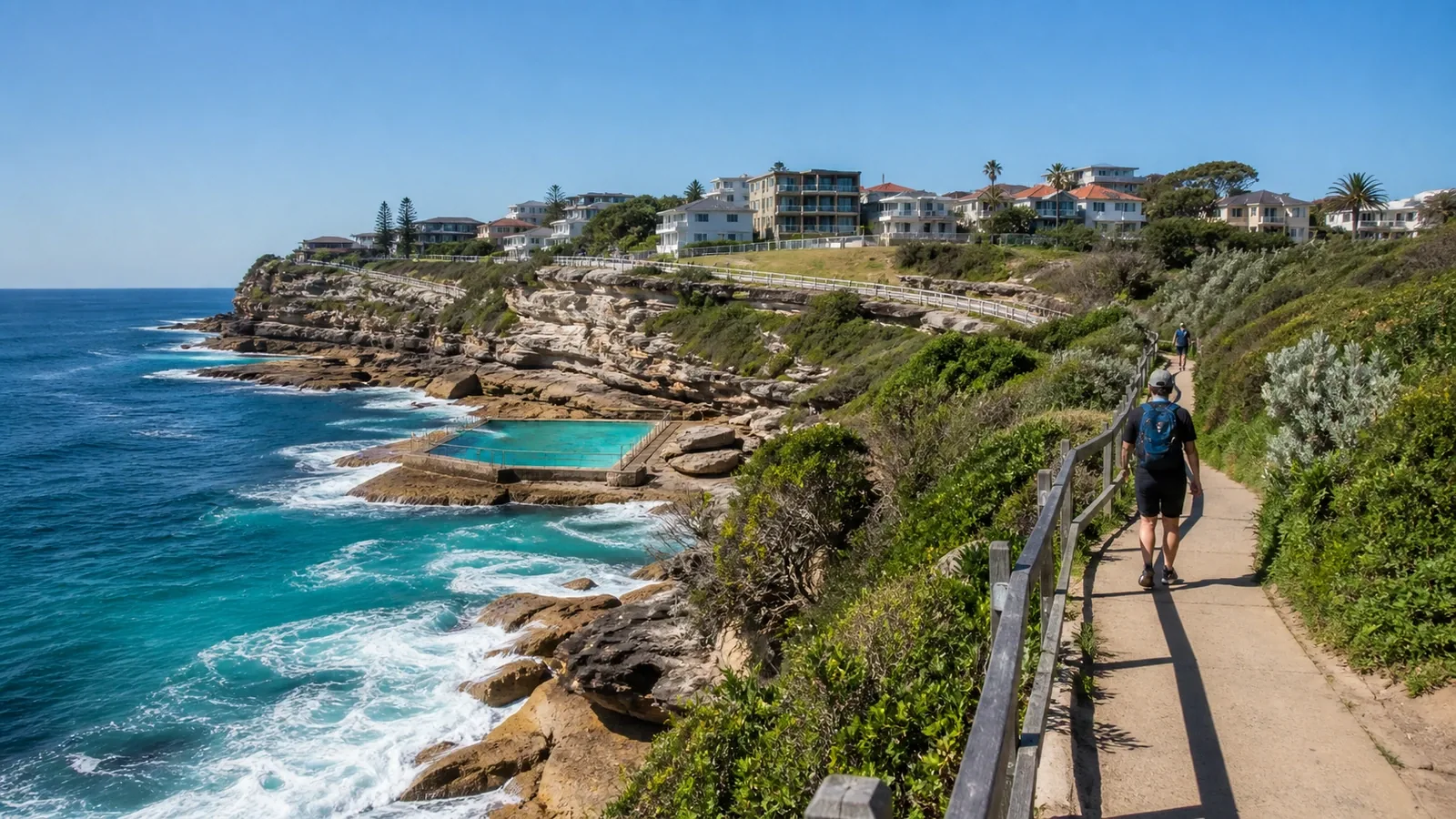
Sydney also extends far beyond the city centre. Bondi, Manly, Palm Beach and countless waterfront areas are part of a geographically spread-out city connected by trains, buses, metro services, light rail and ferries.
That is one of the strongest reasons Sydney is worth visiting: you can spend the morning among city architecture and the afternoon walking beside the ocean without ever leaving Sydney.
A city with nature close at hand.
Sydney works particularly well for travellers who do not want to choose between a city break and a coastal holiday. Beaches, parks, lookouts and lively neighbourhoods can all fit naturally into the same itinerary.
Spectacular urban scenery.
Sydney Harbour is part of everyday life rather than simply a backdrop. Taking a ferry across the water and watching the skyline change around you can easily become one of the most memorable experiences of the trip.
Beaches without giving up culture and food.
Bondi is the most famous, but Sydney beaches extend far beyond it, while the city centre and inner neighbourhoods offer museums, restaurants, markets and nightlife. This variety is one of the city’s biggest strengths.
A first trip to Australia.
For someone visiting the country for the first time, Sydney provides a well-rounded introduction to Australia: coastal scenery, multicultural neighbourhoods, urban life and convenient connections for exploring more of New South Wales.
Sydney has such a powerful image that it is easy to idealise it before arriving. Knowing the downsides makes it easier to plan a trip that feels enjoyable rather than rushed.
It is a sprawling city
Bondi, Manly, the city centre and other places that look close together on a map are not always quick to travel between. The good news is that many attractions can be reached by public transport, and visitors can pay with a contactless card or compatible device without necessarily buying an Opal card.
Even so, trying to cover too many Sydney neighbourhoods in one day can quickly turn your trip into a succession of journeys. Focusing on one or two areas at a time usually makes the city far more enjoyable.
Costs can add up quickly
Sydney is not a difficult place to spend money. Staying in prime locations, eating every meal with harbour views and booking one paid activity after another can push the cost of a trip up considerably.
The upside is that some of the best things to do in Sydney cost very little or nothing at all: walking around the harbour, exploring neighbourhoods, enjoying certain beaches or watching the skyline from different viewpoints.
The famous sights can feel very touristy
Circular Quay, the area around the Opera House and Bondi inevitably attract large numbers of visitors. That does not mean you should avoid them; it simply means Sydney is better when your itinerary extends beyond its icons.
Leave time to sit beside the water, take a leisurely ferry ride or wander through a neighbourhood where there is no major attraction to tick off a list.
Sydney tends to work very well for couples thanks to its combination of restaurants, waterfront walks, beaches and easy escapes beyond the centre.
It is also appealing for families, with parks, open spaces and a broad range of activities. Active travellers can combine coastal walks, surfing, swimming and urban exploration without having to choose just one side of the destination.
Photographers will find Sydney especially rewarding: the water constantly changes the light, and the same harbour can look completely different at sunrise, under the midday sun or as evening falls.
Travellers mainly looking for a compact historic city that can be explored entirely on foot may connect more with other destinations. Sydney is young, spread out and open to the landscape; its beauty lies less in medieval streets and more in the relationship between architecture, ocean and horizon.
For a first visit, three days are enough to see the main Sydney attractions, but the pace can feel rushed.
With four or five days, the trip begins to breathe. There is time for Sydney Harbour, Bondi or the eastern coastline, a less obvious neighbourhood and an excursion or simply a slower day.
A longer stay makes sense if you want to explore more distant beaches, go deeper into the food scene or use Sydney as a base for discovering the surrounding area. The city’s tourism organisation suggests itineraries built around food, culture, outdoor activities and romantic escapes, reflecting how much more Sydney offers beyond a quick tour of its major landmarks.
Sydney can be visited throughout the year, although the season has a noticeable impact on the character of the trip. The climate is generally mild, but extreme weather events can occur, so it is worth checking the official forecast shortly before travelling.
Summer naturally suits Sydney beaches and outdoor terraces, although the best-known coastal areas can also become much busier. The shoulder seasons are often ideal for sightseeing, walking and spending long days outdoors without the entire trip revolving around the beach.
Winter does not take away Sydney’s appeal either. It simply shifts the focus towards the harbour, neighbourhoods, food, culture and urban activities.
This is where the length and cost of the journey deserve careful consideration.
If getting there means flying halfway around the world, travelling all that way purely to spend two or three nights in Sydney is difficult to justify. The city deserves more time or, better still, a place within a wider trip around Australia.
If Sydney is your gateway to New South Wales or a journey through several regions of Australia, spending four or five days here makes much more sense.
Yes, Sydney is worth visiting if you enjoy cities that are experienced as much outdoors as among buildings.
It does not stand out because every corner hides another monument. It stands out because few major cities combine a monumental harbour, ocean beaches, cosmopolitan neighbourhoods and vast open spaces so naturally.
Its biggest drawback is also part of its personality: Sydney is large, spread out and can be expensive. Anyone determined to see everything as quickly as possible will probably enjoy it less than someone who accepts its pace and makes time for ferry rides, walks by the sea and unhurried moments beside the harbour.
Sydney does not need to be perfect to justify the journey. When it matches the way you like to travel, it offers something harder to photograph than its Opera House: an unusually enjoyable way to experience city life beside the ocean.
Discover Sydney through three hand-picked experiences combining city icons, local culture and well-organized excursions.
Activity on TourBookGoTake the Sydney Harbour Bridge climb on an official 3-hour BridgeClimb with a specialist guide, groups of up to 14 and 360° views. From €228 per person.
 Activity on TourBookGo
Enjoy early access to WILD LIFE Sydney Zoo with a keeper-led tour, buffet breakfast near the koalas, a talk, souvenir photo and all-day admission.
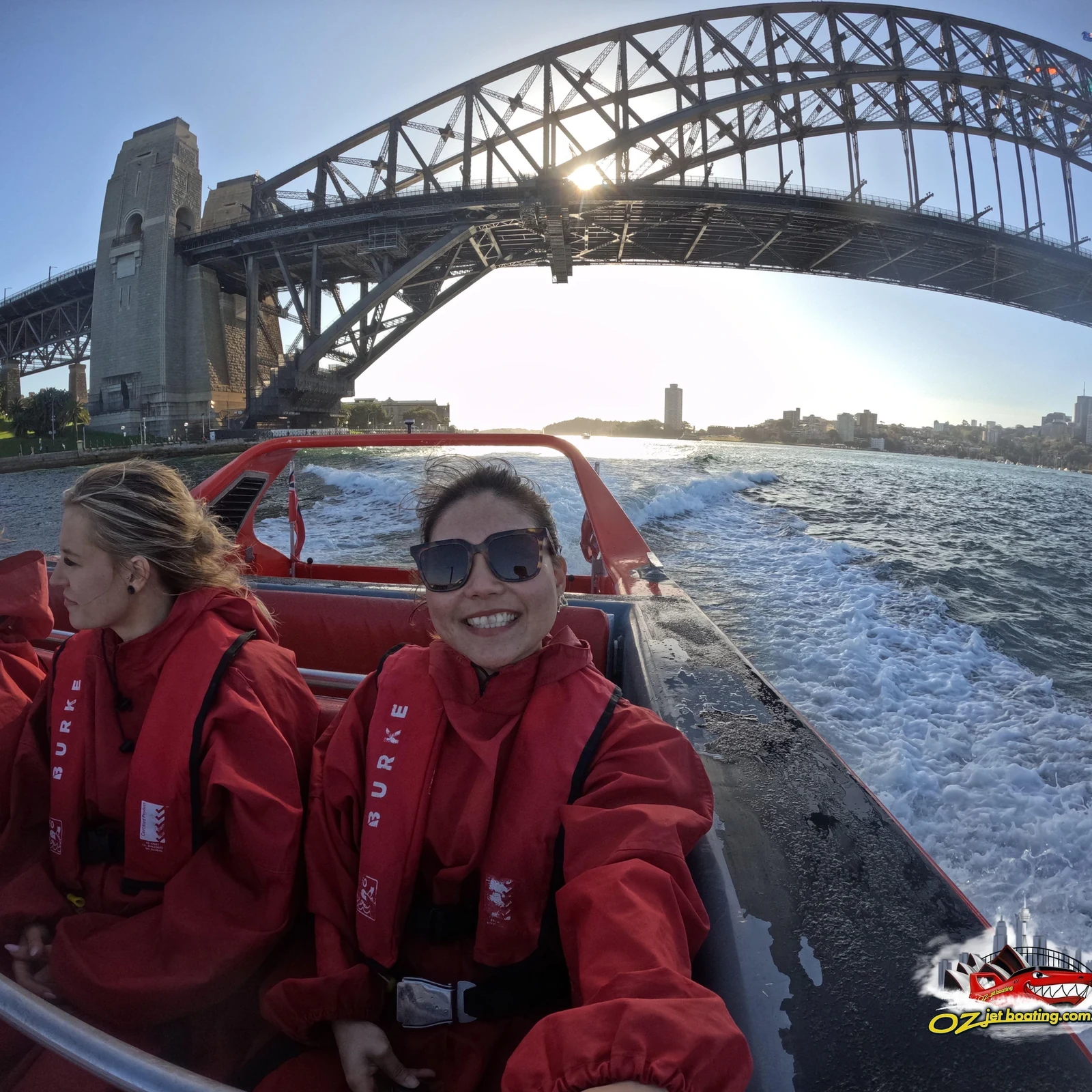 Activity on TourBookGo
Book a 30-minute Sydney jet boat ride from Circular Quay with spins, slides and views of the Sydney Opera House and Harbour Bridge.