 Activity on TourBookGo
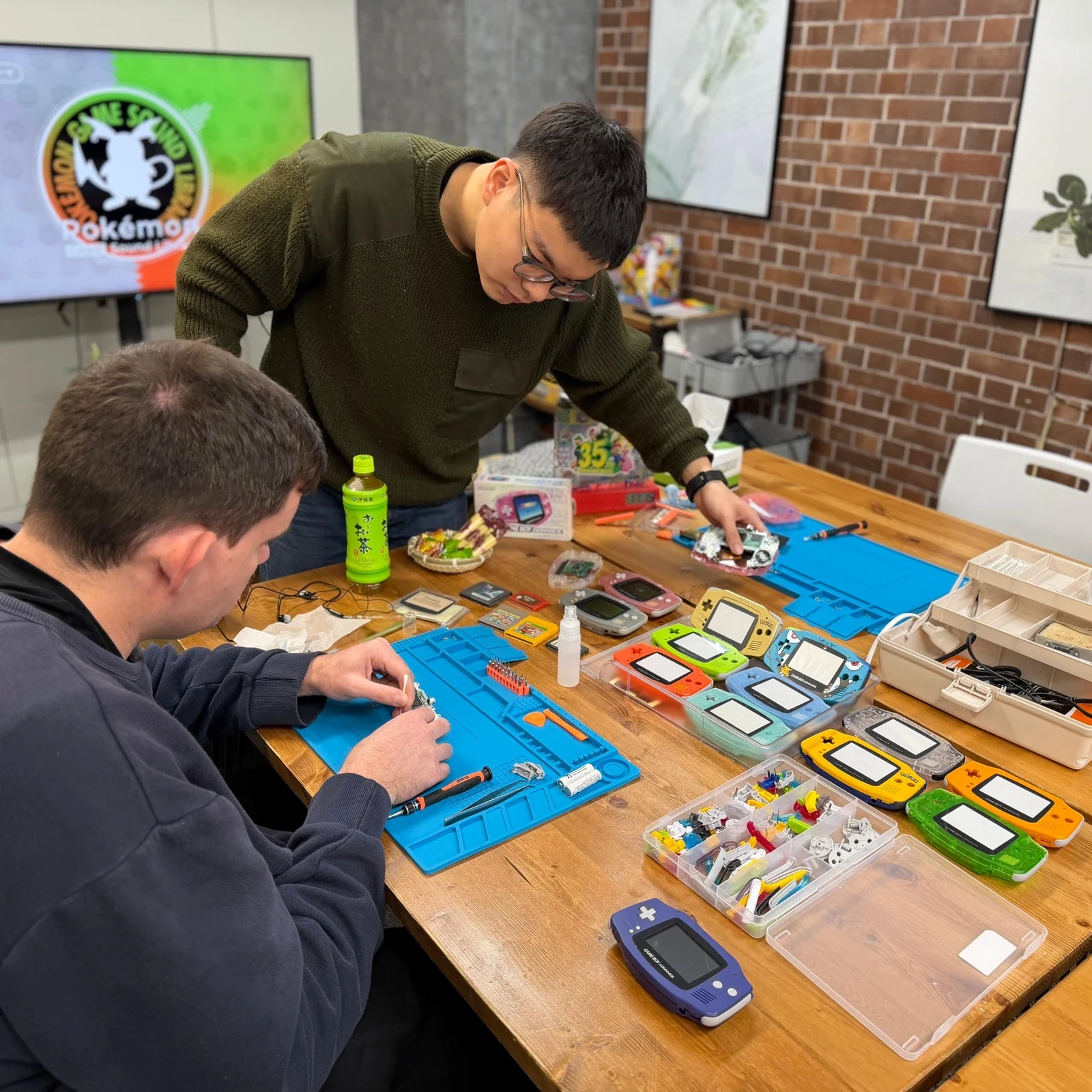
Game Boy workshop in Akihabara: build your retro console
Book a Game Boy workshop in Akihabara and modify a Classic, Advance or SP with parts, tools and step-by-step guidance. From €262 in Tokyo.
Planning a Tokyo travel budget is not only about adding up yen: it is about choosing which version of the city you want to experience. Tokyo can be frugal, comfortable or premium, and each version still brings punctual trains, memorable food, layered neighborhoods and neon nights that do not always cost a fortune.
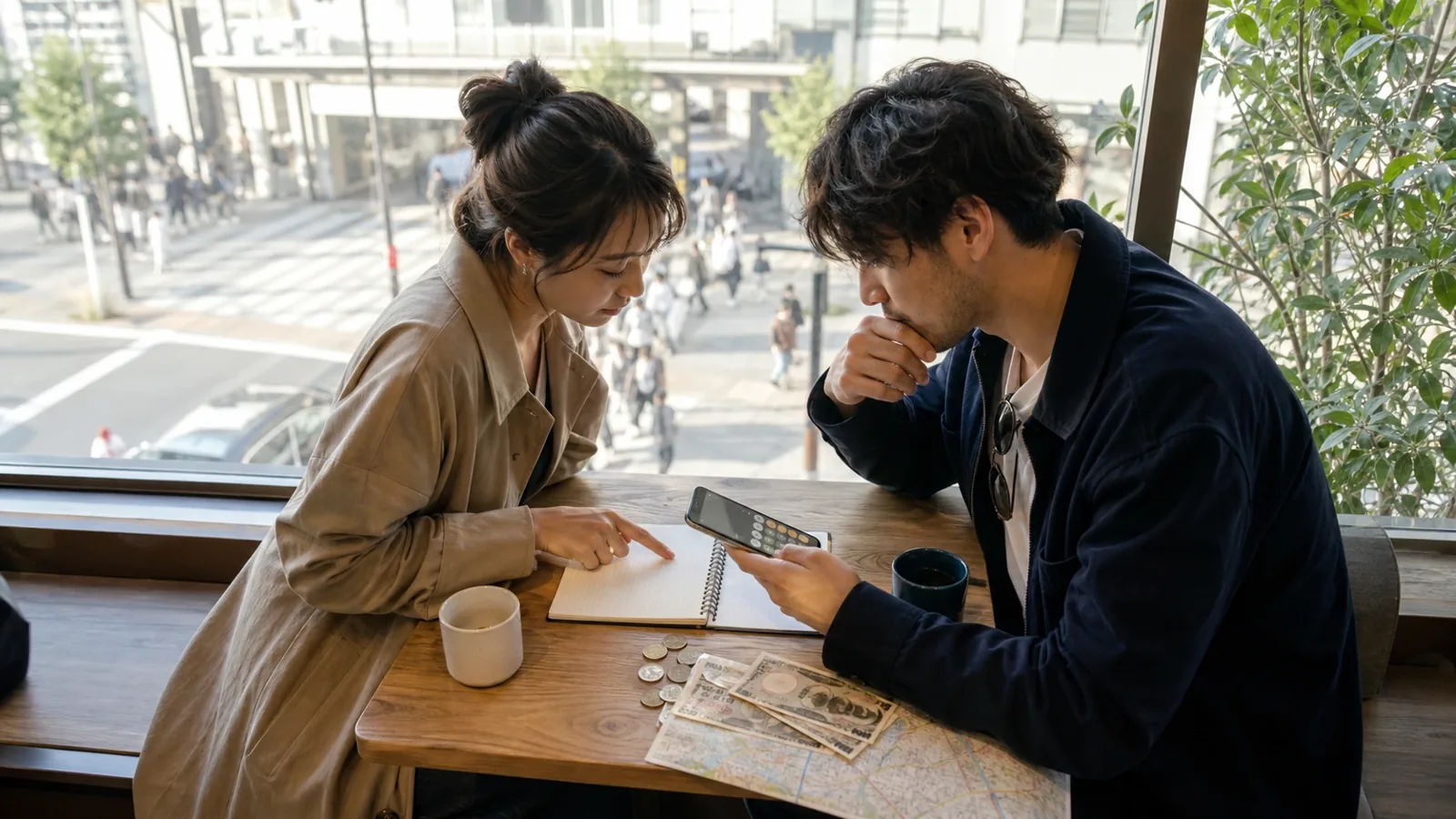
A realistic Tokyo travel budget starts with the city’s contrasts. You can have a warm konbini onigiri for breakfast for very little money, cross half the city by train without ruining your daily budget in Tokyo, and spend hours in temples, neighborhoods and gardens without paying an entrance fee. But you can also spend a small fortune on central hotels, trendy cafés, sushi omakase, observation decks, shopping and late-night taxis. The question is not only how much Tokyo costs, but which Tokyo you want to experience: a frugal, street-level one; a comfortable, well-located one; or one of booked-out restaurants, views from above and hotels where the city seems to light up at your feet.
Compare locations and options to find a base that suits your trip. Booking.com confirms current availability and pricing.
Find accommodation on BookingTo calculate how much Tokyo costs, it helps to separate three worlds: accommodation, food and transport. Accommodation is the biggest variable. Food can be surprisingly reasonable. Getting around by metro and train is efficient, although every journey adds up by the end of the day.
As a current reference, the Tokyo Subway Ticket costs ¥1,000 for 24 hours, ¥1,500 for 48 hours, and ¥2,000 for 72 hours, while JR’s Tokunai Pass for getting around Tokyo’s 23 central wards costs ¥870 for adults. Using the European Central Bank exchange rate of July 13, 2026, 1 euro was equivalent to ¥185.23, so ¥10,000 is approximately €54.
A traveler who sleeps in a hostel, capsule hotel, or simple room, eats a lot at konbini, ramen shops, curry places, local chains and small restaurants, and chooses free or inexpensive activities can get by on around:
¥11,000–¥17,000 per day per person. Approx. €59–€92 per day.
This Tokyo exists, and it is not necessarily poor in experiences. It may even feel more authentic: stations at dawn, narrow ramen counters, markets, discreet temples, residential neighborhoods and neon nights seen from street level. What you sacrifice is space, rest and sometimes location.
For someone looking for a simple but comfortable hotel, a good location, one or two sit-down meals a day, cafés, museums, the occasional observation deck and transport without counting every yen, a reasonable budget would be:
¥22,000–¥35,000 per day per person. Approx. €119–€189 per day.
This is the most balanced point for most people. It lets you enjoy Tokyo without feeling that every decision is a compromise, although it still requires care: hotel prices rise sharply in peak seasons, and popular restaurants may require reservations.
If the trip includes higher-end hotels, special restaurants, occasional taxis, cocktail bars, shopping, observation decks, private experiences or excursions, the budget can start at:
¥45,000–¥80,000 or more per day per person. Approx. €243–€432 or more per day.
Tokyo knows how to absorb money with quiet elegance. It does not always look that way: a calm street may hide a very expensive restaurant, a design shop, an artisan pastry boutique, or a tiny bar with a sizeable bill.
Sleeping in Tokyo can be reasonable or very expensive depending on the area, the season and the size of the room. In general, central hotels are small by European standards, even when they are not cheap.
To save money on Tokyo accommodation, it is worth looking at well-connected but less obvious areas: Ueno, Asakusa, Ikebukuro, Akasaka, Nippori, Kinshicho or some parts of Shinagawa. Shinjuku, Shibuya, Ginza and Tokyo Station are convenient, but they usually push the budget up.
A cautious estimate per night would be: low budget, ¥5,000–¥10,000 per person in capsule hotels, hostels or very simple accommodation. The advantage is the price. The downside is clear: little space, less privacy and accumulated fatigue if the trip lasts many days.
Mid-range budget: ¥14,000–¥28,000 per double room in simple or mid-range hotels. For two people, this is usually the most sensible option. For a solo traveler, Tokyo becomes considerably more expensive because you pay almost the same for the room.
High budget: ¥35,000–¥70,000 or more per night in superior, boutique or very well-located hotels. Here you are paying for comfort, views, silence and location. Not always huge rooms.
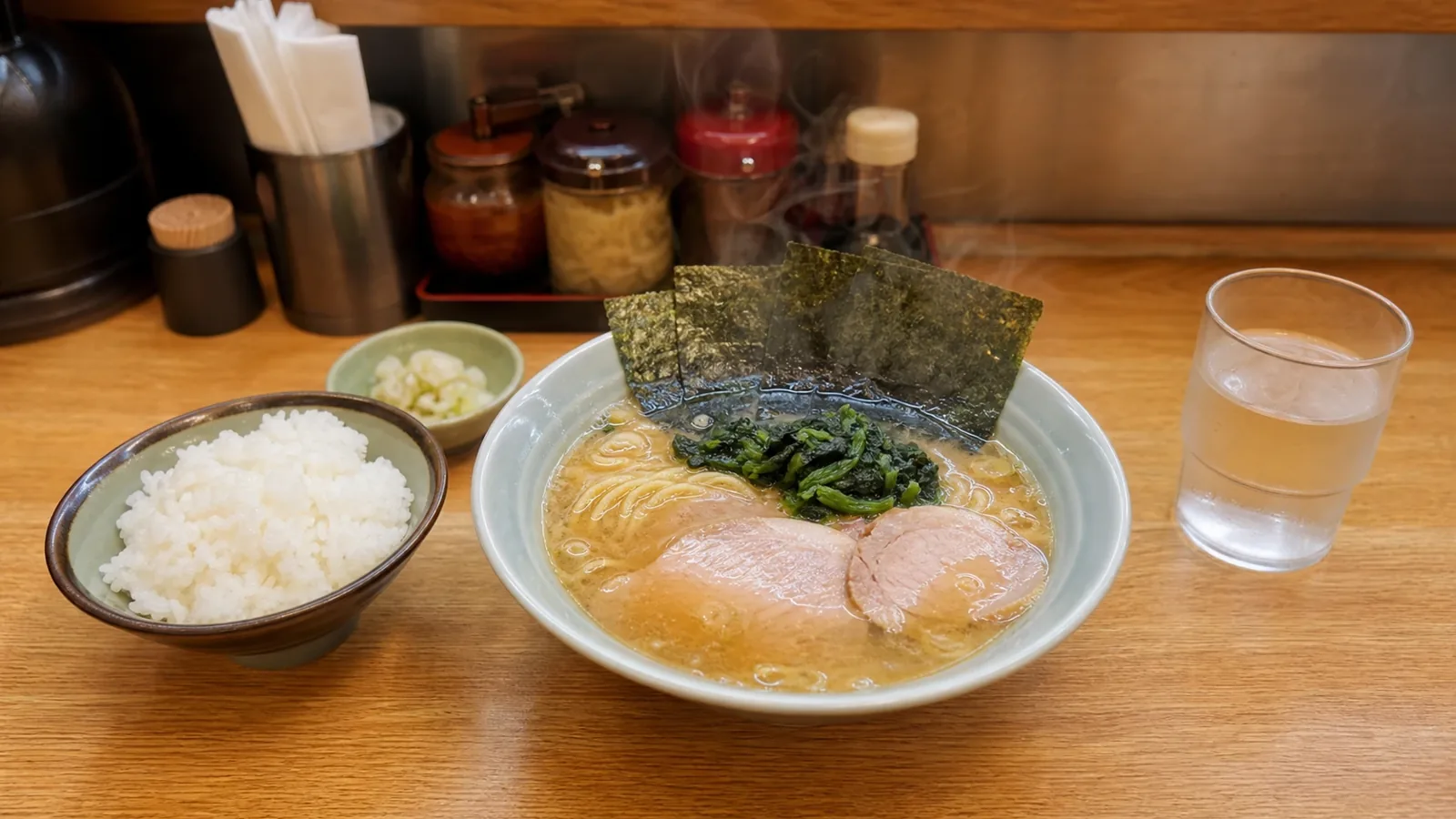
Cheap food in Tokyo does not mean bad food. In fact, one of the city’s greatest pleasures is that even everyday food can be beautifully done: a bowl of udon, a simple tonkatsu, a supermarket sushi tray at the end of the day, a coffee on a side street, a steaming bowl of ramen in the rain.
An economical day can work with: konbini breakfast, ¥400–¥900; simple lunch, ¥900–¥1,500; casual dinner, ¥1,200–¥2,500.
A mid-range food budget would be between ¥4,000 and ¥7,000 per day. If you add good sushi, izakayas, pretty cafés, desserts, bars or special dinners, it is easy to go up to ¥10,000–¥18,000 per day.
What can disappoint: some very famous restaurants have longer lines because of Instagram than because of any real gastronomic thrill. Tokyo rewards the curious traveler more than the one who only chases viral lists.
Getting around Tokyo is comfortable, punctual and fascinating, but the network can feel intimidating at first. The good news is that you rarely need a taxi. The bad news: if you cross the city a lot, the fares add up.
For most travelers, calculate ¥700–¥1,500 per day on metro and train within Tokyo.
Metro passes can pay off if you are going to make many journeys on Tokyo Metro and Toei lines. The 72-hour Tokyo Subway Ticket for ¥2,000 is especially interesting for packed itineraries. If you are mainly going to use JR within the 23 wards, the Tokunai Pass can be useful, but it does not cover the entire city rail ecosystem.
The common mistake is buying passes without checking the itinerary. In Tokyo, saving money does not always mean having a pass; it often means staying near a useful line.
Tokyo offers a huge amount without charging admission: Senso-ji, Meiji Jingu, Shibuya, Harajuku, Yanaka, Shimokitazawa, parks, free or semi-free viewpoints, shopping streets, markets and entire neighborhoods that are an experience in themselves.
But some visits do add up. For example, Tokyo Skytree has tickets starting at around ¥3,000 for observation deck combinations, depending on the option and date. The Tokyo National Museum publishes free admission days for its collections on specific dates in 2026, although special exhibitions may have separate prices.
Calculate: budget trip, ¥0–¥2,000 per day; mid-range trip, ¥2,000–¥6,000 per day; experience-heavy trip, ¥7,000–¥15,000 or more per day.
These calculations are per person, excluding international flights. For accommodation, they assume a moderate shared cost when traveling as a couple; if you are traveling alone, add extra margin.
3 days in Tokyo: budget, ¥33,000–¥51,000, approx. €178–€275. Mid-range, ¥66,000–¥105,000, approx. €356–€567. Comfortable, ¥135,000–¥240,000+, approx. €729–€1,296+.
Three days force you to choose. Do not spend too much time crossing the city from one end to the other: time also costs money.
5 days in Tokyo: budget, ¥55,000–¥85,000, approx. €297–€459. Mid-range, ¥110,000–¥175,000, approx. €594–€945. Comfortable, ¥225,000–¥400,000+, approx. €1,215–€2,159+.
Five days let you breathe more easily. It is an ideal length of stay for combining the classics with less obvious neighborhoods.
7 days in Tokyo: budget, ¥77,000–¥119,000, approx. €416–€642. Mid-range, ¥154,000–¥245,000, approx. €831–€1,323. Comfortable, ¥315,000–¥560,000+, approx. €1,701–€3,023+.
A week allows Tokyo to stop being just a spectacle and start becoming a rhythm: neighborhood bakeries, familiar trains, streets that by the third day already feel less foreign.
The best way to save in Tokyo is not to live under constant restrictions, but to spend where the city is truly worth it.
Stay near a well-connected station, even if it is not in the most famous area. Alternate restaurants with konbini and Japanese chains. Buy tickets only for observation decks or museums that genuinely interest you. Walk through whole neighborhoods instead of jumping from attraction to attraction. And book accommodation in advance if you are traveling in spring, autumn, Christmas or during major events.
Avoid depending on taxis: they are comfortable, but they can break the budget. It is also worth being careful with bars that do not display clear prices, restaurants aimed too heavily at tourists and impulse shopping in areas such as Shibuya, Ginza, Akihabara or Harajuku.
Tokyo can feel more expensive in spring, especially during cherry blossom season, and in autumn, when the weather is pleasant and demand rises. Summer can be tougher because of heat and humidity, although in practice it is not always cheaper. Winter, outside Christmas and New Year, can offer better accommodation opportunities.
The exchange rate also matters. In 2026, the weak yen has made Tokyo more accessible for many European travelers, but that can change. It is worth checking the exchange rate before finalizing major bookings.
For a comfortable trip without luxury, a sensible figure would be to budget between ¥22,000 and ¥35,000 per day per person, excluding flights. If you are traveling on a tight budget, you can go much lower. If you want central hotels, special dinners and memorable experiences, Tokyo gets expensive quickly.
Tokyo is worth it for those who enjoy walking, observing, eating well without needing a white tablecloth and getting lost in layers of city. It can disappoint those who expect obvious monuments at every turn or a cheap trip without planning. It is a generous city, but not a naive one: it rewards the traveler who knows how to choose.
You do not need to spend a fortune to feel Tokyo. But it is worth knowing where not to save: on a good location, enough time and at least one experience that, when you remember it years later, still carries the wet glow of its streets at night.
Activities and experiences in Tokyo to complete the trip according to your budget, available time and the kind of city you want to experience.
Activity on TourBookGoBook a Game Boy workshop in Akihabara and modify a Classic, Advance or SP with parts, tools and step-by-step guidance. From €262 in Tokyo.
 Activity on TourBookGo
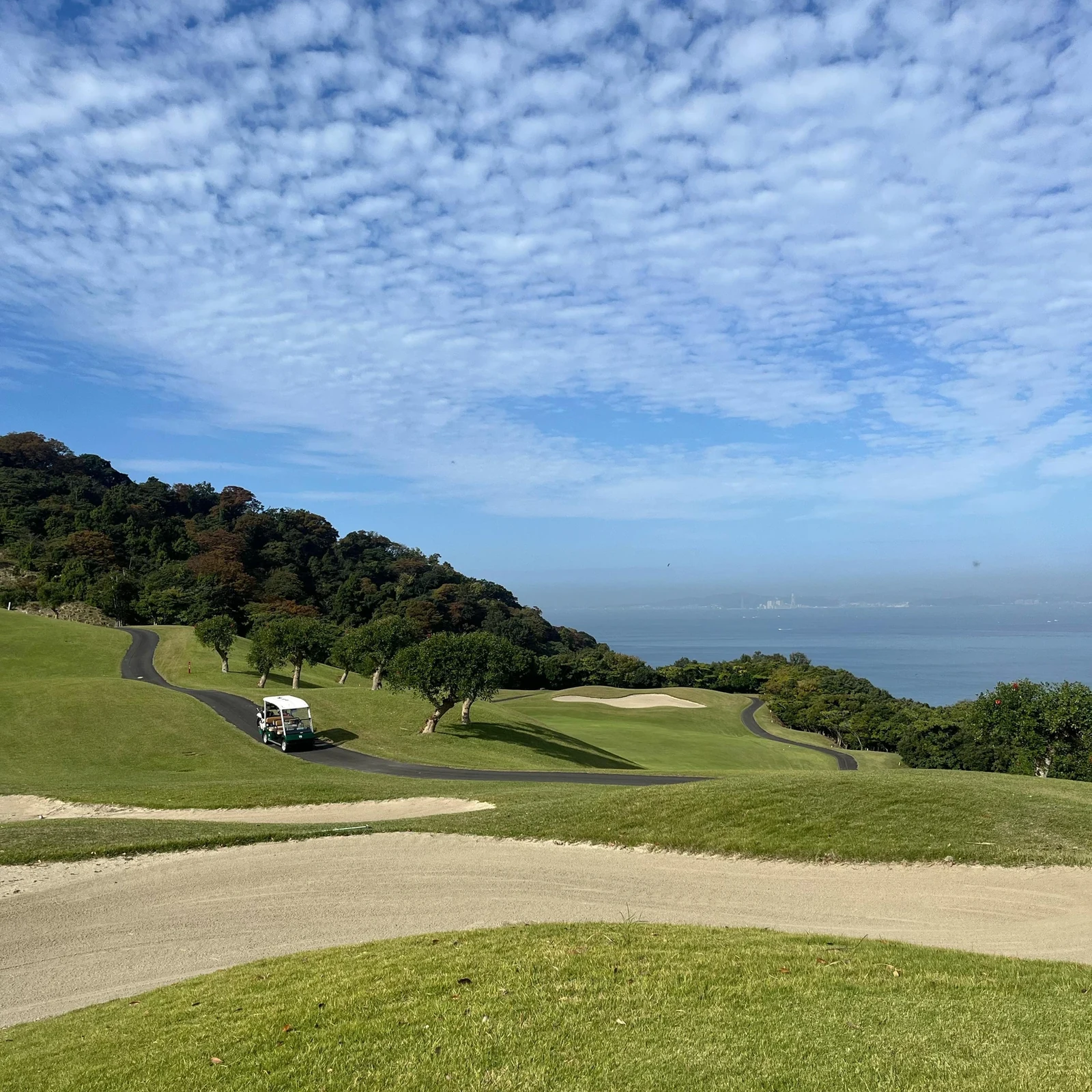
Book a Tokyo golf day trip with Shibuya transport, 18 holes near the city, green fees, caddie fees, clubs, a local guide, and post-round bath.
 Activity on TourBookGo
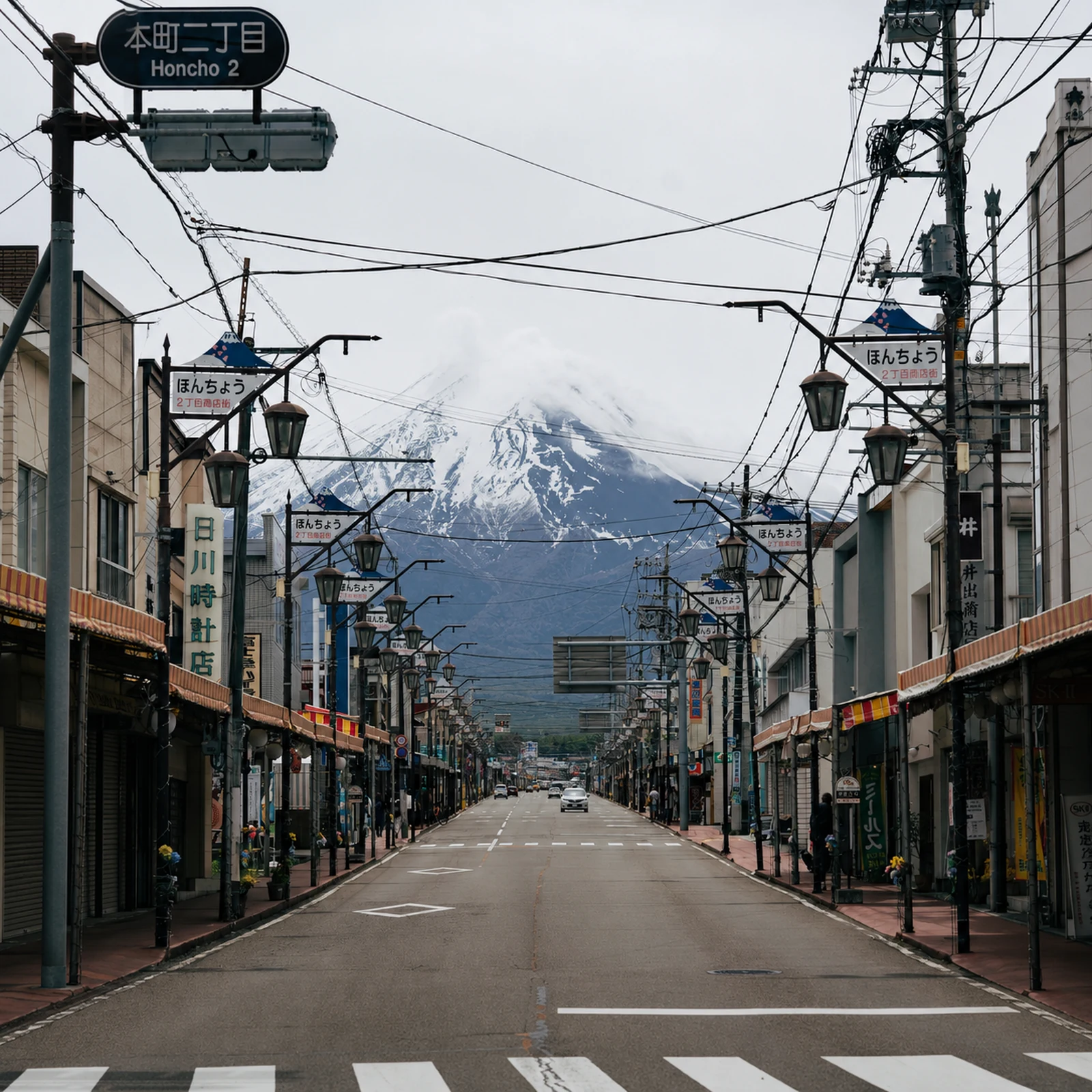
Private Mount Fuji tour from Tokyo with private car, hotel pickup, driver/guide and a flexible route through Fuji Five Lakes, Hakone and scenic viewpoints.