 Activity on TourBookGo
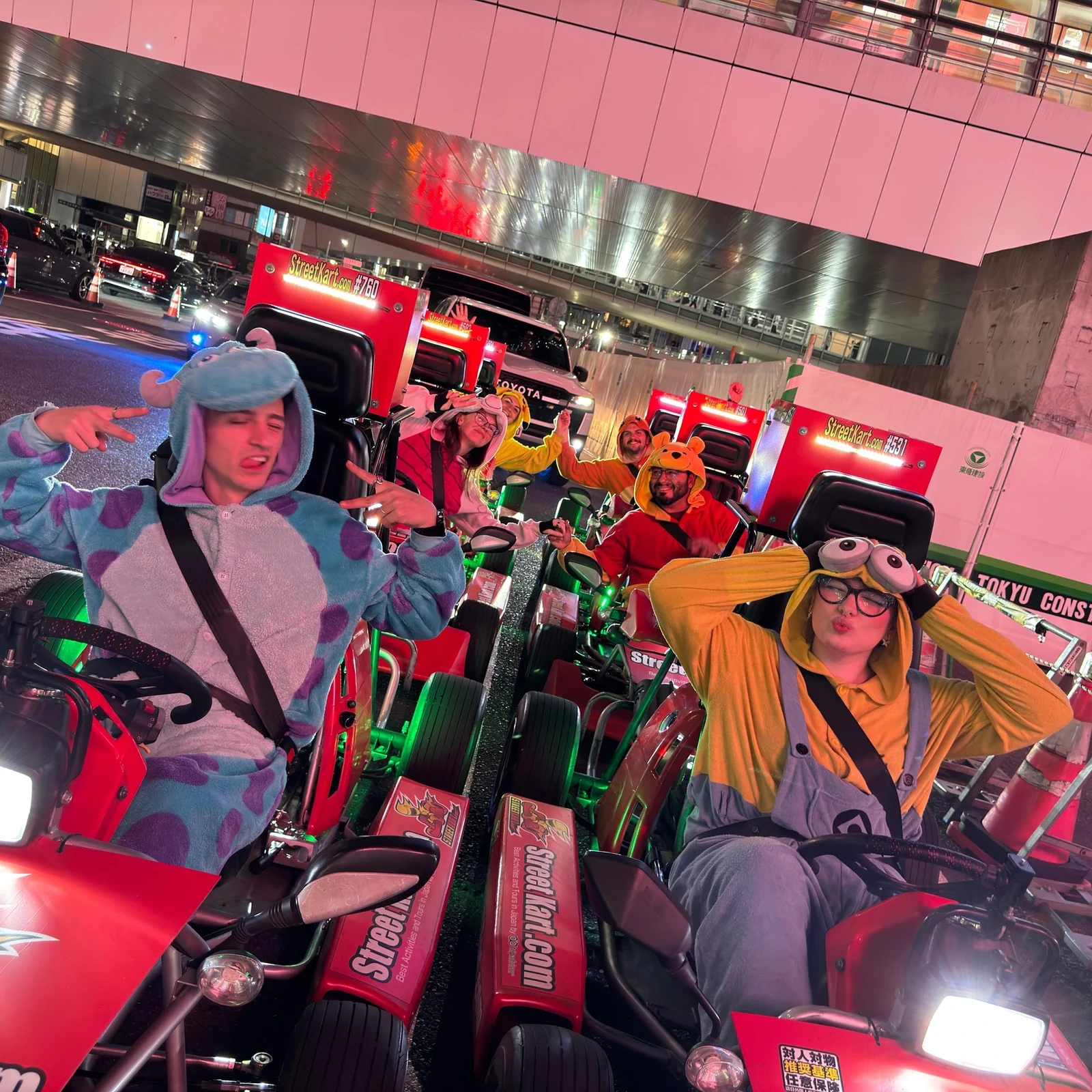
Street Kart in Shibuya Tokyo through Shibuya Crossing
Book Street Kart in Shibuya Tokyo and drive through Shibuya Crossing, Harajuku and Omotesando on a 1-hour guided tour with photos and a small group.
How to get around Tokyo can feel overwhelming when you arrive, but the city has a surprisingly clear logic. Combine urban trains, the subway, an IC card and short neighbourhood walks, and moving between temples, viewpoints, markets and shopping districts becomes much easier.
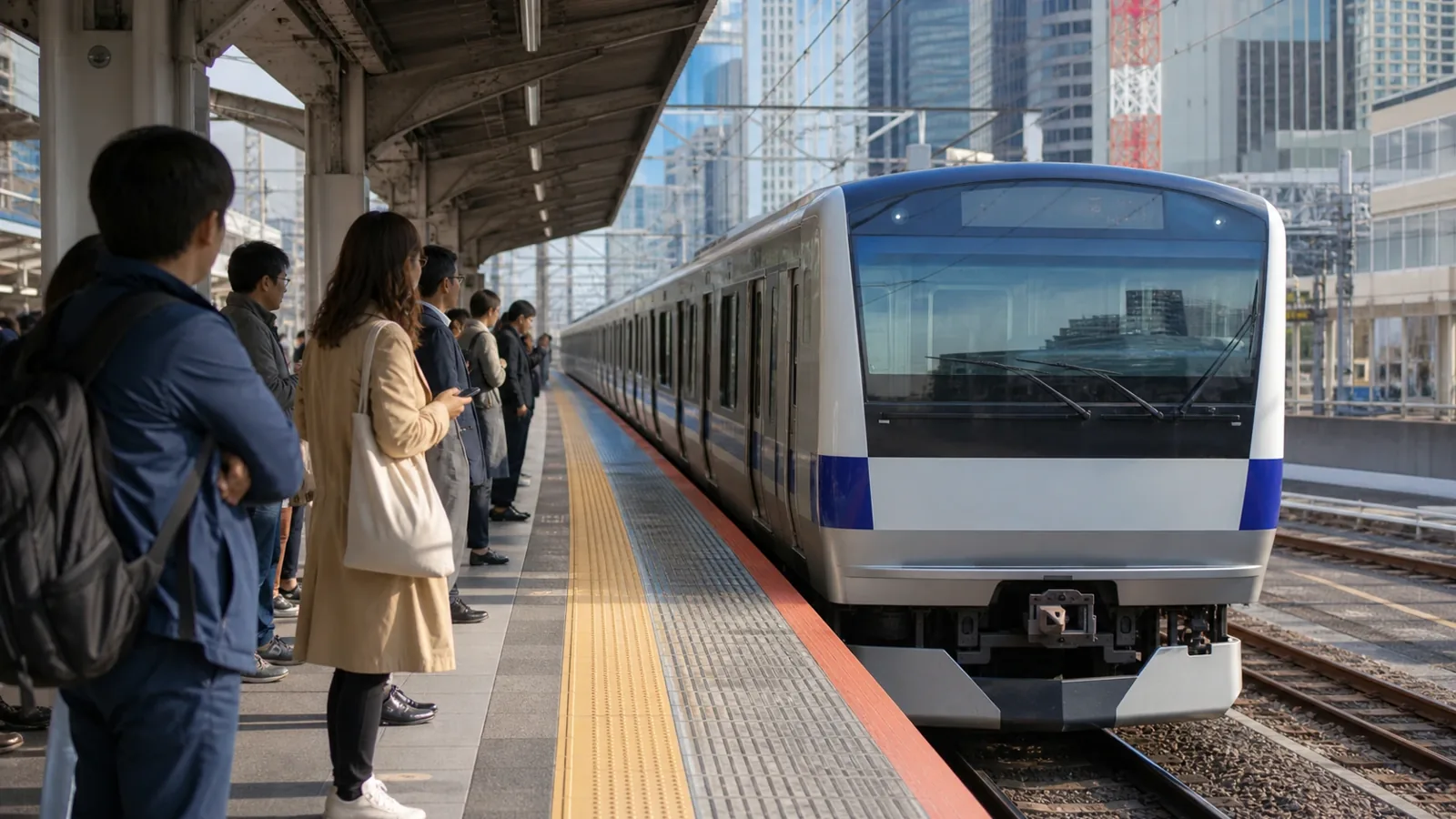
How to get around Tokyo is not about memorising an impossible map; it is about understanding how the city breathes. Some stations feel like underground neighbourhoods, corridors stretch beneath shopping centres, lines change operator with little visual warning, and crowds move with almost silent precision. At first it is intense; then it starts to make sense. The best way to get around Tokyo is to combine urban trains, the subway and short walks. Tokyo public transport covers almost every area visitors need, and a Suica, PASMO or Welcome Suica card helps you travel without stopping at ticket machines each time. Plan by neighbourhood, choose the right station exits, and the city begins to feel less like a maze and more like a rhythm.
Compare locations and options to find a base that suits your trip. Booking.com confirms current availability and pricing.
Find accommodation on BookingTokyo is not explored like a compact European city. Here, it is not wise to look at the map and think: “that looks close.” A distance that appears reasonable visually can easily mean thirty or forty minutes once you factor in the train, the transfer, the right exit and the final walk.
The most practical approach is to organise each day by area: Asakusa and Ueno; Shibuya, Harajuku and Omotesando; Shinjuku and nearby districts; Ginza, Tokyo Station and Marunouchi. Constantly jumping from one side of the city to another ends up stealing both time and energy, especially during rush hour or when travelling with children.
Trains and the subway are the heart of Tokyo public transport. They work well, run frequently, are clean and are very safe. The less comfortable part is usually not inside the carriages, but in the major stations: Shinjuku, Tokyo Station, Shibuya or Ikebukuro can feel like labyrinths of white light, signs, escalators and human currents.
The key is not to memorise every line, but to pay attention to three things: the station name, the line number and the correct exit. In Tokyo, choosing the wrong exit can leave you several minutes away from your destination, especially in enormous stations.
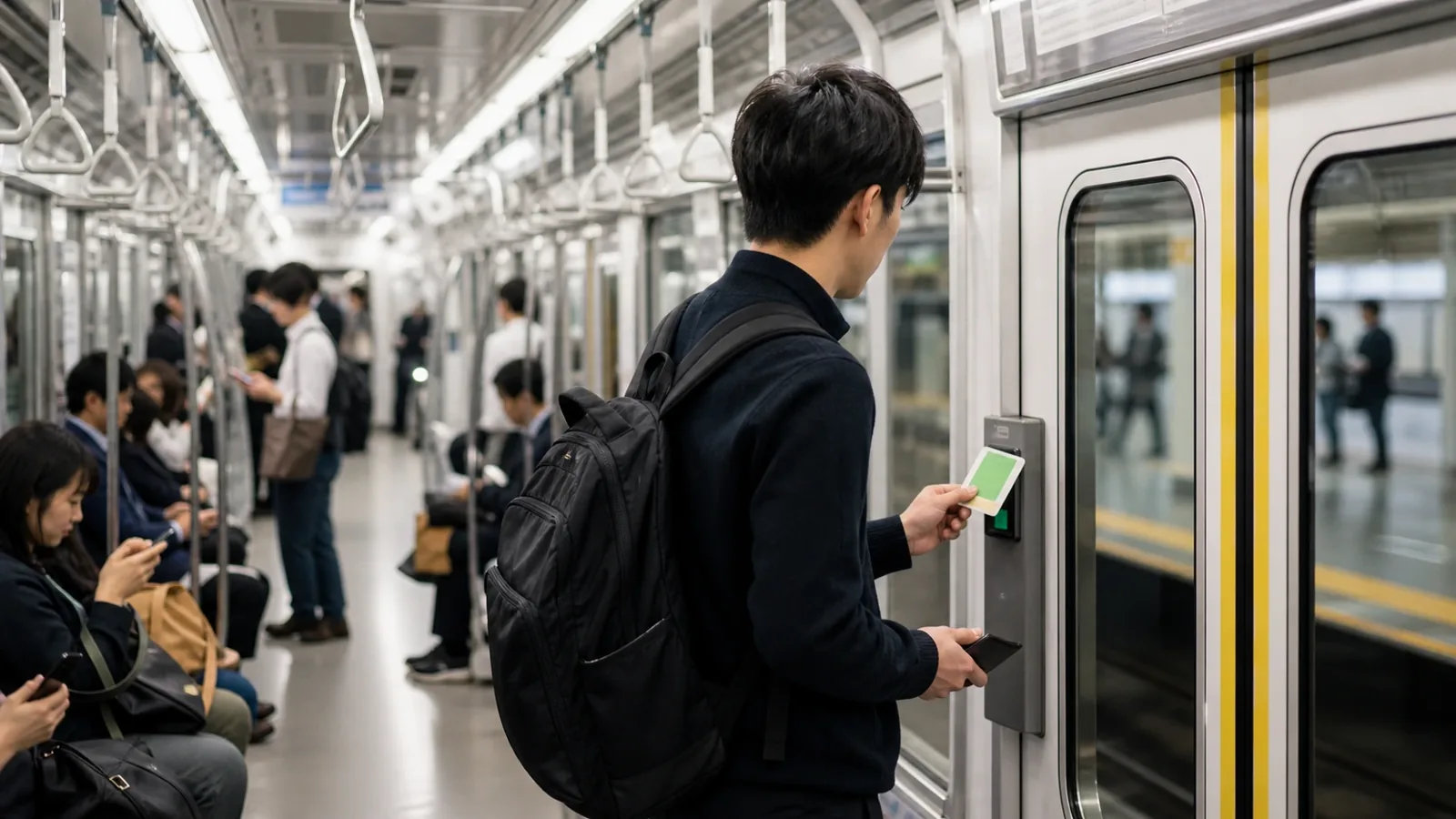
For travellers, the easiest option is to use an IC card such as Suica, PASMO or Welcome Suica. It works for getting around Tokyo by train, subway, bus and many compatible services, and it also lets you pay in shops and at vending machines without looking for coins.
Welcome Suica is designed for short-term visitors and is practical if you want a quick solution from day one. Suica and PASMO are also very convenient when available during your trip, especially if you plan to combine several lines and operators.
Single tickets are only worth it if you are making one or two isolated journeys. For everything else, an IC card saves you calculations, ticket machines and small moments of confusion.
It depends on the pace of your trip. The Tokyo Subway Ticket can pay off if you plan to take several rides in one day and your routes fit well with Tokyo Metro and Toei Subway lines.
It is a useful option for busy days between subway-friendly areas such as Asakusa, Ginza, Roppongi, Shinjuku or Shibuya, as long as you are not relying too much on JR lines or private railways.
But it is not always the smartest option. If your itinerary combines JR lines, private railways or only a few specific journeys, an IC card may be simpler. Tokyo rewards flexibility: sometimes saving a few yen is not worth constantly checking which line your pass covers.
Tokyo is discovered on foot, but it is not conquered on foot. Strolling between Yanaka and Ueno, wandering through the side streets of Kagurazaka or walking from Harajuku to Omotesando can be wonderful: discreet lanterns, minimalist façades, drink vending machines glowing in quiet alleyways and small temples caught between buildings.
The problem comes when distances are underestimated. Walking from Shibuya to Shinjuku may look tempting on the map, but it is not always a good idea if you have already been travelling for hours, if the heat is humid or if the children are tired. Tokyo is best enjoyed by alternating trains with neighbourhood walks, rather than trying to cover the whole city on foot.
Taxis in Tokyo are immaculate, comfortable and very useful at night, in heavy rain, with luggage or when three or four people are travelling together. They can also save a late dinner if the last train has already gone.
But they should not become your main form of transport. In traffic, a taxi can be slower than the train, and on longer journeys the fare rises quickly. For moving between tourist areas during the day, the subway and train usually win.
Buses exist, work well and can be useful in neighbourhoods where the subway does not go directly. However, for a first visit to Tokyo, they are not essential. The train and subway system covers most tourist needs with less uncertainty.
The bus is more worthwhile if you are staying in a residential area, visiting museums or parks that are less central, or already know the city a little.
No. For visiting Tokyo, renting a car is usually more trouble than it is worth. Traffic, parking, urban expressways and the complexity of driving through such a dense metropolis mean that a car does not make sense for the average traveller.
It would only make sense if you are heading out to rural areas, mountain routes or places poorly connected outside the city. For Tokyo itself, public transport is more efficient, cheaper and less stressful.
Haneda is the most convenient airport for reaching central Tokyo. Its train and monorail connections make it easy to link into several parts of the city, especially if you already have an IC card ready.
Narita is farther away, but it also has strong rail connections. Depending on where you are staying, the Narita Express, Keisei Skyliner or other lines may work better for stations such as Tokyo Station, Ueno, Nippori, Shinjuku or Shibuya.
The best choice depends on your accommodation: Ueno or Asakusa usually favour Keisei; Tokyo Station, Shinjuku or Shibuya may be better suited to the Narita Express. From Haneda, Keikyu and the Monorail are the natural options depending on your final destination.
The first mistake is changing neighbourhoods too often in a single day. The second is ignoring the correct station exit. The third is travelling with large suitcases during rush hour. Tokyo works, but it does not forgive total improvisation.
It is also worth avoiding unnecessary transfers. Sometimes a route takes five minutes longer but involves fewer changes and is much more comfortable. In a city this intense, the “simplest” route is often better than the “fastest” one.
Getting around Tokyo is worth it because public transport allows you to experience an enormous city without depending on a car. But it is not always a relaxing experience: there are overwhelming stations, dense rush hours, very long corridors and a certain mental fatigue during the first few days.
Tokyo is ideal for patient, curious travellers willing to learn its rhythm. It can exhaust those looking for a small, intuitive city where improvising is easy. The reward comes when you stop fighting the map and start moving by areas, lines and exits. Then the city opens up: not as chaos, but as choreography.
Complete this transport guide with experiences in Tokyo that fit easily into your journeys and routes around the city.
Activity on TourBookGoBook Street Kart in Shibuya Tokyo and drive through Shibuya Crossing, Harajuku and Omotesando on a 1-hour guided tour with photos and a small group.
 Activity on TourBookGo
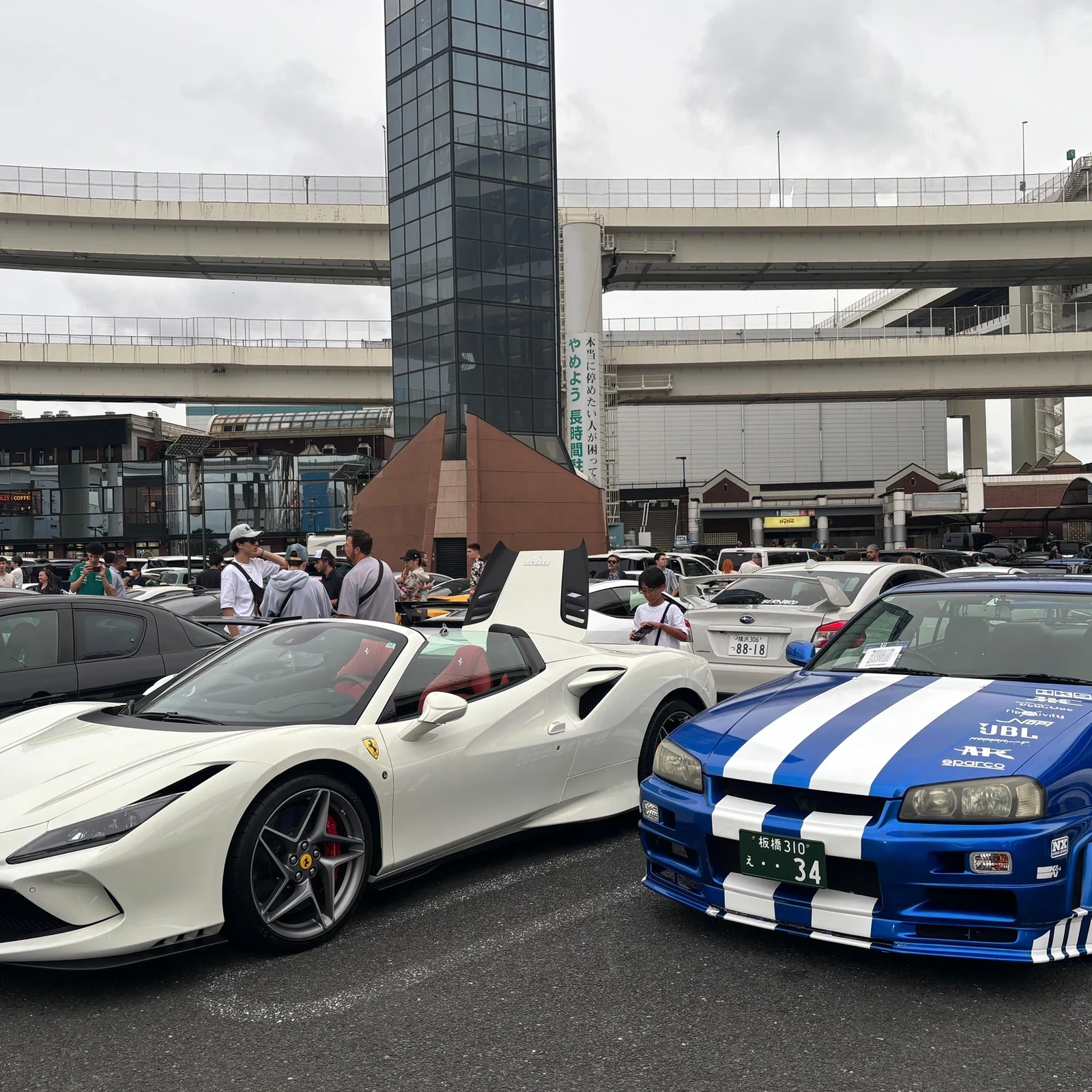
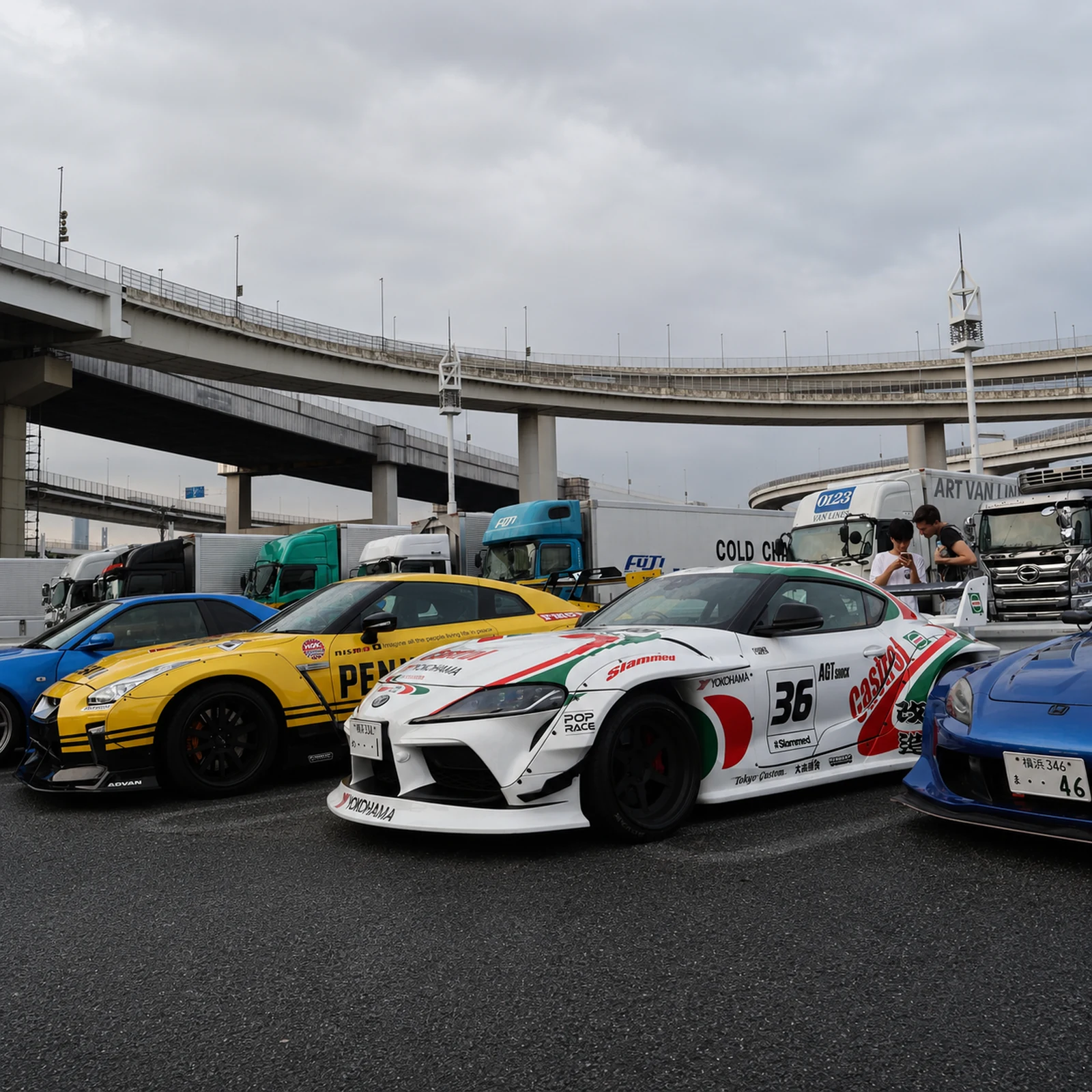
Book a private Tokyo JDM Daikoku PA tour with hotel pickup, English-speaking guide, Umihotaru and a night drive through Japan’s car culture scene. From €135.
 Activity on TourBookGo
Book a night JDM car tour in Tokyo with Japanese sports cars, Daikoku PA, Rainbow Bridge, Tokyo Tower, Shibuya, and central drop-off.