 Activity on TourBookGo
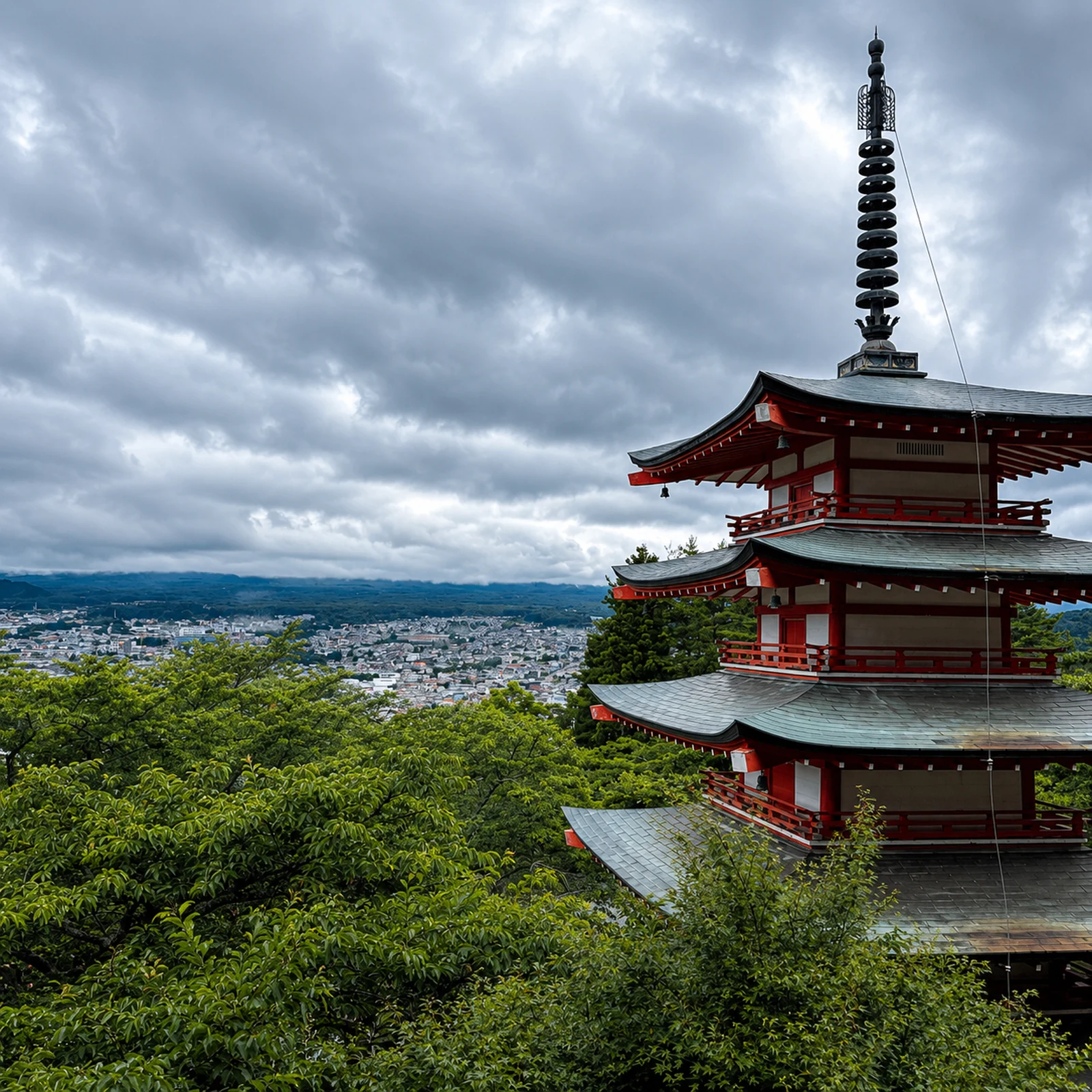
Mount Fuji tour from Tokyo with 6 photo stops
Book a Mount Fuji tour from Tokyo with an English-speaking guide, transport included and stops at Lake Yamanaka, Oshino Hakkai, Oishi Park and Arakurayama Sengen Park.
Tokyo is not conquered. Tokyo is learned gradually, like a language made of lights, trains, alleyways smelling of broth, silent temples and giant screens blinking above an orderly crowd.
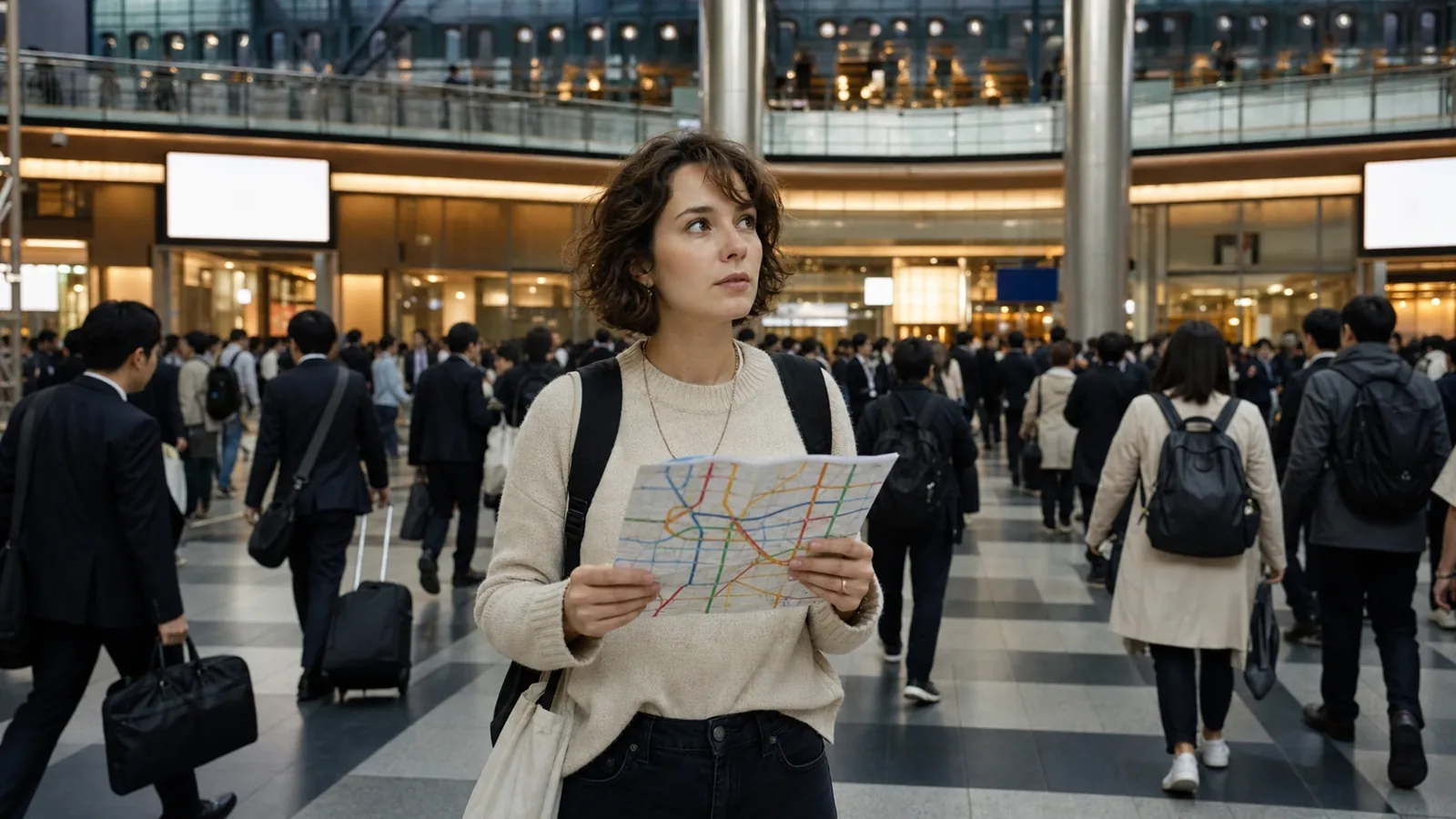
The mistakes to avoid in Tokyo often begin before you land: trying to see everything, choosing a hotel by price alone or assuming the transport system will fix any itinerary. In Tokyo, distance is not always measured in kilometres; it is measured in transfers, underground corridors, rush hours and mental energy. The city can be fascinating, elegant, safe and deeply stimulating. It can also exhaust you, disorient you and leave you feeling as though you rushed around a lot but understood very little. These Tokyo travel tips will help you plan neighbourhoods, transport, meals and timing with more confidence.
Compare locations and options to find a base that suits your trip. Booking.com confirms current availability and pricing.
Find accommodation on BookingTokyo does not work well with endless lists. Shibuya, Shinjuku, Asakusa, Ginza, Akihabara, Harajuku, Ueno, Roppongi and Odaiba are not just stops on an itinerary: each area has its own rhythm, its own light and its own way of looking at visitors.
The usual mistake is stringing neighbourhoods together without pausing to breathe. You leave Shibuya Crossing, rush to Sensō-ji Temple, cut through Akihabara, have dinner in Shinjuku and end the day exhausted, with plenty of photos but little real memory of the trip.
It is better to plan Tokyo by neighbourhood. One day for the traditional east — Asakusa, Ueno, Yanaka; another for the electric west — Shibuya, Harajuku, Shinjuku; another for calmer areas such as Daikanyama, Nakameguro or Kichijoji. Tokyo is more enjoyable when you accept that something will always be left out.
Staying far away may seem clever until every day begins and ends with long journeys. Tokyo has excellent transport, but it is not magic: changing lines, walking through huge stations and returning late to your hotel can become a burden.
For a first trip to Tokyo, it is wise to stay near a well-connected station. Shinjuku is practical but intense; Ginza and Tokyo Station are convenient and more orderly; Ueno can be a good base for getting around and finding more reasonable prices; Asakusa has charm, although it is less central for some evening routes.
Cheap accommodation in an outlying area only pays off if you truly understand transport times and are willing to sacrifice spontaneity.
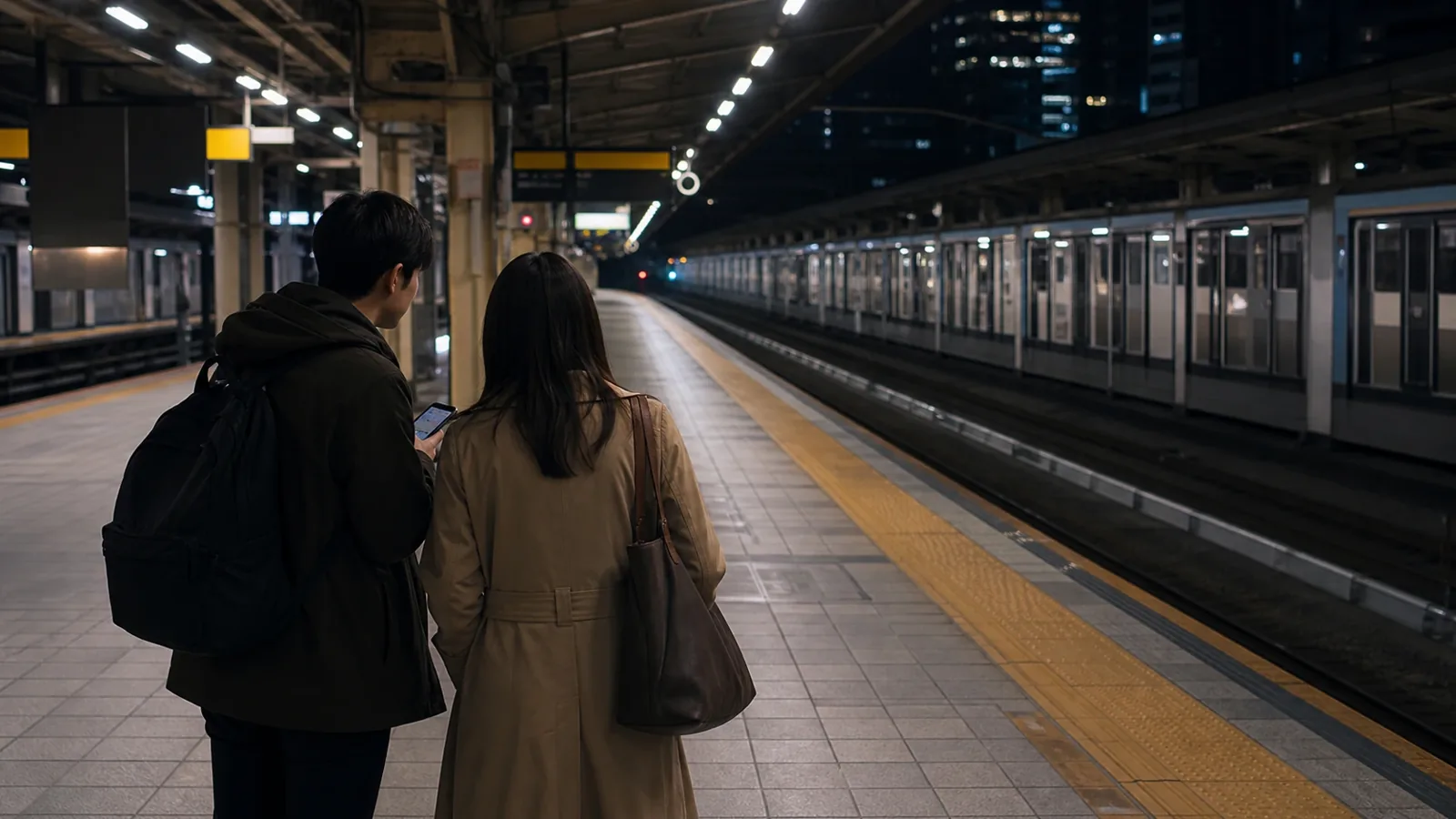
In Tokyo, the subway and trains are part of the experience. Some stations feel like small underground cities, with corridors, shopping centres, numbered exits and several companies operating in the same space.
A common mistake is constantly buying single tickets or not understanding what each pass covers. IC cards such as PASMO or Suica make it easier to travel on trains, subways and buses, and also to pay in many shops; the tourist PASMO card, for example, is designed for international visitors and has specific validity and balance conditions.
An IC card often makes daily travel smoother.
Check what each pass covers before buying it.
There are also passes such as the Tokyo Subway Ticket, valid for 24, 48 or 72 hours on Tokyo Metro and Toei Subway lines, but not necessarily on every train you will use. It is useful if your route fits those lines; do not buy it out of habit.
Choose between a pass, ticket or IC card according to your real itinerary.
Shinjuku Station, Tokyo Station, Shibuya Station and Ikebukuro can disorient even experienced travellers. The mistake is not getting lost; that is almost part of the rite of passage. The mistake is calculating journeys as if getting off the train and reaching the street took two minutes.
In large stations, choose your exit before you arrive. The wrong exit can leave you ten or fifteen minutes’ walk from the place you were looking for, surrounded by buildings, elevated walkways and signs that seem to multiply.
Tokyo rewards the patient traveller. Look at the maps, follow the exit numbers and do not be embarrassed to stop to one side and get your bearings. In such an orderly city, getting in the way because you are rushing is usually worse than moving slowly.
Tokyo has icons that are worth visiting, but many lose some of their charm when you see them at the same time as everyone else. Sensō-ji at midday can feel more like a human current than a temple. Takeshita Street on a weekend can be more overwhelming than intriguing. Shibuya Crossing is impressive, yes, but there is no need to stay trapped there for too long.
Getting up early changes the city. Early-morning Asakusa has an almost intimate beauty, with red lanterns, shopkeepers opening up and incense smoke rising slowly. At night, Shinjuku has another kind of energy: neon lights, alleyways, tiny bars, a blend of fatigue and urban theatre.
Do not avoid the classics. Just choose the timing better.
Tokyo is one of the world’s great food cities, but social media has turned some places into small tourist processions. Waiting an hour for a famous ramen may be worth it if it genuinely excites you; doing it every day is an expensive way to waste time.
Sometimes the best meal appears in a station, in a department-store basement, at a tiny counter with an unpretentious menu or in an izakaya where nobody seems to be posing. There is no need to keep chasing “the most recommended place.” Tokyo is eaten better with curiosity than with anxiety.
That said, many small restaurants have their own rules, limited opening hours, difficult reservations or little space for large groups. Stay flexible and do not turn every meal into a performance test.
Tokyo in summer can be tough. Humidity wraps itself around the city, the asphalt holds the heat and walking routes become more demanding than they looked on the map. In July and August, hot and humid days can completely change the rhythm of your trip.
The weather matters when planning each day.
The mistake is planning summer as if it were spring: too many outdoor temples, too many walks, too few breaks. If you travel in July or August, alternate outdoor visits with museums, cafés, department stores, indoor observation decks and real rest stops. Wear breathable clothing and do not underestimate the need to stay hydrated.
Spring and autumn are usually more pleasant, but also more popular. Cherry blossom season can be beautiful, although it does not guarantee a perfect postcard: there may be rain, crowds and higher prices.
It is not a good idea to land without having reviewed the entry procedures. Visit Japan Web allows travellers to complete online procedures related to immigration, customs and tax-free shopping, according to the service’s official information.
Check the official arrival procedures before your flight.
This does not mean you need to obsess over bureaucracy, but you should avoid last-minute improvisation. Have your accommodation details, passport and flight information ready. Tokyo gets off to a better start when arrival does not turn into an unnecessary queue caused by lack of preparation.
How to engage with local people without making them uncomfortable
Tokyo may seem reserved, but it is not cold. Japanese courtesy has subtle codes: speaking quietly on public transport, not blocking the way, queuing, not eating while walking just anywhere, not touching products or people with excessive familiarity and not taking invasive photographs.
The mistake some travellers make is acting as though everything were a backdrop. It is not. Temples are not just photo sets; trains are not private lounges; residential neighbourhoods are not theme parks.
Learn a few simple words — thank you, excuse me, please — and use them with humility. If you do not understand a rule, observe. Tokyo explains itself largely through the behaviour of the people who live there.
The neon exists, and it is magnificent. But Tokyo is also the silence of a garden, an elderly woman buying sweets in Yanaka, the sound of a temple bell, a bicycle beside a canal, a tiny bookshop, a café where the afternoon fades without spectacle.
Sticking only to Shibuya, Shinjuku and Akihabara means seeing a powerful part of the city, but an incomplete one. For many travellers, Tokyo’s real emotion appears in the in-between moments: when you leave a main avenue and enter a quiet street, when you find an unknown restaurant, when you allow yourself to do nothing for an hour.
Yes, for those who enjoy complex cities, food, design, urban culture, contrasts and the feeling of being inside a vast yet surprisingly functional organism.
Perhaps less so for those seeking pure rest, immediate nature, total improvisation or slow travel without stimulation. Tokyo can tire you out. It can overwhelm you. It can make you feel small. But if you avoid rushing, choose your areas well and accept that you do not need to understand everything, the city stops being a maze and begins to feel like a conversation: intense, luminous, at times strange and hard to forget.
Plan your visit to Tokyo more effectively with selected experiences that simplify the logistics and help you make the most of your time.
Activity on TourBookGoBook a Mount Fuji tour from Tokyo with an English-speaking guide, transport included and stops at Lake Yamanaka, Oshino Hakkai, Oishi Park and Arakurayama Sengen Park.
 Activity on TourBookGo
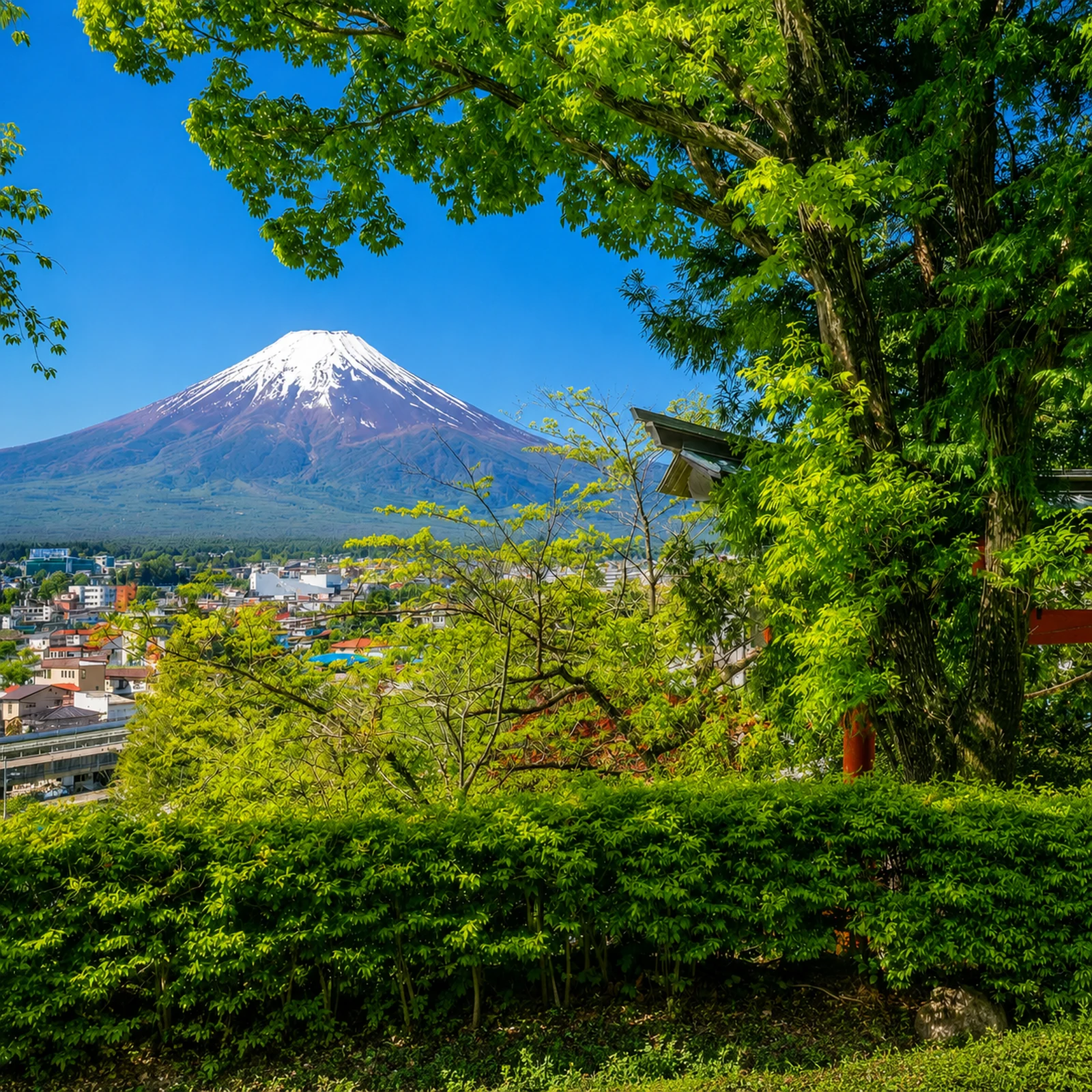
Book a full-day Mount Fuji tour from Tokyo with an English-speaking guide, transport included, Oishi Park, Lake Kawaguchi, Oshino Hakkai and Chureito Pagoda.
 Activity on TourBookGo
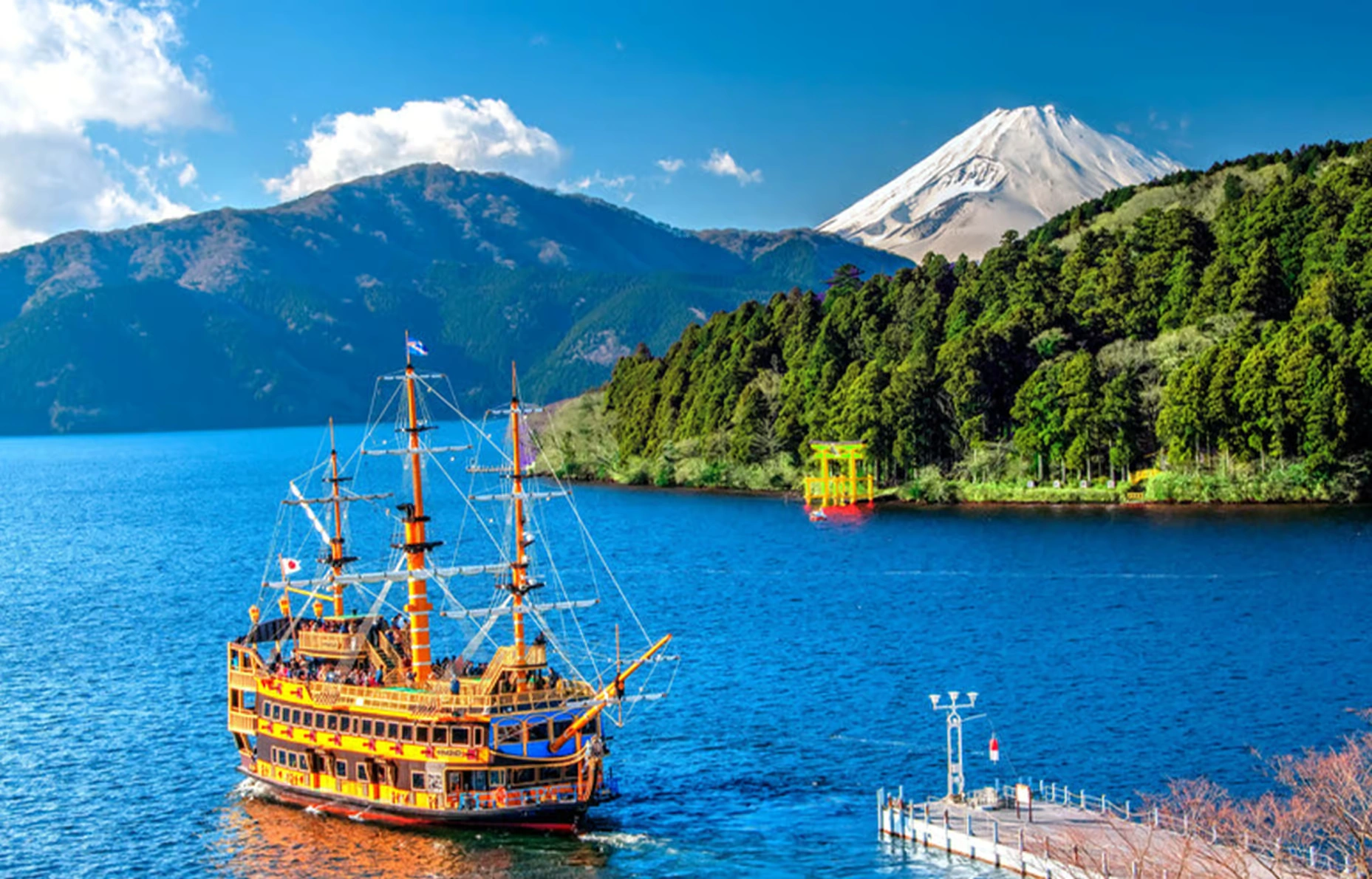
Book a Mount Fuji and Hakone day trip from Tokyo with multilingual guide, Hakone Ropeway, Owakudani, Lake Ashi and Oshino Hakkai.