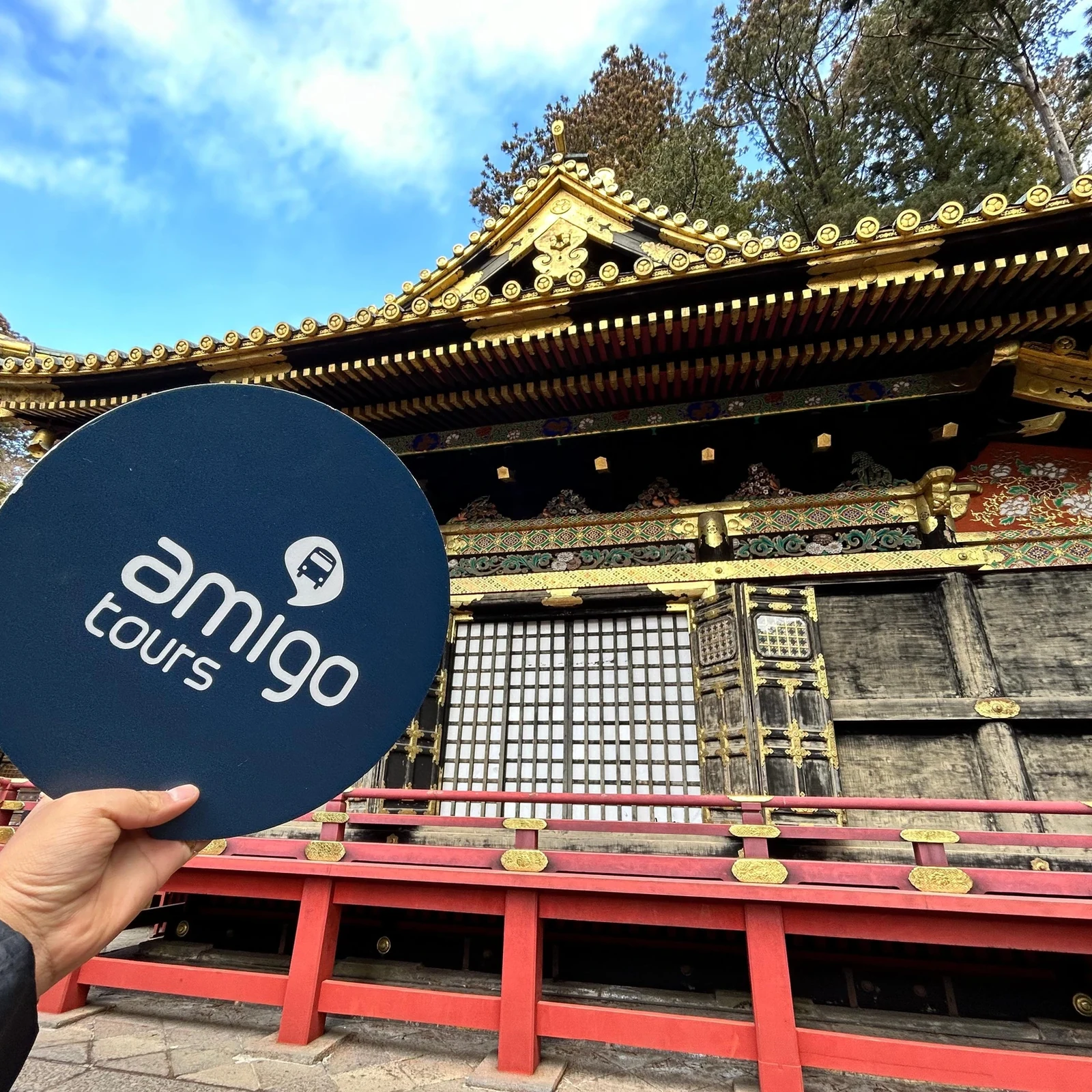
 Activity on TourBookGo
Nikko day trip from Tokyo: temples, waterfalls and lake views
Book a Nikko day trip from Tokyo with a Spanish and English guide, transport, Toshogu Shrine, Kegon Falls and Lake Chuzenji.
Tokyo safety for tourists is one of the city’s biggest strengths, but even a calm, orderly capital asks you to know when to relax and when to stay alert.
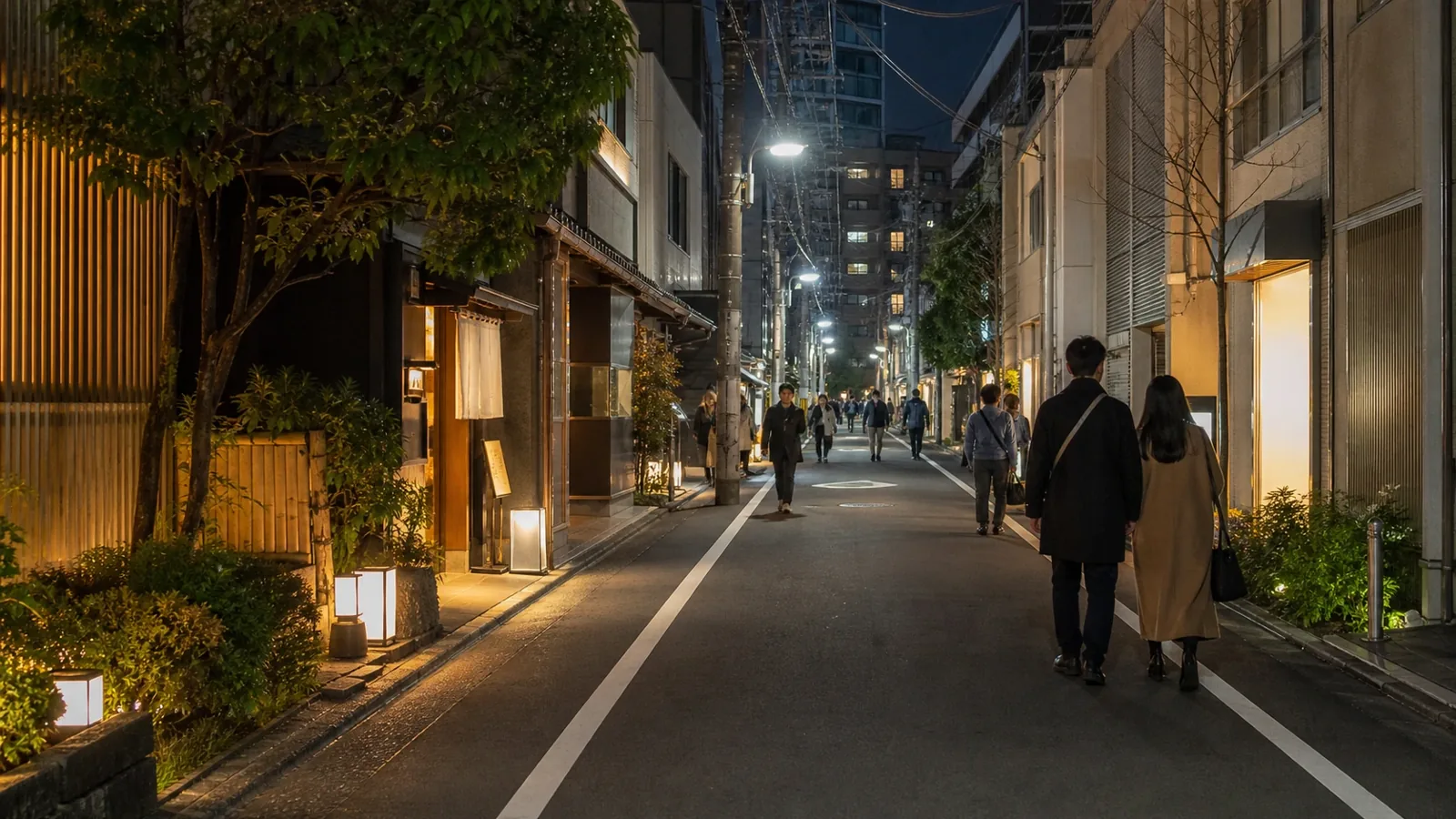
Tokyo safety for tourists often feels almost surprising at first: a vast, electric, almost endless city that is, at the same time, remarkably orderly. At night, when Shinjuku glows with neon and trains keep arriving with quiet precision, it is easy to believe that nothing bad could possibly happen. And, in general terms, Tokyo is one of the most comfortable and peaceful major capitals to visit. But safety does not mean the complete absence of risk. It means knowing where to look, when to relax, and when not to let excessive confidence take over, especially in nightlife areas, busy stations, or during periods of humid heat, typhoons, or earthquake alerts.
Compare locations and options to find a base that suits your trip. Booking.com confirms current availability and pricing.
Find accommodation on BookingYes, Tokyo is a very safe city for most travelers. Japan is currently listed at the lowest travel advisory level by the U.S. Department of State, which recommends “normal precautions,” and that reflects everyday visitor experience quite well: clean streets, efficient public transport, low levels of visible crime, and an urban culture where respect for other people’s space carries real weight.
The sense of safety appears in small details: people sleeping on trains without fear, bags left on café chairs, children moving around residential neighborhoods on their own. For someone arriving from more tense cities, Tokyo can feel almost unreal.
Even so, it is important not to confuse that calm with invulnerability. Violent theft is uncommon for the average tourist, but more specific problems do exist: scams in nightlife areas, excessive bar charges, drink spiking, losses through carelessness, and natural risks such as earthquakes or typhoons.
Kabukicho, in Shinjuku, is one of Tokyo’s most cinematic areas: vertical signs, narrow alleyways, late-night restaurants, karaoke, tiny bars, and an energy that never seems to switch off. It is worth seeing, but it is not the place to follow strangers promising cheap drinks, private shows, or “secret” venues.
The UK government warns that Tokyo’s entertainment districts carry a higher risk of crime at night, especially around bars and clubs, with cases targeting foreigners that include extortion, robbery, assault, and sexual assault.
There is no need to be afraid of Shibuya, Ikebukuro, Ueno, Shimbashi, and Kinshicho, but you should move through them with judgment. The Tokyo Metropolitan Police warn about street touts in several entertainment districts, with cases involving fraudulent card charges, inflated bills, and customers being led into venues where problems later arise. Their advice is clear: do not follow touts or “scouts” on the street.
The practical rule is simple: if someone is trying too hard to get you into a bar, you probably do not want to go in.
Tokyo is usually a good city for women traveling alone, especially because of its easy public transport, the lighting on many streets, and the number of people moving around even late at night. Many female travelers feel calmer here than in other major capitals.
But it is not all idyllic. During rush hour, some trains can be overwhelming; women-only cars exist on certain services and at certain times precisely because harassment on public transport has been a recognized issue. It is also wise to avoid returning alone very late through nightlife areas with touts, alcohol, and side streets with poor visibility.
Tokyo may be safe, but a woman traveling alone should not have to prove absolute confidence. Choosing accommodation carefully, taking a taxi back when tired, and not accepting ambiguous invitations from strangers is not paranoia: it is common sense.
Tokyo works very well for families: clean transport, reasonably well-kept public toilets, many parks, interactive museums, quiet neighborhoods, and a culture that is generally respectful toward children. The main challenge is usually not safety, but fatigue.
Huge stations, stairs, line changes, crowded platforms, and the distances between attractions can make the day feel heavy. With young children, it is best to plan less than what seems possible on the map. Tokyo is not best enjoyed by rushing from Asakusa to Shibuya, from Shibuya to Odaiba, and from Odaiba to Shinjuku in a single day.
The risk many travelers underestimate is not on a dark street, but beneath their feet or in the sky. Japan is a seismic country, and Tokyo is prepared, but that does not mean visitors should ignore basic protocols.
The Japan National Tourism Organization provides safety information for travelers, including weather alerts and transport updates during your stay. It is also recommended to use alert tools such as Safety Tips and NHK World to receive safety notifications on your phone.
In summer, the humid heat can be harsher than many people imagine. During typhoon season, some trains or flights may face delays or cancellations. This is not a reason to avoid Tokyo, but it is a reason not to plan impossible connections or leave your trip back to the airport until the very last minute.
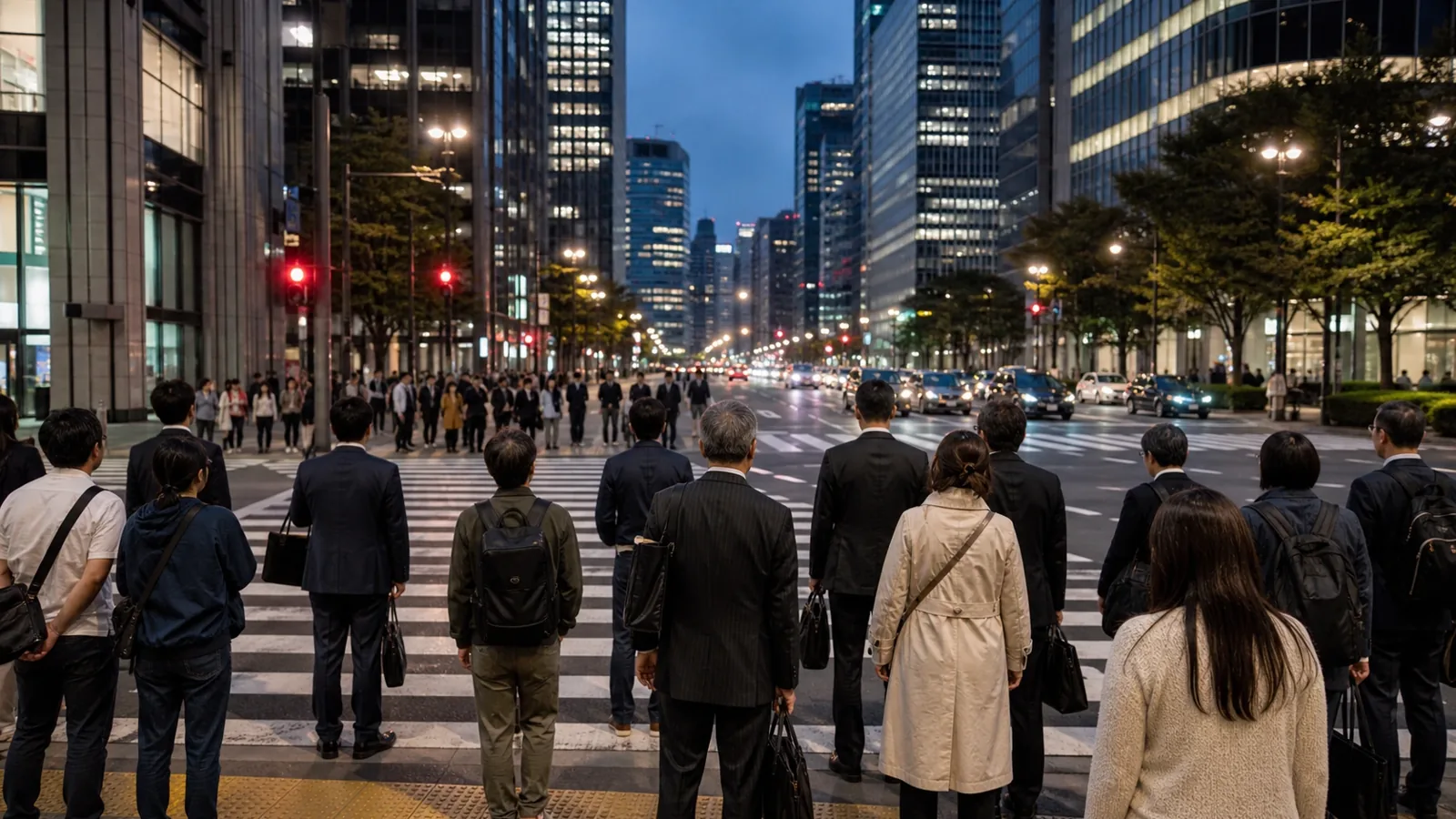
The most common mistake is thinking that “because Japan is safe, there is no need to pay attention.” Tokyo rewards the calm traveler, not the naïve one.
It is not wise to accept drinks from strangers, lose sight of your glass, follow touts in nightlife areas, argue over an abusive bill inside a venue without seeking outside help, or keep all your cash and cards in the same place. It is also not a good idea to rely too heavily on the last train: missing it can force you to pay for an expensive taxi or spend hours waiting.
In an emergency, the useful numbers are 110 for the police and 119 for the fire department or ambulance.
Tokyo is absolutely worth it for anyone looking for an intense but orderly big city, with neighborhoods that differ greatly from one another, extraordinary food, excellent transport, and an urban life that blends temples, giant screens, gardens, bookshops, izakayas, contemporary architecture, and domestic silence behind tiny streets.
It is also a good first gateway to Asia for travelers who want excitement without feeling constant chaos.
Tokyo may disappoint anyone looking for a city that is easy to understand in two days. It is enormous, spread out, and at times emotionally overwhelming. It can also feel cold if you expect Mediterranean spontaneity or constant conversation with strangers.
Travelers with reduced mobility should carefully check stations and accommodation, because although the city has improved greatly, some metro exits, small restaurants, and older buildings can still make the experience more complicated.
Yes, Tokyo is safe, even very safe, but it is not a bubble. Its greatest virtue is that it allows you to relax more than other major capitals; its greatest trap is that this same confidence can make travelers drop their guard too much.
The city is best enjoyed with a mix of calm and caution: moving freely, exploring at night, trying small bars, getting lost among stations and alleyways, but without following just anyone, without ignoring weather alerts, and without forgetting that even in an immaculate city, gray areas exist.
Tokyo does not need to be perfect to be worth the trip. It is enough for it to be what it is: immense, safe where it matters, fascinating in its contradictions, and more honest when viewed without naïveté.
Enjoy Tokyo through selected, well-organised experiences that help you explore the city with greater peace of mind.
Activity on TourBookGoBook a Nikko day trip from Tokyo with a Spanish and English guide, transport, Toshogu Shrine, Kegon Falls and Lake Chuzenji.
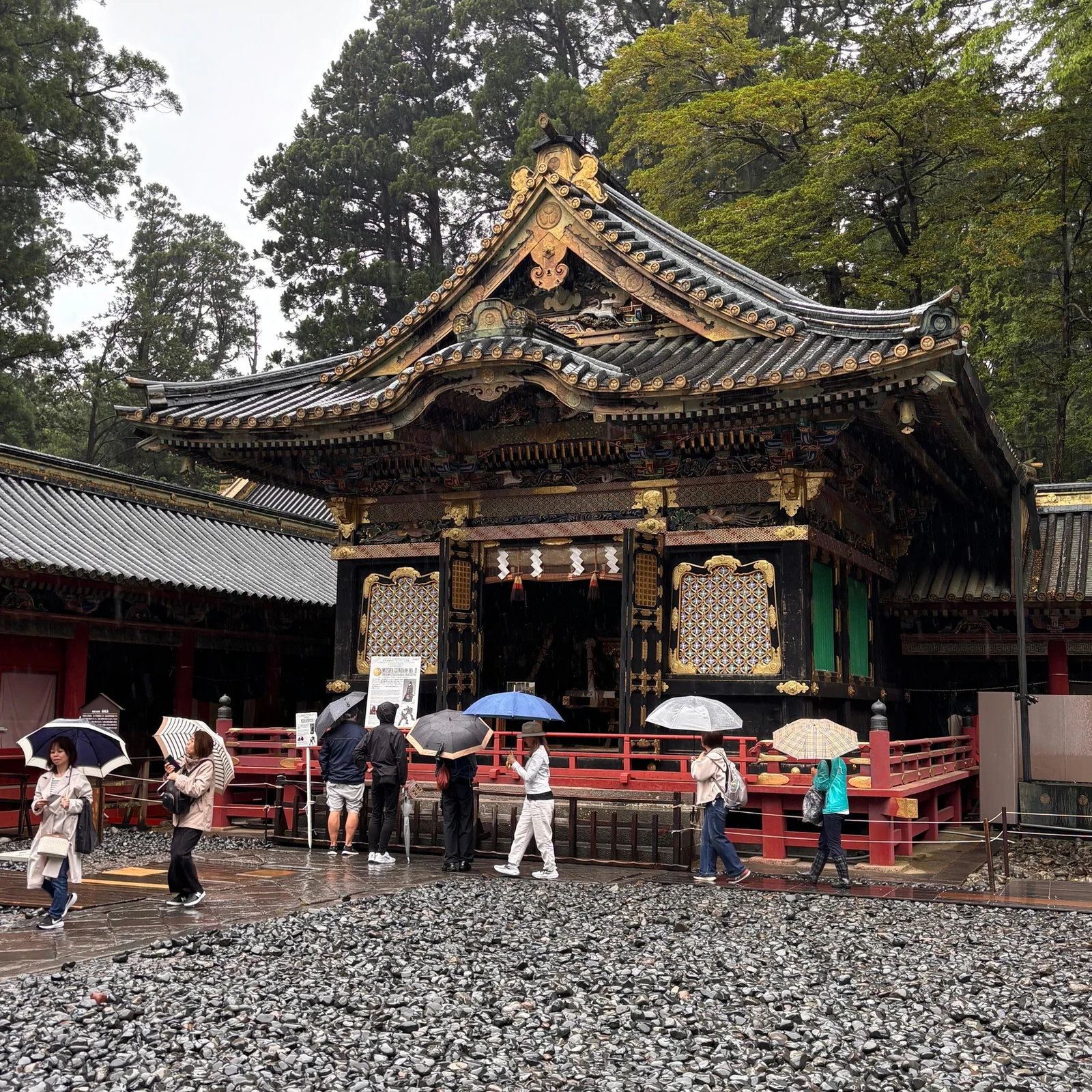 Activity on TourBookGo
Book a Nikko day trip from Tokyo with coach transport, bilingual guide, Toshogu Shrine admission, Kegon Falls and Lake Chuzenji.
 Activity on TourBookGo
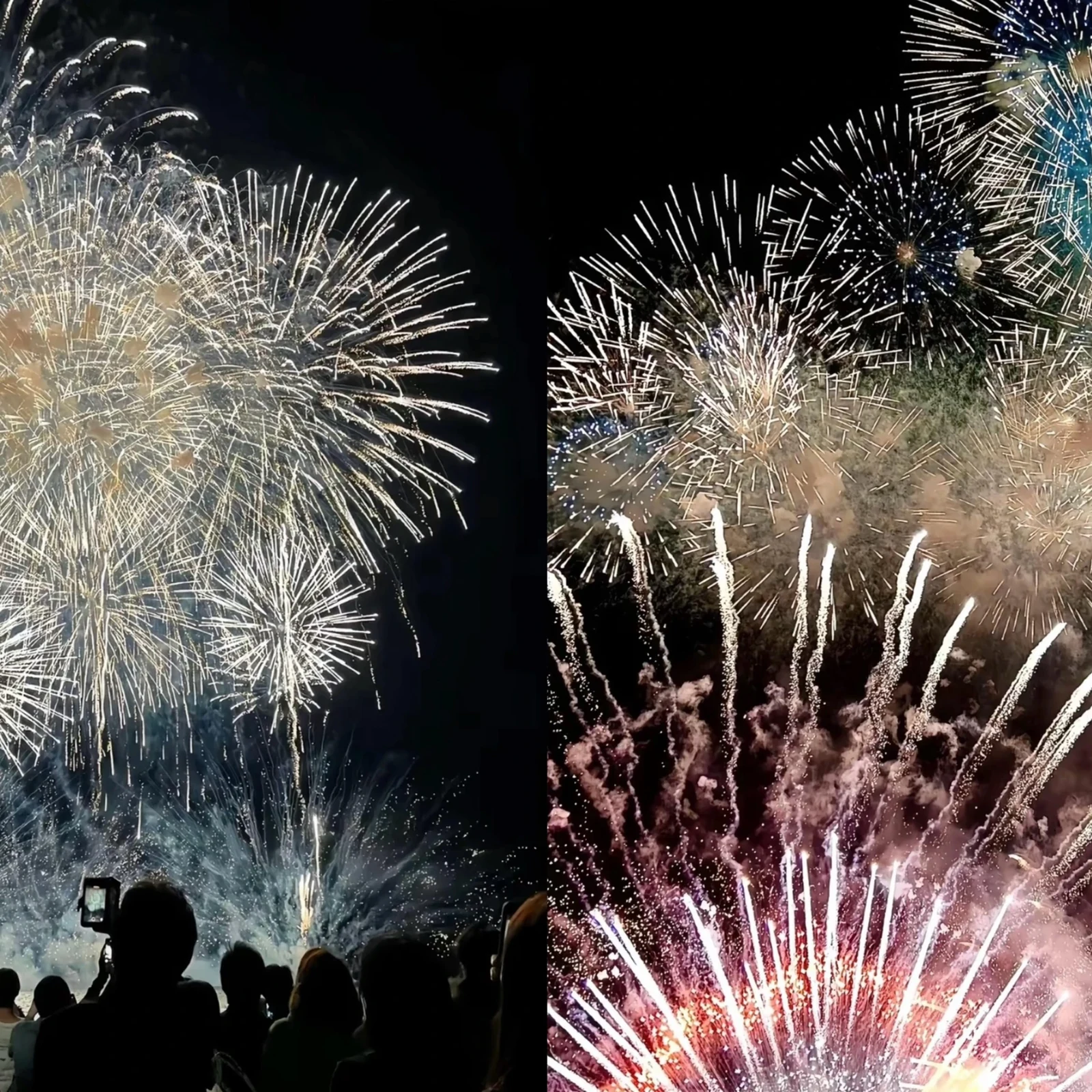
Book a day trip from Tokyo to Hakone Shrine, Atami Beach and fireworks: 11-hour tour from Tokyo or Shinjuku with Lake Ashi, Atami Port and guide.