

Book a sumo show in Tokyo with retired wrestlers, geisha, chicken chanko nabe, unlimited Japanese dinner and audience participation in Asakusa.
View experienceWhy Tokyo Is Worth Visiting
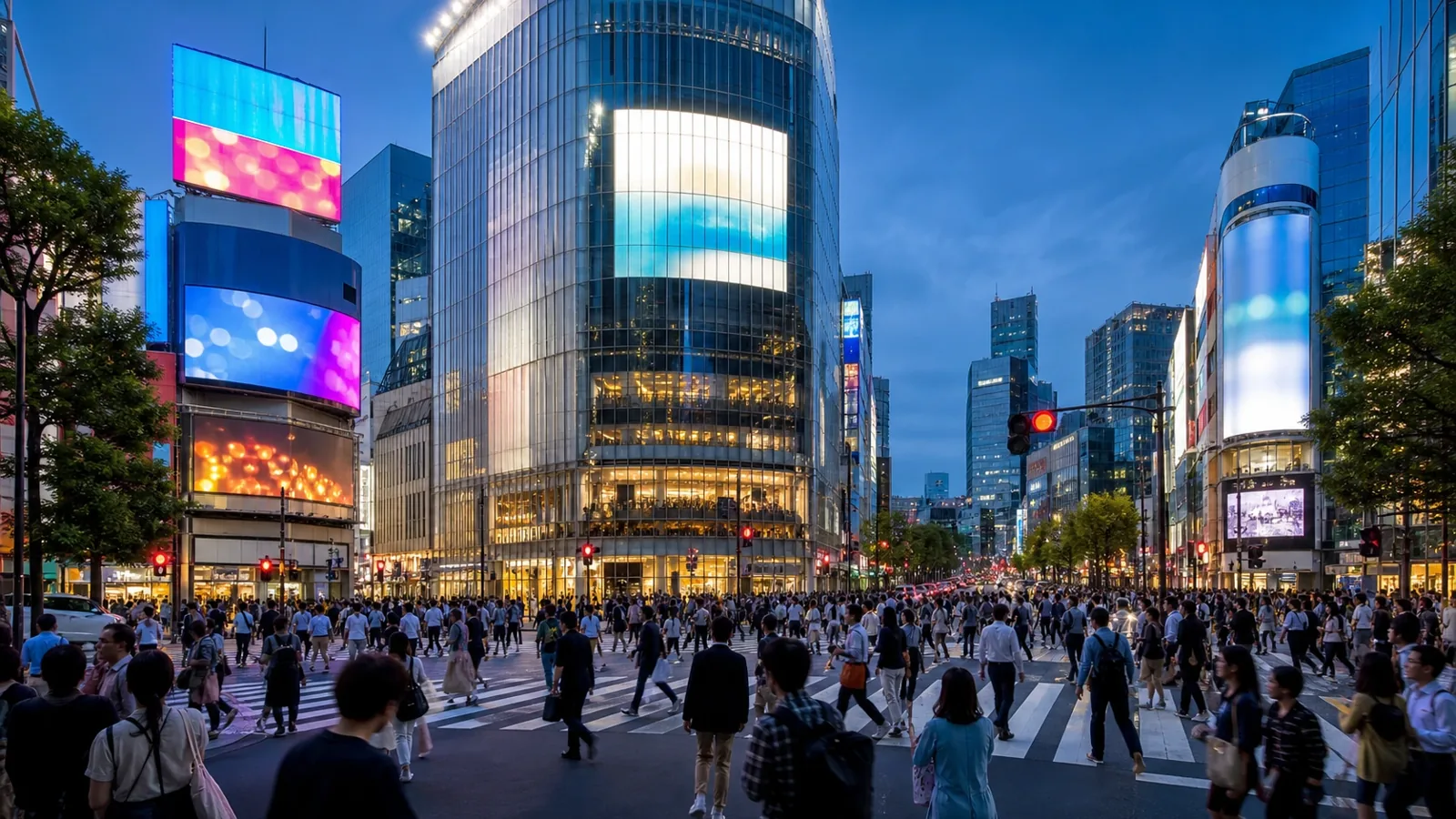
Tokyo does not seduce you all at once; it reveals itself in layers. First comes the monumental city: vast crossings, stations that feel like airports, screens, towers, shopping complexes, neighborhoods that change personality every few blocks. Then comes the smaller city: lanterns in the rain, hidden izakayas, elderly residents tending plants in spotless alleyways, temples tucked between buildings, tiny bakeries, and vending machines glowing on an empty corner.
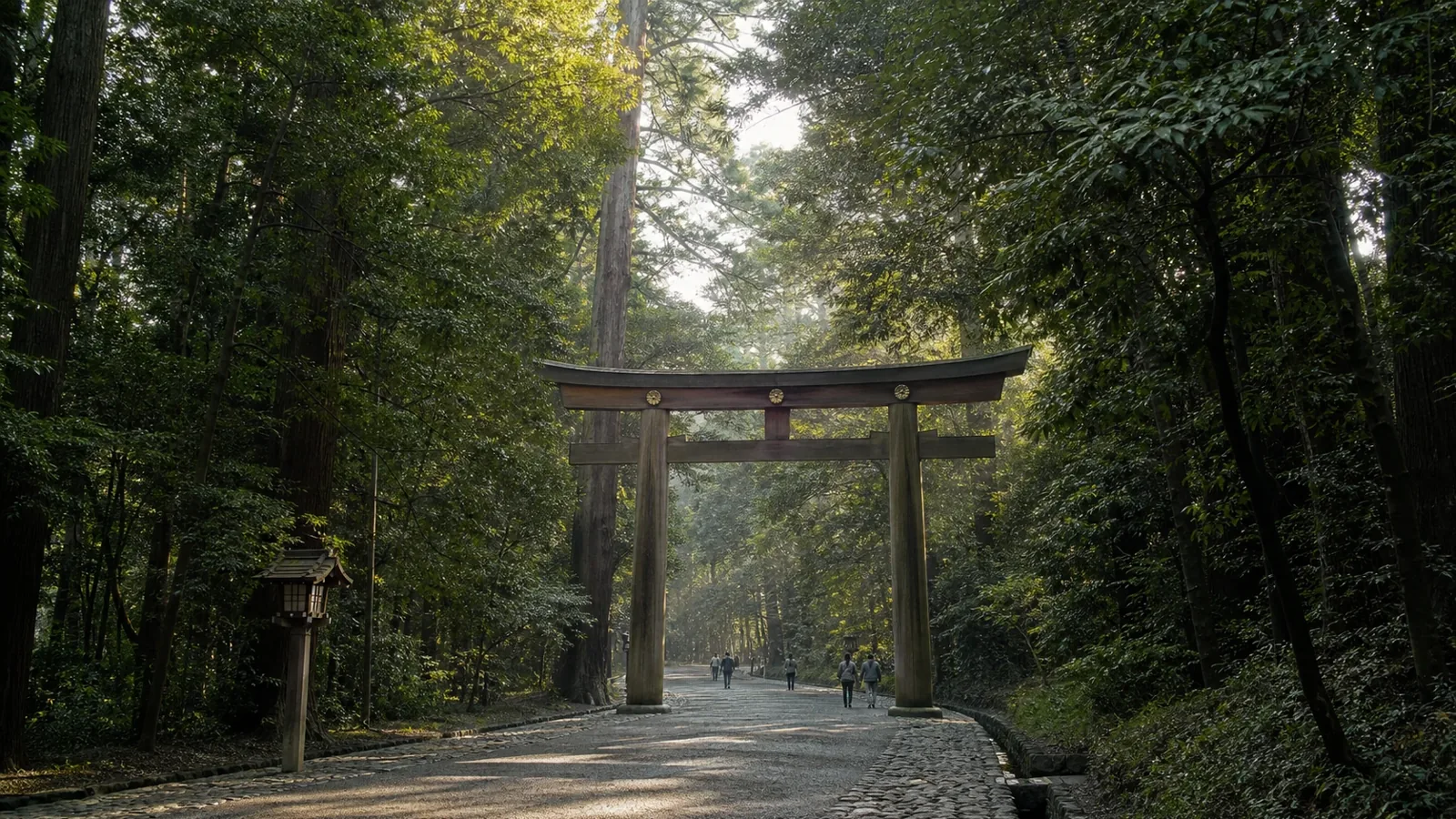
The best thing about Tokyo is that it does not force you to choose between tradition and modernity. You can start the day amid the incense of Sensō-ji, eat sushi or soba at an unpretentious counter, lose the afternoon in design or vinyl shops, and end it watching the city reflected in the glass towers of Shinjuku. For those who love walking, observing, eating, and being surprised by everyday details, Tokyo is one of the great urban experiences in the world.
What May Disappoint You on a Tokyo Trip
Tokyo can also be exhausting. It is huge, distances are deceptive, and many famous areas are very crowded. If you expect an “easy” city or a classically romantic one, it may feel cold at first. Hotel rooms are often small, navigating train lines can be intimidating on the first day, and some tourist neighborhoods lose their charm at peak times.
It is also worth saying: cherry blossom season is beautiful, but it is neither secret nor quiet. The bloom usually reaches its most anticipated moment between late March and early April, a culturally important period in Japan and a very popular time for strolling or picnicking beneath the trees.
AP News
In recent years, some iconic places around Tokyo and Mount Fuji have faced serious problems with overcrowding and tourist behavior, to the point of canceling blossom events in order to protect residents.
The Guardian
Cherry blossom season can be beautiful, but it is worth assuming that it will also be one of the busiest times.
Who Tokyo Is Worth It For
Tokyo is a great choice for curious travelers, food lovers, photographers, architecture enthusiasts, fans of contemporary Japanese culture, design, anime, street fashion, and cities with many layers. It also works well for a first trip to Japan because it offers a very complete entry point into the country: efficient transport, countless accommodation options, possible day trips, and an almost endless range of neighborhoods.
For families, it can be surprisingly convenient if planned calmly: there are parks, museums, themed shops, simple food, and reliable transport. For couples, Tokyo can be wonderful if you are looking for more than a romantic postcard: small dinners, nighttime walks, gardens, hidden cafés, and hotels with views.
Who Tokyo May Not Be So Worth It For
Tokyo is not the best choice if you are looking for rest, pure nature, beaches, or a quiet, rural Japanese experience. Nor is it ideal for anyone who feels overwhelmed by crowds, large stations, or packed itineraries. If all you want is ancient temples, wood, Zen gardens, and traditional streets, Kyoto, Kanazawa, or smaller towns may better match that image.
And if you are traveling on a very tight budget, Tokyo requires strategy. Eating well can be more affordable than many people imagine, but accommodation in convenient areas and during high seasons can rise quite sharply. The city rewards travelers who book early and accept small rooms in exchange for a good location.
Tokyo can work on a tighter budget, but accommodation and location need to be planned strategically.
How Many Days to Spend in Tokyo
Three days let you see a first version of Tokyo, but in something of a rush. Five days are a more reasonable base for combining very different neighborhoods without turning the trip into a race: Asakusa, Ueno, Ginza, Shibuya, Harajuku, Shinjuku, Akihabara, a garden or two, and a quiet evening in a less obvious neighborhood.
A week in Tokyo is not too much if you like to go deeper. You can add day trips to Nikko, Kamakura, Yokohama, or Hakone, though it is best not to overload every day. The common mistake is to think Tokyo can simply be “ticked off” a list. The city is best enjoyed by alternating major icons with free hours to wander.
Tokyo is best enjoyed by alternating major icons with free time to walk without an overly fixed plan.
Is Tokyo Very Expensive to Visit?
Tokyo can be expensive, but not always in the way you might expect. Accommodation and flights are usually the trickiest part of a Tokyo travel budget. By contrast, eating in simple places, shopping at konbini, using public transport, and exploring neighborhoods on foot can keep costs under control.
Transport is one of its strengths. Tokyo’s official guide lists useful passes for visitors, such as the common one-day ticket for Tokyo Metro and Toei Subway, priced at 1,100 yen for adults, or the Tokyo Subway Ticket for 24, 48, and 72 hours, with specific fares for those concentrating their visits on Metro and Toei lines.
gotokyo.org
Buying a pass is not always the best option: it depends on the day’s itinerary, but it does show that getting around the city can be organized quite efficiently.
Best Time to Visit Tokyo
Spring is the most famous season, especially because of the cherry blossoms, but it is also one of the most in demand. Autumn tends to be more balanced: pleasant temperatures, warm colors, clear light, and a city less focused on a single bloom. Winter can be cold, but it offers clear skies, lower humidity, and a sharper, more defined Tokyo. Summer brings festivals, nighttime energy, and fireworks, although the heat and humidity can feel heavy; the Japan Meteorological Agency calculates its climate normals from 30-year data series, a useful reference for understanding those seasonal differences before booking.
data.jma.go.jp
Honest Verdict: Is Tokyo Worth Visiting?
Tokyo is worth it if you accept that it is not a city for seeing everything, but for choosing well. It is worth it if the beauty of the everyday interests you as much as the major monuments. It is worth it if you know how to stop: on a platform, at a ramen counter, in a stationery shop, beneath a cherry tree, on a side street where nothing spectacular happens and yet everything seems to have a precise form.
It is not worth approaching Tokyo with anxiety, an endless list, or the expectation of a simple postcard version of Japan. Tokyo is too complex for that. Its magic lies in contrast: the crowd and the silence, technology and ritual, speed and delicacy. Those who travel with patience usually find a city that is immense, yes, but also surprisingly intimate.